Category Archives: Photography

The Thrill of Twilight

DSCF0936

Do you remember the childhood thrill of playing outside at nightfall?

I was sitting in the hammock bemoaning the fact that it was only 7pm and the dusk was rapidly turning to darkness. From down the road I heard the excited shrieks and squeals of children playing outside, and the memories flooded back. Often when my parents had friends over for dinner, the grown-ups, distracted by free-flowing wine and conversation, would leave us children to our own devices.

Out into the twilight garden we tumbled, the dewy lawn cold underfoot and the wet grass sticking to our bare feet. A pale rock suddenly took on a ghostly hue. The silhouetted woods sent a delicious shiver of fear down our spines. Surely there was a witch lurking in there, or a wolf? All it took was one sudden creak of a bough, or croak of a crow coming home to roost to set us running, running fill tilt, arms outstretched to ward off shadowy objects. Our exaggerated shrieks of terror filled the air. Each circumnavigation of the garden ratcheted up the excitement until someone stopped to spit out a gnat, or scratch an itch, or wail over a stubbed a toe.

Cheeks flush from the chilly air, we’d sneak inside to run our fingers around the remnants of the grownup’s pudding bowl, sure that our giddiness was due in part to the rum in the chocolate pudding. Whispering and giggling, we’d shove snacks for our midnight feast up our sweaters and head out into the full-blown darkness. Flashlight bounced across the garden ahead of us, adding an eerie shadow-filled glow to our surroundings. We all knew that fairies were lurking in the roots of the hawthorn tree, or under the weeping willow, waiting to spirit us away to their magical world. Clutching each other, we’d creep into the vegetable garden and raid the raspberry patch to complete our feast.

We were never ready for it to be over, but at some point the adults would call us in to bed. No tooth brushing, just under the sheets with muddy soles, sticky fingers, raspberry and chocolate stained cheeks, and magical dreams.

The Stolen Child

WHERE dips the rocky highland
Of Sleuth Wood in the lake,
There lies a leafy island
Where flapping herons wake
The drowsy water rats;
There we’ve hid our faery vats,
Full of berrys
And of reddest stolen cherries.
Come away, O human child!
To the waters and the wild
With a faery, hand in hand,
For the world’s more full of weeping than you can understand.

Where the wave of moonlight glosses
The dim gray sands with light,
Far off by furthest Rosses
We foot it all the night,
Weaving olden dances
Mingling hands and mingling glances
Till the moon has taken flight;
To and fro we leap
And chase the frothy bubbles,
While the world is full of troubles
And anxious in its sleep.
Come away, O human child!
To the waters and the wild
With a faery, hand in hand,
For the world’s more full of weeping than you can understand.

–William Butler Yeats (excerpted)

DSCF0906

Mellow Fruitfullness

IMG_2522

There’s a turkey gobbling in the woods behind the house, and condensation on the windows. There’s a low-slow cricket trill coming from the stone wall, the blue jays and crows are serenading the first frosty morning, and the squirrels croon to themselves in the black walnut as they fuss over their nuts. And so the slow countdown to winter begins. It seems like only yesterday I was marveling at the new foliage, fresh and hopeful, like clean laundry. Now the leaves of the maple outside my window are curling and faded to an anemic yellow. Melancholy is a good word to describe the feeling of September. Seasons of mist and mellow fruitfulness, as the English poet John Keats wrote. It leaves me with an ache in my heart for the glorious, carefree summer days, real or imagined.DSCF0528

Yet at the same time a steady candle flicker of excitement burns in me. It’s time to refocus my energies on new projects, and reenergize the old ones. My brain that gets muddled by the soporific heat of July, and lazy in the enervating humidity of August, has clicked into gear. The days and night aren’t long enough for all the things I want to do. Like the birds and the bees, I have replenished my store of energy over the summer and am ready to get my fingers stuck into a cool, damp lump of clay and see if the magic happens. I’m itching to sketch up a new design to knit, and experiment with the bounty of the season in the kitchen. I feel ripe to bursting with ideas. I’m chomping at the bit to crank out the outline of a middle grade novel I’ve been dreaming up, and research a new picture book. My new camera is begging to be to taken for a hike. There are friends to visit, and trips to the city to take my freshly minted college student out to lunch. I think I’ve caught the squirrel fever—Quick, get it done. Get it done. Now if only the dwindling morning light would make it a little easier to get up in the morning.

Season of mists and mellow fruitfulness
Close bosom-friend of the maturing sun
Conspiring with him how to load and bless
With fruit the vines that round the thatch-eaves run;
To bend with apples the moss’d cottage-trees,
And fill all fruit with ripeness to the core;
To swell the gourd, and plump the hazel shells
With a sweet kernel; to set budding more,
And still more, later flowers for the bees,
Until they think warm days will never cease,
For Summer has o’er-brimm’d their clammy cells.
-John Keats, excerpted from To Autumn, September 19th, 1819
IMG_5903


Golden Moments

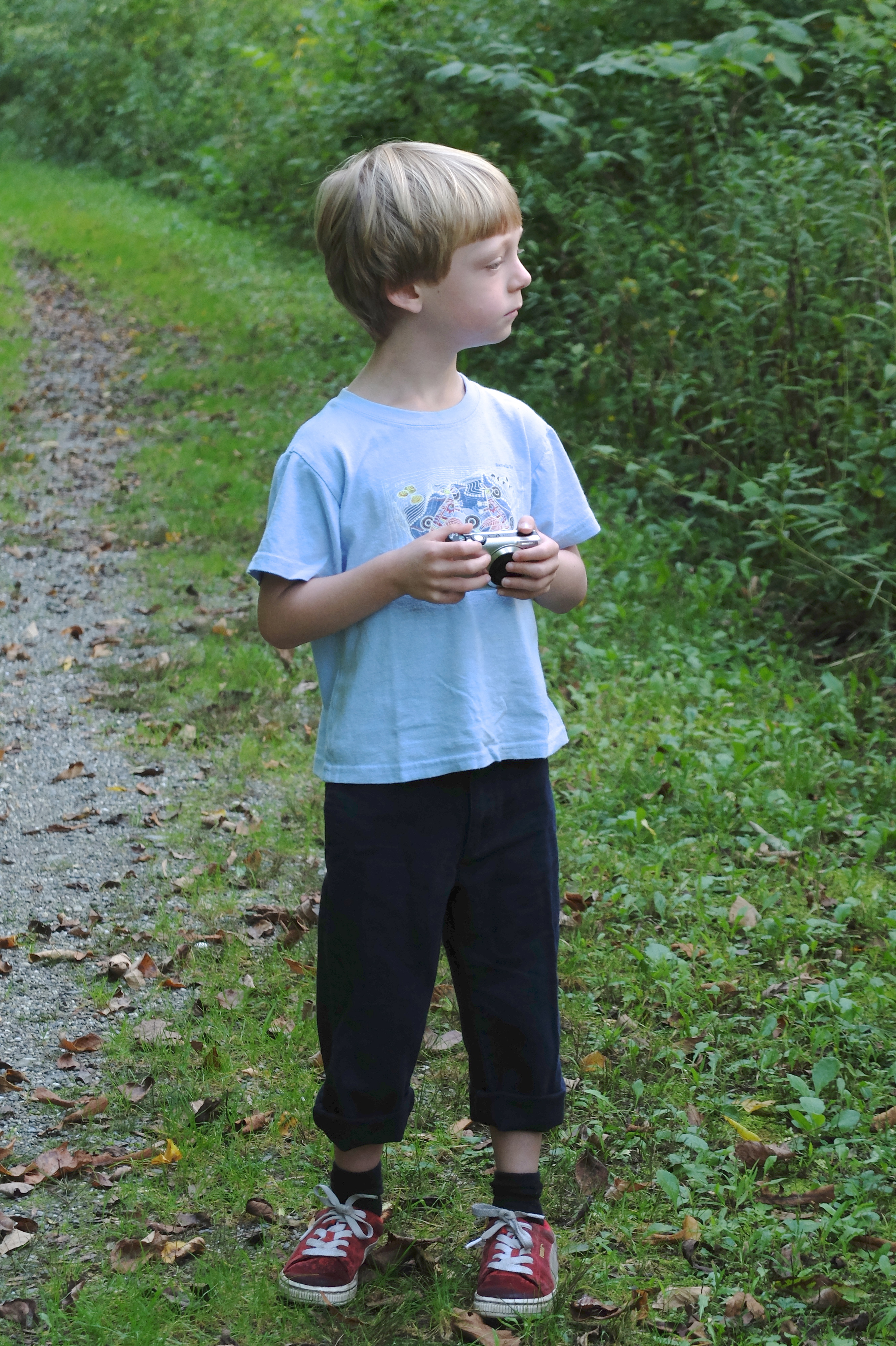
Yesterday was one of those crisp September mornings you could bite into like a perfectly ripe Macintosh apple. My youngest son, having started first grade the day before, was off for the Jewish New Year holiday. It was too good an opportunity to miss. We grabbed our cameras and headed out to our local stretch of the Appalachian Trail.DSCF0381DSCF0377

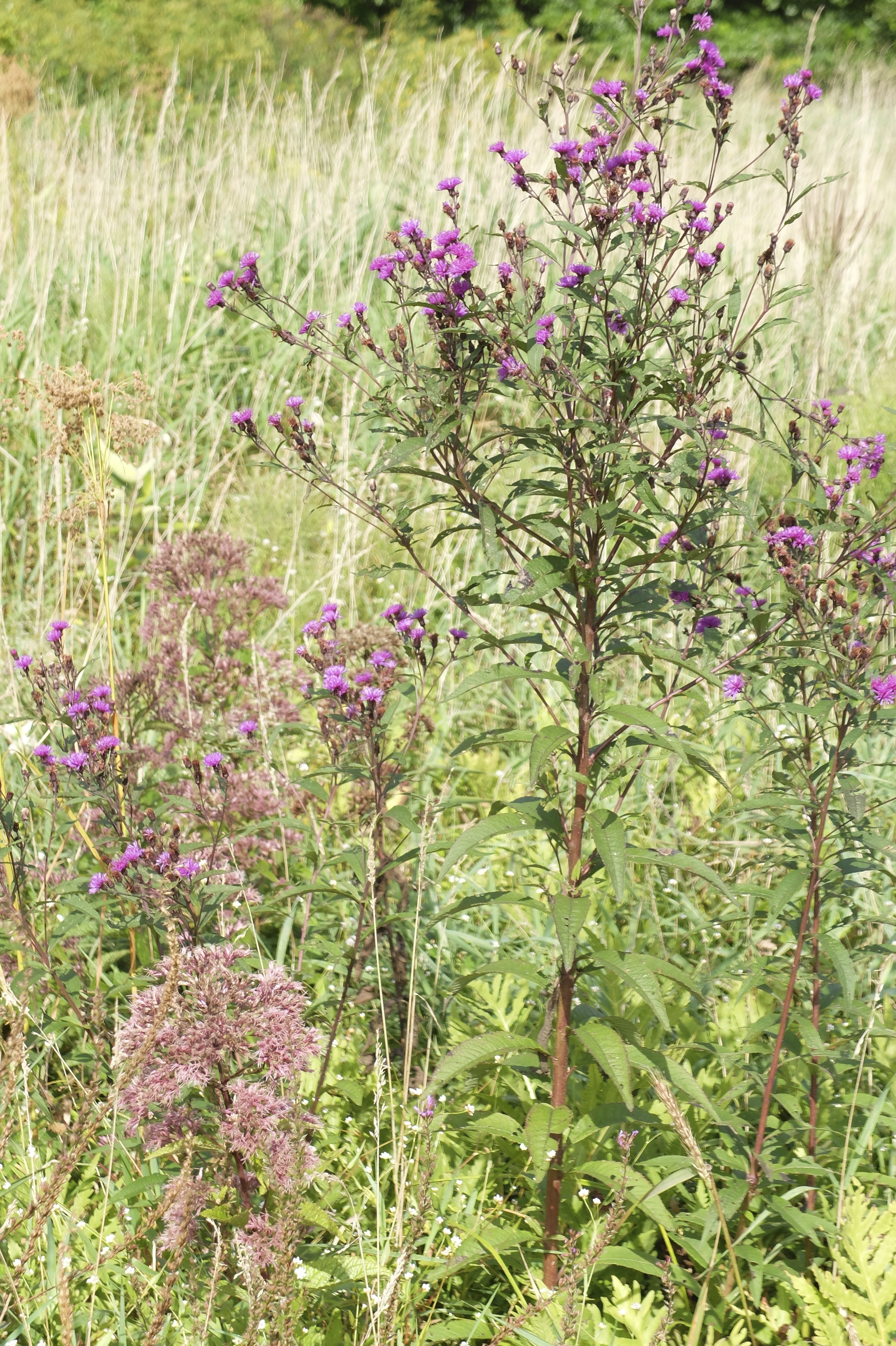
Our first leg of the trail runs alongside a dry summer meadow filled with purple aster and golden rod. My son marveled at the insect orchestra. I pointed out the different pitches and rhythms of the grasshoppers and crickets. We watched goldfinches flitting from seed head to seed head, stuffing their beaks. Trios of cabbage white butterflies danced around a mud puddle. A monarch flapped and drifted, seeking out the last flowering heads of milkweed. The air was sweet with the scent of virgin’s bower, the native wild clematis.

When we reached the woodland, the dirt path was packed, dry clay. But pushing up through the leaf mold, we spied several species of toadstool. When I told Milo about the extensive mycelium network that spreads underground from a mushroom colony, his imagination ran riot. He began inventing Rube Goldberg machines powered by mushrooms that sent secret messages down these connecting tubes.DSCF0370

We reached the boardwalk over the marshes and marveled at the variety of late summer flowers—turtleheads, purple loosestrife, jewelweed, bursting pods of milkweed fluff. At the suspension bridge we gazed down into the slow moving depths of the Pochuck Creek, looking for small trout. I think the herons had got there before us, but we did find an owl pellet stuffed with hair and delicate mouse bones.

At Turtle Bridge we counted nineteen Eastern Painted Turtles, and a water snake.DSCF0367

As we walked back through the woods, it dawned on me that at exactly this spot, six years ago, it had finally sunk in that I was going to have a baby—my youngest son. At 41, with two almost teens, the thought of another baby had been far from my mind. And yet, here he is, six years later, my late summer golden moment. What a gift.

IMG_6583 IMG_6587

The Black Walnut

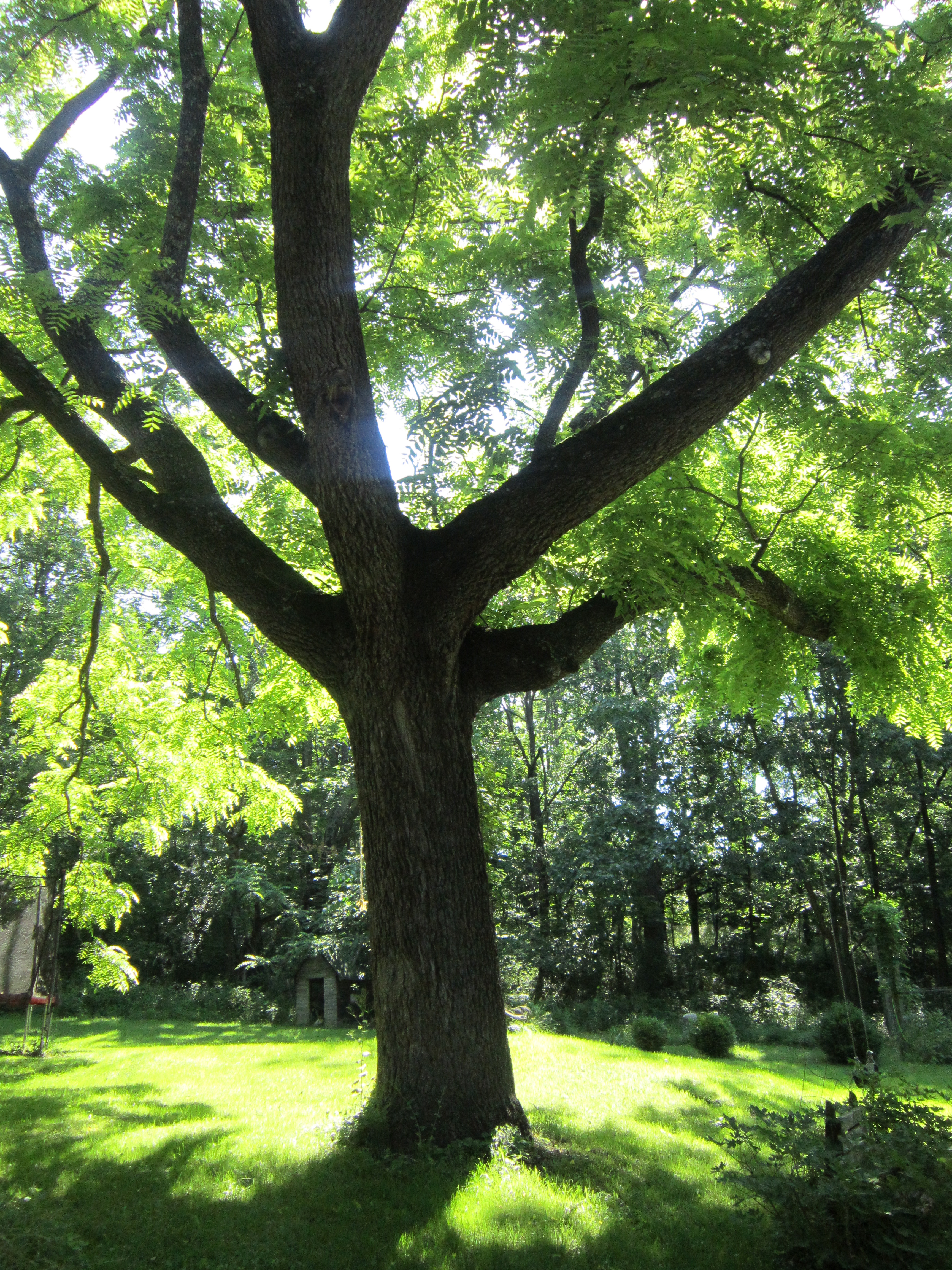
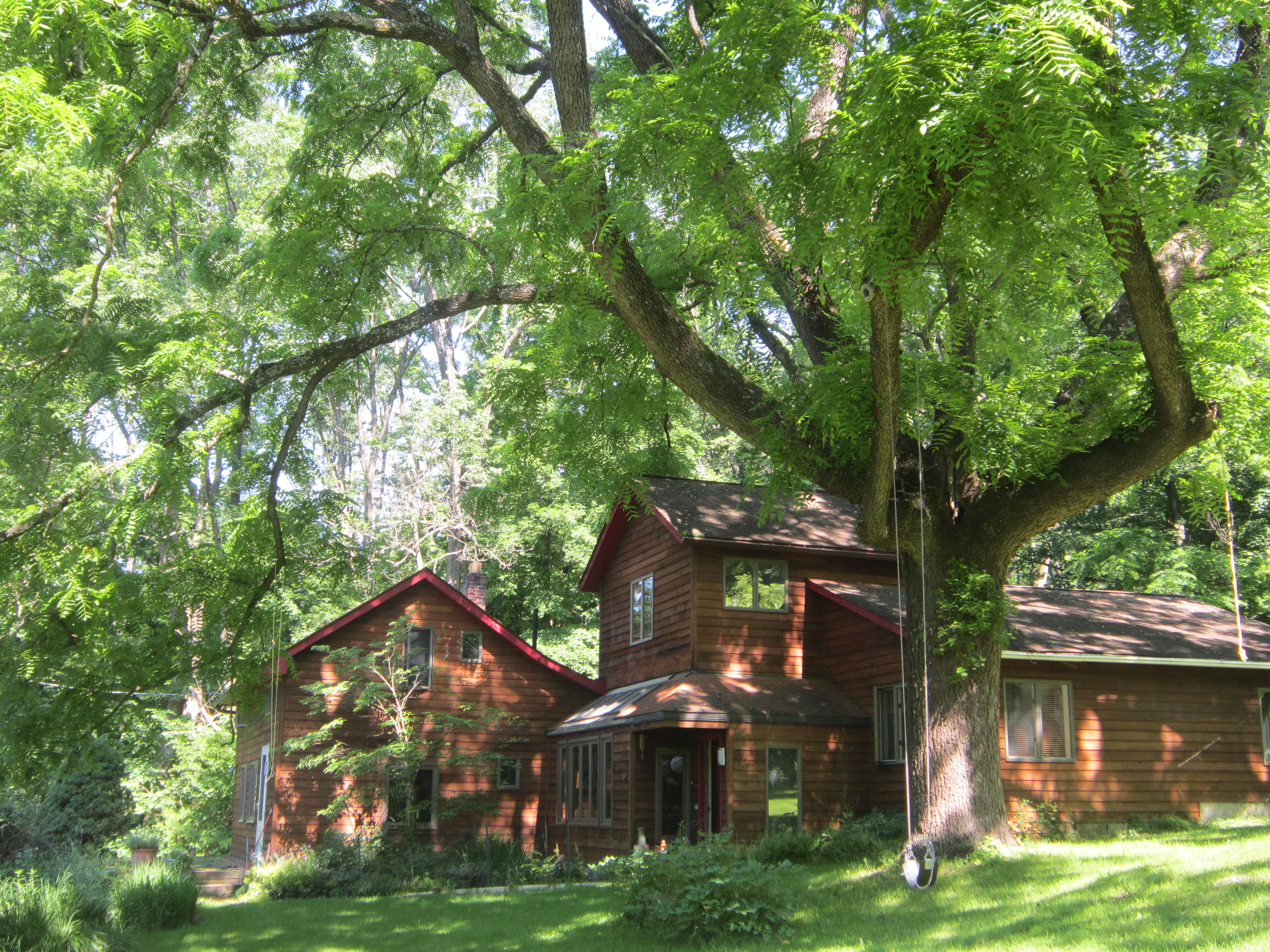
ImageThere is nothing like a tree with its seasonal shifts to work its way into the fabric of your life. The Black Walnut is a truly magnificent specimen, well over a hundred years old. It must have been a sapling, or perhaps just a nut forgotten by a squirrel, when our house was built. On the first warm day of the year, I sit on the wooden bench under its bare branches—it’s one of the last trees to leaf in spring, and one of the earliest to drop in fall—waiting for the children’s school bus to lumber up the road. My daughter jumps down the steps, backpack bumping, yelling ‘spring is here, spring is here,’ and immediately rushes to change into shorts and t-shirt. My son already has his shoes and socks off. We sit in the tree’s embrace enjoying afternoon tea and cookies, a holdover from my Irish childhood. We watch the chickadees clinging to the birdfeeders that hang from boughs in front of the kitchen window. Soon we’ll have to take them down so we don’t find our neighborhood black bear picnicking under them. No sign yet of the wren family that likes to nest in the birdhouse fixed to the deeply fissured bark of the trunk.

Our house faces south, backed by deciduous woodland where the deer lurk with evil intentions toward my flowerbeds. The entire garden is on a slope leading down from the tree line—not enough to get a good sled run, but enough to work up a sweat with a lawnmower. The Black Walnut sits in the middle of this slope, and is so conspicuous that I use it as a landmark when giving directions. Its spreading branches are an umbrella sheltering the lawn and casting a leafy shade over the kitchen windows in summer, bathing the house in a cool, green light. It’s wonderful on a hot day to lie on my back staring up through the dappled leaf-light at patches of blue sky. In winter the greenish grey limbs etched in white, stand majestically in the landscape.Image

I have an on-going love/hate relationship with the tree. As far as the branches stretch, so do the roots. They produce a toxin that is lethal to tomatoes, apples and others. If its toxin doesn’t kill plants and shrubs, its thirsty roots will. Add to that its shade shedding branches, and it doesn’t leave me much space to garden in.

Who needs a dog when you have a Black Walnut? It’s constantly shedding. Starting in late spring it sprinkles my seedling trays, set out to harden off before transplanting to the garden, with small greenish flowers and wiggly catkins. After summer storms I gather armloads of felled twigs from under its skirts. Throughout the seasons the nuthatches and woodpeckers run up and down the branches tapping away industriously and strewing chunks of moss and lichen and bark over the lawn. Well before the first frost, the leaves carpet the grass in pale yellow mounds. They are followed by wiry, foot-long, leaf stalks that don’t sit well in my compost heap. Then the nuts start falling and the garden becomes a hard-hat zone.

The walnuts form in a thick lime green, aromatic husk. As they lie on the lawn, turning it into a mine field for the unwary, they quickly rot down into a gooey, black slime, which is one of the most effective orange, brown stains I have ever encountered, impossible to wash out of socks, or off hands. I offer the kids cash rewards to pick them up in bucketfuls.

The hard-shelled nuts are supposed to be delicious. Each fall I squeeze a mound of them out of their slimy cases and set them to cure on a sunny wall. When I remember them a week or two later, the squirrels have long since made off with them. By this stage I am so sick of picking up after the tree that I don’t want to see another nut, and so, promising better results next season, I give up.

The tree is slowly dying. When the nor’easters blow I lie in bed wondering if this will be the one. A few years ago we called in arborists for estimates on trimming the branches that lean over the roof. One chap pulled up in his truck and walked around the Black Walnut shaking his head. He said the whole thing had to go. We sent him packing instead.

Eventually, the Biker for Jesus who lives down the road swung up into the branches and neatly pruned the errant limbs. The cut-up logs are waiting for my husband to make the children a wooden swing seat to hang from its sturdy limbs, and a sign for his company, aptly named, “Black Walnut.”

According to the Audubon Societies Field Guide to North American Trees the wood is ‘one of the scarcest and most coveted native hardwoods.’ Jokingly I say that when it does fall on the house we can sell the wood to mend the roof. But for better or worse, this tree is very much a part of the home we have created for ourselves.Image

The White Deer

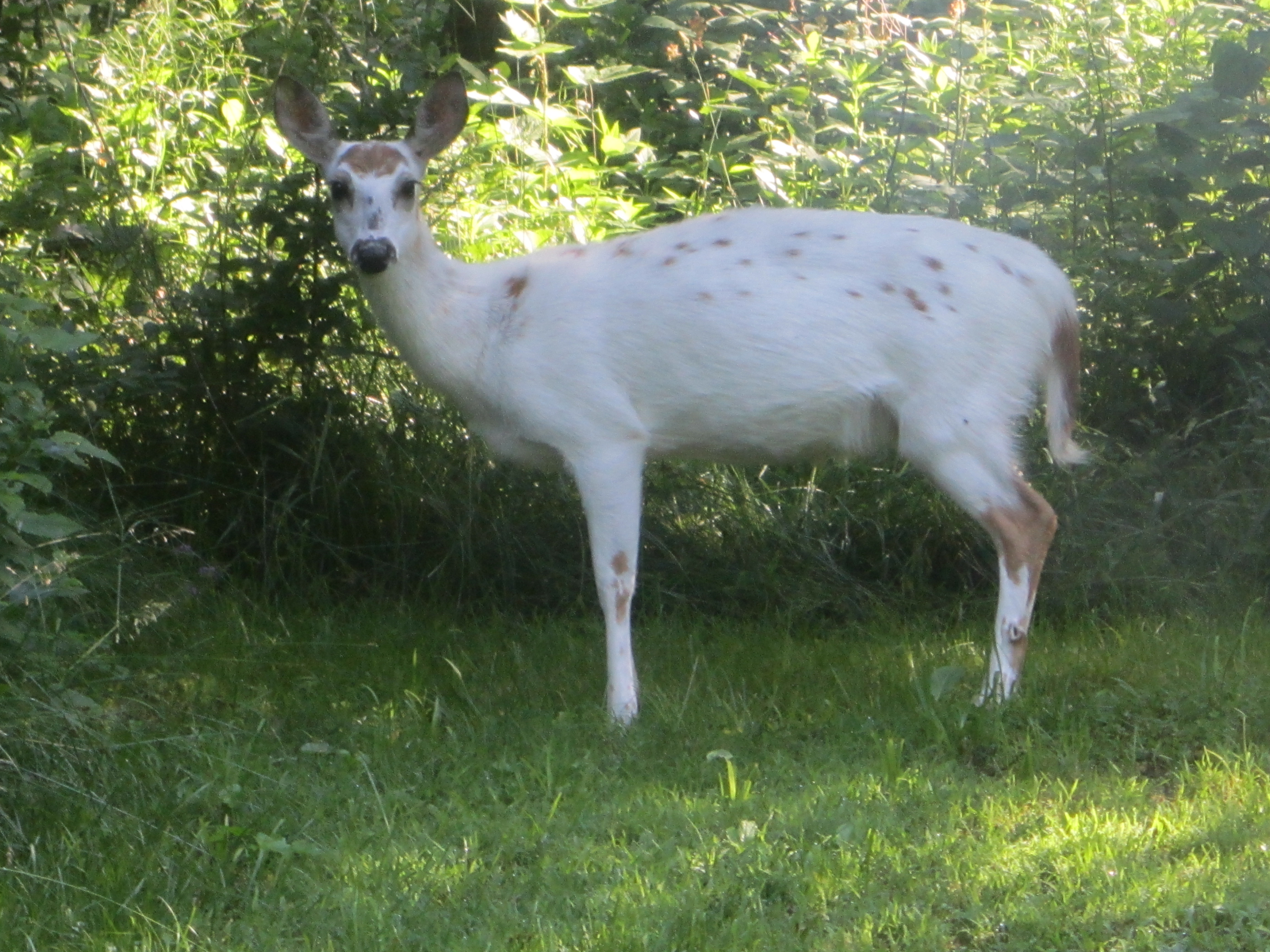
IMG_9960Everyone has a pocket of the universe where they are in their element. This brings me to the story of our white deer. It was born late—a good month after most of the does had dropped their fawns in June. She was tiny and stood out so clearly against the summer green in her snow-white coat that at first I thought she was a young goat. But what was a kid doing frolicking with a small herd of white tailed deer? It didn’t take long before the piebald buck I’d seen tramping through the woods back in the winter, came to mind—an unusual sighting. This aberrant white fawn was not an albino; she had a black nose and dark eyes. She didn’t cavort like the other fawns, but seemed to hobble as though injured. My neighbor later told me he’d watched her being born in the woods behind our house. For the longest time she didn’t stand up and he wasn’t sure she ever would. But here was living proof that she was a survivor.

I watched for that fawn all summer, fascinated by its otherness. Her mother remained with the herd—probably a close-knit family of aunts and cousins and siblings—but always on the periphery. Perhaps this was due to the fawn’s awkward gait which made it difficult to keep up, or perhaps the other deer sensed its difference and kept it on the outside of the group.

Now you have to know that there is no love lost between deer and me. All spring and summer, I rain down curses on their heads as they steadily munch their way through my garden, waiting until the moment the plants they’re not supposed to like have just begun to bloom. This little white fawn, however, had wormed its way into my affections. I was rooting for her, aware that she was the proverbial underdog. While the other fawns with their tan coats speckled with white spots blended in with the dappled shade in the woods, she was a misfit that stood out like a neon target. I waited to see what hunting season would bring.

By the late fall the other fawns had lost their newborn Bambi coloring, and like the older deer, were now well camouflaged against the monochromatic grey/brown woods. The white deer was a spindly adolescent, still well behind the other fawns in size. She often came close to the house to feed and I could see that her ears were brown and she had a smattering of tan freckles on her back—a pretty little thing. And a perfect target for a trophy kill, for those unfamiliar with the many mythic tales of the sacred nature of white deer. http://protectthewhitedeer.com/whitedeer-in-myths-and-legends

And yet she survived until the snow came. At last she was in her element. I watched her through my bedroom window, snow falling softly around her as she pawed through drifts, unearthing tufts of grass. The speckles on the coat helped her merge beautifully with the bramble thicket, while the herd, feeding beside her, stood out like, well, brown deer in a snowstorm.

IMG_0884

In stories we root for the underdog. They have so many obstacles to overcome, they need our concern, our love. We can’t help but rejoice when they find their environmental niche and thrive. And in her case, rather than shine, blend in.IMG_0891

The white doe has made it through three winters—three hunting seasons. I always watch for the flash of white in the woods around the house. Sometimes in winter I’ll look out my bedroom window at night and find her sleeping right outside. No wonder she works her way into my dreams. The other morning, a damp, green day, I looked up from my computer and watched her step out of the woods and pick her way daintily across the lawn, and there, several paces behind her was a tiny, spindly, fawn—brown with white spots. I shouldn’t have to worry about it, but I do.

IMG_5161

Balancing Act

At this time of year my garden goes bonkers. It takes on a life of its own.IMG_4935

Just enough warmth and rain has tripped the switch on new growth, and before my eyes the landscape is transformed into an acid-hued world, dripping with fecundity (love that word). When I step out the door on a mild and misty morning it feels as though, overnight, this green beast has slithered closer to the house, threatening to wraps its tentacles around it.

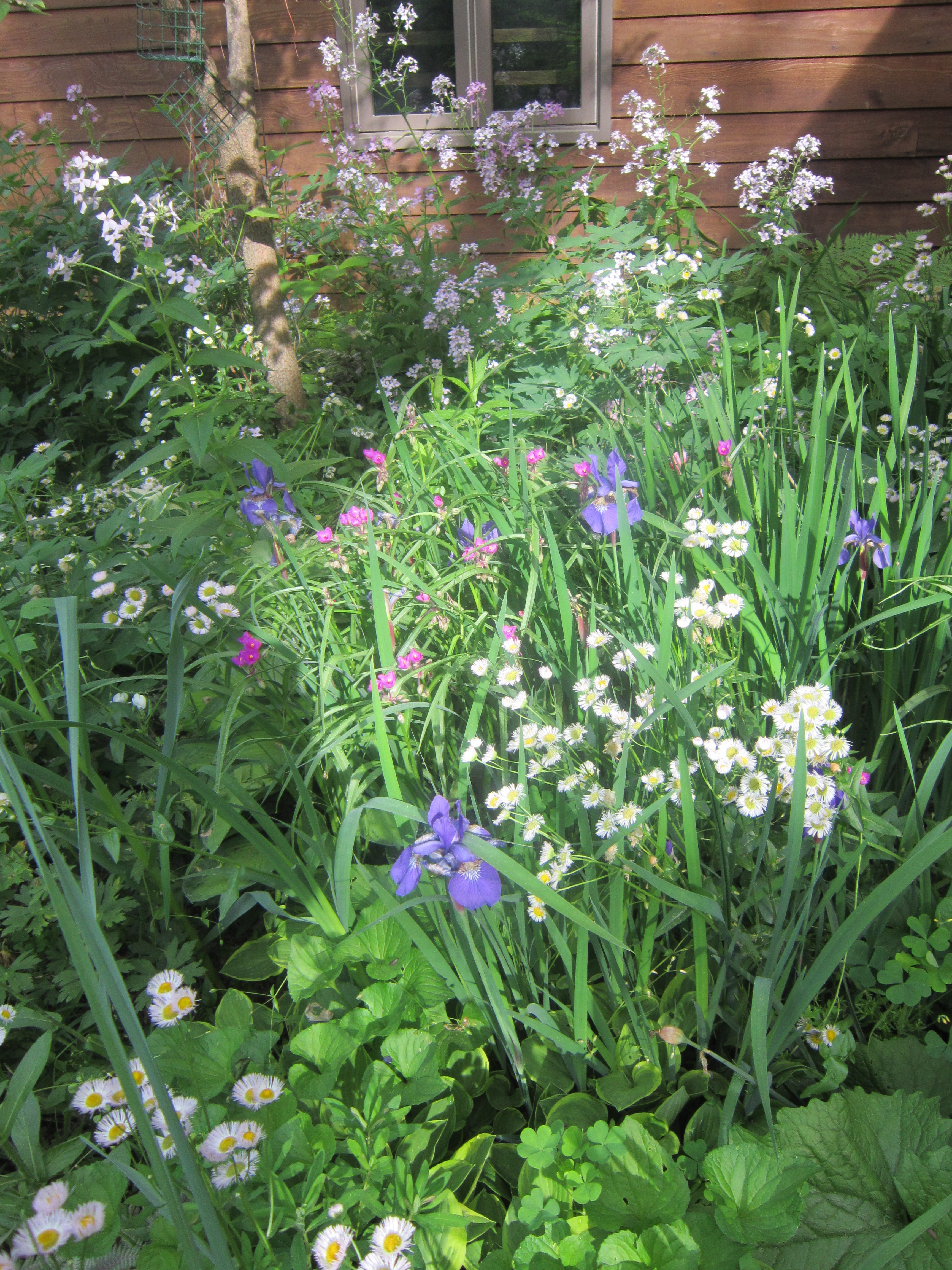
I find myself waging a battle between cultivating nature, and keeping it at bay. If I don’t get out to weed the vegetable patch at least once a week, virulent native weeds soon overrun the seedlings of spring greens.IMG_4910

And yet, how many times have I knowingly allowed pop ups from my compost heap—serendipity seedlings, I call them—take root and been thrilled by the bonus mini pumpkins or wild garlic. On my morning walks I even carry a plastic bag and spoon so that I can transplant common native wildflowers into my woodland garden. My perennial beds are full of poppy seedlings and daisies that have found their niche. I tell myself I must be doing something right when they start merrily throwing the next generation around.

IMG_4892 Everywhere I turn the concept of balance screams at me. In kick boxing class the instructor dreams up challenging balance poses to strengthen our core muscles and improve our overall physical wellbeing. The latest dietary studies exhort us to eat a balanced diet. And I swear, I strive to balance the carbs and the chocolate.

Sometimes it’s hard to know the difference between good and evil. I just read Michael Pollan’s fascinating article in the New York Times magazine: Germs, What we can Learn from our Microbiome,  about the community of microbes that colonize our bodies, keeping our bodies functioning optimally. Contrary to what our mother’s said, sometimes it’s beneficial to get down and dirty.IMG_0332

Our lives are one big balancing act: pain versus pleasure, task versus reward, reality versus fantasy. It’s a daily struggle to maintain a middle path, not to become engulfed in one thing over another, to strike the balance.DSC_0347

How true this is in the world of the writer. You have to fall in love with your characters and plot so that you can write from the heart, yet remain detached enough so that you can cut them to ribbons if that’s what it takes. Yes, you need to make time to connect with your reading audience and interact with the writing community. But when chasing the tweet dragon gets in the way of writing, you know things are out of whack. As I tug weeds in the garden, I often think how similar the process is to editing. You want to clear away enough detritus so you can see your story grow and bloom, but you don’t want to remove all those serendipity seedlings.

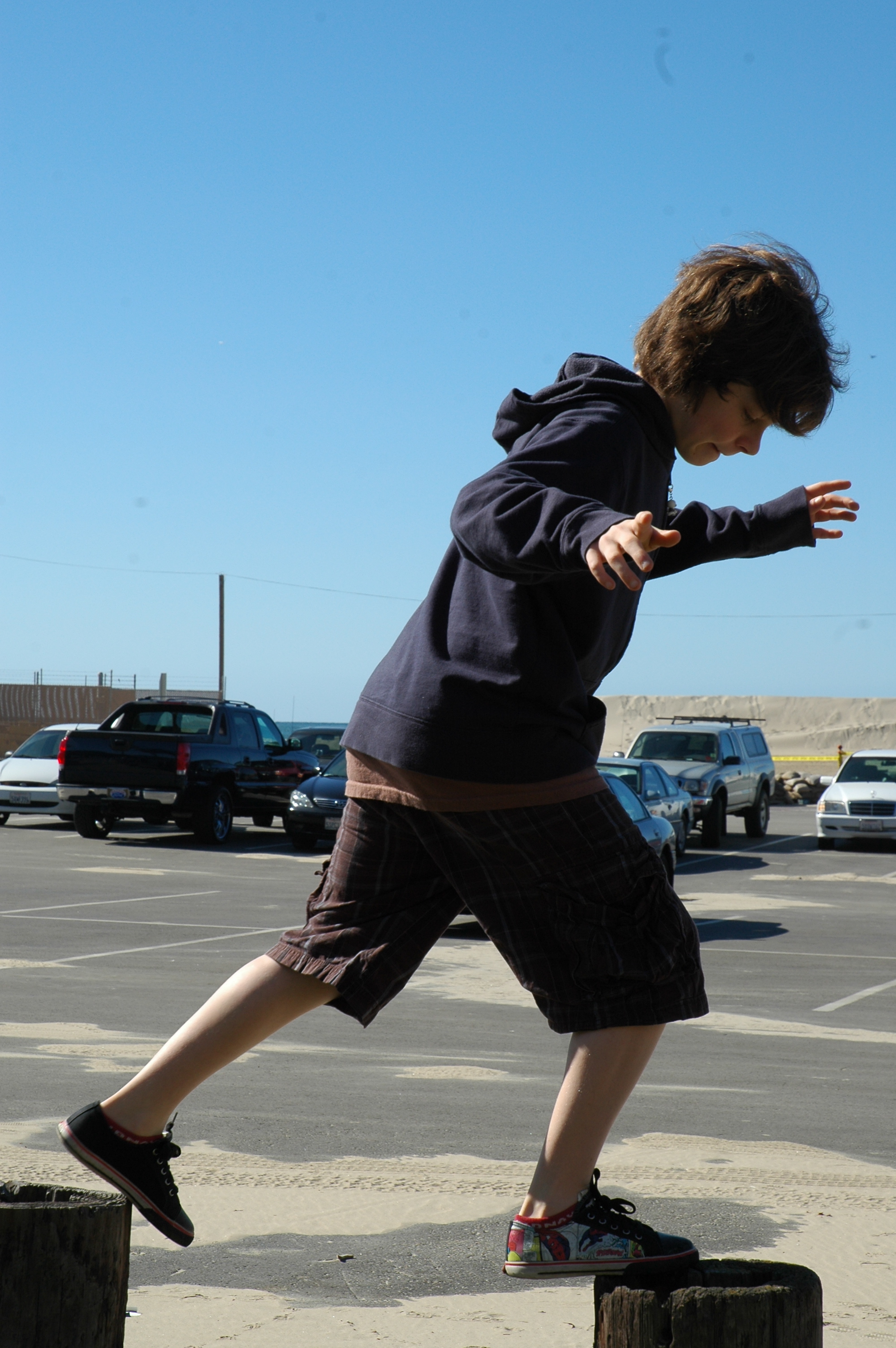
How to strike that balancing? For me, the key to standing on one leg and not collapsing in a sweaty heap of giggles is to be mindful, but not obsessive. I have to focus on gentle breathing (not the shooting pain in my hip), while staying tuned in to the big picture (the pain is worth it if it makes my butt look awesome in my new shorts). Hey, no one said it was easy!

IMG_4927


High Jinks in the Harem

IMG_3793

You’re a write eejit when you’re visiting the harem of the Topkapi Palace in Istanbul, and all you can think of is that life here must have been an endless Turkish soap opera.

Forget the sex—the depiction of the harem as a den of endless orgies and plump naked women lying around, ripe for the plucking is largely a construct of the Western imagination—can you imagine the intrigues and scandals that went down? One would give a major body organ (and some did) to be a fly on the wall in the harem.

Harem paiting

John Frederick Lewis

The harem was the main living quarters of the Sultan, his dear old Mum, sisters, wives, children, consorts, female servants, and of course his concubines. It was a world of women—with the exception of the Sultan’s most trusted eunuchs, and the young princes who remained there until they came of age. The name harem says it all: sacred inviolable place, or forbidden place.

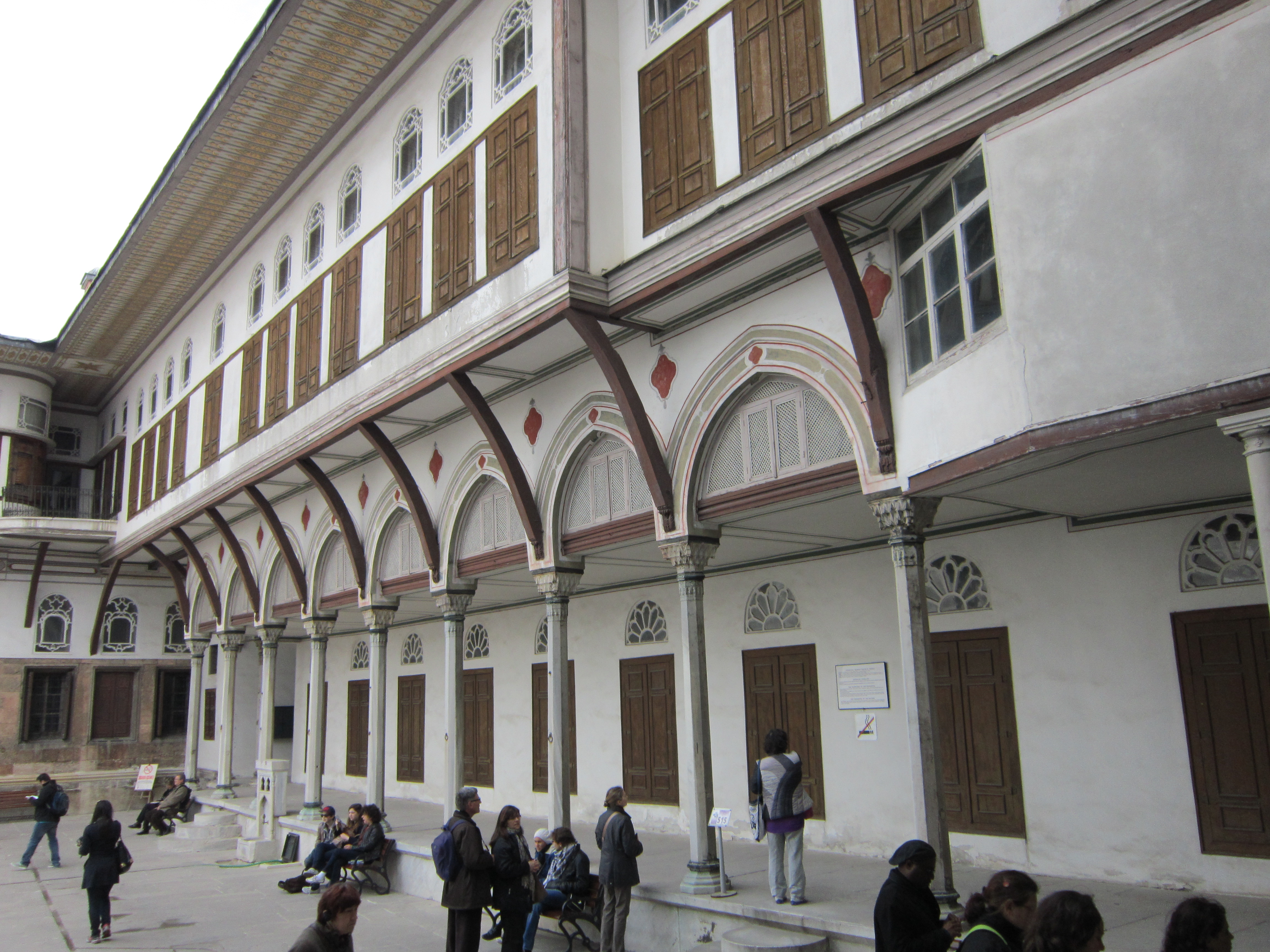
Each group had their own buildings, clustered around a courtyard. For example, The Courtyard of the Concubines, The Queen Mother’s Courtyard, or the Eunuchs Courtyard. There was a strict hierarchy in play. Novices lived on the upper floors, while senior staff, and most favored lived on the ground floor. The chummier you were with the Sultan, the closer your proximity to his chambers.

The Sultan’s mother—and yes, that would make her the mother of all mother-in-laws—wielded serious political clout, as did his wives. These lucky few could bend the ear of the Sultan in a highly confidential setting.

Courtyard of the Favourites

Courtyard of the Favourites

IMG_3816

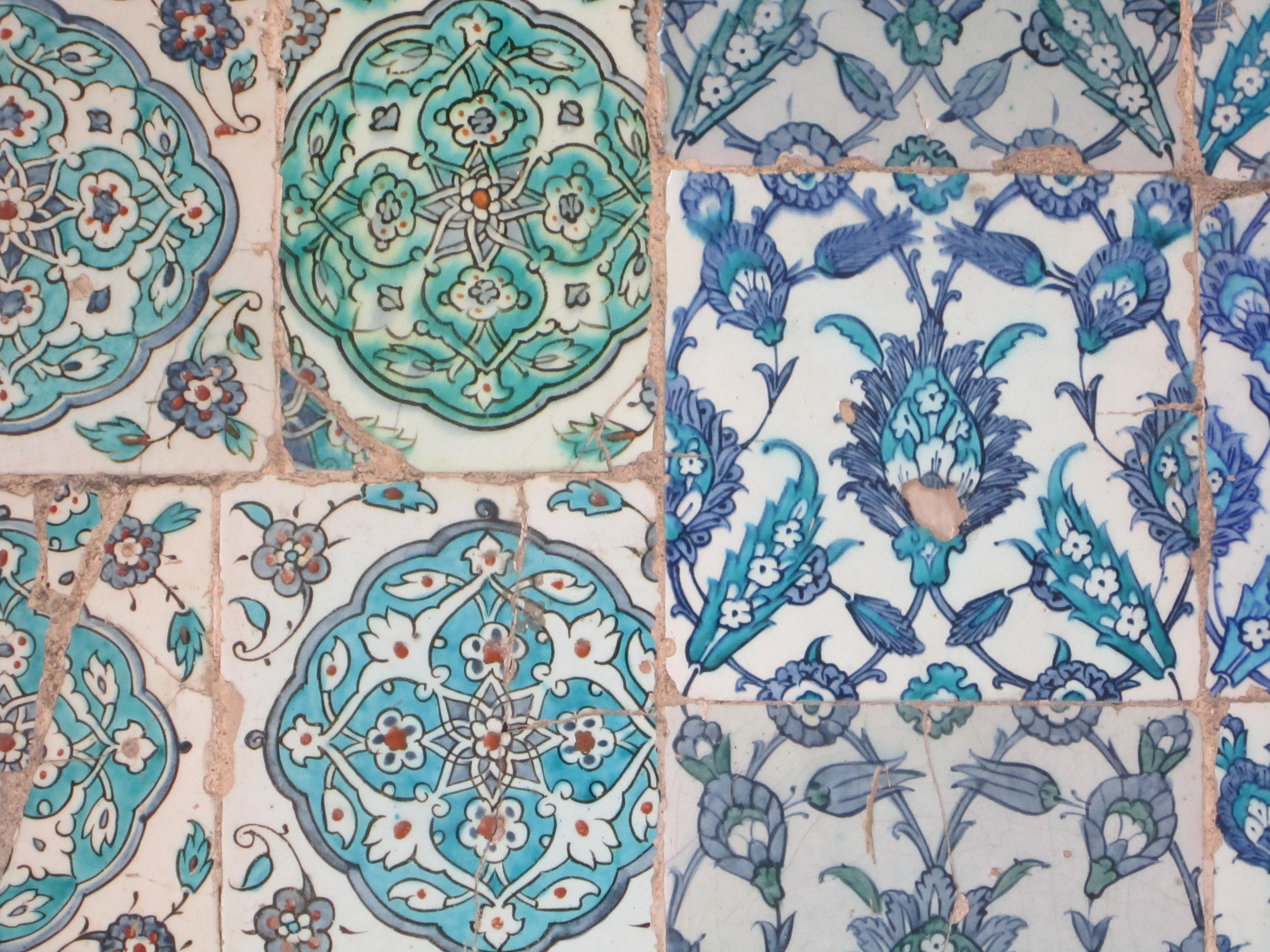
As you wander around from one stunning, tiled room to another, you can’t help imagining what it must have been like to be a young concubine in the 17th century. For a start, you’d need the prerequisite bona fides even to be considered for concubinage: be well-brought up from a family eager to curry favor with the court (or a kidnapped prisoner), young, intelligent, and relatively attractive—no hairy mustache or body odor. On arrival at the palace, you’d be handed over to a strapping, black eunuch who’d show you to your living quarters at the very top of the harem complex, far away from the luxurious quarters of the most favored consorts, and even further from the wives’ quarters, and so far away from the sultan’s boudoir you barely ever caught a glimpse of him. You’re dreams (if you weren’t pining for that cute village boy you’d left behind) of becoming one of the sultan’s favorite wives and bearing him lots of fat sons, and eventually becoming a great and powerful lady, all while leading a life of leisure and opulence, would be fading fast. You’d probably be put in charge of an older concubine who’d “aged-out” or never made it to the big leagues. And it would be her responsibility to show you all the tricks of the trade. All around you, you’d hear snippets of gossip from your fellow novices, and chatter from the eunuchs overseeing the household: who was in favor, who had betrayed a confidence, who had tried to run away. And sooner or later you’d be sucked into the daily dramas and intrigues of the harem, and find yourself succumbing to petty jealousies. Why was that snotty cow from Ephesus picked to dine with the Sultan and not me? She’s got fat ankles. Or, why did that girl with fur all over her back like a bear get to dance for the Queen Mother? You might find yourself second-guessing your special abilities; maybe my singing voice is rather like the screeching of the gulls. Or comparing yourself unfavorably to those around you: My bottom will never bounce like Zeynep’s when I walk. Before you know it, you’re in a right funk and instead of rejoicing in the good fortunes of your fellow inmates, enjoying their camaraderie, and learning from their experiences, you’re envying their success, and mixing up herbal potions to give your rivals genital warts.

Okay, so you’ve probably guessed where I’m going with this—this world is not too different from the world of writers. As we struggle with yet another rejection, it’s hard not to occasionally look on the achievements of our fellow writer’s without a touch of envy.

Permit me to flog this Turkish harem analogy to its death. Let’s plunge into the Hamam or traditional Turkish bath house. Here, in a scene that could be lifted from a Fellini movie, luscious naked women of all shapes and sizes, lounge on the heated marble slabs. Once the steam has opened the pores, the women take turns scrubbing each other, and massaging away the tensions of daily life, leaving a healthy glow of bonhomie.

As a community of writers, instead of indulging in petty jealousies and insecurities, we should all learn to be back scrubbers and ego massagers, knowing that our turn will come, and oh, how good it will feel.

IMG_3825 IMG_3854 2