Category Archives: Travel

Greek Island Adventure, Part 2

vlcsnap-2013-10-14-22h17m22s209 vlcsnap-2013-10-14-22h00m26s26

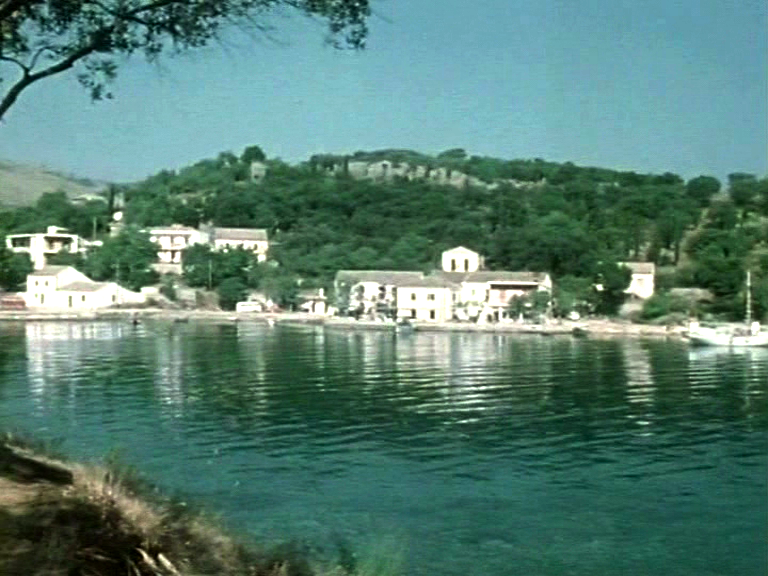
Gerald Durrell’s My Family and Other Animals is the reason my parents loaded their three young daughters and camera equipment into the back of a red VW camper van and drove across Europe to go and live on the Greek island of Corfu. The book is an uproariously funny account of the years Durrell spent as a young boy living on Corfu. He wove such a magical picture of the island and its inhabitants and his eccentric family that my parents chose it as the perfect spot for their honeymoon. They too had a wonderful adventure and vowed to return. So there we were, a decade later, rolling of the car ferry in the main town of Kekira on a chilly March morning.

Our first weeks were spent searching for a place to set up house. Spiro, a friend who worked for the island’s tourist board, showed us around his home village. Kinopiastes, a traditional village, far off the tourist track, sat in the hills looking out over fields and cypress groves to the sea and Greek mainland. My sisters and I were horrified by the ever-increasing crowd of school children that followed us, giggling and shoving to get a good look at the three Irish kids. Even though the simple three-room villa set in a family compound on the edge of the village was a good fit, we thought we’d die if we had to be exposed to that kind of scrutiny on a daily basis. Luckily, my parents didn’t heed our moans.

We’d left damp, chilly Ireland in early spring, dreaming of azure skies and sun-drenched days. In late March when we moved into the villa, with its terrazzo floors and drafty green shutters, Mum dressed us in every layer of clothing we’d brought with us. We looked like strange mummified bodies, but then most of the kids in the village did too. Young children were kept swaddled in woolly layers, like plump, cocooned moths, long after the April sun had made us shed out sweaters.

We were rather spooked by the outhouse that consisted of a wooden box perched over a hole in the ground, and especially the thought of the scorpions that lurked there, just waiting to pinch our bottoms. But we soon got used to the little pink geckoes that clung to the ceiling, illuminated by our flashlights.

vlcsnap-2013-10-14-21h43m06s105 vlcsnap-2013-10-14-22h07m48s94

It didn’t take long for us to find our niche in the village. The Gardigotti family who owned the villa and land around it had moved into a cottage on the far side of the cobbled courtyard with their three daughters. Angeliki (16), Eleni (12), and Yianoulla (4) became our constant companions and our guide to village life. Eleni and I made luscious mud pies under the giant walnut tree in the center of the yard. We chased the chickens and gathered their eggs. She showed us where the best Naspoli trees were, and how to harvest the delicious yellow fruit (throw a stick up at a clump).

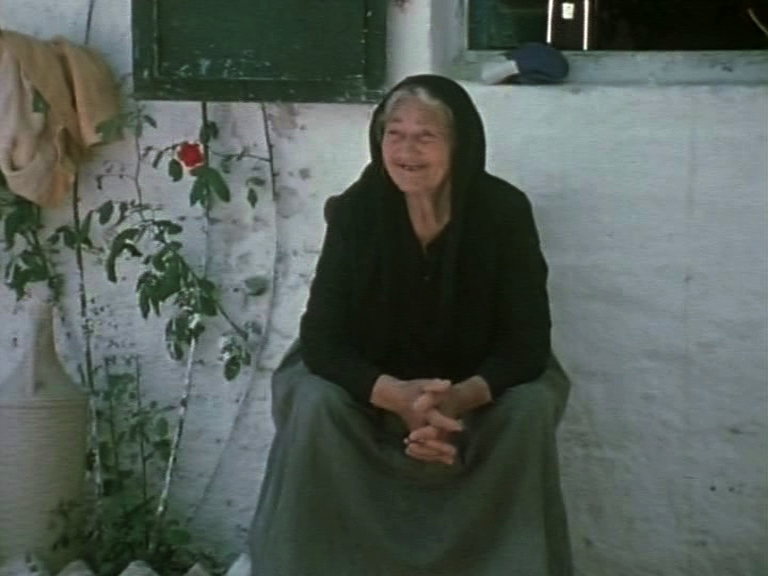
Angeliki had finished school and her job was to help out with the household chores and keep an eye on things while Katerina and Tatsi, her mother and father, were off working the fields. I loved to watch her scrubbing the family’s clothes into a sudsy lather on the wooden washboard over a tub in the yard, all the while making sure her little sister wasn’t getting into too much trouble. Yaya, in her black widow’s weeds, was never far away and was always ready to wag a disapproving finger, or show her wonderful toothless smile at a good piece of gossip.

vlcsnap-2013-10-14-22h11m53s215 vlcsnap-2013-10-14-22h13m37s232

After school let out for the day, Eleni and a small crowd of village children in their sky blue uniforms would lead us through the winding backstreets of the village, stopping to introduce us to shopkeepers, family, and friends. We soon learned to find our own way around, picking up useful Greek phrases along the way.

One of my favorite jobs was to fetch the bread from the bakery with my sisters. Before breakfast we’d gallop down the whitewashed side streets. The baker and his wife would be taking the fresh bread out of the oven on long wooden paddles. The whole place was shrouded in a fine layer of white flour. If you got up extra early, before the roosters started crowing, you could walk through the silent streets in time to catch the baker before he put the loaves in the oven. Then he would give us a lump of pale, yeasty dough to take home and fry in olive oil and sprinkle with lemon and sugar—the best doughnuts in the world. But on a regular morning, we’d fight over who got to carry the hot loaf. It never made it home intact. We’d gouge out fistfuls to gnaw on our return trip, while running the gauntlet of the grandmothers sitting on their steps wanting to pinch our cheeks and stuff lemons in our pockets.vlcsnap-2013-10-14-22h02m50s148

Mum and Dad wasted no time in getting down to the serious business of touring the island in the van to record the signs of spring that were everywhere. In the olive groves women picked the remaining olives from the new grass under the trees. Meadows were full of spring flowers and peach and almond blossom. Families worked together planting potatoes and tilling the soil around the vines. The last of the oranges and lemons lay in the ditches, free for the picking. At the end of the day, a procession of heavily laden donkeys, attended by their owners, would return to the village burdened down with sacks of olives and mountains of fodder or fresh-cut horta (dandelion greens).

vlcsnap-2013-10-14-22h06m53s62 vlcsnap-2013-10-14-22h05m17s94

We set up camp beside a pond where the percussive croaks of the tree frogs kept us awake all night. With nets and collecting jars, we waded through the shallows, exclaiming over each new find. We scooped up newts and turtles and water beetles to examine at home.

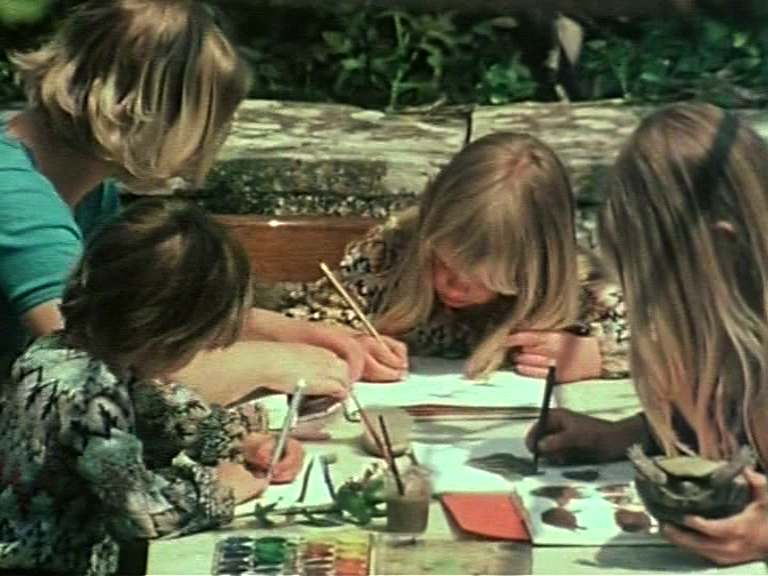
Outside the villa was a long stone table set beneath a knotty trellis of grapevines, still bare of leaves. Here, our morning lessons took place with Mum, which largely consisted of recording in our diaries all that we had seen. Dad set up an aquarium so he could film and we could study the pond life before returning it to the wild. We examined each creature, reading about them in guidebooks, and then drew pictures of them. The village children were cautious at first. But when they saw us handling the toads and newts, they soon lost their fear. They would tell us the Greek names and we would tell them the English.
vlcsnap-2013-10-14-20h35m43s139 vlcsnap-2013-10-14-20h44m33s32

Much of the fauna we encountered was new to us. Our squeals of joy were earsplitting when we found our first tortoise. Soon we had a temporary pen full of them under the mulberry tree, whose fruit they adored. We would watch the females being literally turned turtle by sex-crazed males, eager to mate.
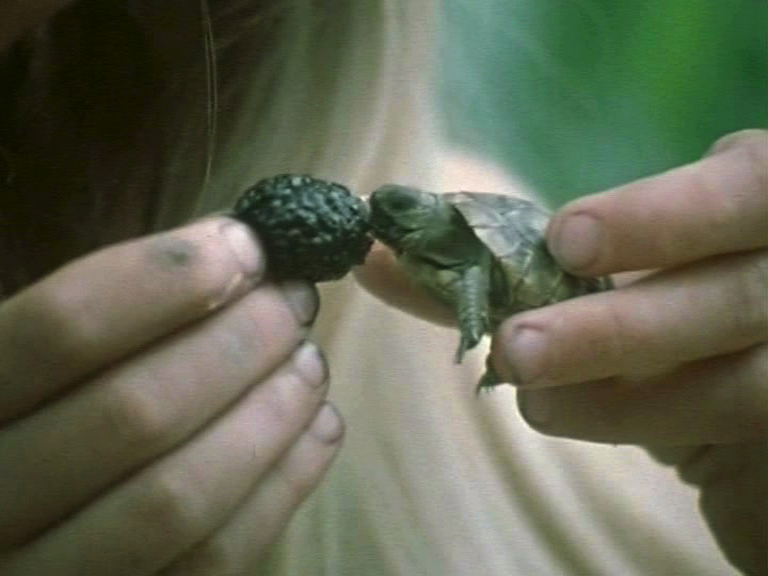
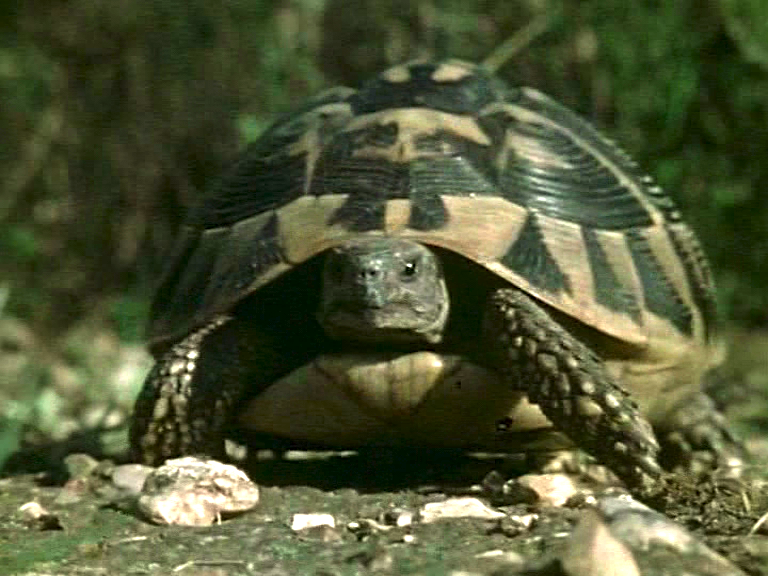
vlcsnap-2013-10-14-22h10m27s143 vlcsnap-2013-10-14-22h09m31s77

We tagged along with Angeliki when she went to tether the sheep and goats on a fresh patch of spring grass, charmed by the their newborn lambs and kids. And we were eager to help feed the plump baby rabbits. Little did we know we were helping fatten up the Easter feast!

All images from Yassu, Corfu by David & Sally Shaw-Smith

                                    To be continued.

VW Bus, Our Hippie Adventure, Part 1

800px-Vw_transporter_t2b_v_sst2_771-2

I know I must be hitting middle age because tsunami’s of nostalgia keep washing over me. The latest was prompted by the news that Brazil, the last remaining country to produce the Volkswagen camper van, also known as the hippie bus, is to end production after 57 years.

My seven-year-old excitement knew no bounds when Dad roared up the avenue in the second-hand, red VW bus. Our family was preparing to leave soggy Ireland to go and live on the Greek island of Corfu for six months. The bus was to be our home during the drive across Europe. Once there, it would become a mobile production unit while Mum and Dad made a series of documentaries on the people, history, and wildlife of the island. This was 1972 and I didn’t even know what a hippie was, but Mum and Dad with their three little girls packed into a VW bus must have fit the mold.

Mum set to work sewing bright orange curtains for the windows. Soon, with the film equipment stashed under the seats, we were off to catch the ferry to England. London in the early 1970’s was a psychedelic experience. I remember sleeping on the floor of a musician friend of my parents. It was all Indian prints and sitars and smelly incense, and it blew my provincial Irish mind. I lay on a makeshift bed on the floor gazing, transfixed at the first lava lamp I’d ever seen. But that was nothing compared to the thrill of driving up the ramp into the hovercraft that would take us across the English Channel from England to France, and feeling the airbags inflate beneath me, before skimming across the sand flats and splashing into the sea.

trip map 1

We were on a very limited budget, so, even though it was March and freezing, all five of us spent our first night in Paris squished into the back of the van. To pee, we had to get out and squat in the gutter, much to the horror of the early dog walkers—their dogs got to poop on the sidewalks! Not surprisingly, after that we graduated to cheap hotels, at least one of which doubled as an up market brothel as my older sister later informed me.

In France my sisters and I discovered bidets, fizzy water, and Nutella. Who knew you could eat bread and chocolate? Surely an invention of the gods. Bolsters, on the other hand, were a form of torture, only good for annihilating your sisters in a pillow fight.

The van chugged valiantly across France and into Switzerland, where the heater conked out. By now it had truly become our mobile playground, filled with books and sketchpads and colored pencils. Entertainment was never hard to find. When my sisters and I got tired of squabbling, we could sit for hours gazing out the window at the passing scenery, marveling as we climbed up into the Alps at the snow-filled valleys. Until then I had never seen more than a dusting of the white stuff. Once we had driven through the Great Saint Bernard Tunnel and crossed into Italy, we begged to stop so we could sink, up to our uxters, in the snowdrifts at the side of the road.

On the outskirts of Turin, the driver’s window of the van got stuck, allowing in icy blasts of air. While it was being repaired, we spent a night at a wonderfully old and creaky hotel, undoubtedly haunted. Much to our delight, several black cats slept in a basket on the wooden counter that served as a front desk.

Riding the vaparetto through the canals of Venice, I felt like I’d stepped into a Richard Scarry book. They had water taxis, water ambulances, water police, and of course, gondolas. In St. Mark’s Square, on a chilly March day, the pigeons were more numerous than the tourists. We giggled as hordes of them descended on our outstretched hands to nibble the corn kernels we offered them. I still have the miniature glass goose I watched the glassmaker swirl out of yellow and black glass.

On the outskirts of Rome, my parents looked up an acquaintance. Unfamiliar with the eating habits of small children, he took us to a fancy Italian restaurant and plied us with Parma ham and slivers of dolphin meat. My devious seven-year-old brain went into action. At one point my mother turned and praised me for trying the unusual food. Little did she know there was a pile of discreetly rolled Parma ham deposited under the chair of the corpulent Italian gentleman at the next table.

My sisters and I fell in love with the Botticelli’s in the Uffizi Gallery in Florence. From the windows of the museum we looked out over the Arno River and the Ponte Vecchio and marveled at the golden carp swimming below us. Whenever I see a Botticelli, I think of those golden fish.

Arriving in Rome late at night, we huddled in the backseat while Mum and Dad fought bitterly over the frustrating one-way system. When we finally found a hotel room, it was well past midnight and all the restaurants were closed. The owner, a cranky old English fart, said, ‘I hope your children don’t wet the beds,’ much to our indignation. We sat in bed eating handfuls of raisins and sipping watered-down whiskey. (I suspect that my parents merely wanted a bit of peace and quiet, but it’s possible that that is where I first acquired a taste for the smoky, burnt caramel flavor.) The next morning we began our Roman adventure with breakfast on the roof terrace of the hotel, overlooking Roman ruins, filled with cats dining on spaghetti provided by little old ladies.

The van roared past Naples and Mount Vesuvius in a hell-for-leather attempt to catch the ferry at Brindisi for the island of Corfu—our new home for the next six months.

It’s funny how of all the amazing ruins and sights we must have seen, these are the ones that stick in the crevices.                           Untitled1                     To be continued.

High Jinks in the Harem

IMG_3793

You’re a write eejit when you’re visiting the harem of the Topkapi Palace in Istanbul, and all you can think of is that life here must have been an endless Turkish soap opera.

Forget the sex—the depiction of the harem as a den of endless orgies and plump naked women lying around, ripe for the plucking is largely a construct of the Western imagination—can you imagine the intrigues and scandals that went down? One would give a major body organ (and some did) to be a fly on the wall in the harem.

Harem paiting

John Frederick Lewis

The harem was the main living quarters of the Sultan, his dear old Mum, sisters, wives, children, consorts, female servants, and of course his concubines. It was a world of women—with the exception of the Sultan’s most trusted eunuchs, and the young princes who remained there until they came of age. The name harem says it all: sacred inviolable place, or forbidden place.

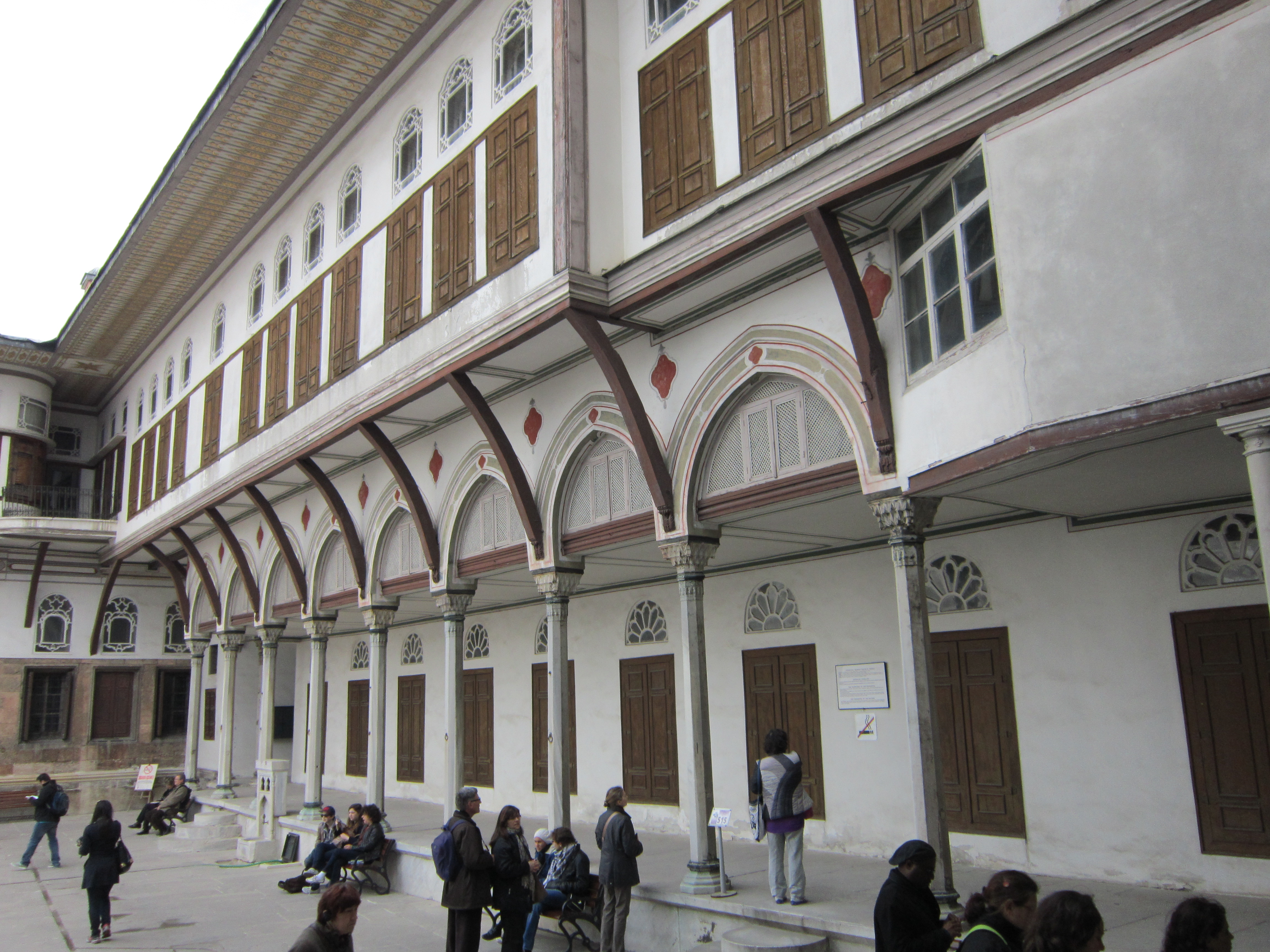
Each group had their own buildings, clustered around a courtyard. For example, The Courtyard of the Concubines, The Queen Mother’s Courtyard, or the Eunuchs Courtyard. There was a strict hierarchy in play. Novices lived on the upper floors, while senior staff, and most favored lived on the ground floor. The chummier you were with the Sultan, the closer your proximity to his chambers.

The Sultan’s mother—and yes, that would make her the mother of all mother-in-laws—wielded serious political clout, as did his wives. These lucky few could bend the ear of the Sultan in a highly confidential setting.

Courtyard of the Favourites

Courtyard of the Favourites

IMG_3816

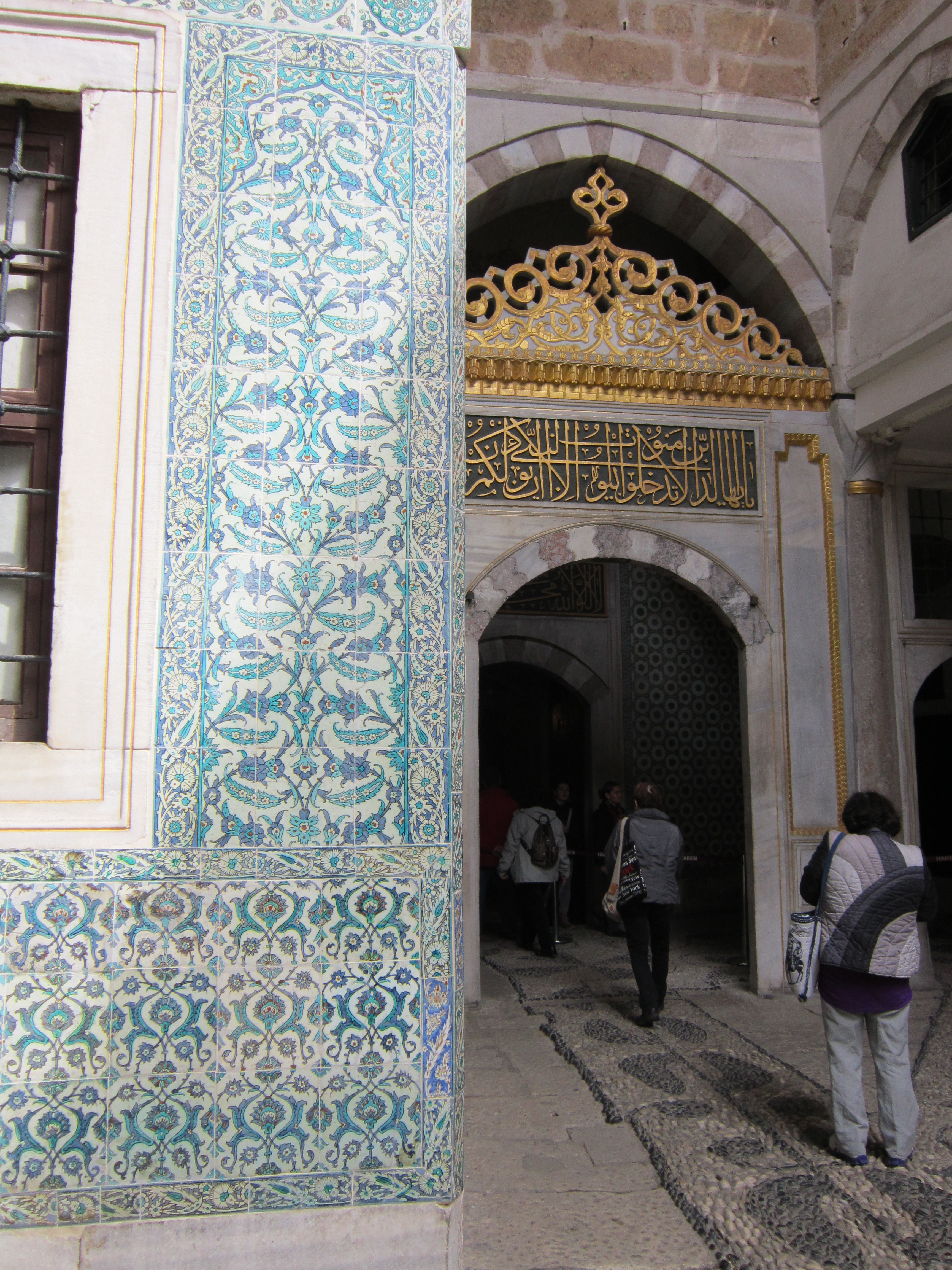
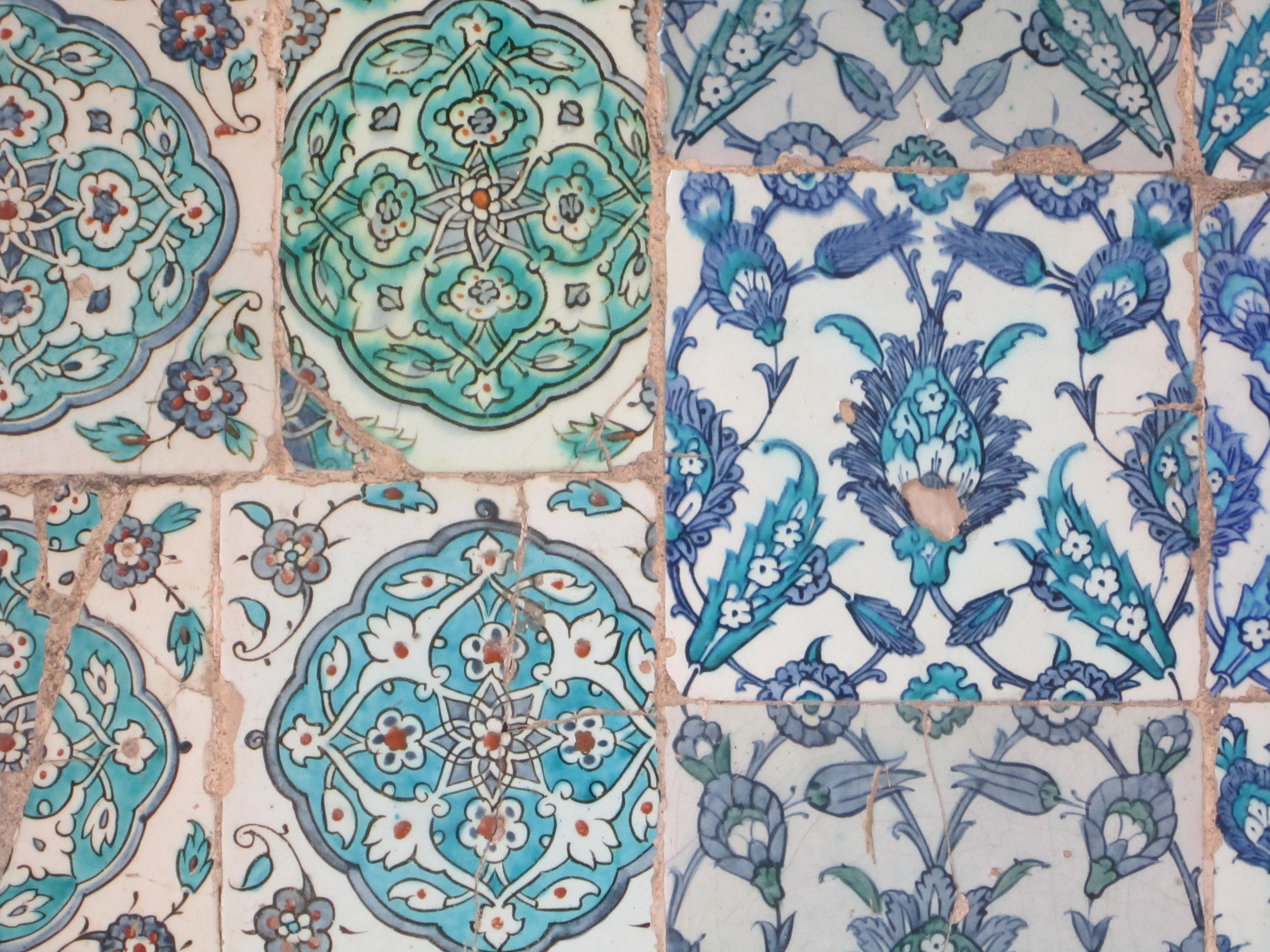
As you wander around from one stunning, tiled room to another, you can’t help imagining what it must have been like to be a young concubine in the 17th century. For a start, you’d need the prerequisite bona fides even to be considered for concubinage: be well-brought up from a family eager to curry favor with the court (or a kidnapped prisoner), young, intelligent, and relatively attractive—no hairy mustache or body odor. On arrival at the palace, you’d be handed over to a strapping, black eunuch who’d show you to your living quarters at the very top of the harem complex, far away from the luxurious quarters of the most favored consorts, and even further from the wives’ quarters, and so far away from the sultan’s boudoir you barely ever caught a glimpse of him. You’re dreams (if you weren’t pining for that cute village boy you’d left behind) of becoming one of the sultan’s favorite wives and bearing him lots of fat sons, and eventually becoming a great and powerful lady, all while leading a life of leisure and opulence, would be fading fast. You’d probably be put in charge of an older concubine who’d “aged-out” or never made it to the big leagues. And it would be her responsibility to show you all the tricks of the trade. All around you, you’d hear snippets of gossip from your fellow novices, and chatter from the eunuchs overseeing the household: who was in favor, who had betrayed a confidence, who had tried to run away. And sooner or later you’d be sucked into the daily dramas and intrigues of the harem, and find yourself succumbing to petty jealousies. Why was that snotty cow from Ephesus picked to dine with the Sultan and not me? She’s got fat ankles. Or, why did that girl with fur all over her back like a bear get to dance for the Queen Mother? You might find yourself second-guessing your special abilities; maybe my singing voice is rather like the screeching of the gulls. Or comparing yourself unfavorably to those around you: My bottom will never bounce like Zeynep’s when I walk. Before you know it, you’re in a right funk and instead of rejoicing in the good fortunes of your fellow inmates, enjoying their camaraderie, and learning from their experiences, you’re envying their success, and mixing up herbal potions to give your rivals genital warts.

Okay, so you’ve probably guessed where I’m going with this—this world is not too different from the world of writers. As we struggle with yet another rejection, it’s hard not to occasionally look on the achievements of our fellow writer’s without a touch of envy.

Permit me to flog this Turkish harem analogy to its death. Let’s plunge into the Hamam or traditional Turkish bath house. Here, in a scene that could be lifted from a Fellini movie, luscious naked women of all shapes and sizes, lounge on the heated marble slabs. Once the steam has opened the pores, the women take turns scrubbing each other, and massaging away the tensions of daily life, leaving a healthy glow of bonhomie.

As a community of writers, instead of indulging in petty jealousies and insecurities, we should all learn to be back scrubbers and ego massagers, knowing that our turn will come, and oh, how good it will feel.

IMG_3825 IMG_3854 2

Cotter Pin

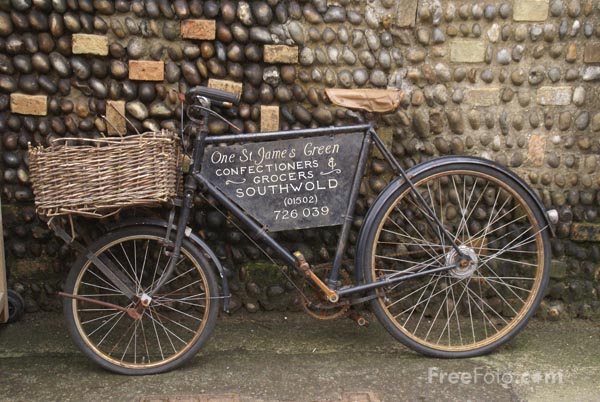
1bike2 Old Bicycle

You’re a write eejit when your cotter pin takes a hike.

One summer I was waiting tables in Montauk, Long Island. I bought a cheap bicycle to get from my flop pad to the beach to the restaurant. It worked, barely. Some sage person advised me that the reason items of machinery (the names of which I am not privy to) clicked around and around when I pushed down on one of the pedals, getting me nowhere fast, was because my cotter pin was missing. Well, today, the cotter pin that keeps my brain from banging around in my skull failed to report for duty. You know that feeling when your gears are spinning but not engaging?

I faffed—don’t you just love that word—around for the day. I poked at my latest query letter. Godricks jockstrap, they’re hard to write! Why are there fifteen ways of saying anything?

The clichéd: When Miranda loses her boyfriend to sexpot Lavinia, it can only mean one thing—she must discover her inner diva and fight back.

The colloquial: Miranda goes apeshit and swears she’ll get her pound when Lavinia, the local ho, jacks her two-timing piece of sh*@ fella . . .

The businesslike: Miranda’s boyfriend cheats on her with the popular girl in town. Miranda takes up pole dancing and swears revenge.

Okay, lame examples, but you get my point. Not a task to be undertaken when your cotter pin is slipping.