Early sunlight seeping around the curtains.
Blackbird singing. Day beckoning.
Slip out of sleeping house.
Shimmering jewels of dew on the grass.
Wet ankles.
Air fragrant with spring.
Pass the Hawthorn tree dropping damp blossoms on the lawn.
Discover pale yellow primroses on the bank by the river.
Inhale sweet, honey scent.
Inspect the hollow in the willow—cushions of moss for fairies to dance on.
Watch small brown trout in the shallows.
Climb up through the woods.
Soft pine needles underfoot.
Breeze sowing in the tops of the trees.
Tip-toe into the wild garden.
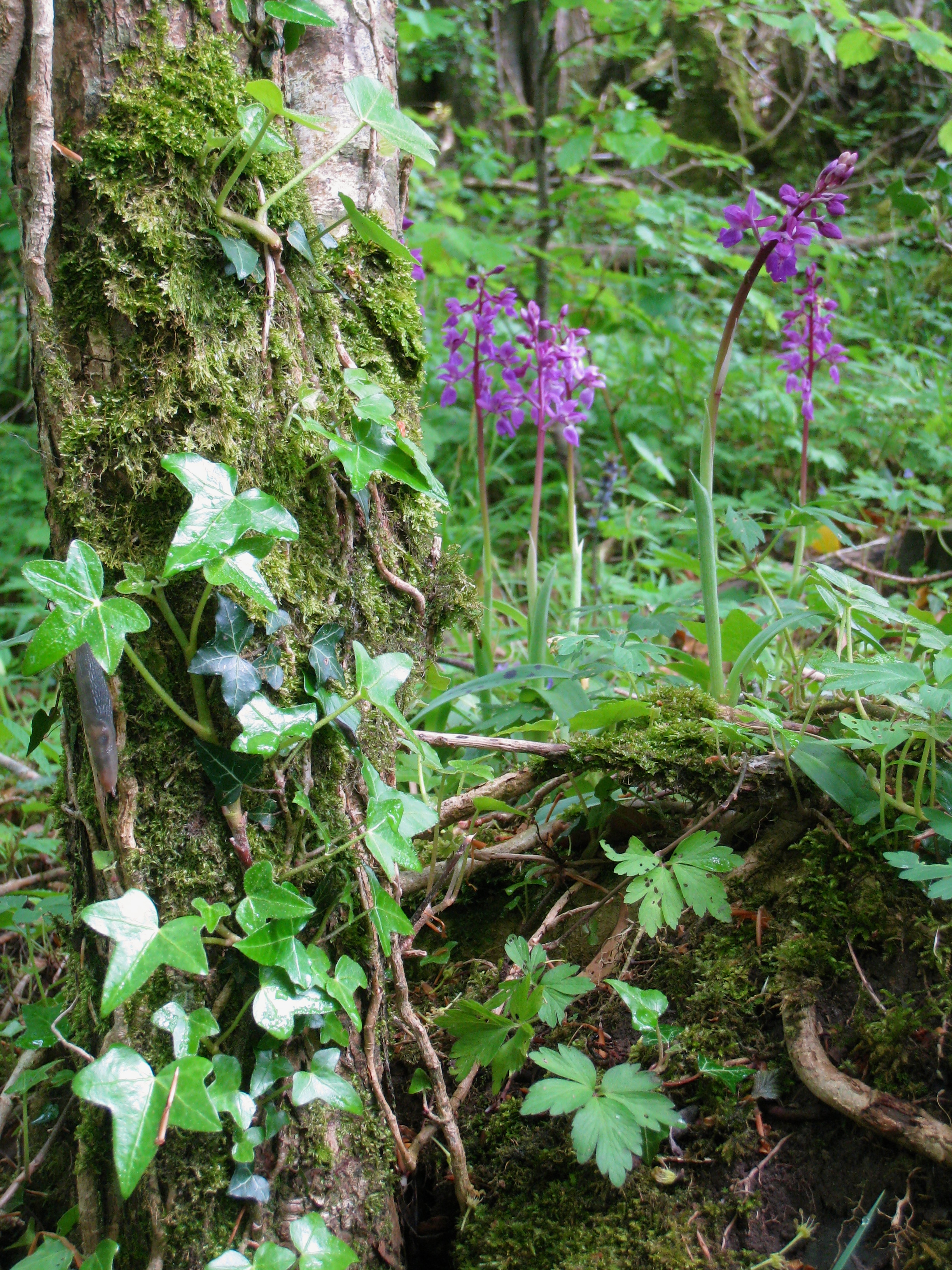
Peonies buried in a tangle of long grass.
Irises blooming through clumps of stinging nettles.
Startle a heron at the overgrown pond.
Poke amongst the duckweed for fat, black tadpoles.
Jump and jump to snatch a branch off the cherry tree,
Laden with heavy pink flowers.
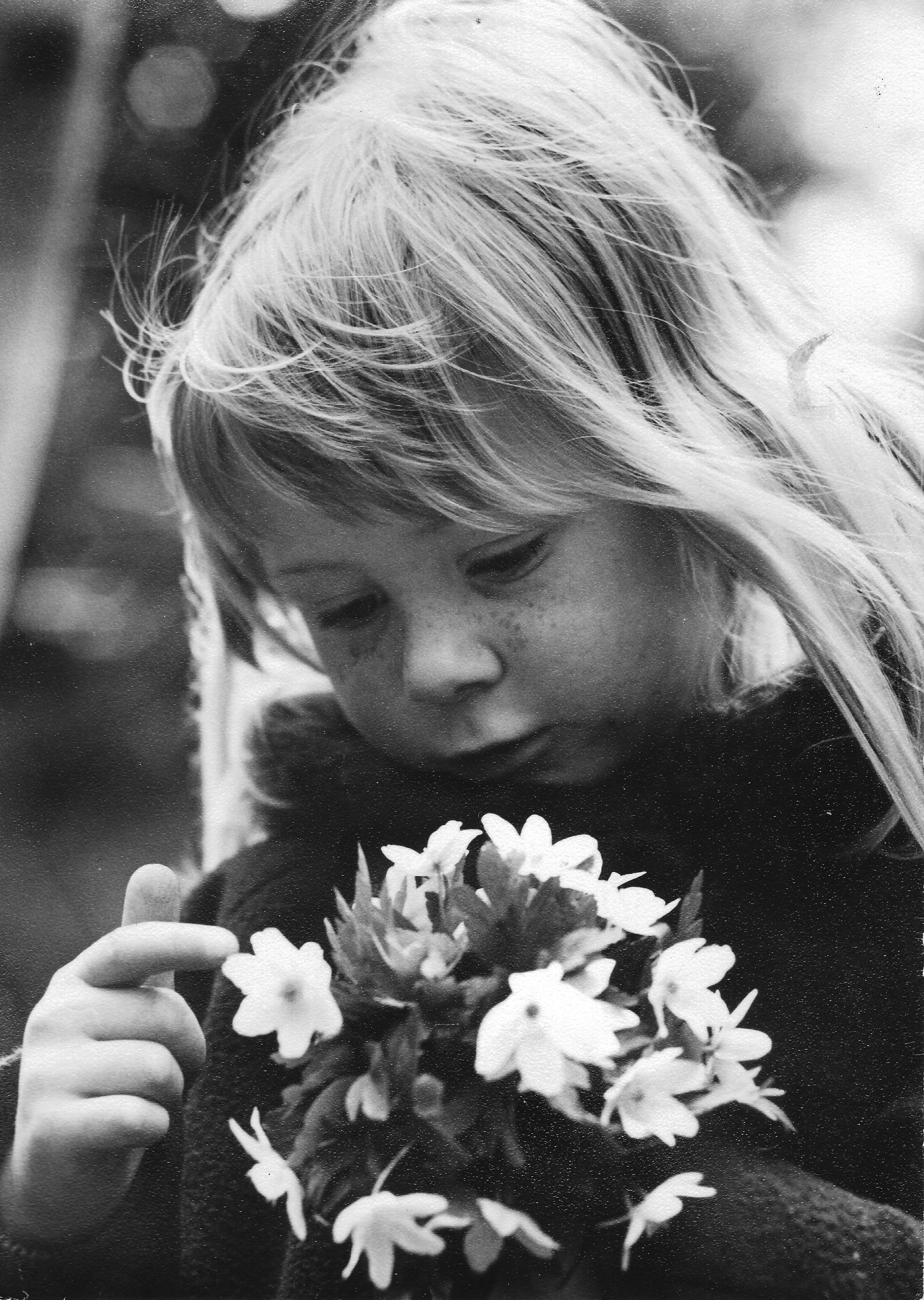
Add it to the posy of violets and primroses.
Home in time for breakfast.
Category Archives: Write Eejit
DANDELION
A little girl handed me a limp, browning dandelion the other day. “You need to put it in water,” she said, smiling hopefully. I knew the sentiment all too well. How often had I fallen victim to the lure of a lawn strewn with fuzzy golden flowers and picked handfuls to stuff in jam-jars, only to discover how short-lived their splendor was once picked.
For the past week, on sunny days, I’ve taken a bowl out to the garden and plucked the heads off the freshly opened dandelions. No, it’s not some manic, pesticide free attempt to remove them from my lawn. I’m storing them in bags in my freezer until I’ve accumulated enough to give to a friend to make dandelion wine. I can’t wait to taste the results.
The name, from the French dent-de-leon, or lion’s tooth, refers to the jagged shape of the dandelion leaves. When I was a kid, I spent hours picking these greens to feed my pet rabbit and tortoise. I learned early on that the white sap that oozes out of the stem is not only sticky, but permanently stains clothing brown! But I still can’t pass a lush bunch without having the urge to pick them. Packed with vitamins and minerals, these leaves make a delicious dish. I first tasted horta—spring dandelion leaves cooked with tons of garlic and lemon juice and olive oil—when living in Greece as a child.
The dandelion has been used medicinally for centuries, and all parts of it are edible. One of its many names is pee-the-bed, for the diuretic effects of ingesting the dried root. It’s far from being merely a humble weed, and yet, this is the plant that herbicide makers love to target in their advertising. Of the numerous names for the dandelion, found in most languages, my favorite is from the Persian, qasedak, meaning small postman because it brings good news.
The First Dandelion.
Simple and fresh and fair from winter’s close
emerging,
As if no artifice of fashion, business, politics,
had ever been,
Forth from its sunny nook of shelter’d grass—
innocent, golden, calm as the dawn,
The spring’s first dandelion shows its trustful
face.
–WALT WHITMAN.
A GREEN FOOL
When you think of 20th century Irish poets who embody the notion of rural Ireland, Seamus Heaney is probably the first name that comes to mind. Granted, he was a marvelous poet who deserves his acclaim, yet there are others.
Patrick Kavanagh was one such poet. The fourth of ten children, he was raised on a small farm in Co. Monaghan. He left school at 13 to apprentice to his father, a shoemaker, and to work on the farm.
To say he was a conflicted poet is to put it lightly. His poetry was born out of the stony grey soil of Monaghan. He managed to capture the rural life in its bare-bones beauty, while at the same time railing against it. He escaped to Dublin when he was twenty-eight, and for a self-proclaimed peasant, he went a long way to expand his horizons. I suspect he was not always a pleasant fella to be around—hard drinking, belligerent, with a huge chip on his shoulder. But it is the poetry that counts.
At the age of fifty, he had a lung removed to stave off cancer. Convalescing, he would sit on the banks of the Grand Canal that runs through Dublin. And it is here that he seems to have finally come to some kind of peace with the rural landscape that he was so deeply rooted in.
CANAL BANK WALK
Leafy-with-love banks and the green waters of the canal
Pouring redemption for me, that I do
The will of God, wallow in the habitual, the banal,
Grow with nature again as before I grew.
The bright stick trapped, the breeze adding a third
Party to the couple kissing on an old seat,
And a bird gathering materials for the nest for the Word
Eloquently new and abandoned to its delirious beat.
O unworn world enrapture me, encapture me in a web
Of fabulous grass and eternal voices by a beech,
Feed the gaping need of my senses, give me ad lib
To pray unselfconsciously with overflowing speech
For this soul needs to be honoured with a new dress woven
From green and blue things and arguments that cannot be proven.
THE ROLE OF MEMORY IN STORYTELLING
My youngest son just turned seven. Watching him play with his birthday Lego, it dawned on me that he has reached my memory lifetime, that is, the age from which I have distinct memories. It was also the age I vividly remember writing my first story.
It was about a little girl who wished for a pair of red shoes. She pestered her mother until her wish came true. Against all her mother’s warnings, she wore the red shoes to go exploring. One shoe got stuck in a muddy puddle and was lost. Slowly, the shoe disintegrated, becoming part of the soil, where it nurtured a lush patch of grass . Along came a cow that ate the grass, and was subsequently killed and her hide turned into a pair of red leather shoes. Strange story for a seven-year-old, but with a satisfyingly circular pattern, and, most importantly, based in fact. Yes, I was the naughty child who’d lost her red shoe.
A baby learns that if you smile at your parent just so, you elicit an instant response, or if you pull the cat’s whiskers, chance are you’ll get scratched. From birth, we build a narrative to make sense of the world around us, based on our interpretation of previous experience.
For a writer, consciously tapping into this memory bank is essential. Storytelling, at its heart, is a thing of memory. When I create a story, I delve into a scrap bag and pull out fragments of places I’ve been, weather I’ve experienced, and characters I’ve met. I stitch together a plot and blend it with sense memories to make it come alive—perhaps the salt and dead fish-laced air of a harbor, the heat shimmering off a city sidewalk, ripe with the scents of hotdogs and car fumes and drains, or the solo chorus of a lark rising high above a peat bog.
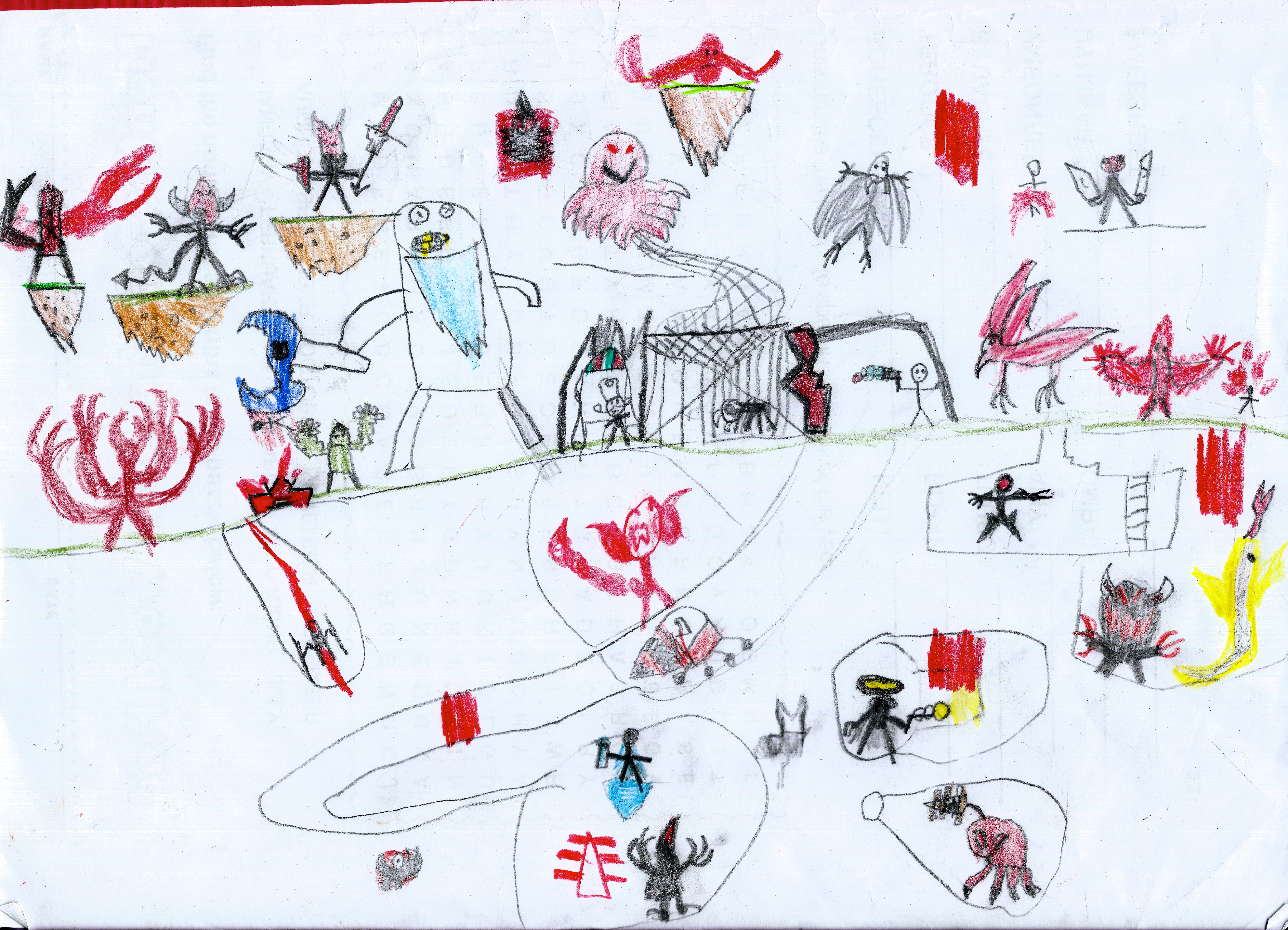
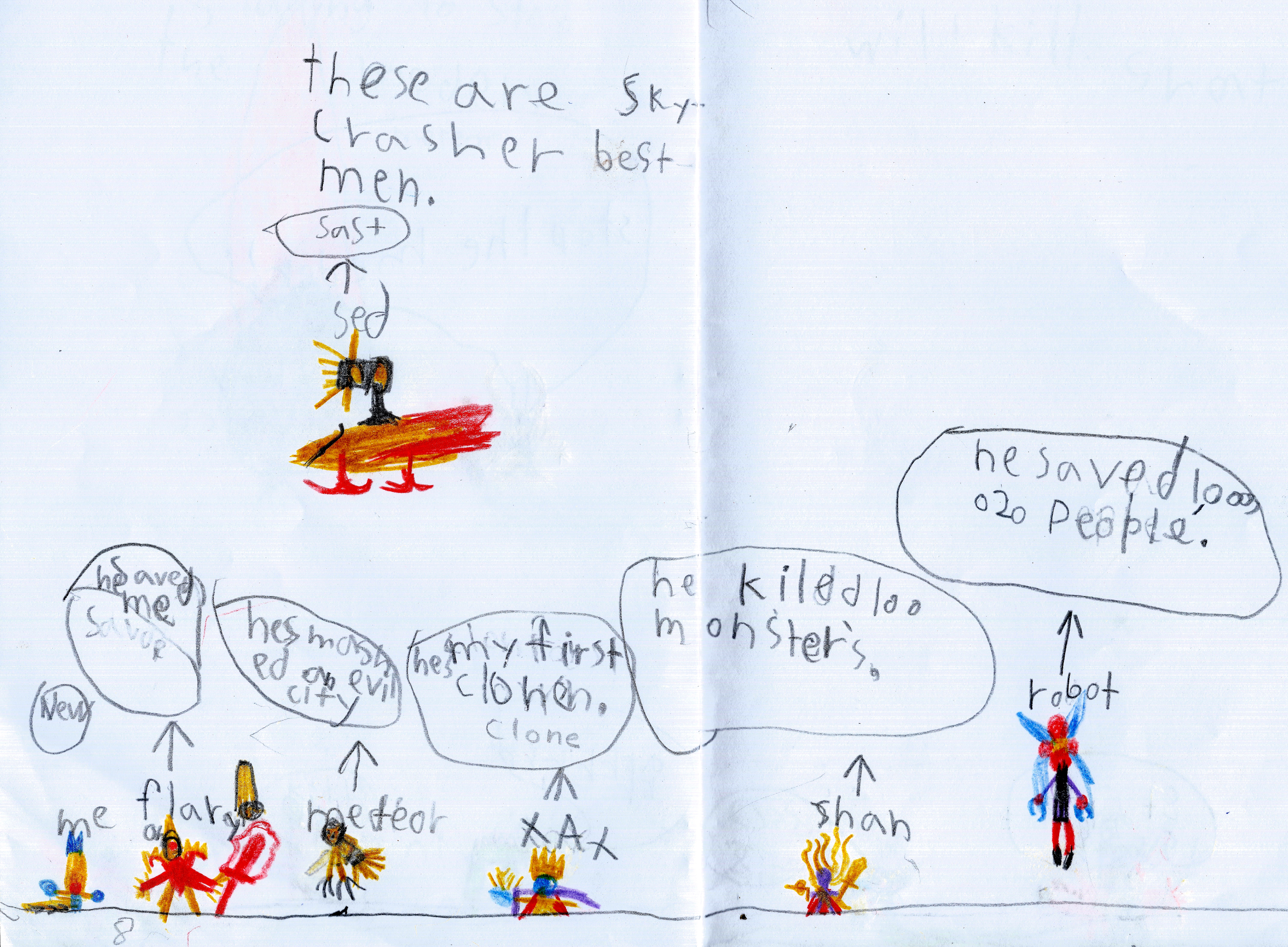
When my first grade son writes a story his default mode is a graphic novel: elaborately drawn settings and multiple characters with cryptic little speech bubbles. When prodded he will tell me the complicated and action packed plot. These stories are nothing like the ones I wrote at his age, mostly involving princesses and furry animals, but firmly based in recalled events.
I know that all children, given the right encouragement, will express themselves through art. As soon as my older children could hold a crayon, they spent many hours drawing—dragons, knights, princesses, superheroes. As a toddler, my seven-year-old who is more than a decade younger than his brother and sister, seemed reluctant to pick up art supplies. I didn’t push him. Then, at the age of four, the drawings started to trickle in from preschool—small, lavishly detailed scenes that required much explanation from him before I could grasp what they were about.
Observing him draw at home, I noticed an interesting thing. His drawings were “live action.” He was animating his fantasy world on the page. No wonder it had taken him a while to conceptualize how to do this. He is a 21st century storyteller.
Today, in our screen-centric era, kids move easily between the real world and game worlds, often, at least partially of their own making. These worlds can be so enticing that kids (and adults) feel as though you are present in that fantasy world.
I can’t help wondering what kind of storytellers this makes them? Many of their “memories” are constructed from these fantasy experiences, blended with reality. No doubt the next generation will write extraordinary works of fiction. They will create worlds that we would be hard pushed to conceive of. Storytellers of the mid 21st century will break old molds.
And yet, I believe that nothing can replace the scent of wood smoke on the air that instantly transports me to the moment of arrival at my grandmother’s house. Or the feel of slick pebbles underfoot and ice-cold water stinging my knees as I wade into a lake. Or the shame of facing my mother wearing one red shoe, and one muddy sock.
DREAM OF DROWNING (Trust)
I dreamed so vividly I felt it in every fiber of my body when I awoke.
To say that dream haunts me Would be an overstatement.
But it lives in a safe, quiet spot in my mind— A dream of drowning.
The preambles have receded with time, But the moment of letting go, Of relinquishing my hold, of opening my fists And allowing seawater To flow through my fingers, Of sinking softly Was sweet.
The ultimate letting go.
TIME WORN II
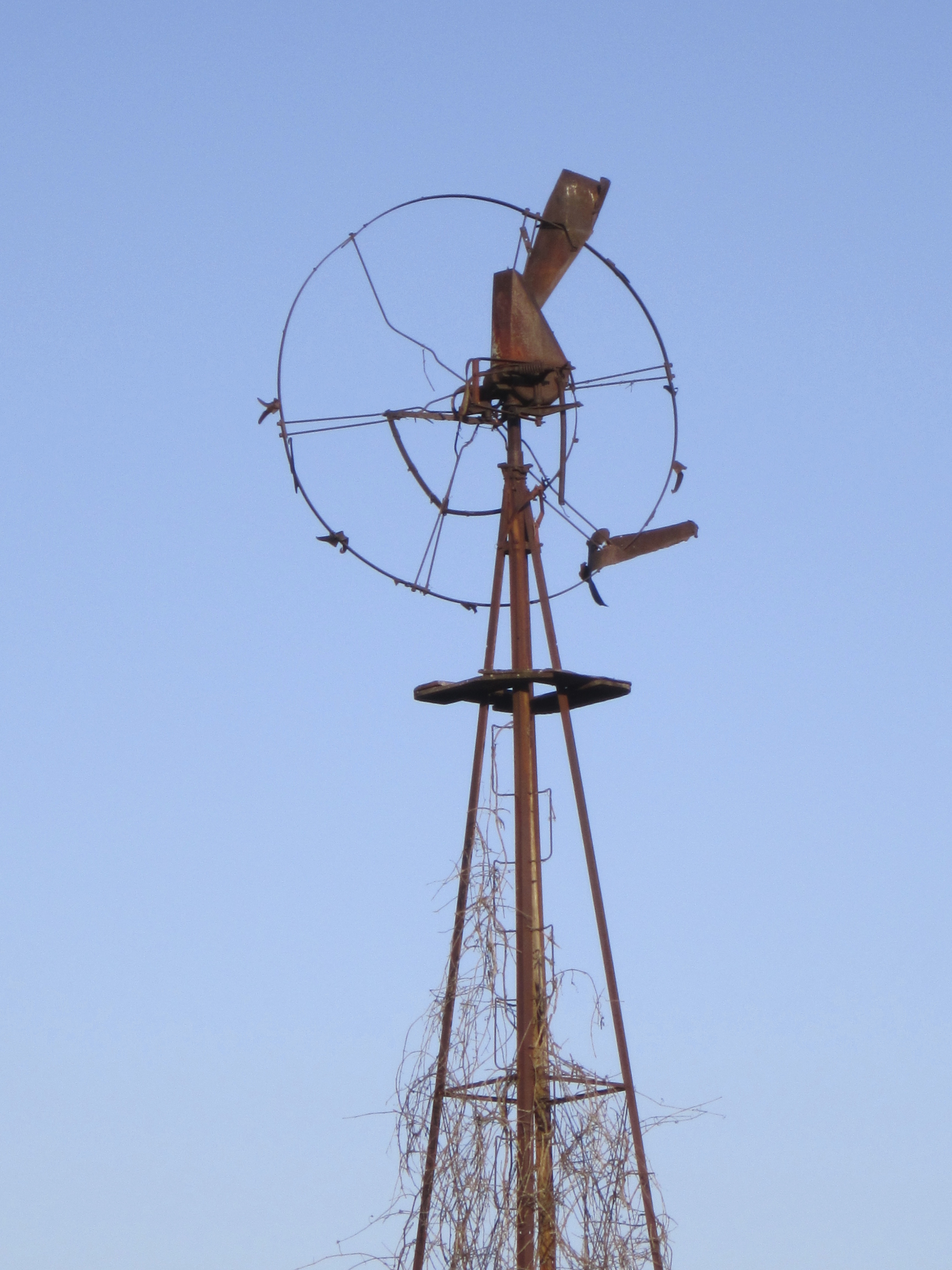
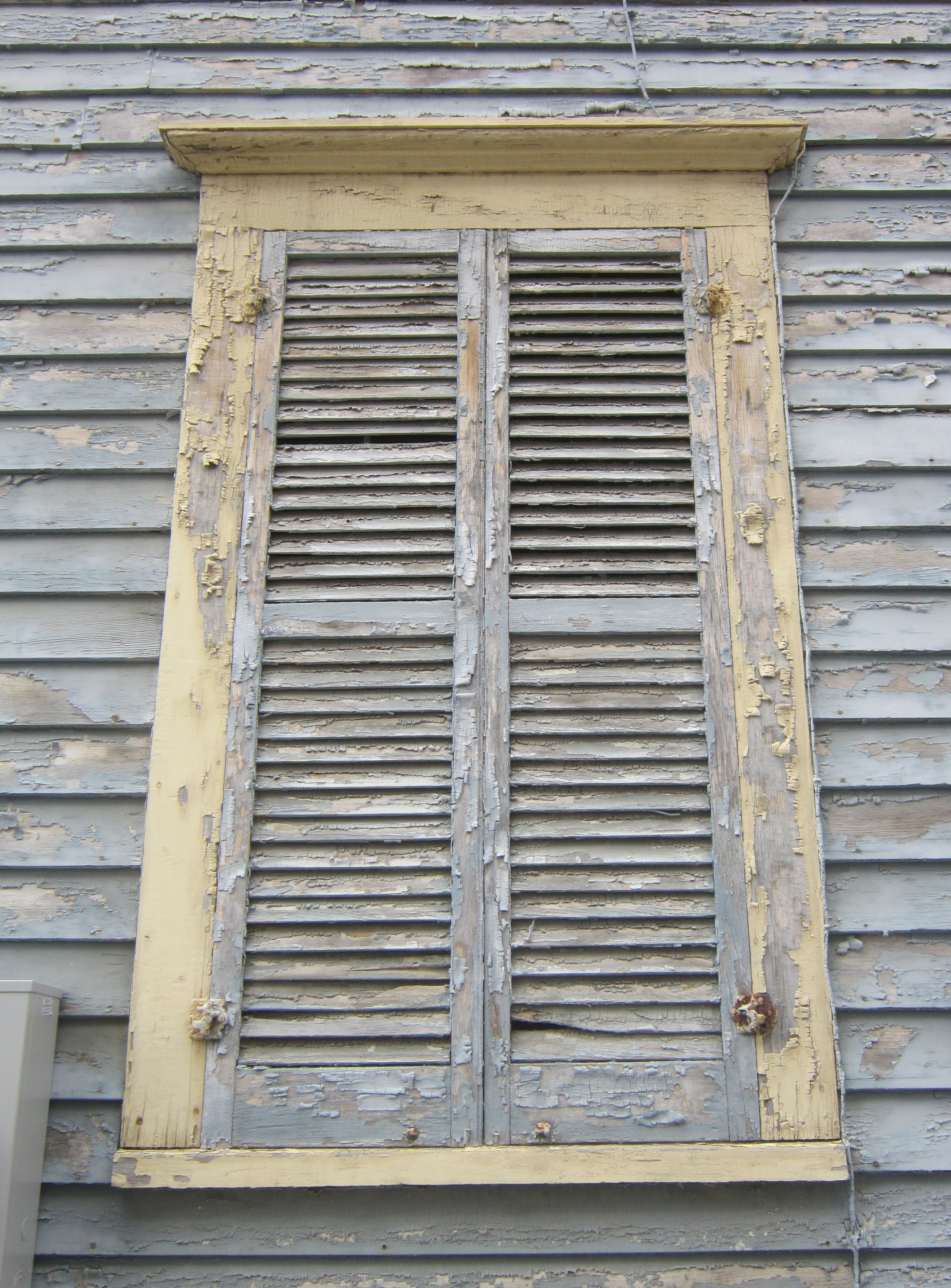
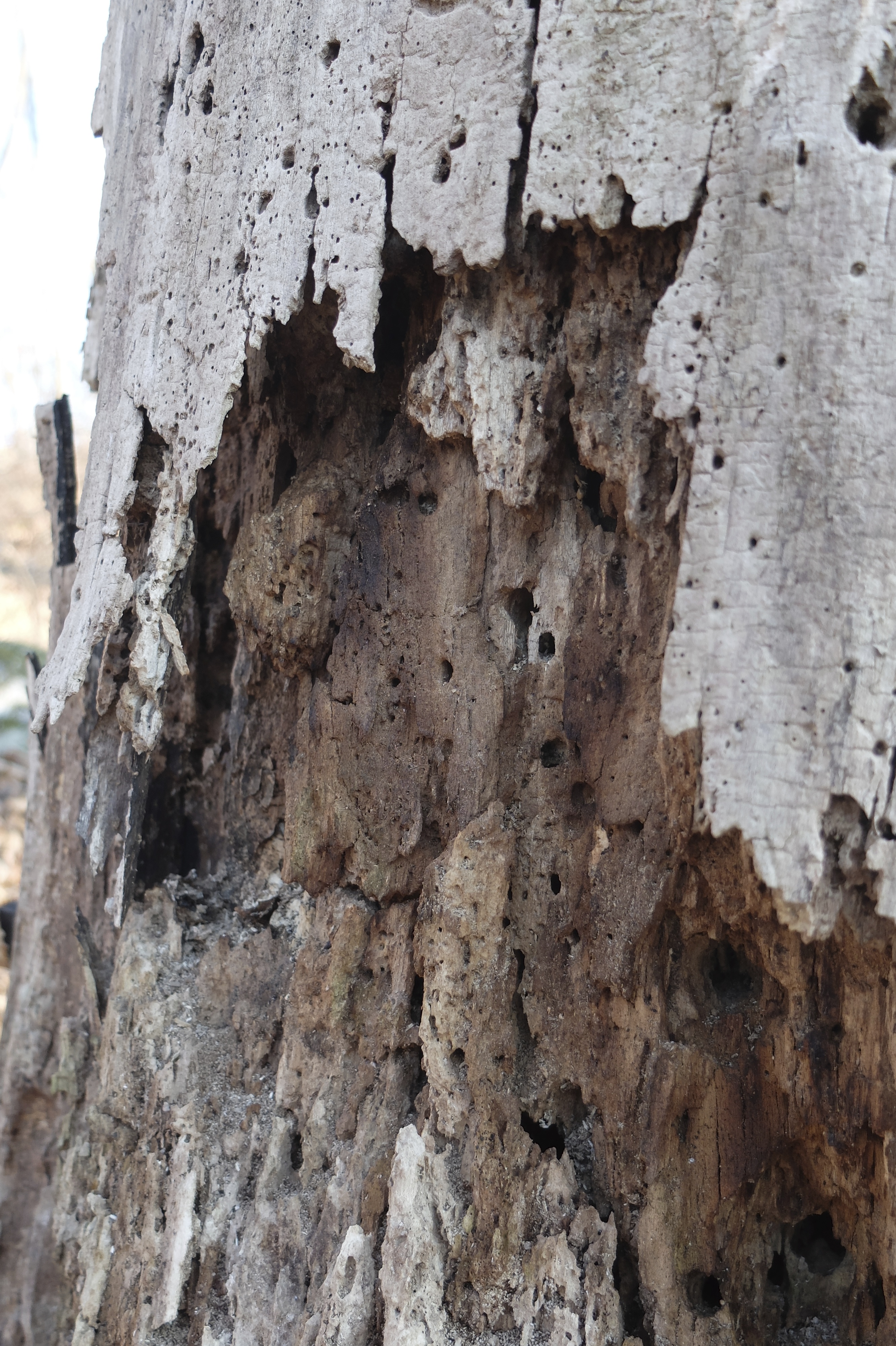
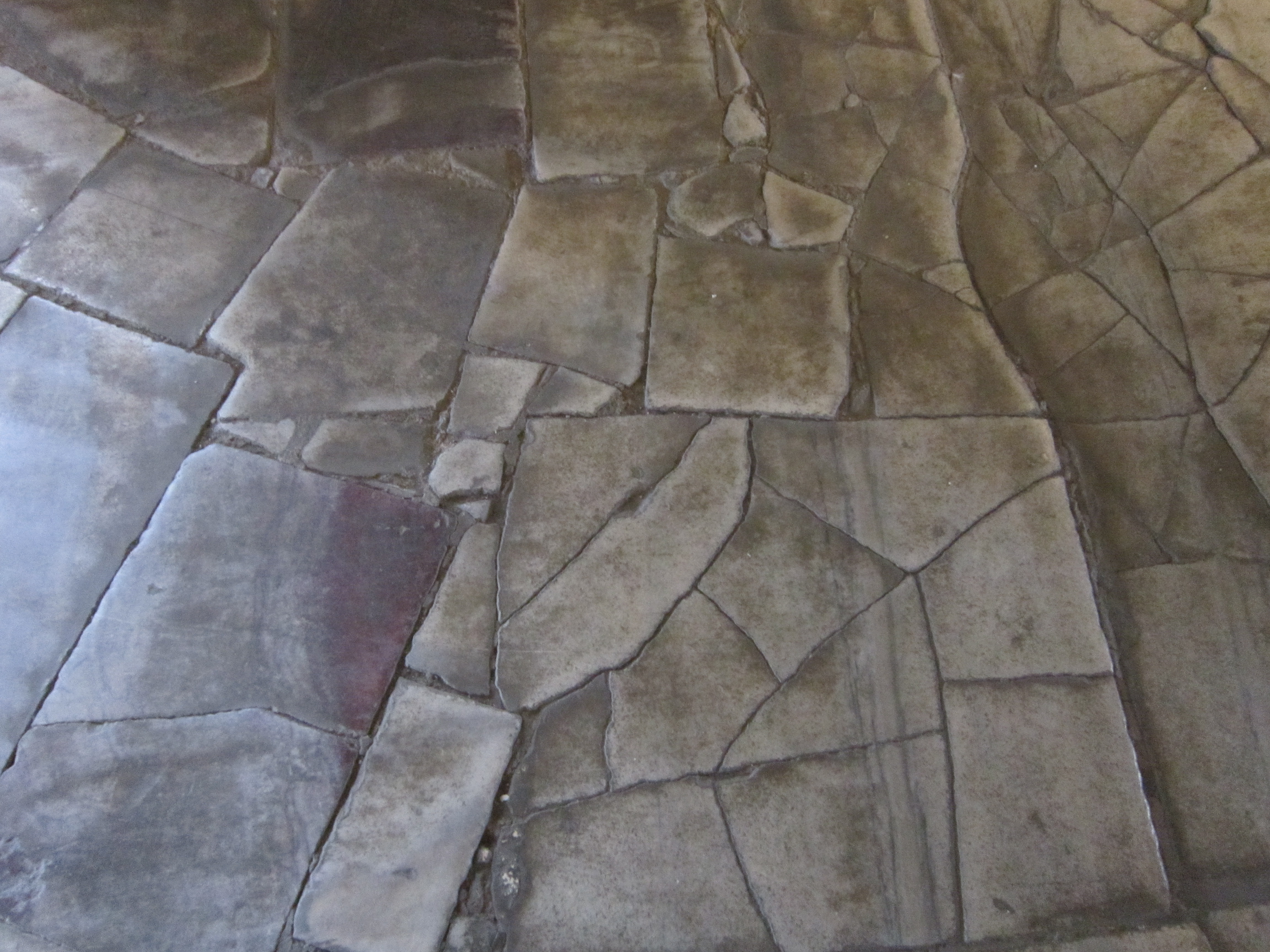
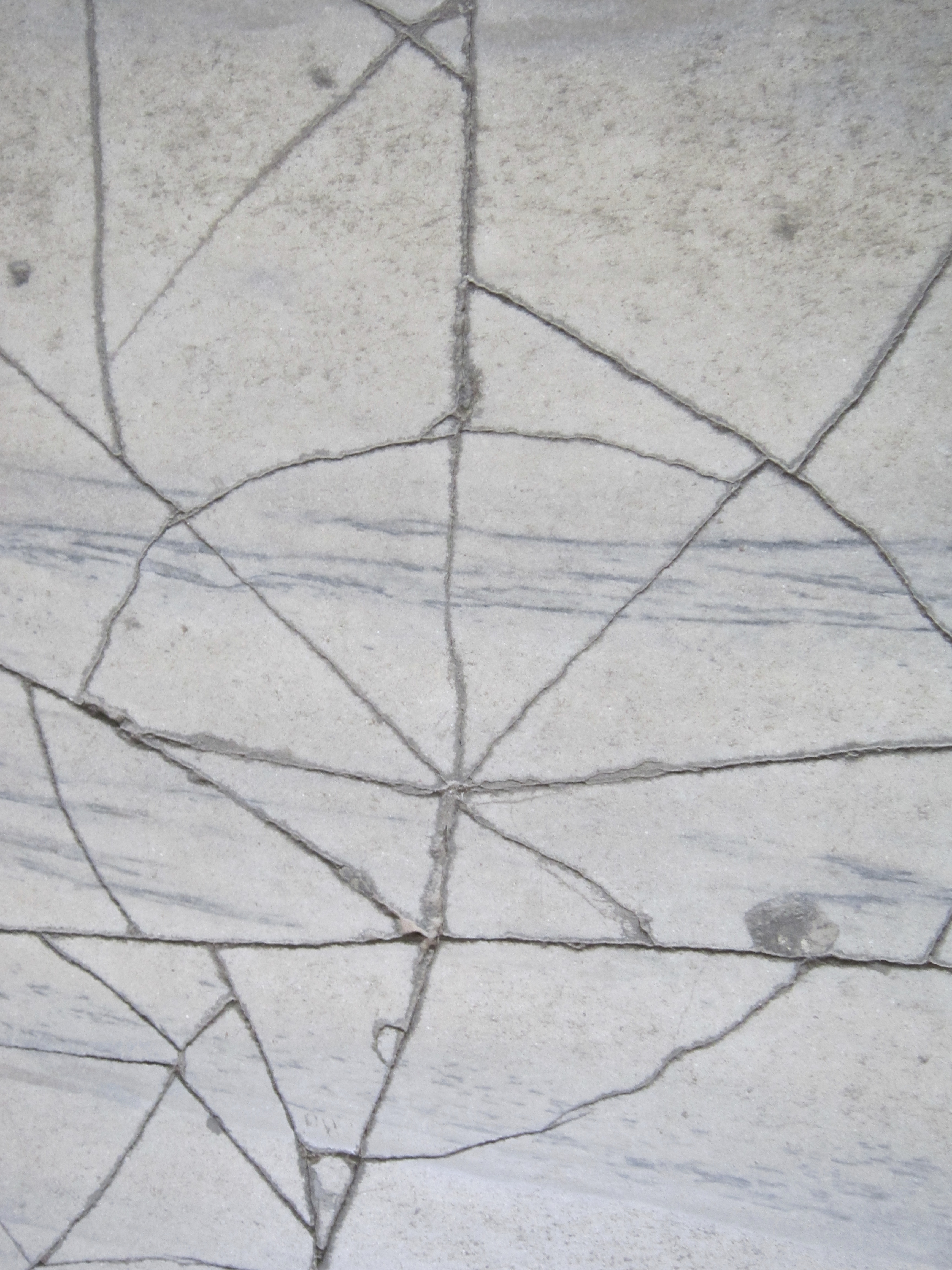
When I’m out with my camera, my eye seems to be drawn to things that show the passage of time, for example, the stone floors in Aya Sofia in Istanbul. Here are a few more such photos.


Please feel free to share a link in the comments section to your own similar photos.
FOR THE FIRST TIME
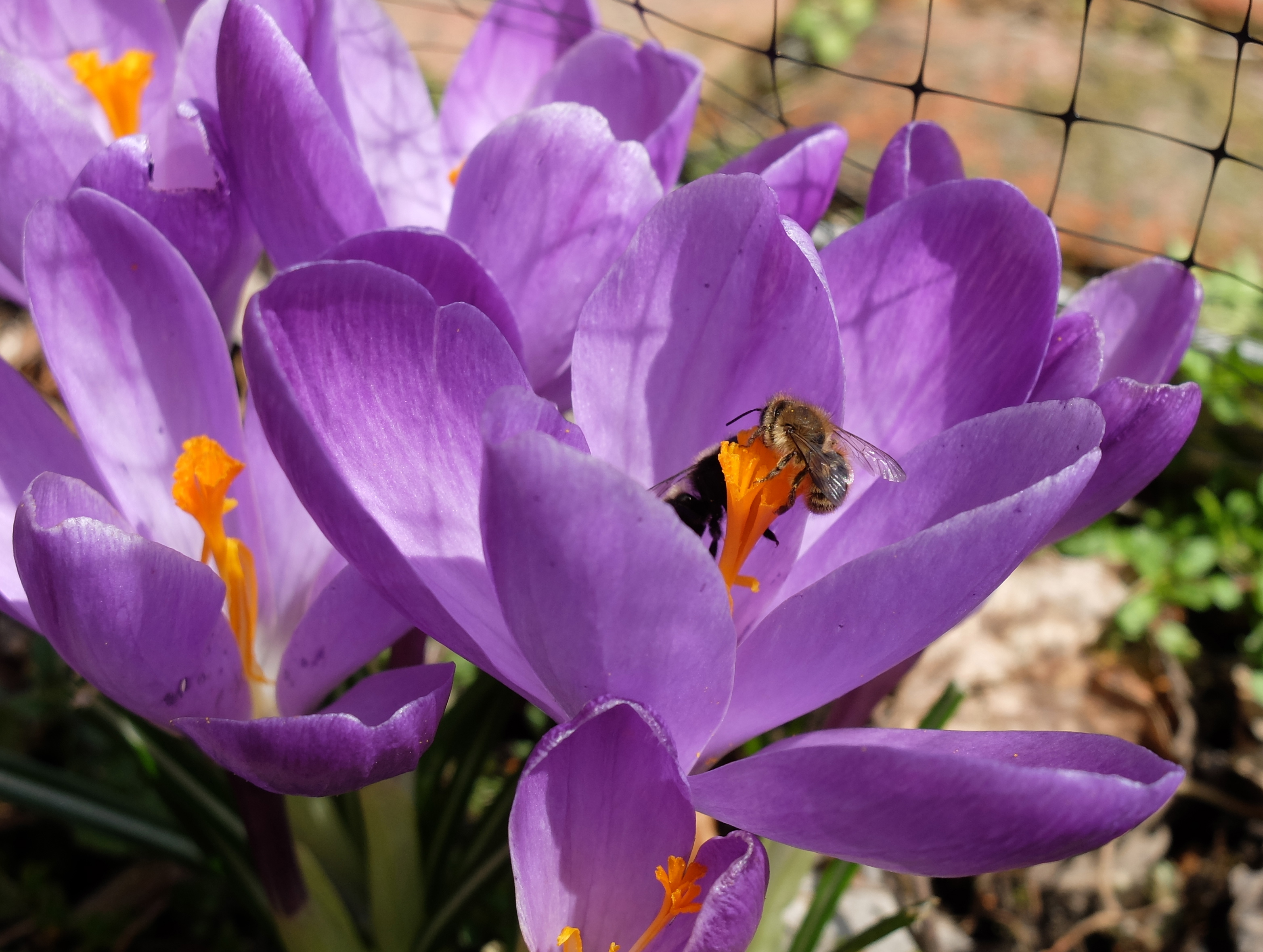
For the first time this year I dragged out the old blanket and spread it on the grass. Dozed with my head on my arm, the sun warm enough to make me shed a layer. Oh boy my soul needed that sweet touch. And I dozed to the buzzing of bees in the gold and purple crocuses.
At dusk I stood on the lawn and felt air move against my skin. Not the numbing cold that freezes tears in your eyes. But an air scented with earth.
My son pointed out the sliver of waxing moon hanging between silhouetted tree branches, delicate as lace mantillas.
The moon siren, and the faint pulse coursing through the soil seduced the tree frogs out of hiding to call in lusty peeps from the unfrozen pond.
And now, against the darkness of a spring night A moth drives it’s wings against my window Oh so eager to step inside and make mad passionate love to my lamp.
Time Worn
Last March my family and I spent an amazing ten days in Istanbul. Of course I took way too many photographs. Everywhere you turn, the city is a repository of history. Looking back on them, a particular series of shots stood out. One of the most famous sights is Hagia Sophia (Aya Sofya), built as a Christian basilica in 537 AD, later an imperial mosque, and now a museum. Of course it’s difficult to drag your eyes away from the soaring architecture and magnificent domes and mosaics all around you. But what really caught my attention were the floors. How many millions of people have come from all over the world to worship and marvel at this stunning building? The grooves and cracks worn into the marble tiles and cobblestones by their feet tell it all.
If you have any similar photos of the passage of time, I would love to see them. Please feel free to share by putting in a link in the comments section.
BARRED OWLS: FLYING LESSONS
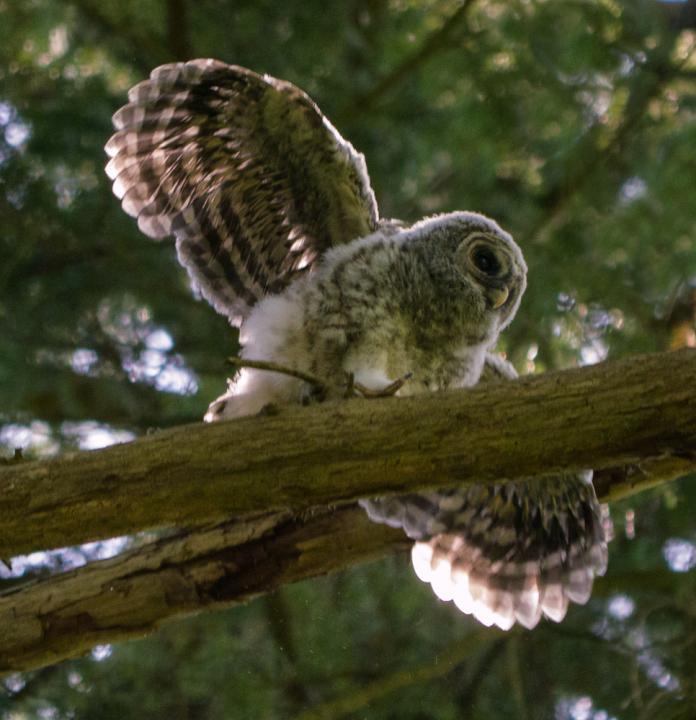
One early summer afternoon, I stepped out onto the deck to bring in a load of laundry. A movement in the dappled shade of the trees, not twenty feet away, caught my eye. I recognized the dark eyes and striped brown and beige plumage of a barred owl. I stood transfixed, hardly daring to breathe.
The owl called softly and, from a nearby branch, a smaller owl took off. The young owl made a short, swooping flight and landed somewhat clumsily by the adult. The birds seemed aware of my presence, but undeterred by it. For fifteen minutes, I stood and watched the owl parent teach its four owlets to fly, afraid of missing a moment by running inside for my camera.
I had often been woken in the night by the owls calling to each other in the woodland surrounding our house—the distinctive, throaty Who-cooks-for-you, who cooks for you-all? But this was the first time I’d seen one. The barred owl, sometimes called a hoot owl, striped, or wood owl, is primarily crepuscular—active at twilight. However, as I later read, daytime activity is not unusual when they’re raising chicks. Owls nest in tree cavities. The female lays between two and four eggs in April, and then sits for four weeks waiting for them to hatch. Once hatched, it takes another four or five weeks before they young are fledged. I could see that this owl had a lot of time and energy invested in her brood.
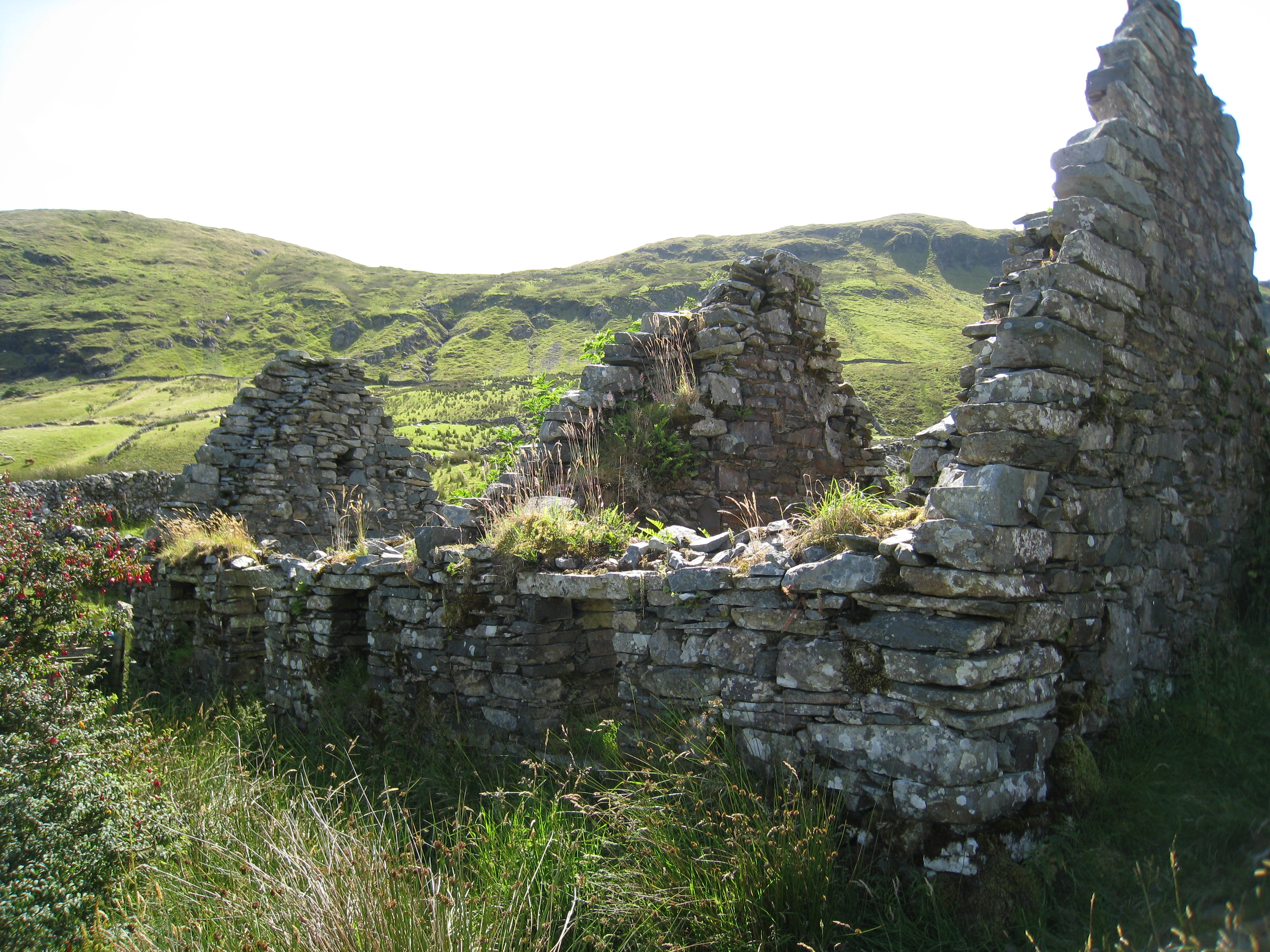
I’ve long had a fascination with owls. As a child, camping near the ancient ruins of a haunted Irish abbey, the protracted screech of a barn owl left me frozen with fear in my sleeping bag. Surely the sound was the ghost cry of the monks being murdered by the invading Vikings.
In the imagination, owls are mysterious creatures of darkness. If you’ve ever seen those pale wings swoop in front of your car headlights late at night, and those marble-round eyes staring at you, you know what I mean.
Maybe because of their nocturnal habits and all-knowing faces, tales of owls are deeply rooted in folklore and mythology. To this day, all over the world, they play a dual and often contradictory role—the harbingers of death and misfortune, but also the sign of wisdom and good luck. In Greek mythology, Athene, the Goddess of Wisdom, took the Little Owl as her symbol. In Aesop’s fables, the owl is a shrewd operator with the power to foretell the future. Owls appeared on early Greek coins and were seen as good omens, especially during times of war, and thus were protected.
When I was seven I lived on the Greek island of Corfu with my family. My sisters and I had a small scops owl as a bedroom companion. My father, a documentary filmmaker, who had hand-reared many sick and injured creatures, was recording its habits. Sadly, one day we returned to find its charred body lying in the back alley. It had fallen victim to superstitions that had superseded its protected status.
In Roman times, the owl represented the dark underworld. Witches could turn themselves into owls and suck the blood of infants. The hoot of an owl meant impending death. These beliefs spread with the Romans. In English folklore, a dead owl nailed to a barn door could ward off evil. And folk remedies made from burnt owl and owl eggs could cure everything from alcoholism to Whopping cough.
In Native American traditions, owls are also honored and reviled. To the Pawnee, the owl is the Chief of the Night, and as such, a protector. The Cherokee respect and covet its ability to see at night, but fear its call as an omen of death. Some tribes believe that owl feathers ward off evil and bring healing. Oglala Sioux warriors wear owl feathers to enhance bravery and vision. Yakama tribes of Washington State see the owl as a powerful totem to be consulted on how natural resources and forests should be used.
As I discovered, barred owls have adapted to life in proximity to humans. They don’t seem to mind suburban areas, and even thrive on the abundance of rodents to prey on. I thought my front row seat for the owl flying lessons was a unique show. Little did I know that I’d get a matinee performance the next afternoon, and the next, until those owlets were fully fledged.
SEAHORSE VALENTINE
Hippocampus, muskrat love’s got nothing on you.
The female seahorse deposits her eggs in her mate’s brood pouch,
And off she goes.
He bobs around through calm, shallow waters,
His seahorse belly swelling,
Making sure those eggs are safe and sound.
Once a day, the female comes courting.
She necks affectionately with her mate,
Coiling her tail seductively around his,
Just to let him know who’s boss.
And when those miniature seahorses emerge from the daddy pouch,
The females’ back to knock him up again.
If that’s not love, I don’t know what is.