Category Archives: Writer’s world

Greek Island Adventure, Part 2

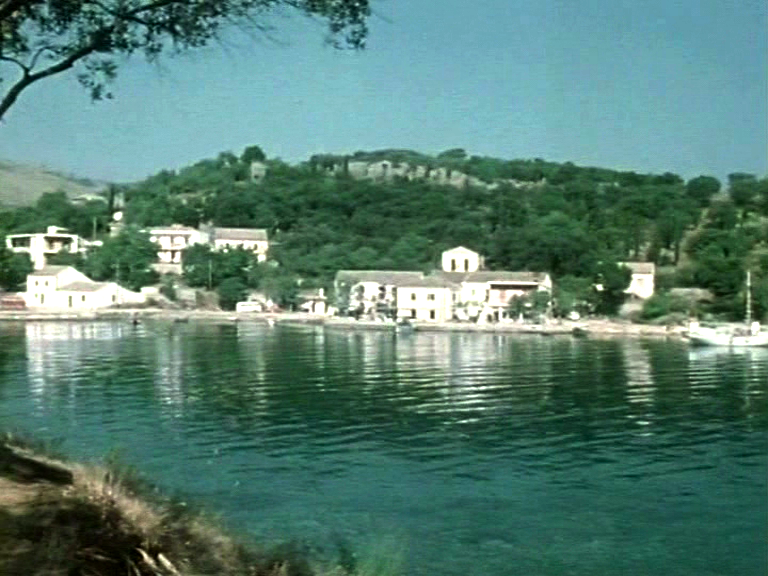
vlcsnap-2013-10-14-22h17m22s209 vlcsnap-2013-10-14-22h00m26s26

Gerald Durrell’s My Family and Other Animals is the reason my parents loaded their three young daughters and camera equipment into the back of a red VW camper van and drove across Europe to go and live on the Greek island of Corfu. The book is an uproariously funny account of the years Durrell spent as a young boy living on Corfu. He wove such a magical picture of the island and its inhabitants and his eccentric family that my parents chose it as the perfect spot for their honeymoon. They too had a wonderful adventure and vowed to return. So there we were, a decade later, rolling of the car ferry in the main town of Kekira on a chilly March morning.

Our first weeks were spent searching for a place to set up house. Spiro, a friend who worked for the island’s tourist board, showed us around his home village. Kinopiastes, a traditional village, far off the tourist track, sat in the hills looking out over fields and cypress groves to the sea and Greek mainland. My sisters and I were horrified by the ever-increasing crowd of school children that followed us, giggling and shoving to get a good look at the three Irish kids. Even though the simple three-room villa set in a family compound on the edge of the village was a good fit, we thought we’d die if we had to be exposed to that kind of scrutiny on a daily basis. Luckily, my parents didn’t heed our moans.

We’d left damp, chilly Ireland in early spring, dreaming of azure skies and sun-drenched days. In late March when we moved into the villa, with its terrazzo floors and drafty green shutters, Mum dressed us in every layer of clothing we’d brought with us. We looked like strange mummified bodies, but then most of the kids in the village did too. Young children were kept swaddled in woolly layers, like plump, cocooned moths, long after the April sun had made us shed out sweaters.

We were rather spooked by the outhouse that consisted of a wooden box perched over a hole in the ground, and especially the thought of the scorpions that lurked there, just waiting to pinch our bottoms. But we soon got used to the little pink geckoes that clung to the ceiling, illuminated by our flashlights.

vlcsnap-2013-10-14-21h43m06s105 vlcsnap-2013-10-14-22h07m48s94

It didn’t take long for us to find our niche in the village. The Gardigotti family who owned the villa and land around it had moved into a cottage on the far side of the cobbled courtyard with their three daughters. Angeliki (16), Eleni (12), and Yianoulla (4) became our constant companions and our guide to village life. Eleni and I made luscious mud pies under the giant walnut tree in the center of the yard. We chased the chickens and gathered their eggs. She showed us where the best Naspoli trees were, and how to harvest the delicious yellow fruit (throw a stick up at a clump).

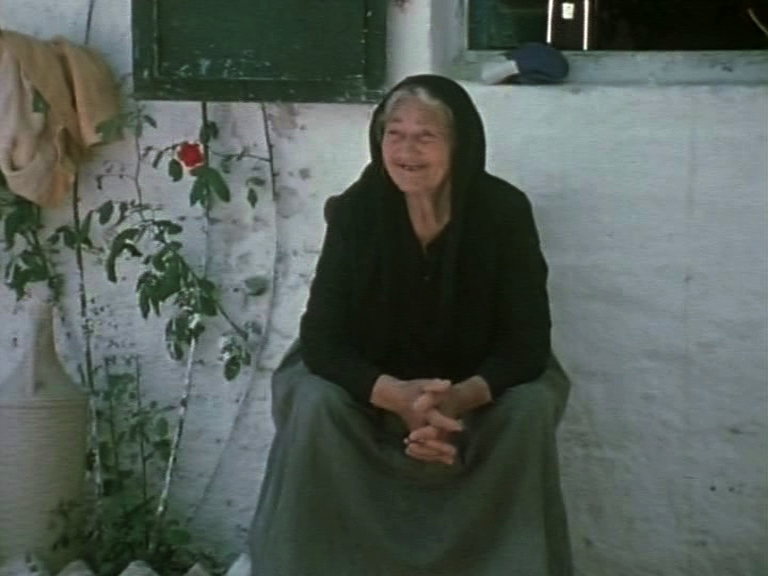
Angeliki had finished school and her job was to help out with the household chores and keep an eye on things while Katerina and Tatsi, her mother and father, were off working the fields. I loved to watch her scrubbing the family’s clothes into a sudsy lather on the wooden washboard over a tub in the yard, all the while making sure her little sister wasn’t getting into too much trouble. Yaya, in her black widow’s weeds, was never far away and was always ready to wag a disapproving finger, or show her wonderful toothless smile at a good piece of gossip.

vlcsnap-2013-10-14-22h11m53s215 vlcsnap-2013-10-14-22h13m37s232

After school let out for the day, Eleni and a small crowd of village children in their sky blue uniforms would lead us through the winding backstreets of the village, stopping to introduce us to shopkeepers, family, and friends. We soon learned to find our own way around, picking up useful Greek phrases along the way.

One of my favorite jobs was to fetch the bread from the bakery with my sisters. Before breakfast we’d gallop down the whitewashed side streets. The baker and his wife would be taking the fresh bread out of the oven on long wooden paddles. The whole place was shrouded in a fine layer of white flour. If you got up extra early, before the roosters started crowing, you could walk through the silent streets in time to catch the baker before he put the loaves in the oven. Then he would give us a lump of pale, yeasty dough to take home and fry in olive oil and sprinkle with lemon and sugar—the best doughnuts in the world. But on a regular morning, we’d fight over who got to carry the hot loaf. It never made it home intact. We’d gouge out fistfuls to gnaw on our return trip, while running the gauntlet of the grandmothers sitting on their steps wanting to pinch our cheeks and stuff lemons in our pockets.vlcsnap-2013-10-14-22h02m50s148

Mum and Dad wasted no time in getting down to the serious business of touring the island in the van to record the signs of spring that were everywhere. In the olive groves women picked the remaining olives from the new grass under the trees. Meadows were full of spring flowers and peach and almond blossom. Families worked together planting potatoes and tilling the soil around the vines. The last of the oranges and lemons lay in the ditches, free for the picking. At the end of the day, a procession of heavily laden donkeys, attended by their owners, would return to the village burdened down with sacks of olives and mountains of fodder or fresh-cut horta (dandelion greens).

vlcsnap-2013-10-14-22h06m53s62 vlcsnap-2013-10-14-22h05m17s94

We set up camp beside a pond where the percussive croaks of the tree frogs kept us awake all night. With nets and collecting jars, we waded through the shallows, exclaiming over each new find. We scooped up newts and turtles and water beetles to examine at home.

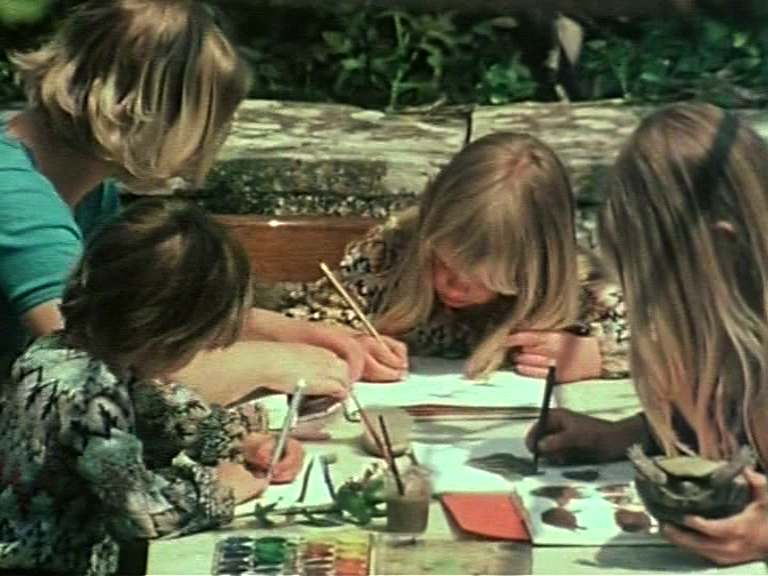
Outside the villa was a long stone table set beneath a knotty trellis of grapevines, still bare of leaves. Here, our morning lessons took place with Mum, which largely consisted of recording in our diaries all that we had seen. Dad set up an aquarium so he could film and we could study the pond life before returning it to the wild. We examined each creature, reading about them in guidebooks, and then drew pictures of them. The village children were cautious at first. But when they saw us handling the toads and newts, they soon lost their fear. They would tell us the Greek names and we would tell them the English.
vlcsnap-2013-10-14-20h35m43s139 vlcsnap-2013-10-14-20h44m33s32

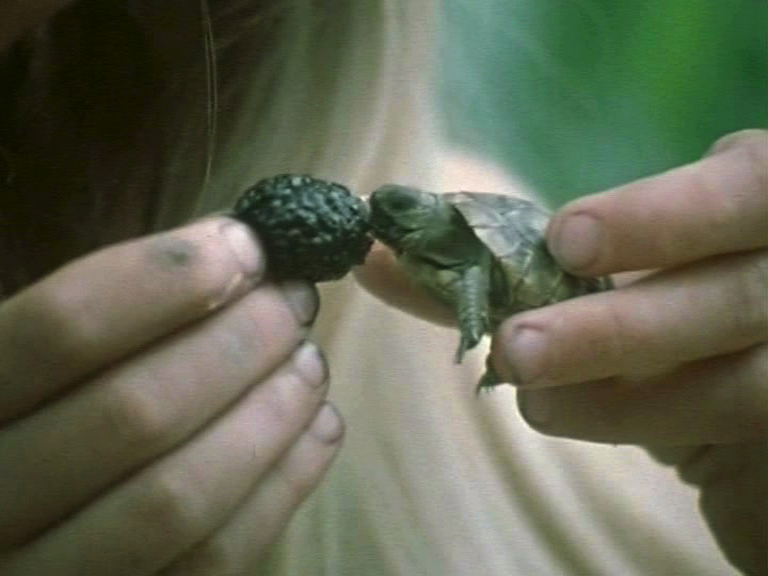
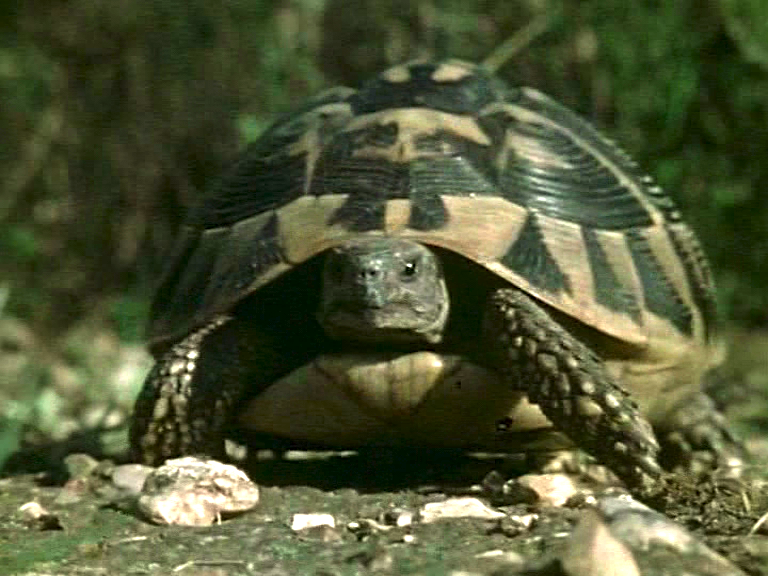
Much of the fauna we encountered was new to us. Our squeals of joy were earsplitting when we found our first tortoise. Soon we had a temporary pen full of them under the mulberry tree, whose fruit they adored. We would watch the females being literally turned turtle by sex-crazed males, eager to mate.
vlcsnap-2013-10-14-22h10m27s143 vlcsnap-2013-10-14-22h09m31s77

We tagged along with Angeliki when she went to tether the sheep and goats on a fresh patch of spring grass, charmed by the their newborn lambs and kids. And we were eager to help feed the plump baby rabbits. Little did we know we were helping fatten up the Easter feast!

All images from Yassu, Corfu by David & Sally Shaw-Smith

                                    To be continued.

VW Bus, Our Hippie Adventure, Part 1

800px-Vw_transporter_t2b_v_sst2_771-2

I know I must be hitting middle age because tsunami’s of nostalgia keep washing over me. The latest was prompted by the news that Brazil, the last remaining country to produce the Volkswagen camper van, also known as the hippie bus, is to end production after 57 years.

My seven-year-old excitement knew no bounds when Dad roared up the avenue in the second-hand, red VW bus. Our family was preparing to leave soggy Ireland to go and live on the Greek island of Corfu for six months. The bus was to be our home during the drive across Europe. Once there, it would become a mobile production unit while Mum and Dad made a series of documentaries on the people, history, and wildlife of the island. This was 1972 and I didn’t even know what a hippie was, but Mum and Dad with their three little girls packed into a VW bus must have fit the mold.

Mum set to work sewing bright orange curtains for the windows. Soon, with the film equipment stashed under the seats, we were off to catch the ferry to England. London in the early 1970’s was a psychedelic experience. I remember sleeping on the floor of a musician friend of my parents. It was all Indian prints and sitars and smelly incense, and it blew my provincial Irish mind. I lay on a makeshift bed on the floor gazing, transfixed at the first lava lamp I’d ever seen. But that was nothing compared to the thrill of driving up the ramp into the hovercraft that would take us across the English Channel from England to France, and feeling the airbags inflate beneath me, before skimming across the sand flats and splashing into the sea.

trip map 1

We were on a very limited budget, so, even though it was March and freezing, all five of us spent our first night in Paris squished into the back of the van. To pee, we had to get out and squat in the gutter, much to the horror of the early dog walkers—their dogs got to poop on the sidewalks! Not surprisingly, after that we graduated to cheap hotels, at least one of which doubled as an up market brothel as my older sister later informed me.

In France my sisters and I discovered bidets, fizzy water, and Nutella. Who knew you could eat bread and chocolate? Surely an invention of the gods. Bolsters, on the other hand, were a form of torture, only good for annihilating your sisters in a pillow fight.

The van chugged valiantly across France and into Switzerland, where the heater conked out. By now it had truly become our mobile playground, filled with books and sketchpads and colored pencils. Entertainment was never hard to find. When my sisters and I got tired of squabbling, we could sit for hours gazing out the window at the passing scenery, marveling as we climbed up into the Alps at the snow-filled valleys. Until then I had never seen more than a dusting of the white stuff. Once we had driven through the Great Saint Bernard Tunnel and crossed into Italy, we begged to stop so we could sink, up to our uxters, in the snowdrifts at the side of the road.

On the outskirts of Turin, the driver’s window of the van got stuck, allowing in icy blasts of air. While it was being repaired, we spent a night at a wonderfully old and creaky hotel, undoubtedly haunted. Much to our delight, several black cats slept in a basket on the wooden counter that served as a front desk.

Riding the vaparetto through the canals of Venice, I felt like I’d stepped into a Richard Scarry book. They had water taxis, water ambulances, water police, and of course, gondolas. In St. Mark’s Square, on a chilly March day, the pigeons were more numerous than the tourists. We giggled as hordes of them descended on our outstretched hands to nibble the corn kernels we offered them. I still have the miniature glass goose I watched the glassmaker swirl out of yellow and black glass.

On the outskirts of Rome, my parents looked up an acquaintance. Unfamiliar with the eating habits of small children, he took us to a fancy Italian restaurant and plied us with Parma ham and slivers of dolphin meat. My devious seven-year-old brain went into action. At one point my mother turned and praised me for trying the unusual food. Little did she know there was a pile of discreetly rolled Parma ham deposited under the chair of the corpulent Italian gentleman at the next table.

My sisters and I fell in love with the Botticelli’s in the Uffizi Gallery in Florence. From the windows of the museum we looked out over the Arno River and the Ponte Vecchio and marveled at the golden carp swimming below us. Whenever I see a Botticelli, I think of those golden fish.

Arriving in Rome late at night, we huddled in the backseat while Mum and Dad fought bitterly over the frustrating one-way system. When we finally found a hotel room, it was well past midnight and all the restaurants were closed. The owner, a cranky old English fart, said, ‘I hope your children don’t wet the beds,’ much to our indignation. We sat in bed eating handfuls of raisins and sipping watered-down whiskey. (I suspect that my parents merely wanted a bit of peace and quiet, but it’s possible that that is where I first acquired a taste for the smoky, burnt caramel flavor.) The next morning we began our Roman adventure with breakfast on the roof terrace of the hotel, overlooking Roman ruins, filled with cats dining on spaghetti provided by little old ladies.

The van roared past Naples and Mount Vesuvius in a hell-for-leather attempt to catch the ferry at Brindisi for the island of Corfu—our new home for the next six months.

It’s funny how of all the amazing ruins and sights we must have seen, these are the ones that stick in the crevices.                           Untitled1                     To be continued.

The Thrill of Twilight

DSCF0936

Do you remember the childhood thrill of playing outside at nightfall?

I was sitting in the hammock bemoaning the fact that it was only 7pm and the dusk was rapidly turning to darkness. From down the road I heard the excited shrieks and squeals of children playing outside, and the memories flooded back. Often when my parents had friends over for dinner, the grown-ups, distracted by free-flowing wine and conversation, would leave us children to our own devices.

Out into the twilight garden we tumbled, the dewy lawn cold underfoot and the wet grass sticking to our bare feet. A pale rock suddenly took on a ghostly hue. The silhouetted woods sent a delicious shiver of fear down our spines. Surely there was a witch lurking in there, or a wolf? All it took was one sudden creak of a bough, or croak of a crow coming home to roost to set us running, running fill tilt, arms outstretched to ward off shadowy objects. Our exaggerated shrieks of terror filled the air. Each circumnavigation of the garden ratcheted up the excitement until someone stopped to spit out a gnat, or scratch an itch, or wail over a stubbed a toe.

Cheeks flush from the chilly air, we’d sneak inside to run our fingers around the remnants of the grownup’s pudding bowl, sure that our giddiness was due in part to the rum in the chocolate pudding. Whispering and giggling, we’d shove snacks for our midnight feast up our sweaters and head out into the full-blown darkness. Flashlight bounced across the garden ahead of us, adding an eerie shadow-filled glow to our surroundings. We all knew that fairies were lurking in the roots of the hawthorn tree, or under the weeping willow, waiting to spirit us away to their magical world. Clutching each other, we’d creep into the vegetable garden and raid the raspberry patch to complete our feast.

We were never ready for it to be over, but at some point the adults would call us in to bed. No tooth brushing, just under the sheets with muddy soles, sticky fingers, raspberry and chocolate stained cheeks, and magical dreams.

The Stolen Child

WHERE dips the rocky highland
Of Sleuth Wood in the lake,
There lies a leafy island
Where flapping herons wake
The drowsy water rats;
There we’ve hid our faery vats,
Full of berrys
And of reddest stolen cherries.
Come away, O human child!
To the waters and the wild
With a faery, hand in hand,
For the world’s more full of weeping than you can understand.

Where the wave of moonlight glosses
The dim gray sands with light,
Far off by furthest Rosses
We foot it all the night,
Weaving olden dances
Mingling hands and mingling glances
Till the moon has taken flight;
To and fro we leap
And chase the frothy bubbles,
While the world is full of troubles
And anxious in its sleep.
Come away, O human child!
To the waters and the wild
With a faery, hand in hand,
For the world’s more full of weeping than you can understand.

–William Butler Yeats (excerpted)

DSCF0906

Mellow Fruitfullness

IMG_2522

There’s a turkey gobbling in the woods behind the house, and condensation on the windows. There’s a low-slow cricket trill coming from the stone wall, the blue jays and crows are serenading the first frosty morning, and the squirrels croon to themselves in the black walnut as they fuss over their nuts. And so the slow countdown to winter begins. It seems like only yesterday I was marveling at the new foliage, fresh and hopeful, like clean laundry. Now the leaves of the maple outside my window are curling and faded to an anemic yellow. Melancholy is a good word to describe the feeling of September. Seasons of mist and mellow fruitfulness, as the English poet John Keats wrote. It leaves me with an ache in my heart for the glorious, carefree summer days, real or imagined.DSCF0528

Yet at the same time a steady candle flicker of excitement burns in me. It’s time to refocus my energies on new projects, and reenergize the old ones. My brain that gets muddled by the soporific heat of July, and lazy in the enervating humidity of August, has clicked into gear. The days and night aren’t long enough for all the things I want to do. Like the birds and the bees, I have replenished my store of energy over the summer and am ready to get my fingers stuck into a cool, damp lump of clay and see if the magic happens. I’m itching to sketch up a new design to knit, and experiment with the bounty of the season in the kitchen. I feel ripe to bursting with ideas. I’m chomping at the bit to crank out the outline of a middle grade novel I’ve been dreaming up, and research a new picture book. My new camera is begging to be to taken for a hike. There are friends to visit, and trips to the city to take my freshly minted college student out to lunch. I think I’ve caught the squirrel fever—Quick, get it done. Get it done. Now if only the dwindling morning light would make it a little easier to get up in the morning.

Season of mists and mellow fruitfulness
Close bosom-friend of the maturing sun
Conspiring with him how to load and bless
With fruit the vines that round the thatch-eaves run;
To bend with apples the moss’d cottage-trees,
And fill all fruit with ripeness to the core;
To swell the gourd, and plump the hazel shells
With a sweet kernel; to set budding more,
And still more, later flowers for the bees,
Until they think warm days will never cease,
For Summer has o’er-brimm’d their clammy cells.
-John Keats, excerpted from To Autumn, September 19th, 1819
IMG_5903


Golden Moments

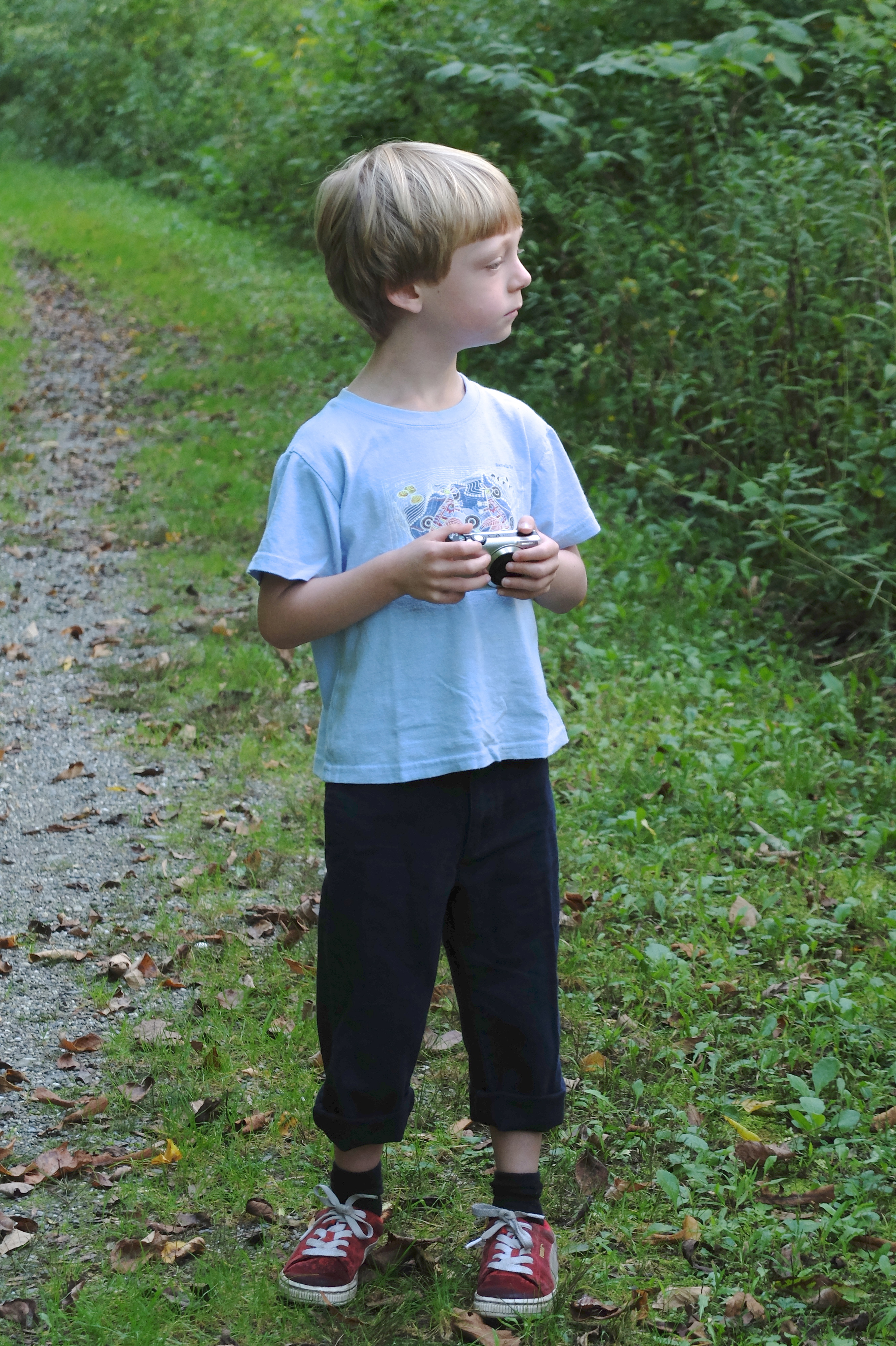
Yesterday was one of those crisp September mornings you could bite into like a perfectly ripe Macintosh apple. My youngest son, having started first grade the day before, was off for the Jewish New Year holiday. It was too good an opportunity to miss. We grabbed our cameras and headed out to our local stretch of the Appalachian Trail.DSCF0381DSCF0377

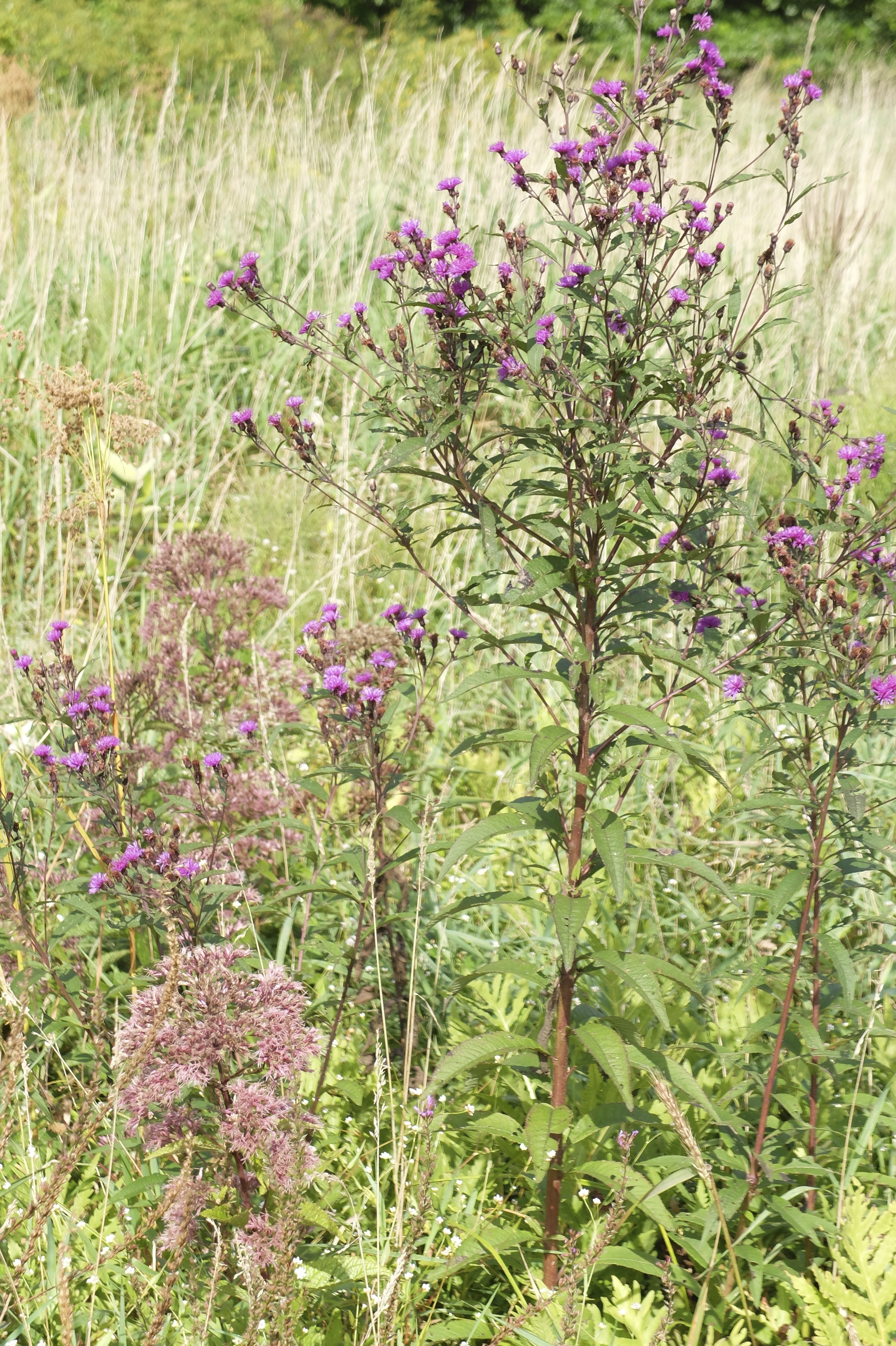
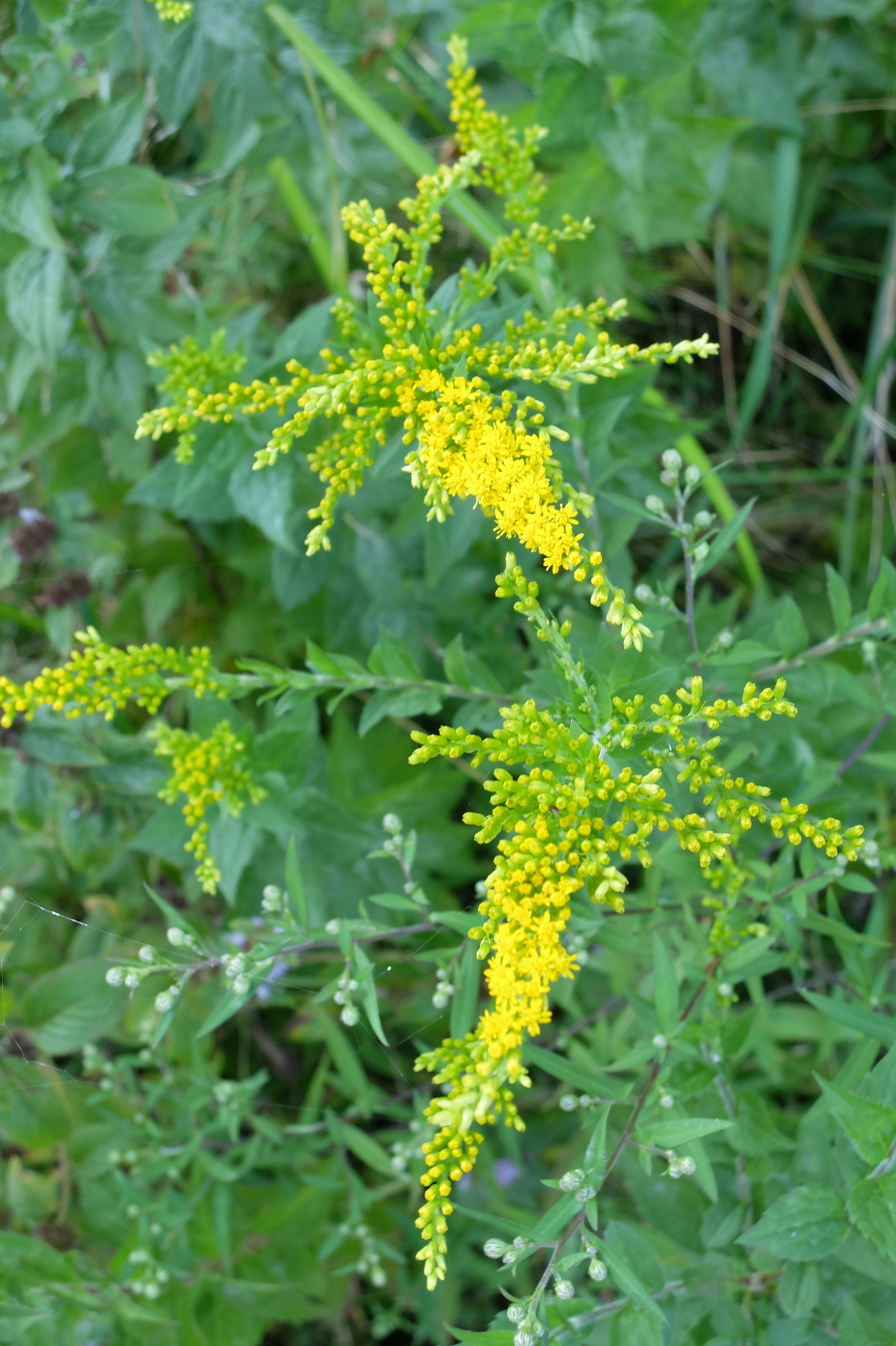
Our first leg of the trail runs alongside a dry summer meadow filled with purple aster and golden rod. My son marveled at the insect orchestra. I pointed out the different pitches and rhythms of the grasshoppers and crickets. We watched goldfinches flitting from seed head to seed head, stuffing their beaks. Trios of cabbage white butterflies danced around a mud puddle. A monarch flapped and drifted, seeking out the last flowering heads of milkweed. The air was sweet with the scent of virgin’s bower, the native wild clematis.

When we reached the woodland, the dirt path was packed, dry clay. But pushing up through the leaf mold, we spied several species of toadstool. When I told Milo about the extensive mycelium network that spreads underground from a mushroom colony, his imagination ran riot. He began inventing Rube Goldberg machines powered by mushrooms that sent secret messages down these connecting tubes.DSCF0370

We reached the boardwalk over the marshes and marveled at the variety of late summer flowers—turtleheads, purple loosestrife, jewelweed, bursting pods of milkweed fluff. At the suspension bridge we gazed down into the slow moving depths of the Pochuck Creek, looking for small trout. I think the herons had got there before us, but we did find an owl pellet stuffed with hair and delicate mouse bones.

At Turtle Bridge we counted nineteen Eastern Painted Turtles, and a water snake.DSCF0367

As we walked back through the woods, it dawned on me that at exactly this spot, six years ago, it had finally sunk in that I was going to have a baby—my youngest son. At 41, with two almost teens, the thought of another baby had been far from my mind. And yet, here he is, six years later, my late summer golden moment. What a gift.

IMG_6583 IMG_6587

SUMMER WRITING FLAB

DSCF0296 DSCF0303

So what’s the problem? It’s a misty, early September morning. A thunderstorm has just rolled through, leaving yellow leaves from the black walnut littering the lawn. The grasshoppers are zithering in the tangle of meadow grasses that I call a garden. My daughter has made it through her first week of college with ease. My sons are enjoying the last few days of freedom before school. My husband is getting a well-earned lie-in for Labor Day. And I’m in a dither. A hand grenade has exploded in my writing life.

Yes, I expected the saggy schedule of summer to play havoc with my writing habits. But what I wasn’t expecting was the complete and utter unhinging of my focus. My butterfly brain dips and swoops from one brightly colored flower to the next, barely alighting for more than a second—certainly not enough to produce any significant work.

And now that the return to normalcy is looming, I’m scared that my writing muscle has gone flabby. I’m bracing for that moment when I sit down in front of my computer and it will feel like a slow, painful jog uphill after months of couch-potatoing, with all the bits of my brain jiggling. I’m afraid that in my absence, my characters will have slipped into bad habits. I’ll look at them and realize that they too are weak and flaccid from lack of exercise.

So what’s to be done? Stop feeling sorry for myself. Strap on the gear and put one foot in front of the other until I’m up to tempo, until the muscles feel taught and responsive, until I can read a paragraph and go, hum, not too shabby.

DSCF0258

The White Deer

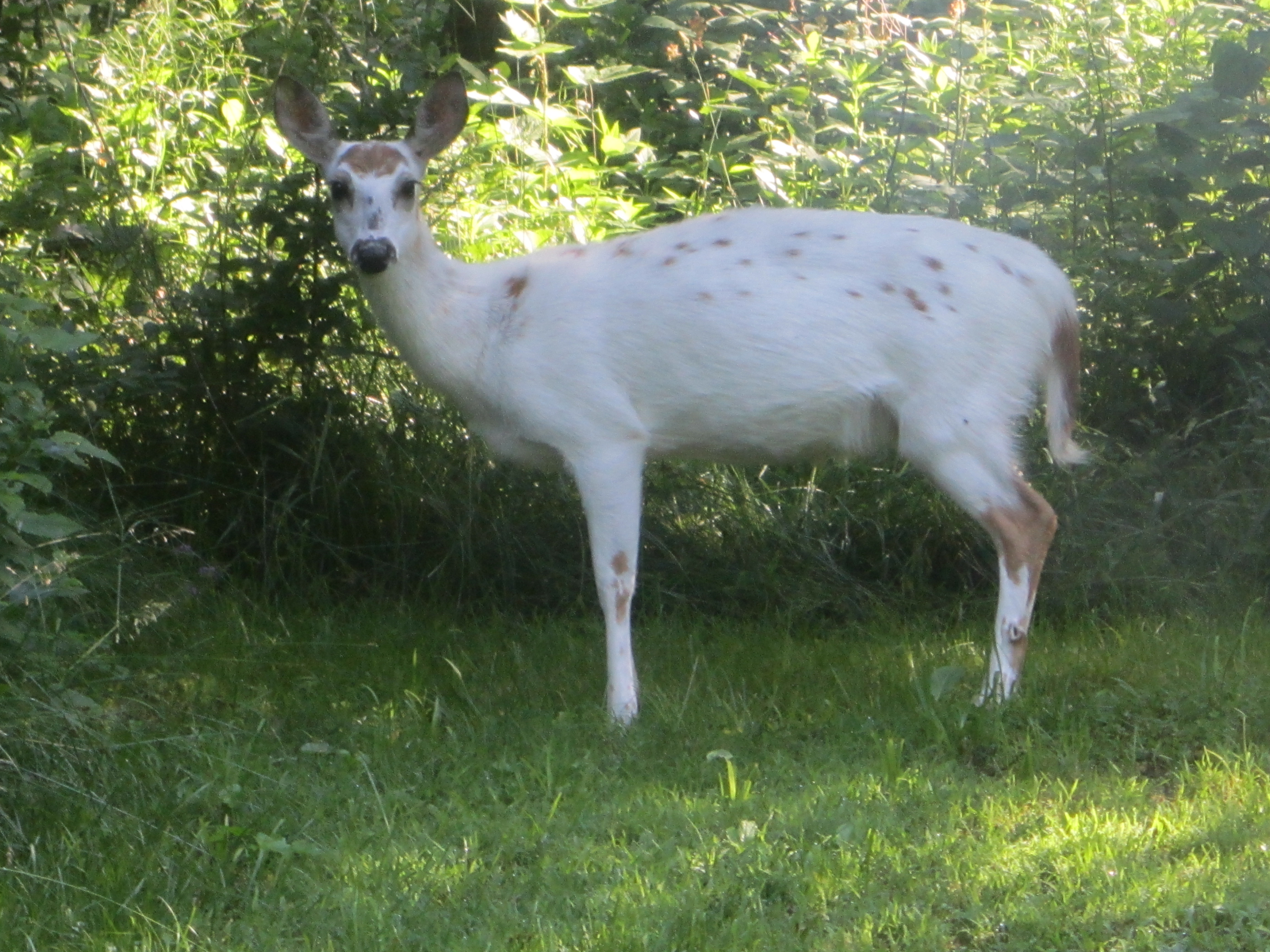
IMG_9960Everyone has a pocket of the universe where they are in their element. This brings me to the story of our white deer. It was born late—a good month after most of the does had dropped their fawns in June. She was tiny and stood out so clearly against the summer green in her snow-white coat that at first I thought she was a young goat. But what was a kid doing frolicking with a small herd of white tailed deer? It didn’t take long before the piebald buck I’d seen tramping through the woods back in the winter, came to mind—an unusual sighting. This aberrant white fawn was not an albino; she had a black nose and dark eyes. She didn’t cavort like the other fawns, but seemed to hobble as though injured. My neighbor later told me he’d watched her being born in the woods behind our house. For the longest time she didn’t stand up and he wasn’t sure she ever would. But here was living proof that she was a survivor.

I watched for that fawn all summer, fascinated by its otherness. Her mother remained with the herd—probably a close-knit family of aunts and cousins and siblings—but always on the periphery. Perhaps this was due to the fawn’s awkward gait which made it difficult to keep up, or perhaps the other deer sensed its difference and kept it on the outside of the group.

Now you have to know that there is no love lost between deer and me. All spring and summer, I rain down curses on their heads as they steadily munch their way through my garden, waiting until the moment the plants they’re not supposed to like have just begun to bloom. This little white fawn, however, had wormed its way into my affections. I was rooting for her, aware that she was the proverbial underdog. While the other fawns with their tan coats speckled with white spots blended in with the dappled shade in the woods, she was a misfit that stood out like a neon target. I waited to see what hunting season would bring.

By the late fall the other fawns had lost their newborn Bambi coloring, and like the older deer, were now well camouflaged against the monochromatic grey/brown woods. The white deer was a spindly adolescent, still well behind the other fawns in size. She often came close to the house to feed and I could see that her ears were brown and she had a smattering of tan freckles on her back—a pretty little thing. And a perfect target for a trophy kill, for those unfamiliar with the many mythic tales of the sacred nature of white deer. http://protectthewhitedeer.com/whitedeer-in-myths-and-legends

And yet she survived until the snow came. At last she was in her element. I watched her through my bedroom window, snow falling softly around her as she pawed through drifts, unearthing tufts of grass. The speckles on the coat helped her merge beautifully with the bramble thicket, while the herd, feeding beside her, stood out like, well, brown deer in a snowstorm.

IMG_0884

In stories we root for the underdog. They have so many obstacles to overcome, they need our concern, our love. We can’t help but rejoice when they find their environmental niche and thrive. And in her case, rather than shine, blend in.IMG_0891

The white doe has made it through three winters—three hunting seasons. I always watch for the flash of white in the woods around the house. Sometimes in winter I’ll look out my bedroom window at night and find her sleeping right outside. No wonder she works her way into my dreams. The other morning, a damp, green day, I looked up from my computer and watched her step out of the woods and pick her way daintily across the lawn, and there, several paces behind her was a tiny, spindly, fawn—brown with white spots. I shouldn’t have to worry about it, but I do.

IMG_5161

WHAT KNITTING CAN TEACH YOU ABOUT STORYTELLING

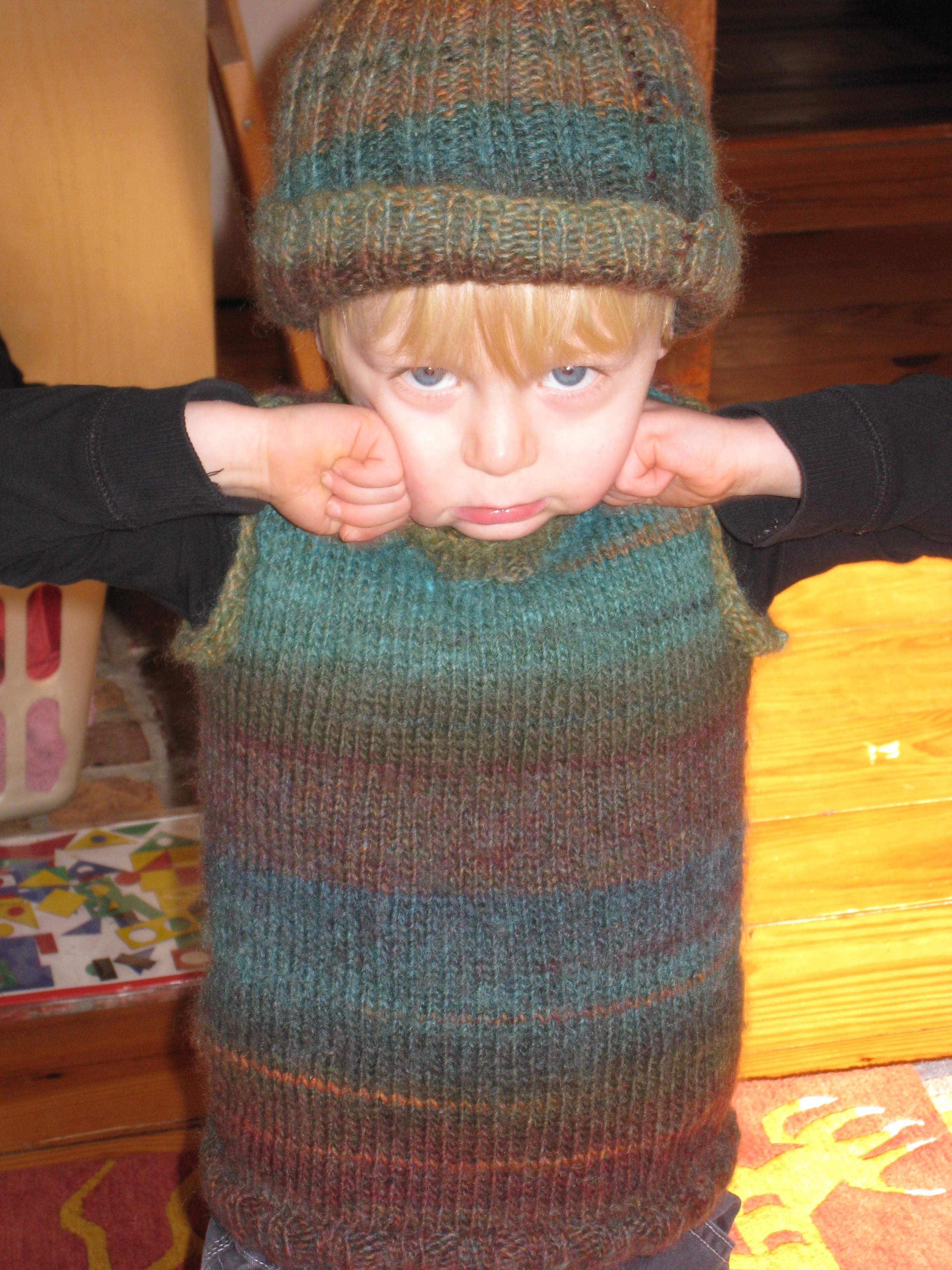
IMG_0323You’re a write eejit when you can’t control your knitting habits.
It hit me the other day like a blast from a water cannon that I’d become one of those crazy-aunt knitters. I knit things for people, unasked. I decide what they want—shape, color, pattern—and gift it to them so they feel obliged to wear it occasionally, and are terrified of tossing it in the bag for The Good Will.

“Socks, here ya go!” “Hats, I got that.” “Legwarmers—I thought of you!”

Yes, I know it became very trendy to knit a few years back, but honestly, I wasn’t riding that wave. I’d done it in a halfhearted, multiple unfinished projects at the back of the cupboard, way since I was a kid. I blame television, or rather, bad television. You need a distraction on hand—hence the knitting.

The success of my knitting hinges largely on how good what I’m watching is. I can rate a show, by how many rows I rip out the next day: the better the show, the more mistakes I make.

Mad Men, Game of Thrones, Breaking Bad, all six-month sweater projects, for sure.

What do these programs have in common? Great storytelling, gripping scenes, emotional involvement. They suck you in. And sigh, yes, the writers of these shows are such experts in their craft that before you know it, you’ve knitted three armholes, or two left sides. I can always tell how good a season of Game of Thrones is if I’m still knitting a winter sweater in May.

Instead of torturing nearest and dearest with my knitted offerings, I should be sitting on the couch with a pen and paper, taking copious notes on story arc, character development, tension building. And I swear I will, just as soon as I’ve finished this tea cozy hat.

Balancing Act

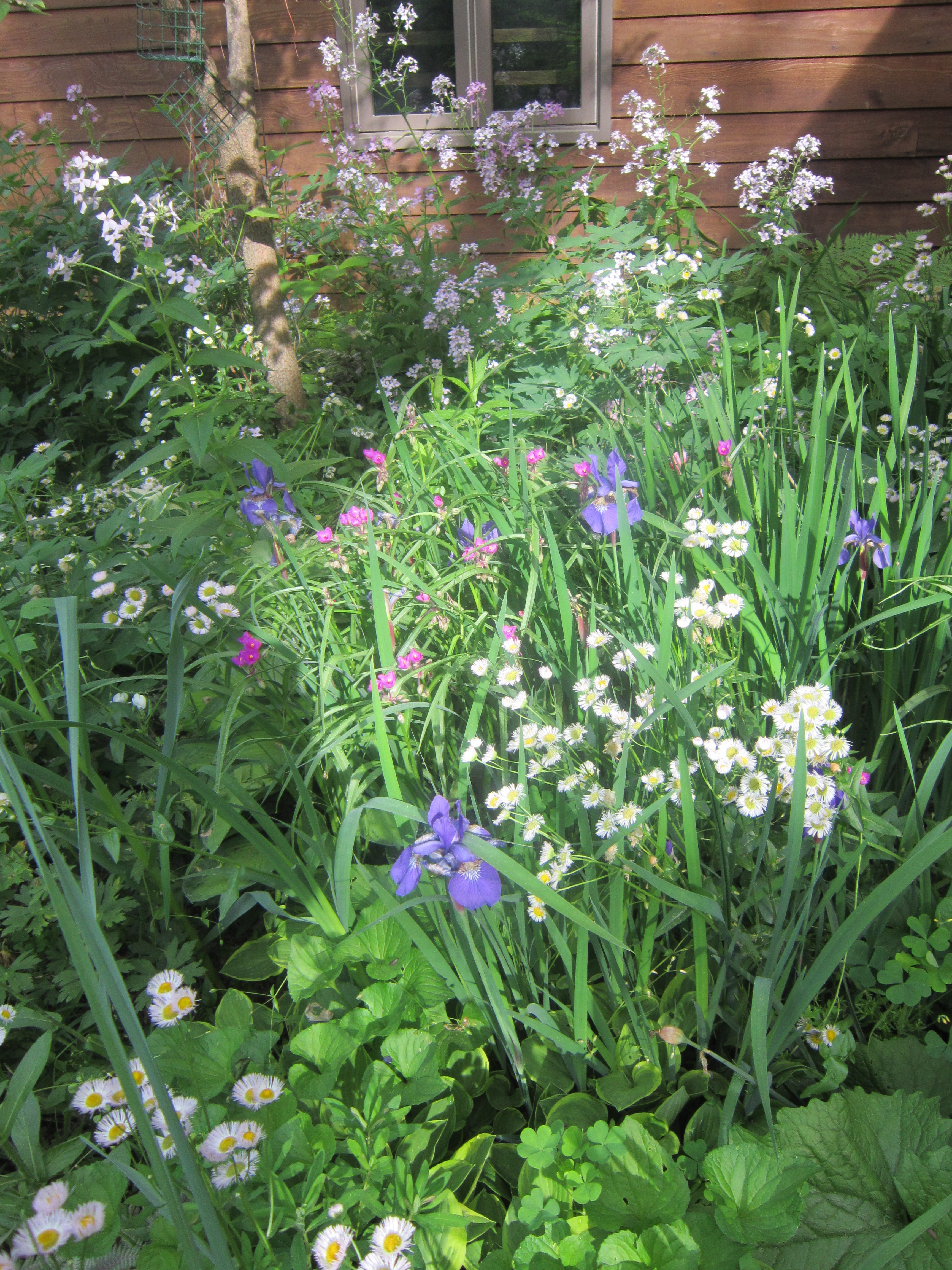
At this time of year my garden goes bonkers. It takes on a life of its own.IMG_4935

Just enough warmth and rain has tripped the switch on new growth, and before my eyes the landscape is transformed into an acid-hued world, dripping with fecundity (love that word). When I step out the door on a mild and misty morning it feels as though, overnight, this green beast has slithered closer to the house, threatening to wraps its tentacles around it.

I find myself waging a battle between cultivating nature, and keeping it at bay. If I don’t get out to weed the vegetable patch at least once a week, virulent native weeds soon overrun the seedlings of spring greens.IMG_4910

And yet, how many times have I knowingly allowed pop ups from my compost heap—serendipity seedlings, I call them—take root and been thrilled by the bonus mini pumpkins or wild garlic. On my morning walks I even carry a plastic bag and spoon so that I can transplant common native wildflowers into my woodland garden. My perennial beds are full of poppy seedlings and daisies that have found their niche. I tell myself I must be doing something right when they start merrily throwing the next generation around.

IMG_4892 Everywhere I turn the concept of balance screams at me. In kick boxing class the instructor dreams up challenging balance poses to strengthen our core muscles and improve our overall physical wellbeing. The latest dietary studies exhort us to eat a balanced diet. And I swear, I strive to balance the carbs and the chocolate.

Sometimes it’s hard to know the difference between good and evil. I just read Michael Pollan’s fascinating article in the New York Times magazine: Germs, What we can Learn from our Microbiome,  about the community of microbes that colonize our bodies, keeping our bodies functioning optimally. Contrary to what our mother’s said, sometimes it’s beneficial to get down and dirty.IMG_0332

Our lives are one big balancing act: pain versus pleasure, task versus reward, reality versus fantasy. It’s a daily struggle to maintain a middle path, not to become engulfed in one thing over another, to strike the balance.DSC_0347

How true this is in the world of the writer. You have to fall in love with your characters and plot so that you can write from the heart, yet remain detached enough so that you can cut them to ribbons if that’s what it takes. Yes, you need to make time to connect with your reading audience and interact with the writing community. But when chasing the tweet dragon gets in the way of writing, you know things are out of whack. As I tug weeds in the garden, I often think how similar the process is to editing. You want to clear away enough detritus so you can see your story grow and bloom, but you don’t want to remove all those serendipity seedlings.

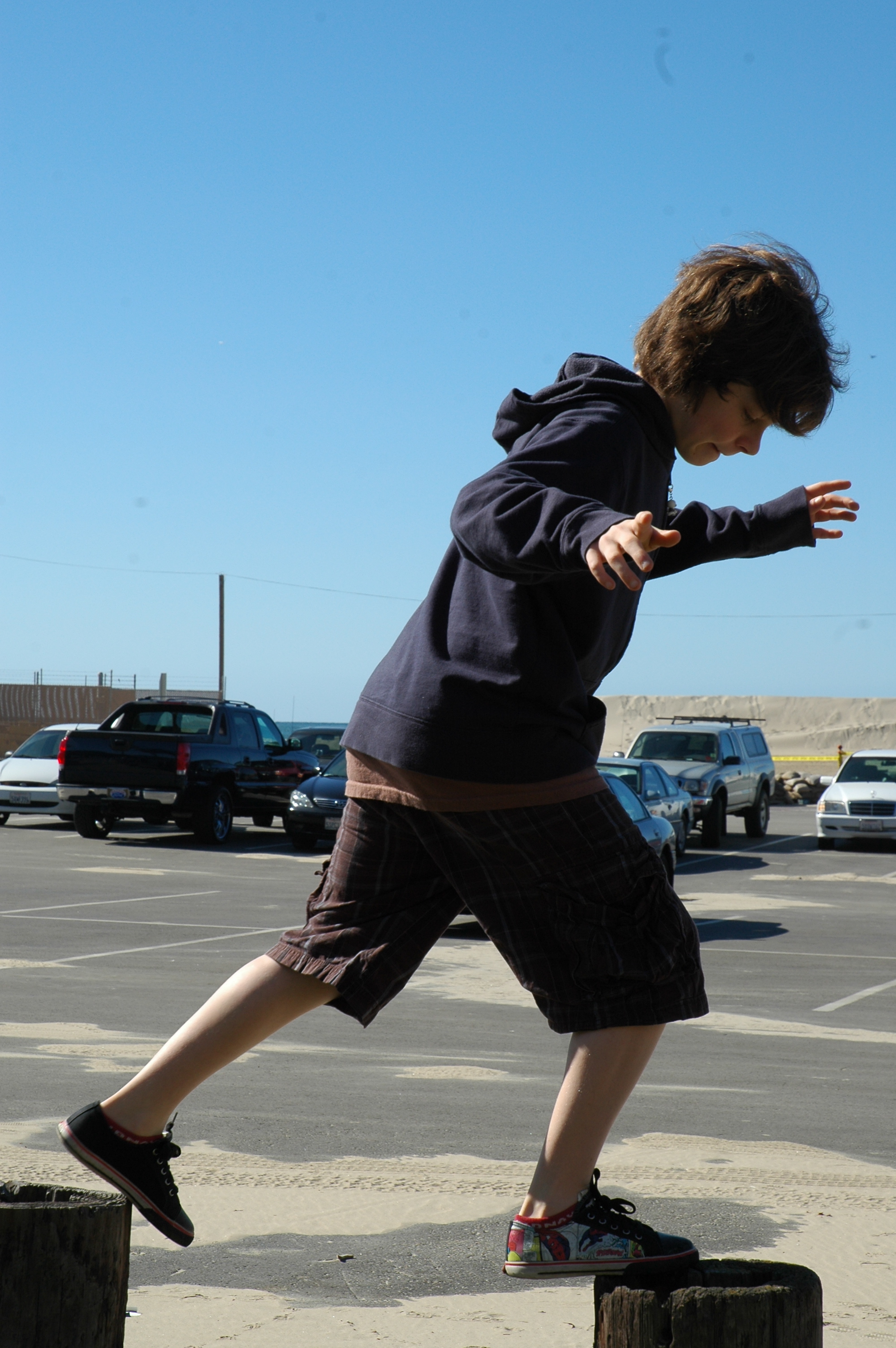
How to strike that balancing? For me, the key to standing on one leg and not collapsing in a sweaty heap of giggles is to be mindful, but not obsessive. I have to focus on gentle breathing (not the shooting pain in my hip), while staying tuned in to the big picture (the pain is worth it if it makes my butt look awesome in my new shorts). Hey, no one said it was easy!

IMG_4927


Old Writers, New Media

IMG_4587So, there I am, a write eejit, feeling overwhelmed by the level of New Media I haven’t mastered, when a thought occurs to me: How would writers in the past have handled today’s plethora of media technology. Would they have passed the proverbial buck and remained scratching away with their goose quills, or clacking away at their typewriters? Or would they have embraced it wholeheartedly? Given that many of the most enduring writers were ahead of their time, it stands to reason that they would have been hanging ten on the New Media wave. I posed the question to my wonderful, tech savvy, and well-read teen, and we riffed mightily. Here are the conclusions we came to.

Samuel Beckett, who rose to the challenge of reducing his later work to its most simple form, would be Lord of the Tweet: All of old. Nothing else ever. Ever tried. Ever failed. No matter. Try again. Fail again. Fail better. (Worstword Ho, 1983) His retweet stats would be legendary. http://www.youtube.com/watch?v=O8mBogVritg

Oscar Wilde, master of the sassy one-liner,  would have millions of followers on Twitter, and probably go mano-a-mano with Beckett in a twitter war: minimalism versus flamboyant provocatism: There is only one thing in life worse than being talked about, and that is not being talked about.

Who can deny Shakespeare the title of King of the Sound Bite: Some are born great, some achieve greatness, and some have greatness thrust upon ’em. (Twelfth Night)

Charles Dickens, a whizz-kid when it came to growing his audience, cornered the market on the serialized format, starting with The Pickwick Papers in 1836. “It’s always best on these occasions to do what the mob do.” “But suppose there are two mobs?” suggested Mr. Snodgrass. “Shout with the largest,” replied Mr. Pickwick. He’d write epic, multi-chapter fan fiction. And Thomas Hardy would write epic Charles Dickens fan fiction.

Wordsworth would go apeshit over Instagram.

I wandered lonely as a cloud
IMG_4577 That floats on high o’er vales and hills,
When all at once I saw a crowd,
A host, of golden daffodils…
(“The Daffodils”, 1807)

Jane Austen, Fairy Godmother of the RomCom, would give Julian Fellowes a run for his money, optioning the movie rights to all her bestsellers. I could not sit seriously down to write a serious romance under any other motive than to save my life; and if it were indispensable for me to keep it up and never relax into laughing at myself or other people, I am sure I should be hung before I had finished the first chapter. No, I must keep to my own style and go on in my own way; and though I may never succeed again in that, I am convinced that I should totally fail in any other. (Letter to Mr. Clarke, librarian to the Prince Regent, 1815)

Mark Twain would have several Kickstarter projects running at once.

Mary Shelley would be tickled pink by the possibilities of CGI when bringing her ‘Modern Prometheus’ to life for the big screen, and insist on 3D. She and Ridley Scott would have long conversations about prosthetics. Accursed creator! Why did you form a monster so hideous that even you turned from me in disgust? God, in pity, made man beautiful and alluring, after his own image; but my form is a filthy type of yours, more horrid even from the very resemblance. Satan had his companions, fellow devils, to admire and encourage him, but I am solitary and abhorred. (Frankenstein, 1818)

Louisa May Alcott would be very active on Pinterest.

The Bronte sisters, well-known cat lovers, would, no doubt, find it impossible not to post cute kitty videos on YouTube.

Virginia Woolfe would make cryptic and overly personal Facebook updates. We have been to Rodmell, and as usual I come home depressed – for no reason. Merely moods. Have other people as many as I have? That I shall never now. And sometimes I suppose that even if I came to the end of my incessant search into what people are and feel I should know nothing still. (Diary entry, 1925)

Edgar Alan Poe, the big Emo, would post morose poetry, and black-and-white giffs of Bergman movies to his Tumblr account.                                                                                                                    But see, amid the mimic route                                                                                                                        A crawling shape intrude!                                                                                                                                A blood-red thing that writhes from out                                                                                                    The scenic solitude!                                                                                                                                          It writhes!—it writhes!—with mortal pangs                                                                                               The mimes become its food,                                                                                                                       And seraphs sob at vermin fangs                                                                                                                   In human gore imbued. (“The Conqueror Worm,” 1843)

James Joyce would embrace the challenge of writing a novel on his cell phone, and cause a minor scandal when his sexting with Nora accidentally goes public.

No doubt, these old dogs could teach us some new tricks.

IMG_4583