The White Deer

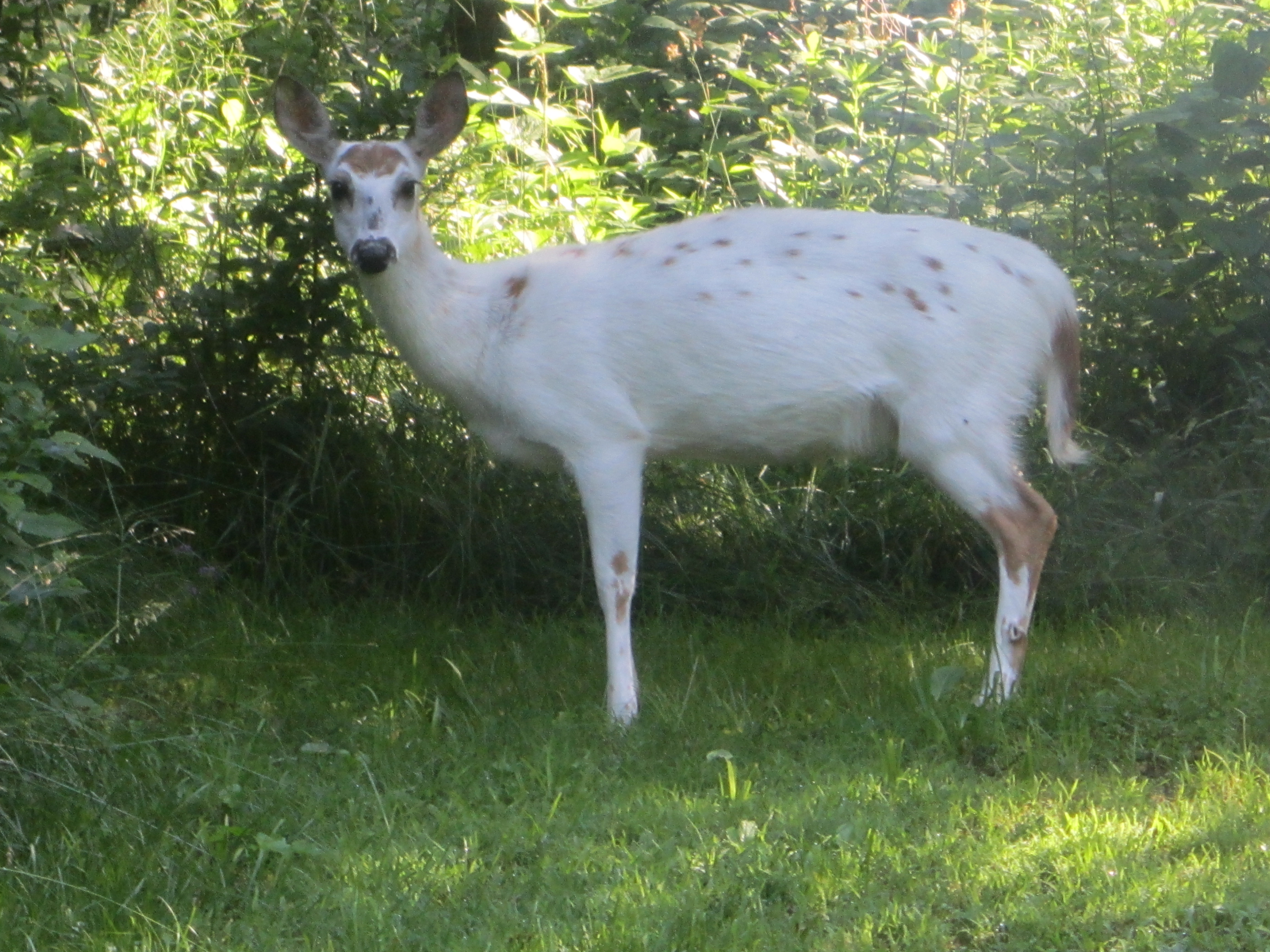
IMG_9960Everyone has a pocket of the universe where they are in their element. This brings me to the story of our white deer. It was born late—a good month after most of the does had dropped their fawns in June. She was tiny and stood out so clearly against the summer green in her snow-white coat that at first I thought she was a young goat. But what was a kid doing frolicking with a small herd of white tailed deer? It didn’t take long before the piebald buck I’d seen tramping through the woods back in the winter, came to mind—an unusual sighting. This aberrant white fawn was not an albino; she had a black nose and dark eyes. She didn’t cavort like the other fawns, but seemed to hobble as though injured. My neighbor later told me he’d watched her being born in the woods behind our house. For the longest time she didn’t stand up and he wasn’t sure she ever would. But here was living proof that she was a survivor.

I watched for that fawn all summer, fascinated by its otherness. Her mother remained with the herd—probably a close-knit family of aunts and cousins and siblings—but always on the periphery. Perhaps this was due to the fawn’s awkward gait which made it difficult to keep up, or perhaps the other deer sensed its difference and kept it on the outside of the group.

Now you have to know that there is no love lost between deer and me. All spring and summer, I rain down curses on their heads as they steadily munch their way through my garden, waiting until the moment the plants they’re not supposed to like have just begun to bloom. This little white fawn, however, had wormed its way into my affections. I was rooting for her, aware that she was the proverbial underdog. While the other fawns with their tan coats speckled with white spots blended in with the dappled shade in the woods, she was a misfit that stood out like a neon target. I waited to see what hunting season would bring.

By the late fall the other fawns had lost their newborn Bambi coloring, and like the older deer, were now well camouflaged against the monochromatic grey/brown woods. The white deer was a spindly adolescent, still well behind the other fawns in size. She often came close to the house to feed and I could see that her ears were brown and she had a smattering of tan freckles on her back—a pretty little thing. And a perfect target for a trophy kill, for those unfamiliar with the many mythic tales of the sacred nature of white deer. http://protectthewhitedeer.com/whitedeer-in-myths-and-legends

And yet she survived until the snow came. At last she was in her element. I watched her through my bedroom window, snow falling softly around her as she pawed through drifts, unearthing tufts of grass. The speckles on the coat helped her merge beautifully with the bramble thicket, while the herd, feeding beside her, stood out like, well, brown deer in a snowstorm.

IMG_0884

In stories we root for the underdog. They have so many obstacles to overcome, they need our concern, our love. We can’t help but rejoice when they find their environmental niche and thrive. And in her case, rather than shine, blend in.IMG_0891

The white doe has made it through three winters—three hunting seasons. I always watch for the flash of white in the woods around the house. Sometimes in winter I’ll look out my bedroom window at night and find her sleeping right outside. No wonder she works her way into my dreams. The other morning, a damp, green day, I looked up from my computer and watched her step out of the woods and pick her way daintily across the lawn, and there, several paces behind her was a tiny, spindly, fawn—brown with white spots. I shouldn’t have to worry about it, but I do.
IMG_5161

WHAT KNITTING CAN TEACH YOU ABOUT STORYTELLING

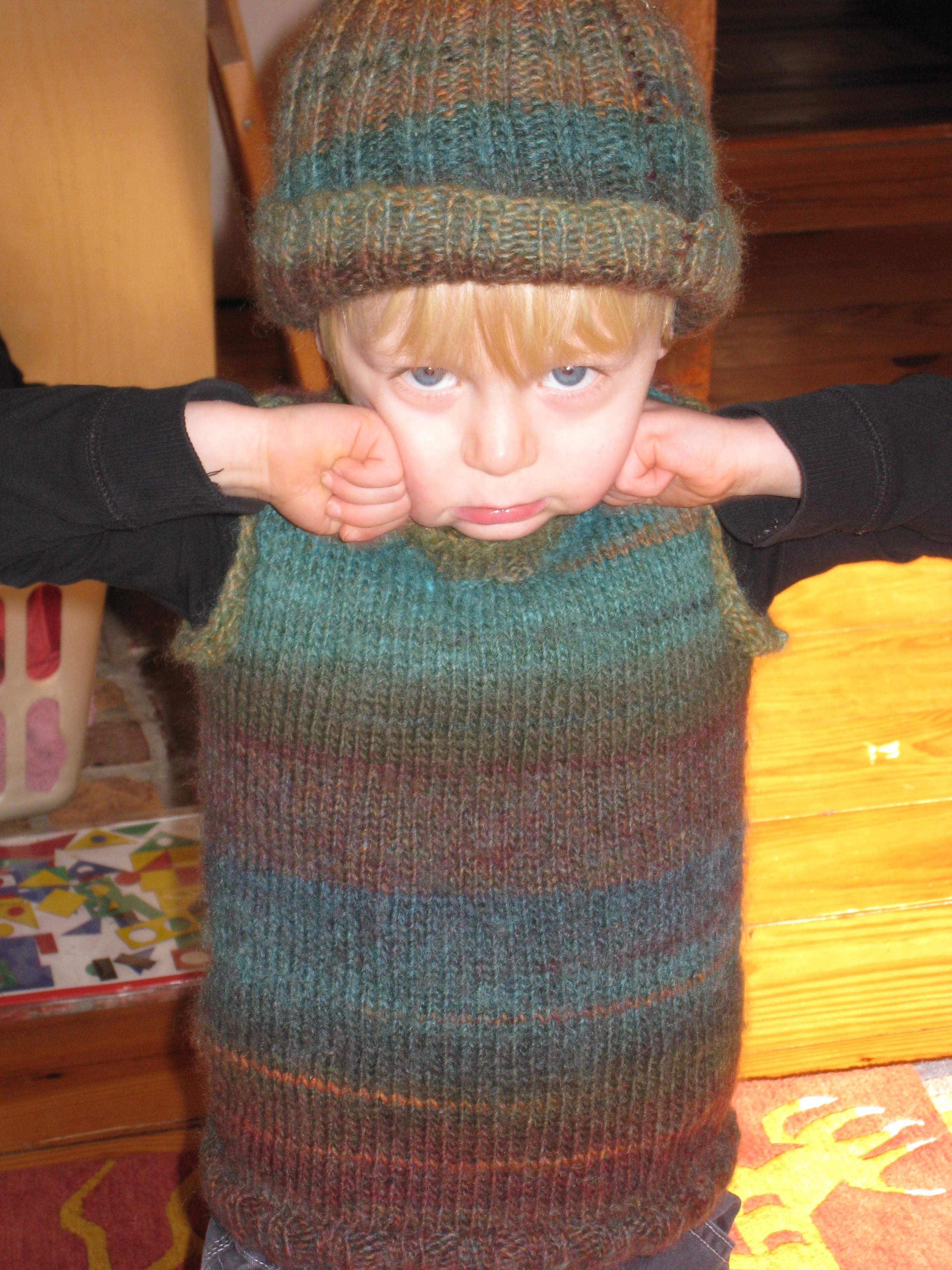
IMG_0323You’re a write eejit when you can’t control your knitting habits.
It hit me the other day like a blast from a water cannon that I’d become one of those crazy-aunt knitters. I knit things for people, unasked. I decide what they want—shape, color, pattern—and gift it to them so they feel obliged to wear it occasionally, and are terrified of tossing it in the bag for The Good Will.

“Socks, here ya go!” “Hats, I got that.” “Legwarmers—I thought of you!”

Yes, I know it became very trendy to knit a few years back, but honestly, I wasn’t riding that wave. I’d done it in a halfhearted, multiple unfinished projects at the back of the cupboard, way since I was a kid. I blame television, or rather, bad television. You need a distraction on hand—hence the knitting.

The success of my knitting hinges largely on how good what I’m watching is. I can rate a show, by how many rows I rip out the next day: the better the show, the more mistakes I make.

Mad Men, Game of Thrones, Breaking Bad, all six-month sweater projects, for sure.

What do these programs have in common? Great storytelling, gripping scenes, emotional involvement. They suck you in. And sigh, yes, the writers of these shows are such experts in their craft that before you know it, you’ve knitted three armholes, or two left sides. I can always tell how good a season of Game of Thrones is if I’m still knitting a winter sweater in May.

Instead of torturing nearest and dearest with my knitted offerings, I should be sitting on the couch with a pen and paper, taking copious notes on story arc, character development, tension building. And I swear I will, just as soon as I’ve finished this tea cozy hat.

Balancing Act

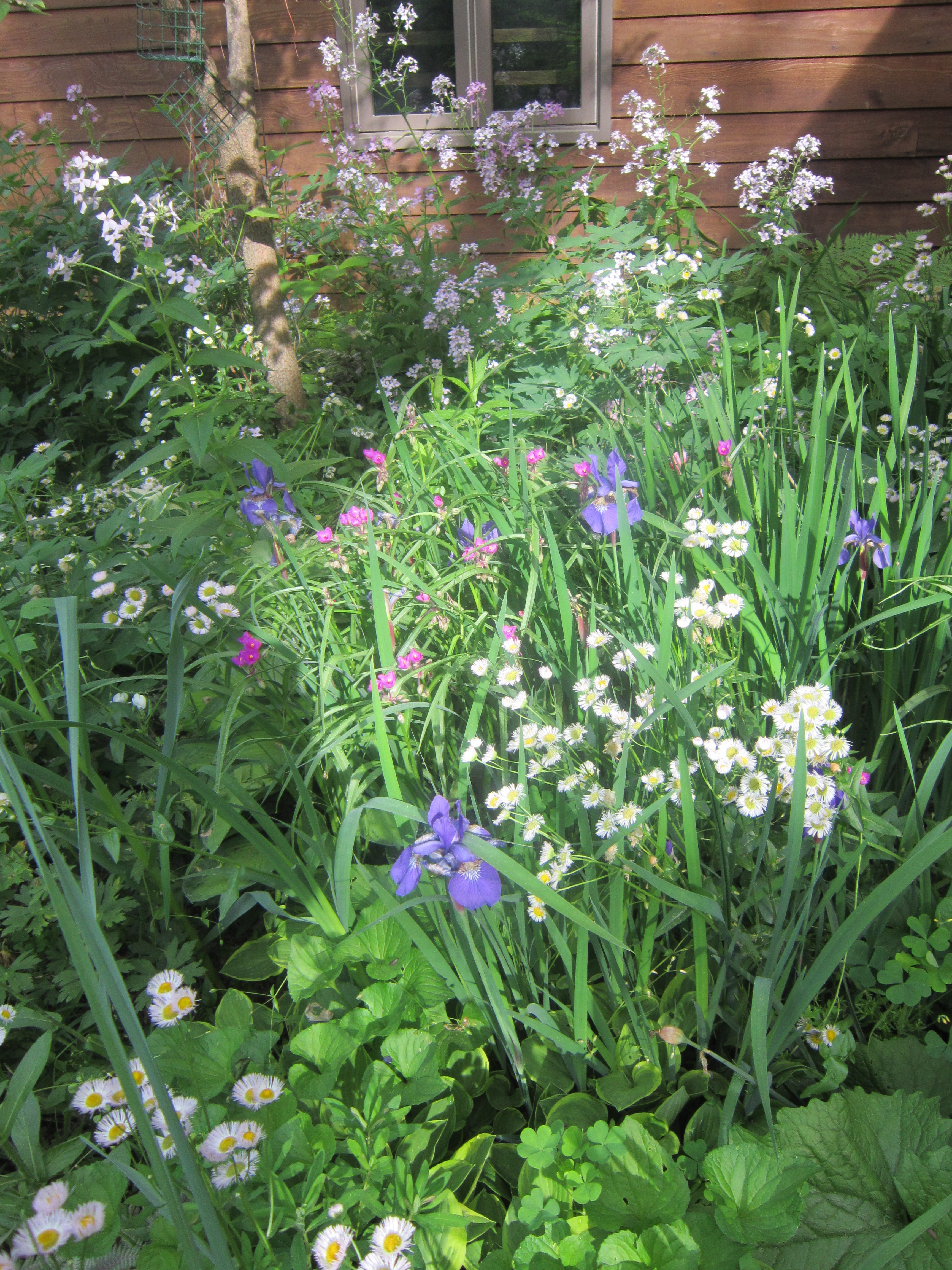
At this time of year my garden goes bonkers. It takes on a life of its own.IMG_4935

Just enough warmth and rain has tripped the switch on new growth, and before my eyes the landscape is transformed into an acid-hued world, dripping with fecundity (love that word). When I step out the door on a mild and misty morning it feels as though, overnight, this green beast has slithered closer to the house, threatening to wraps its tentacles around it.

I find myself waging a battle between cultivating nature, and keeping it at bay. If I don’t get out to weed the vegetable patch at least once a week, virulent native weeds soon overrun the seedlings of spring greens.IMG_4910

And yet, how many times have I knowingly allowed pop ups from my compost heap—serendipity seedlings, I call them—take root and been thrilled by the bonus mini pumpkins or wild garlic. On my morning walks I even carry a plastic bag and spoon so that I can transplant common native wildflowers into my woodland garden. My perennial beds are full of poppy seedlings and daisies that have found their niche. I tell myself I must be doing something right when they start merrily throwing the next generation around.

IMG_4892 Everywhere I turn the concept of balance screams at me. In kick boxing class the instructor dreams up challenging balance poses to strengthen our core muscles and improve our overall physical wellbeing. The latest dietary studies exhort us to eat a balanced diet. And I swear, I strive to balance the carbs and the chocolate.

Sometimes it’s hard to know the difference between good and evil. I just read Michael Pollan’s fascinating article in the New York Times magazine: Germs, What we can Learn from our Microbiome,  about the community of microbes that colonize our bodies, keeping our bodies functioning optimally. Contrary to what our mother’s said, sometimes it’s beneficial to get down and dirty.IMG_0332

Our lives are one big balancing act: pain versus pleasure, task versus reward, reality versus fantasy. It’s a daily struggle to maintain a middle path, not to become engulfed in one thing over another, to strike the balance.DSC_0347

How true this is in the world of the writer. You have to fall in love with your characters and plot so that you can write from the heart, yet remain detached enough so that you can cut them to ribbons if that’s what it takes. Yes, you need to make time to connect with your reading audience and interact with the writing community. But when chasing the tweet dragon gets in the way of writing, you know things are out of whack. As I tug weeds in the garden, I often think how similar the process is to editing. You want to clear away enough detritus so you can see your story grow and bloom, but you don’t want to remove all those serendipity seedlings.

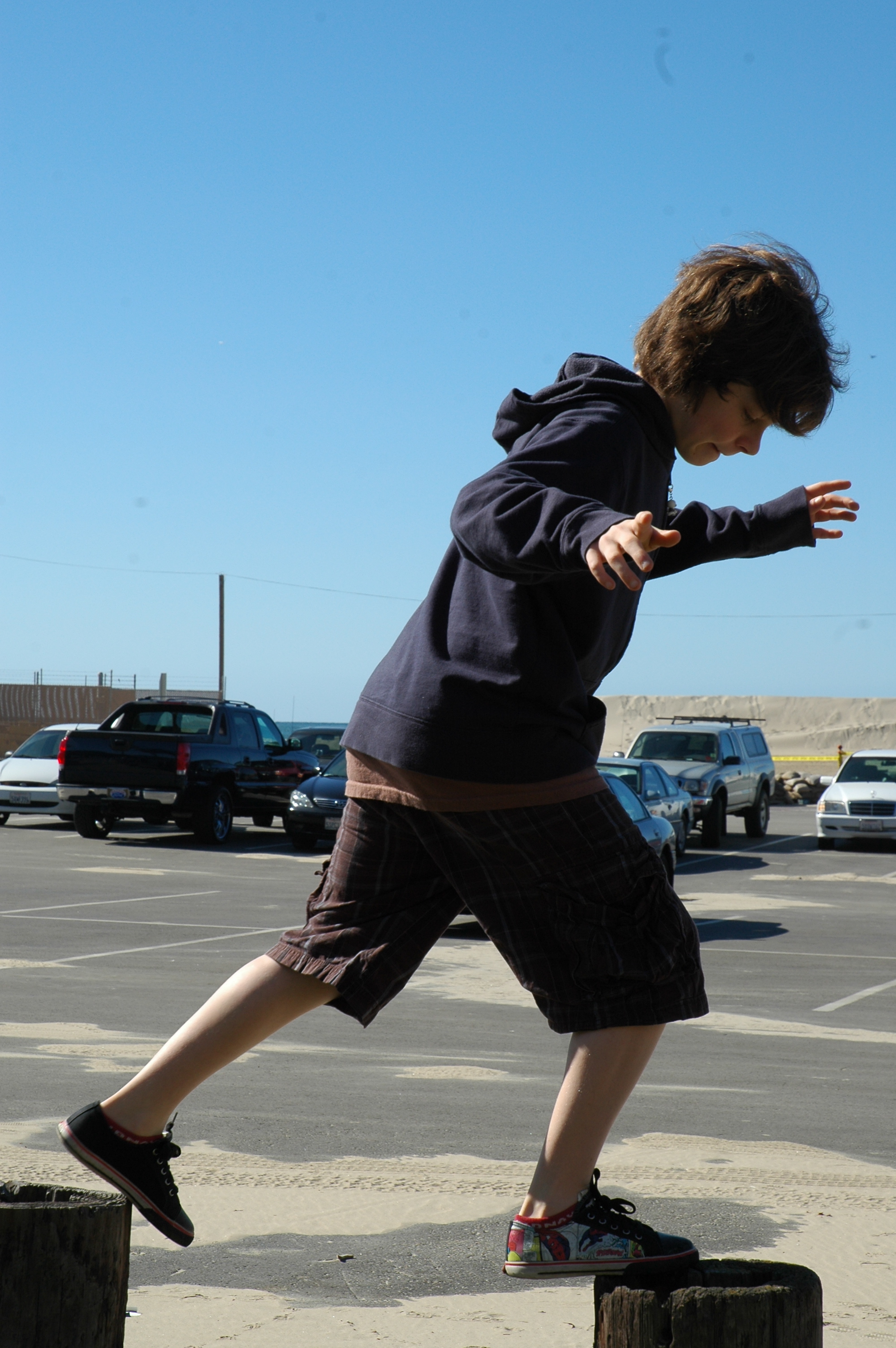
How to strike that balancing? For me, the key to standing on one leg and not collapsing in a sweaty heap of giggles is to be mindful, but not obsessive. I have to focus on gentle breathing (not the shooting pain in my hip), while staying tuned in to the big picture (the pain is worth it if it makes my butt look awesome in my new shorts). Hey, no one said it was easy!

IMG_4927


How to painlessly get your kids ready for school (and college) in half an hour a day.

My husband and I had just brought our first newborn home from the hospital. Honestly, I couldn’t believe they’d let us walk out of the place with her—didn’t they know we were completely clueless? The first diaper change was a fiasco that reduced us to helpless laughter. We were woefully unprepared. The fact that our daughter had DSC_0095showed up a couple of weeks early didn’t help. In those first few days, we walked around in a zombie-like state. One afternoon, while I was napping with the baby, my husband slipped out for a breather. When I woke up, he was back with the first gift he would ever give her—a collection of children’s books that he had loved as a child.

That very day, he propped her warm, saggy little body into the crook of his arm and read her The Lorax. And so began our favorite childhood routine. We read morning, afternoon, and night. Basically, anytime there was a bed involved, and frequently when there wasn’t. In the beginning it was all about indulging our own memories of books. But soon we discovered wonderful new classics of children’s literature. And it didn’t take long before the Ikea bookshelf in her shoebox-sized room was overflowing. When her brother arrived eighteen months later, our days revolved around the park, the bookstore, and the library. He even took his first steps, staggering, giggling, through the stacks in the children’s section of the Brooklyn Public Library.

Shortly after that, our book collection—children’s and adult’s—forced us to beat a retreat from city life. Our drafty old Saltbox was soon insulated with a solid six inches of books.IMG_0083

Toward the end of our second summer living in the county, an event loomed that left me full of dread. Our daughter was off to kindergarten, and the prospect of upsetting our leisurely morning routine—lounging in bed, gasping at the grossness of a Roald Dahl story, or laughing aloud at Shel Silverstein poems—was dismal. I knew that trying to get a cranky, uncooperative kid dressed, fed, and ready for the 8:15 bus was going to put us all in a major snot. Add to that, my determination not to give up our precious morning reading session. Like all good drill sergeants, I came up with a plan. Surprisingly, it worked so well, it became our new morning routine.

The night before I would pull out the next day’s gear (thankfully my kids were never fussy about what they wore). Then, half an hour before I knew the kids needed to be dressed and shoveling food into their faces, I woke them up. This sometimes involved picking them up, semi-conscious, and depositing them in our bed, along with an armful of clothing, various must-have soft toys, and a stack of books. As they snuggled back under the covers, I began to read to them. After about five minutes of a rollicking picture book, guaranteed to capture their attention, they’d be wide-awake. I’d read the next installment of whatever chapter book we happened to be reading—Little House in the Big Woods, The BFG, Harry Potter. Just when I reached a particularly juicy part, I’d pause and say, “Time to get dressed.” Rather than eliciting groans of despair, the kids knew, that was the signal to quietly drag on their clothes, while I finished the last few tantalizing paragraphs. Violá! I had a fully awake, fully dressed, happy crew, ready to face the day with their heads already bulging with stories, and their imaginations firing on all cylinders. An added bonus to all this was that my kids learned to read relatively painlessly, acquired a vocabulary that stopped adults in their tracks, and best of all, a love of books.

I would be fretting about what to do with the Alexandria-sized stacks of children’s book we’ve accumulated over the years when my daughter heads off to college this fall. But lucky for me, my six-year old has allowed us to indulge our morning reading routine just a little bit longer.

Three cheers for children’s books! IMG_0593

Old Writers, New Media

IMG_4587So, there I am, a write eejit, feeling overwhelmed by the level of New Media I haven’t mastered, when a thought occurs to me: How would writers in the past have handled today’s plethora of media technology. Would they have passed the proverbial buck and remained scratching away with their goose quills, or clacking away at their typewriters? Or would they have embraced it wholeheartedly? Given that many of the most enduring writers were ahead of their time, it stands to reason that they would have been hanging ten on the New Media wave. I posed the question to my wonderful, tech savvy, and well-read teen, and we riffed mightily. Here are the conclusions we came to.

Samuel Beckett, who rose to the challenge of reducing his later work to its most simple form, would be Lord of the Tweet: All of old. Nothing else ever. Ever tried. Ever failed. No matter. Try again. Fail again. Fail better. (Worstword Ho, 1983) His retweet stats would be legendary. http://www.youtube.com/watch?v=O8mBogVritg

Oscar Wilde, master of the sassy one-liner,  would have millions of followers on Twitter, and probably go mano-a-mano with Beckett in a twitter war: minimalism versus flamboyant provocatism: There is only one thing in life worse than being talked about, and that is not being talked about.

Who can deny Shakespeare the title of King of the Sound Bite: Some are born great, some achieve greatness, and some have greatness thrust upon ’em. (Twelfth Night)

Charles Dickens, a whizz-kid when it came to growing his audience, cornered the market on the serialized format, starting with The Pickwick Papers in 1836. “It’s always best on these occasions to do what the mob do.” “But suppose there are two mobs?” suggested Mr. Snodgrass. “Shout with the largest,” replied Mr. Pickwick. He’d write epic, multi-chapter fan fiction. And Thomas Hardy would write epic Charles Dickens fan fiction.

Wordsworth would go apeshit over Instagram.

I wandered lonely as a cloud
IMG_4577 That floats on high o’er vales and hills,
When all at once I saw a crowd,
A host, of golden daffodils…
(“The Daffodils”, 1807)

Jane Austen, Fairy Godmother of the RomCom, would give Julian Fellowes a run for his money, optioning the movie rights to all her bestsellers. I could not sit seriously down to write a serious romance under any other motive than to save my life; and if it were indispensable for me to keep it up and never relax into laughing at myself or other people, I am sure I should be hung before I had finished the first chapter. No, I must keep to my own style and go on in my own way; and though I may never succeed again in that, I am convinced that I should totally fail in any other. (Letter to Mr. Clarke, librarian to the Prince Regent, 1815)

Mark Twain would have several Kickstarter projects running at once.

Mary Shelley would be tickled pink by the possibilities of CGI when bringing her ‘Modern Prometheus’ to life for the big screen, and insist on 3D. She and Ridley Scott would have long conversations about prosthetics. Accursed creator! Why did you form a monster so hideous that even you turned from me in disgust? God, in pity, made man beautiful and alluring, after his own image; but my form is a filthy type of yours, more horrid even from the very resemblance. Satan had his companions, fellow devils, to admire and encourage him, but I am solitary and abhorred. (Frankenstein, 1818)

Louisa May Alcott would be very active on Pinterest.

The Bronte sisters, well-known cat lovers, would, no doubt, find it impossible not to post cute kitty videos on YouTube.

Virginia Woolfe would make cryptic and overly personal Facebook updates. We have been to Rodmell, and as usual I come home depressed – for no reason. Merely moods. Have other people as many as I have? That I shall never now. And sometimes I suppose that even if I came to the end of my incessant search into what people are and feel I should know nothing still. (Diary entry, 1925)

Edgar Alan Poe, the big Emo, would post morose poetry, and black-and-white giffs of Bergman movies to his Tumblr account.                                                                                                                    But see, amid the mimic route                                                                                                                        A crawling shape intrude!                                                                                                                                A blood-red thing that writhes from out                                                                                                    The scenic solitude!                                                                                                                                          It writhes!—it writhes!—with mortal pangs                                                                                               The mimes become its food,                                                                                                                       And seraphs sob at vermin fangs                                                                                                                   In human gore imbued. (“The Conqueror Worm,” 1843)

James Joyce would embrace the challenge of writing a novel on his cell phone, and cause a minor scandal when his sexting with Nora accidentally goes public.

No doubt, these old dogs could teach us some new tricks.

IMG_4583

High Jinks in the Harem

IMG_3793

You’re a write eejit when you’re visiting the harem of the Topkapi Palace in Istanbul, and all you can think of is that life here must have been an endless Turkish soap opera.

Forget the sex—the depiction of the harem as a den of endless orgies and plump naked women lying around, ripe for the plucking is largely a construct of the Western imagination—can you imagine the intrigues and scandals that went down? One would give a major body organ (and some did) to be a fly on the wall in the harem.

Harem paiting

John Frederick Lewis

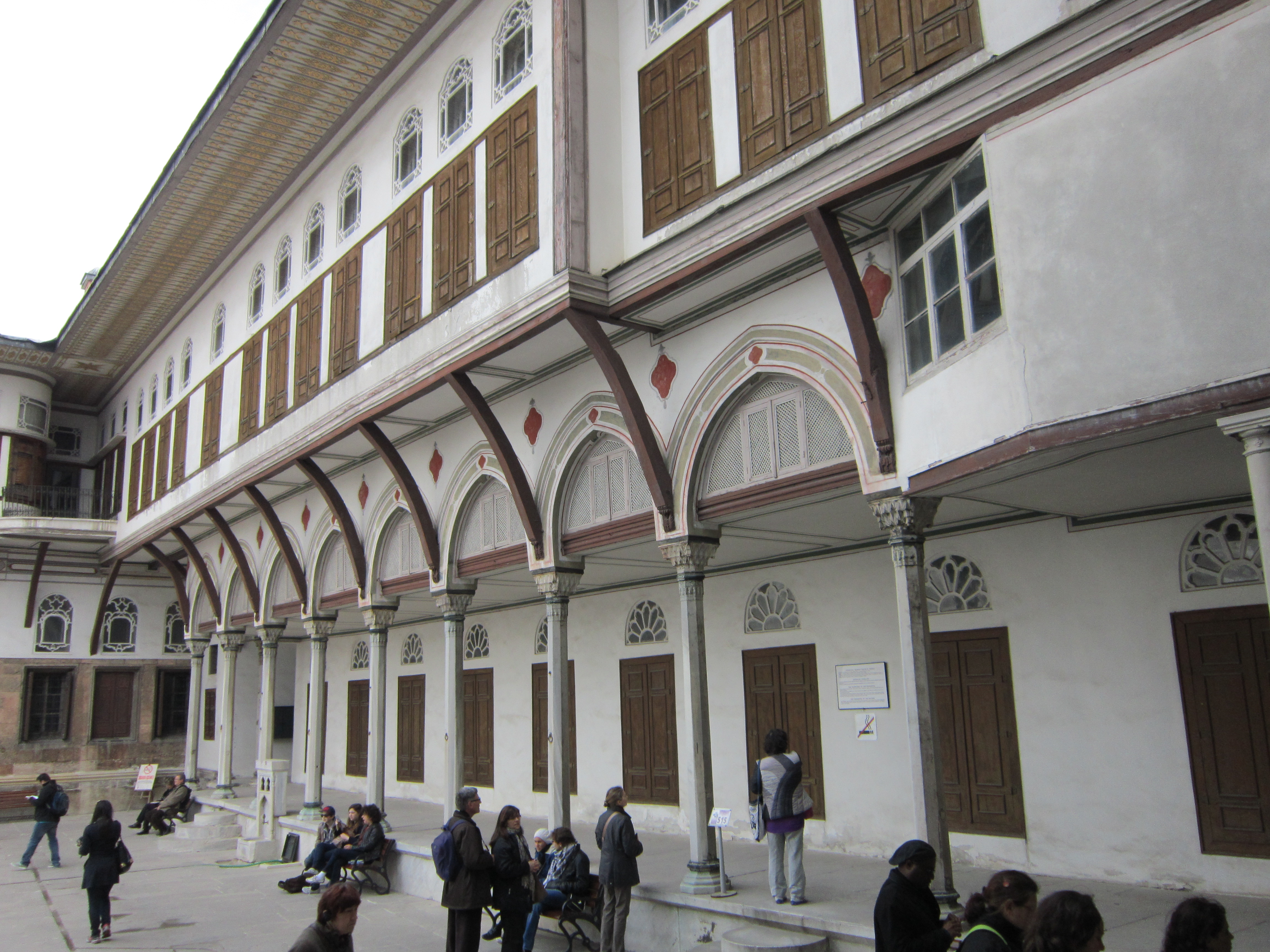
The harem was the main living quarters of the Sultan, his dear old Mum, sisters, wives, children, consorts, female servants, and of course his concubines. It was a world of women—with the exception of the Sultan’s most trusted eunuchs, and the young princes who remained there until they came of age. The name harem says it all: sacred inviolable place, or forbidden place.

Each group had their own buildings, clustered around a courtyard. For example, The Courtyard of the Concubines, The Queen Mother’s Courtyard, or the Eunuchs Courtyard. There was a strict hierarchy in play. Novices lived on the upper floors, while senior staff, and most favored lived on the ground floor. The chummier you were with the Sultan, the closer your proximity to his chambers.

The Sultan’s mother—and yes, that would make her the mother of all mother-in-laws—wielded serious political clout, as did his wives. These lucky few could bend the ear of the Sultan in a highly confidential setting.

Courtyard of the Favourites

Courtyard of the Favourites

IMG_3816

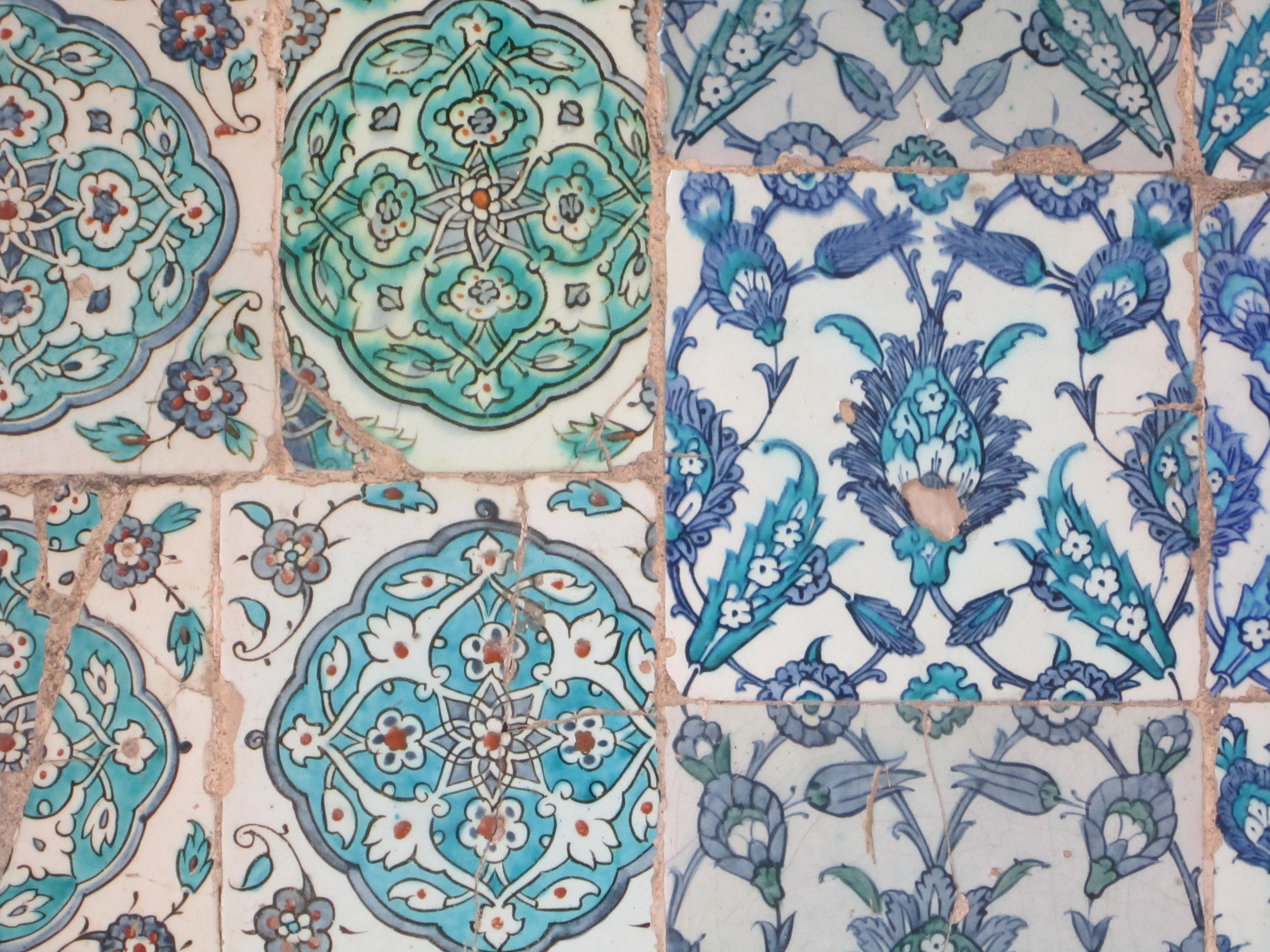
As you wander around from one stunning, tiled room to another, you can’t help imagining what it must have been like to be a young concubine in the 17th century. For a start, you’d need the prerequisite bona fides even to be considered for concubinage: be well-brought up from a family eager to curry favor with the court (or a kidnapped prisoner), young, intelligent, and relatively attractive—no hairy mustache or body odor. On arrival at the palace, you’d be handed over to a strapping, black eunuch who’d show you to your living quarters at the very top of the harem complex, far away from the luxurious quarters of the most favored consorts, and even further from the wives’ quarters, and so far away from the sultan’s boudoir you barely ever caught a glimpse of him. You’re dreams (if you weren’t pining for that cute village boy you’d left behind) of becoming one of the sultan’s favorite wives and bearing him lots of fat sons, and eventually becoming a great and powerful lady, all while leading a life of leisure and opulence, would be fading fast. You’d probably be put in charge of an older concubine who’d “aged-out” or never made it to the big leagues. And it would be her responsibility to show you all the tricks of the trade. All around you, you’d hear snippets of gossip from your fellow novices, and chatter from the eunuchs overseeing the household: who was in favor, who had betrayed a confidence, who had tried to run away. And sooner or later you’d be sucked into the daily dramas and intrigues of the harem, and find yourself succumbing to petty jealousies. Why was that snotty cow from Ephesus picked to dine with the Sultan and not me? She’s got fat ankles. Or, why did that girl with fur all over her back like a bear get to dance for the Queen Mother? You might find yourself second-guessing your special abilities; maybe my singing voice is rather like the screeching of the gulls. Or comparing yourself unfavorably to those around you: My bottom will never bounce like Zeynep’s when I walk. Before you know it, you’re in a right funk and instead of rejoicing in the good fortunes of your fellow inmates, enjoying their camaraderie, and learning from their experiences, you’re envying their success, and mixing up herbal potions to give your rivals genital warts.

Okay, so you’ve probably guessed where I’m going with this—this world is not too different from the world of writers. As we struggle with yet another rejection, it’s hard not to occasionally look on the achievements of our fellow writer’s without a touch of envy.

Permit me to flog this Turkish harem analogy to its death. Let’s plunge into the Hamam or traditional Turkish bath house. Here, in a scene that could be lifted from a Fellini movie, luscious naked women of all shapes and sizes, lounge on the heated marble slabs. Once the steam has opened the pores, the women take turns scrubbing each other, and massaging away the tensions of daily life, leaving a healthy glow of bonhomie.

As a community of writers, instead of indulging in petty jealousies and insecurities, we should all learn to be back scrubbers and ego massagers, knowing that our turn will come, and oh, how good it will feel.

IMG_3825 IMG_3854 2

Hot date with your psyche

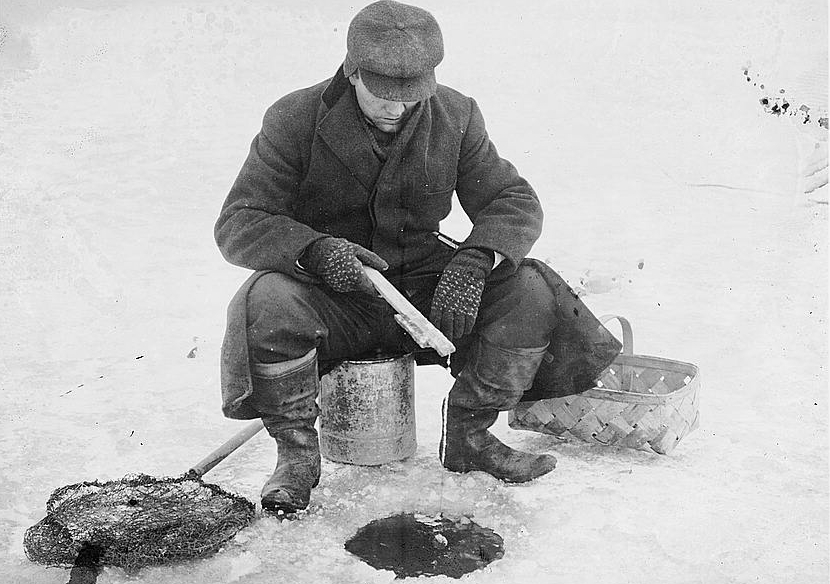
icefishingYou’re a write eejit when you haven’t checked in with your psyche since Iceland last went volcanic.

Sad thing is, you never know how much you need to do it, until you do it. Duh!

So, it’s my late winter get-in-touch-with-my-inner being time. I have a hot date with my psyche. I’m taking it away for the weekend up to the Berkshires of Massachusetts. We’ll sit, wrapped in a blanket, bemusedly gazing at small clots of ice fishermen, breathing in the 15˙ air through coffee breath and last night’s beer-furred tongues.

Of course, whom I’m actually getting in touch with is highly subjective. Aristotle would sit me down and point out that my quiet weekend was actually quite a crowded affair with all three of my souls or psyches present—my (party) animal, my morning-after vegetal, and my rational (oh my god, you mean I have to clean this shit up!). If you ask Jung, I could be communing with my psyche—the totality of all my psychic processes—and on a whole other level with my soul—or partial personality. Yeah, I was afraid of that! But Freud would argue that I’m partying with my Id and my Super Ego, and my Ego is sitting in a corner acting as chaperone.

But whatever. I’ll be there, enjoying the peace and quiet, and it’ll hit me that there’s nothing better than sitting and listening to good music and thinking about parallel universes and something and nothing. My brain’s been strapped to a conveyor belt for months and now, finally, I’m taking it for a walk in the woods. It’s like a puppy leaping down each leaf-strewn path, sniffing at tree stumps, eating deer poop, squatting to mark its territory.

And then something—or nothing—will strike me as being peculiarly funny and before I can edit myself, a laugh bubbles out of me. I feel the stress that has been building in the knots at the back of my neck making me look like a latter day Quasimodo, leaving my body.

Of course me and my psyche would be firmly and bitterly divorced by now if I hadn’t figured out that in my everyday world I have to snatch those moments of freewheeling introspection wherever I can: Sitting in an early-morning rumpled bed, sipping tea and doing the daily purge in my notebook, or after lunch, curled up on the doorstep like a cat, soaking up the faintest kiss of March sun, or later, in the evening, between the simmering rice and steaming vegetables, sitting in the iridescent green armchair in my study, watching the day’s light leech out of the sky and the first planet beginning to glow.

Those are my stolen moments of sanity, when my inner psyche and my outer goddess hang out with a glass of nectar of the vine and make daisy chains out of something—or nothing.

Begining of the Gardener’s Year

IMG_3320 IMG_3310So, here’s a little essay I read on National Public Radio a few years ago.

Catalog Season,

The Beginning of the  Gardener’s Year

They start arriving during the holiday season, squished in with the endless toy sale coupons, credit card bills, and the rare Christmas card. The catalog covers are bursting with wholesome goodness, though a true gardener knows the truth – you’ll never get botox tomatoes or porcelain perfect rosebuds in your garden without the use of massive amounts of toxic treats. That aside, their luscious covers stay my hand as I’m about to toss them in the recycling pile. Over the next month or two my bathroom will become the resting place for an ever-increasing pile of plant and seed catalogs. This is for strategic perusal during a moment of privacy in the manic holiday season.

By mid-January, when the deer have eaten their way through anything left sticking up out of the snow, and all hope of a shrubbery is growing dim, I get those first twinges. I feel an urge to see seed trays cluttering up the windowsills and kitchen table. I start feeling wistful for that warm place under the kitchen sink– the perfect spot for cozy, dark, moist germination. I’m feeling the drag of winter, and the hopeful swaying towards spring. Winter in the Northeast lays down heavily from January through February and into March, and then teases through April. But I’m beginning to sense the latent promise of the soil.

The catalogs are dragged out of the bathroom and piled by the couch. On brittle winter evenings, by lamplight, I start the long slow sift. Of course, it’s all about fantasy, little will actually be bought. Gardeners have to dream at this time of year: the perfect herb garden springing up amidst neat mounds of box wood and crunchy gravel, a rustic arbor overflowing with grape vines and late summer roses. Perhaps this year there’ll be a woodland bower with trickling stream and dappled shade flowers. With the back of an old envelope I go to work on the grand scheme.

Once I have perused the warty old heirloom vegetables in the organic catalogs, and the glossy offerings from the established old nurseries and fallen in love with some exotic vine from Peru that will never survive in my deer-infested garden, I pass them on to the children to cut-up for school projects. Those genetically modified tomatoes go right at the top of the food chain. In a Martha Stewart-inspired moment I have cut and pasted a rose garden full of gift tags.

I have a weakness for the cheapo catalogs, printed on wafer thin paper and bursting with special offers and 1¢ marvels. The crudely touched up photographs and the neon colors jump off the page at you. I especially love the cheesy photos of children dressed in ‘70’s outfits and sitting atop giant pumpkins with bemused smiles on their faces. I think my all-time favorite was a bonnie baby clutching a sweet pepper as big as its head with the title “Super Heavyweight Hybrid”. Some of the offerings are intriguing – a fruit cocktail tree straight out of “Willy Wonka” which bears plums, peaches, nectarines and apricots. While others are just plain scary. Surely the ‘Hairy Giant Starfish Flower” comes from outer space.

There is no such thing as too big or too sweet in the vocabulary of the people who write the copy for the vegetable and fruit catalogs. They seem to have a passion for words such as “Juicy”, “Smooth”, and “Delicious”. And then of course there are the names – “Fat “n” Sassy”, Mammoth Melting Sugar, Magnifisweet, Delectable, Phenomenal, Serendipity, Love-Me-Tender and Florida Speckled Butter. How could one not succumb? My success rate from these cheap and cheerful orders is about the same as from the much grander (and more expensive) nurseries. Which only goes to prove that I can kill cheap or expensive plants equally well.

Once I’ve reigned in my ambitions and placed my modest order all I have to do is sit back and wait for that freak 80˚ day in April when the dear UPS man will roll up in his van. Of course the garden will be untilled – a quagmire of spring mud. The tender plantlings will languish in a shady corner of my mudroom for several days. Insistent birdcalls staking claim to sections of the garden will get me out of bed at 6am. With fork in hand I’ll brave a light frost and watery sunshine to start the backbreaking work of turning over the soil in the perennial garden and the vegetable patch. Large clods of earth held together with ice crystals get turned over and left to sunbathe.

Hours later, I’ll waddle, with bent back, to the aptly named mudroom, my boots coated in a gelatinous layer. The next day, if there isn’t a late season snowstorm I’ll plant the baby leeks and get the first sowing of peas in. I’ll look down and notice that the paper I grabbed to put under my muddy boots is last season’s plant catalog.

Mud Season

Mud-Wrestling

You’re a write eejit when you love to play in the mud.

It’s that time of year where I live. A few days of rain and sleet have melted the foot or so of hardened snow and ice and turned the top layer into a gelatinous, brown mess. I didn’t get out early enough for my run through the woods and the icy ridges that I can usually balance on had turned into a mushy quagmire. I came home up to my uxters in mud.

There’s always a stage in a project where it turns to mud. Each direction you look you’re wallowing in muck. How did you get here, and more to the point, how are you going to get out?

It’s all a matter of perspective, folks. Once upon a wet, misty day in Ireland—yes, that could be any day, but this one was particularly memorable—I was six and my eldest sister, eight, and our parents took us for a hike up a mountain in Connemara. (In Ireland you don’t sit around waiting for the rain to stop, otherwise you’d never go anywhere or do anything.) So there we were, the four of us, being pummeled by gale force winds on the top of a craggy peak, the car was a tiny speck far below us with acres of steep, godforsaken bog and sheep tracks between us and the chocolate bar I’d left stashed under my seat. My short legs were already aching, and my Welly boots full of sludge from falling in one too many bog holes. What’s a girl to do? As we slipped and slid our way back down the mountain, rapidly becoming more and more covered in mud and soaked to the skin, my mother gave up trying to keep us upright. “All right, girls, go for it!” That was all the encouragement we needed. My sister and I rolled down the rest of that mountain, bumping through tussocks of bog cotton and cushiony pillows of heather. By the time we reached the car we were beyond saturation point. My mother stripped us off and wrapped us in scratchy wool blankets, and we sat grinning all the way home, munching chocolate.

You see, sometimes you just have to embrace the chaos, not wallow in it. As the gardener and the potter and the writer knows, if you’ve got mud, you’ve got substance. It’s ripe for growing. But first you’ve got to play a little. Revel in the chaos, and then slowly, slowly, let it take shape.