Tag Archives: writing

TOP TEN THINGS I’VE LEARED ABOUT BLOGGING

DSCF0773

Blogging is not for sissies. It takes time, focus, and hard work if you want to put out blogs that won’t make you cringe down the road. But the rewards are big. As the Write Eejit comes to the end of its first year, I thought it a good time to look back at what it’s taught me so far.

  1. Nobody just pops out a post worth its salt. Even the folks that seem to effortlessly come up with witty and informative things to say on a daily basis have more than likely been mulling them over for a while.   WHITE DEER
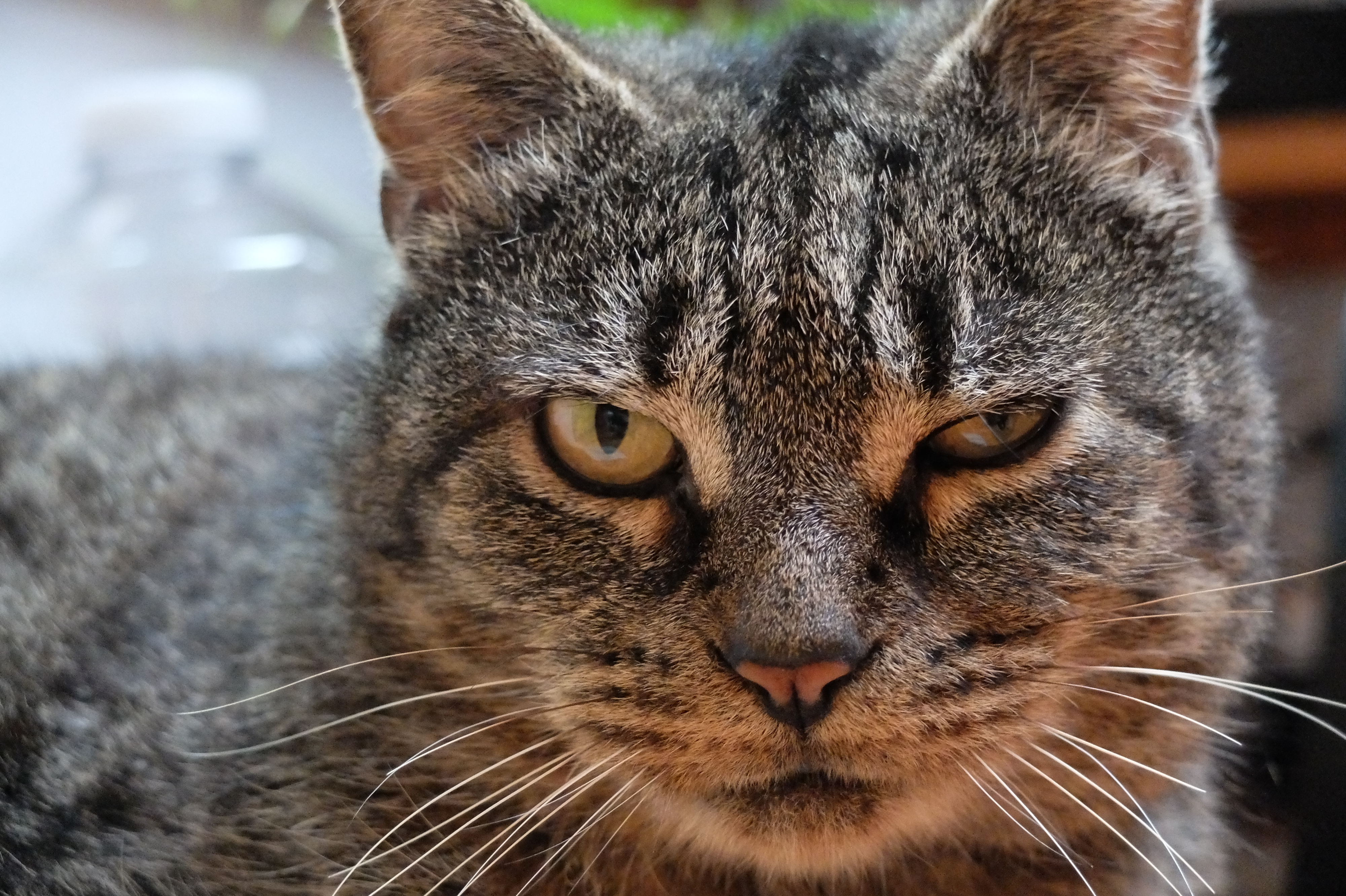
  2. It’s an excellent way to get a load off my chest. Feeling aggravated or ecstatic about something? Why not post a mini rant. So what if I’ll forever be known as that miserable woman who hates her cat. I HATE MY CAT
  3. Blogging has a way of bringing things into focus. Coming up with topics not only allows me to live in the moment, but also reflect on past events in a new light. GOLDEN MOMENTS
  4. I get to experiment without having to commit to a specific idea or format. PAGAN MOON
  5. I’ve rediscovered things about my past that had dropped off my radar. HIPPIE ADVENTURE
  6. On good days when I post without a hitch, blogging makes me feel like 21st century Warrior Woman. On bad days when I can’t figure out why my password has reset itself, I’m an FTD (frustrated tech dummy). OLD WRITERS NEW MEDIA
  7. Blogging forces me to set goals and shoot for a deadline, and is a constant reminder to adhere to good writing habits—check spelling and punctuation before hitting “Post”. COTTER PIN
  8. Blogging helps me take that breath and reevaluate where I am, both in life, and as a writer. MUD SEASON
  9. There are many talented and inspiring fellow bloggers out there. HIGH JINKS IN THE HAREM
  10. And when those “Likes” and comments pop up, boy is it instant gratification for someone who spends a lot of time tapping away in no-woman’s land. BLIND SQUIRREL PARENTING

SNOW–LOVE IT OR HATE IT?

IMG_3230It’s that time of year again; my halls are decked with dripping snow boots, pants, hats, and mittens. We’ve been frolicking in the fluffy stuff, building forts, packing snowballs, snapping snow scenes for holiday cards.

First out the door on a snow day is Dahlia, our resident snow cat. Ever since she was a kitten she’s loved the snow. Her mother, on the other hand, is happy to sit on the doorstep, soaking up the rays, but not setting paw anywhere near that disgusting cold, wet, white stuff. IMG_7319

Love it or hate it, we all fall somewhere on the snow spectrum. As a child I was way over to the left, under radically obsessed. The fact that we rarely ever got more than a mushy millimeter of snow in Ireland may have had something to do with it. Even a good frost classified as a “snowy” day. And then one year we got the mother of all snowfalls. It snowed for twenty-four hours straight, and by the end of it, the country was in total lock down, which lasted for weeks. I remember walking along snow banks with the tops of hedges poking out, and coming across cars buried in snow caves at the side of the road. My toddler brother owes his continued existence to his red snow suit. But for that, we’d have lost him, sunk up to his little uxters in a snowdrift. Needless to say, I was in heaven. IMG_2134

Now, living in the Northeast US, we get at least one good footer of a storm a year, and sometimes more. When the local forecasters go into hyperbolic mode about the massive storm barreling our way, I still feel that tingle of excitement. And even if I don’t always want to run out and make snow angels, I delight in the transformed landscape, and drink in the sharp tang of snowy air. IMG_0999

I believe I inherited my love of snow from my father. He never failed to get excited about a flake of snow, and often, when I call him up and tell him of our latest snowfall, he’ll express deep envy. My mother—not so much. She falls on the other end of the spectrum. Happy to look at a pristine landscape through a window, while snuggled up with a good book and a cup of tea, don’t ask her to step outside.

Where do you fall on the snow spectrum? Love it, hate it, or somewhere in between?

IMG_0296 IMG_3282

PAGAN MOON

DSCF1812The moon is a blank-faced clock
Its ripe orb the only thing
That pagan man in pre-historic times
Could hang his hat on.
The deep chill of winter began the slow
Rumble of the seasons
The waxing and waning
Of the moon
Etching itself into the everyday.
The tug that set the hens to laying
And the shrimp to drift in on a high spring tide.
The high, sharp-edged disk
That lit up the eyes of a fox on the prowl,
Pups nipping at her heels, pouncing on frogs.
The May moon, anticipated by farmer and poet alike—
The moon to wipe the slate clean,
To slap the palm, sealing the deal of a new year’s agreement.
The warm, lazy moon that enticed lovers into the woods,
And small children into achingly cold mountain streams to catch minnows.
The harvest moon
Slipping silently up through half-naked tree branches
Sealing the coffers for another year.
This is the moon to be beguiled by sweet music, honey wine, and blood.
The powerful moon that holds the thread of life.
If she is not fawned over and appeased
She will slowly, with one eye on the clouds,
Unravel the thread.

I wrote this thinking of the early inhabitants of the island of Ireland, but the moon has resonance for every culture. I would love to hear about yours.

DSCF1799

I Hate My Cat

DSCF2120I have a confession:
I hate my cat.
Am I ashamed?
Mildly so
But I make no bones about it
She smells
She’s fat
I have to wipe her ass
I didn’t ask her to stay
She snuck into the basement and gave birth–
How could I say no to five kittens and two eager kid faces?
Didn’t think she’d stick around
After they were weaned.
She did.
I had her spayed.
She got fat,
Didn’t want to live in the basement any more.
Winter was coming,
How could I refuse?
And she’s been lying around ever since.
I could buy myself a fur coat with all the money I’ve spent on vet bills,
And then she has the nerve
To up and leave.
Just when I think she’s dead and gone
And I’m on the brink of tossing the kitty litter for good,
Dredging up a few fond memories to send her on her way,
She shows up again.
My husband says she’s found herself a fancy man
I say, it’s someone with a readier can opener than mine.
And yet, what can I say,
The animal’s tenacious,
A born survivor,
Still alive and kicking at 17
You’ve got to admire that
In a cat.

IMG_4855

November Morning

DSCF1629Quiet world.
Feathers of frost on glass.
The clack of buttons and zippers in the tumble dryer,
Cat snoring stolidly,
Radiators ticking, keeping the cold at bay.
The lone cricket whose slow trill I pinpointed in the spirea
Has gone silent.
And all those boisterous crows and blue jays
Conducting their business in full-throat yesterday,
Have been subdued.
The ‘possums entrails, spilling in pink coils out of its belly onto the road
Have frozen—frozen dinners for turkey vultures.
Low burnt-sienna sunlight through closed lids and closed window
Is still warm enough to bask in.

DSCF1638

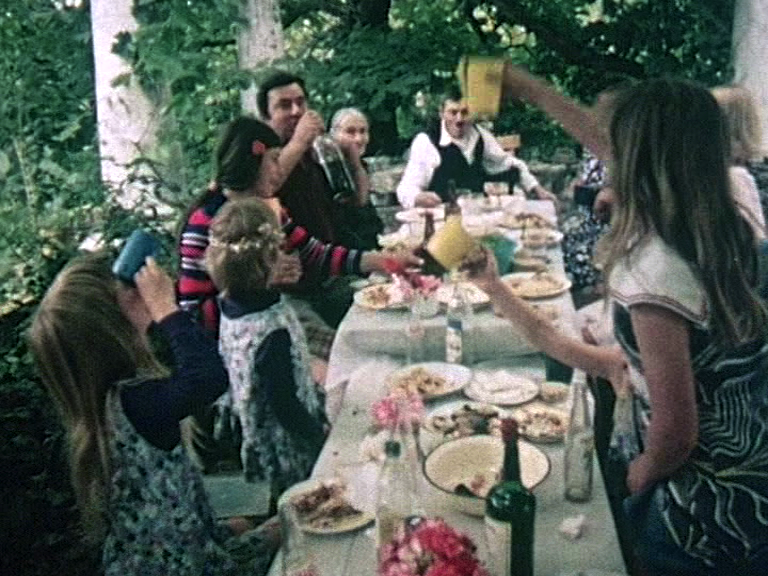
Greek Island Adventure, 5

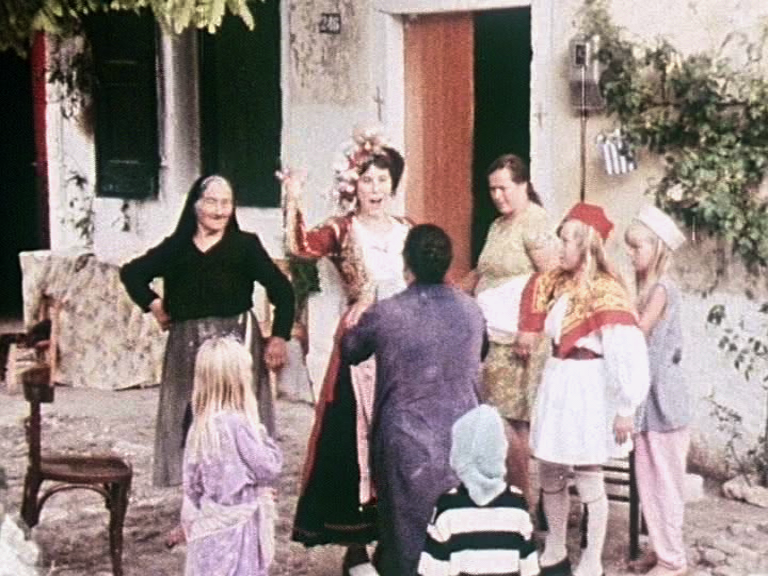
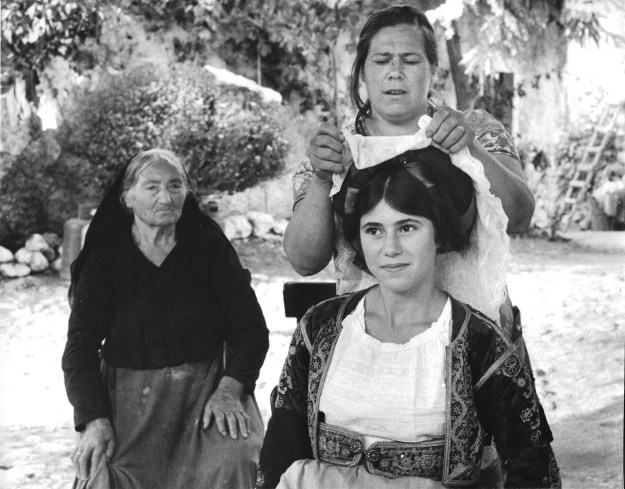
Angeliki putting on her national costume with  Katerina & Yaya's help

Angeliki putting on her national costume with Katerina & Yaya’s help

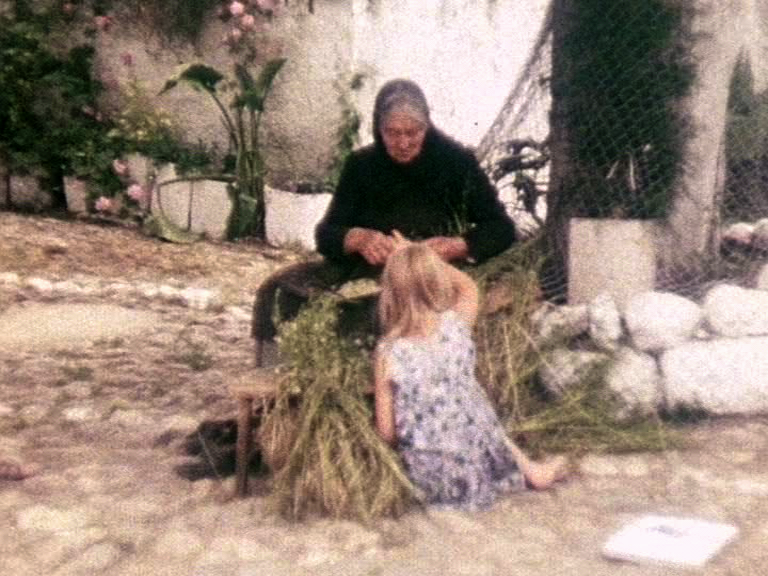
In 1973 as a seven-year-old child living the idyllic life on the island of Corfu, I was oblivious to the fact that Greece was in turmoil, writhing under the yoke of the Army Junta (1968-74). My father later informed me that our special invitation to visit the Old Citadel for a feast day celebration, and several other rather bizarre invitations, was so that the secret police could keep tabs on us. I can only imagine that in their eyes, a couple of Irish documentary filmmakers with three small children in tow seemed highly subversive.

vlcsnap-2013-10-14-21h32m54s134

On the whole, though, the Corfiots welcomed us with open arms.  vlcsnap-2013-10-14-21h07m43s100


This is how a typical meeting with a stranger would go: Mum and Dad would stop the VW bus on a remote hillside to film a snake Dad had just caught. Out of nowhere, a goat herder or a group of small children would appear. Soon we’d be surrounded by curious faces. And then came the inevitable question. Poú eísai? Where are you from? When we said, Irlandía, initially thrown off by the blonde hair they would say, Ollandía? Ochi, we’d say, No. Irlandía. Their faces would light up in recognition. Their index fingers would go up and invariably they’d go, Boom, boom, boom, imitating the sound of a gun. At the time it was the height of The Troubles in Northern Ireland, with the IRA vehemently resisting the British Government’s occupation, and many in Greece understood that oppression. Immediately, we would become allies. Soon, we learned when asked that question to respond, Irlandía, Boom, boom, boom.

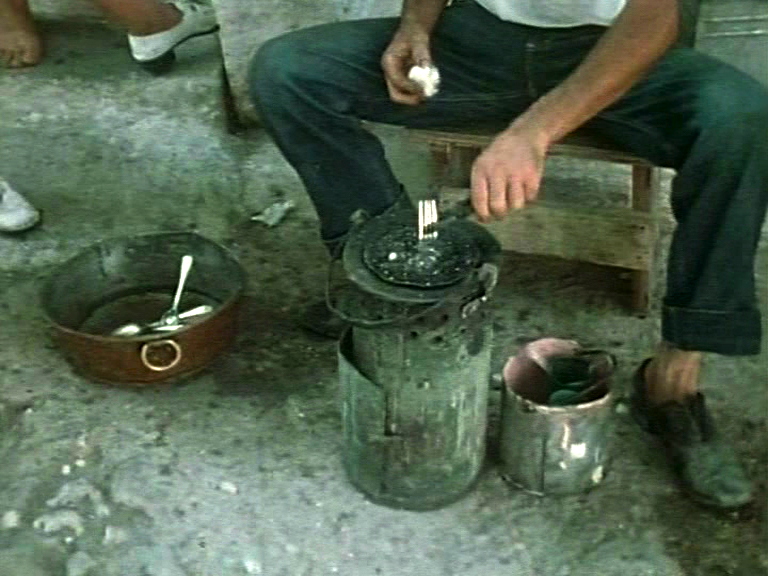
In our village, Junta, or no Junta, people got on with the job of living. And every day there was something new for my sisters and I to marvel at. Traveling trades people often made their way through the narrow streets of Kinopiastes, calling out their services. One of my favorites was the Spoon Man.
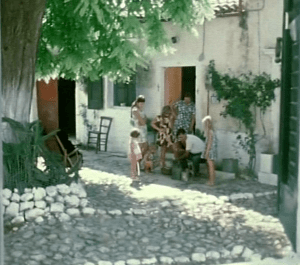
vlcsnap-2013-10-14-21h48m34s76At his familiar cry, doors would open and voices would hail him. He’d stop, open up his bag of tricks on the side of the street and a crowd of housewives would gather, bringing their household cutlery wrapped in their aprons. To a small child, the Spoon Man was better than a magician. Carefully holding a tarnished spoon with a pair of tongs, he’d dip it in a blackened, bubbling pot of sludgy, dull silver-hued liquid. A second later the spoon would emerge, gleaming and winking in the sunlight, it’s silver surface restored to glory.

Surely this was alchemy—or at least its little sister. vlcsnap-2013-10-14-21h48m21s165

The traveling peddler, was another of my favorites. Dimitris led his heavily laden donkey, panniers piled high with every imaginable household tool, to our back gate. He’d stop, spread out the choicest selection of combs and headscarves and plastic bowls on a cloth, and wait for customers. Then, sales or no sales, he’d load everything back onto the patient donkey, tie it down securely, and clatter off into the distance, plastic buckets swaying from side to side.vlcsnap-2013-10-14-21h53m33s233

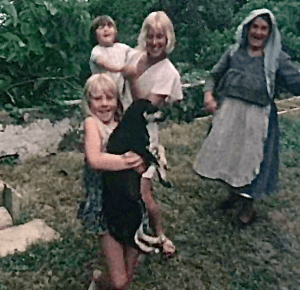
I often wonder how the villagers perceived this Irish family who landed in their midst that spring and summer. They put up with our perpetual curiosity and even seemed to welcome our interest in every aspect of their lives. If my sisters and I ran down to Pappoú’s corner shop to buy a gazoza or some bubble gum, not only would we return with our money still in our pockets, but countless grandmothers sitting on their stoops, or grandfathers flicking worry beads through their fingers would have greeted us. Our friends sought us out, and arm in arm, we paraded around the village until we found some mischief to get into. One day Leni borrowed her mother’s wedding dress and we held an epic Greek wedding in the yard. Another day, Leni and her older sister Angeliki dressed up in their national costumes to give us a show.

vlcsnap-2013-10-14-21h39m10s30 vlcsnap-2013-10-14-21h36m38s63

The nuns who lived up the hill at the back of the village seemed delighted by our visits. Giggling and chattering away like jackdaws, the young nuns immediately pulled out extra chairs and a big bottle of ouzo and the ubiquitous, sticky kumquat liqueur. Thankfully, this was off limits to kids. But my mother would dutifully take tiny sips of the sickly sweet liqueur. They’d crack walnuts from their trees for us, and offer chunks of nougat.

Occasionally, we did run into a cultural misunderstanding. Since a small boy, my father has hand-raised stray or injured animals, particularly birds. The best pet we ever had was a Jackdaw named Percival that Dad helped us hand-rear after it fell out of it’s nest. We hadn’t been living in Greece long before he acquired a young Little Owl. The plan was to keep it long enough to film it, then release it. During the day it slept in the villa, perched on my father’s tripod. At night, it woke up to eat the live mice we’d caught for it and flutter around the house. One day, we came back from a day of filming and the owl was gone. Later, we found its burnt remains in the alleyway at the back of the house. We learnt that in Greece, old superstitions run deep, and a few people still consider them kakó, or evil. Perhaps this dates back to the ancient Roman belief that owls were harbingers of death, or witches could turn themselves into owls. For most in Greece, though, the owl is seen as a bird of wisdom. In Greek mythology, the owl was the favorite bird of Athene, the Greek Goddess of Wisdom, and appears on early Greek coins.

Sadly our sojourn on Corfu finally came to an end. Gathered around the stone table under the grapevines, we had one last party with the Gardigotti family who had made us feel like we truly belonged. With the record player set in the window, everyone danced around the yard. And one last time we chased fireflies with our new friends. Then it was time to start our long drive home, this time through Macedonia and Yugoslavia, bringing tortoises and olive oil and memories to last a lifetime.

Ygeía sas!
Ygeía sas!

vlcsnap-2013-10-14-21h45m14s125

 Post script: We did return when I was sixteen, this time, sharing our adventures with my four-year-old brother. Although things had changed, I’m glad to say much of the Greek island magic was still there.

SUMMER WRITING FLAB

DSCF0296 DSCF0303

So what’s the problem? It’s a misty, early September morning. A thunderstorm has just rolled through, leaving yellow leaves from the black walnut littering the lawn. The grasshoppers are zithering in the tangle of meadow grasses that I call a garden. My daughter has made it through her first week of college with ease. My sons are enjoying the last few days of freedom before school. My husband is getting a well-earned lie-in for Labor Day. And I’m in a dither. A hand grenade has exploded in my writing life.

Yes, I expected the saggy schedule of summer to play havoc with my writing habits. But what I wasn’t expecting was the complete and utter unhinging of my focus. My butterfly brain dips and swoops from one brightly colored flower to the next, barely alighting for more than a second—certainly not enough to produce any significant work.

And now that the return to normalcy is looming, I’m scared that my writing muscle has gone flabby. I’m bracing for that moment when I sit down in front of my computer and it will feel like a slow, painful jog uphill after months of couch-potatoing, with all the bits of my brain jiggling. I’m afraid that in my absence, my characters will have slipped into bad habits. I’ll look at them and realize that they too are weak and flaccid from lack of exercise.

So what’s to be done? Stop feeling sorry for myself. Strap on the gear and put one foot in front of the other until I’m up to tempo, until the muscles feel taught and responsive, until I can read a paragraph and go, hum, not too shabby.

DSCF0258

The White Deer

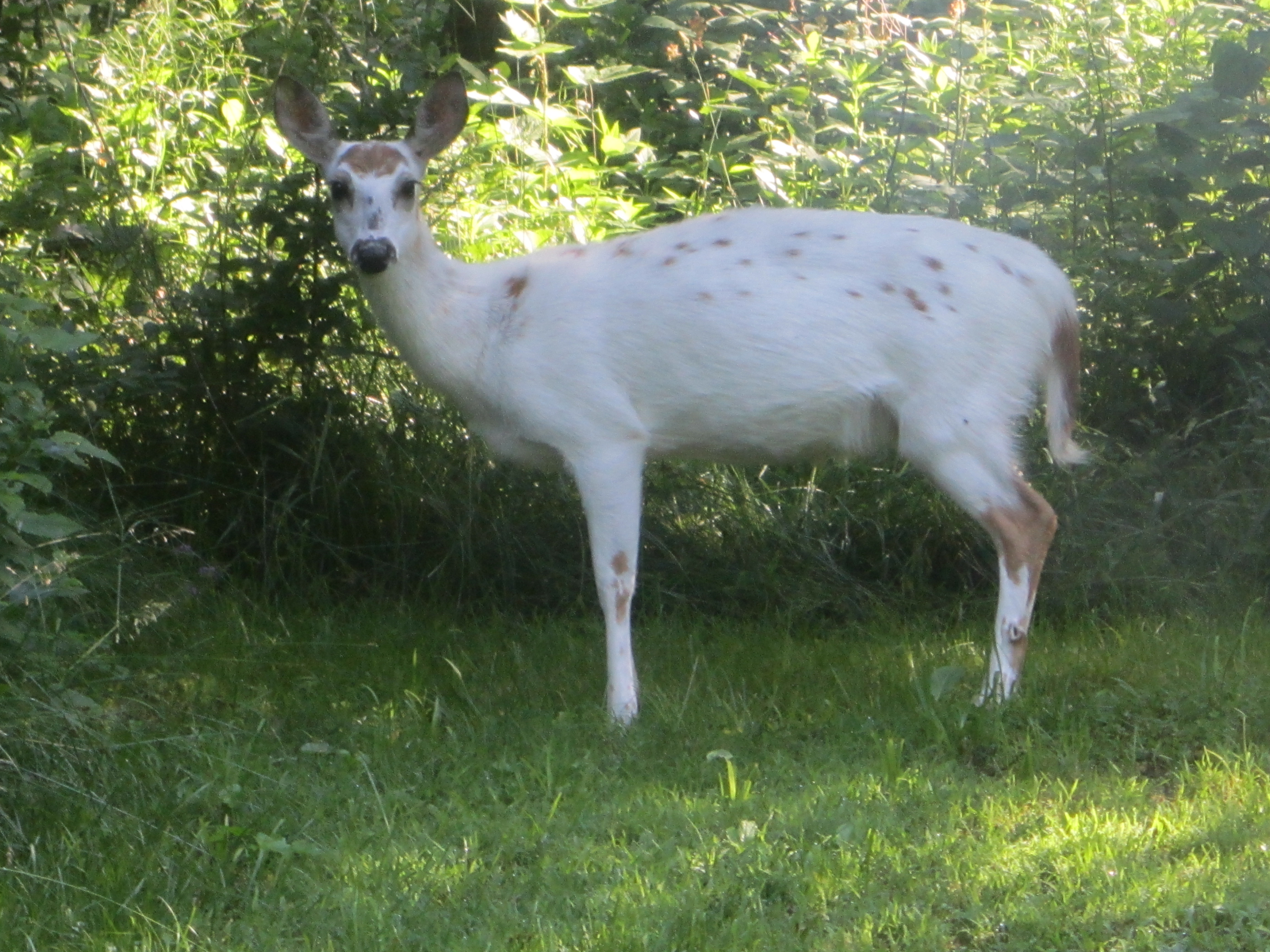
IMG_9960Everyone has a pocket of the universe where they are in their element. This brings me to the story of our white deer. It was born late—a good month after most of the does had dropped their fawns in June. She was tiny and stood out so clearly against the summer green in her snow-white coat that at first I thought she was a young goat. But what was a kid doing frolicking with a small herd of white tailed deer? It didn’t take long before the piebald buck I’d seen tramping through the woods back in the winter, came to mind—an unusual sighting. This aberrant white fawn was not an albino; she had a black nose and dark eyes. She didn’t cavort like the other fawns, but seemed to hobble as though injured. My neighbor later told me he’d watched her being born in the woods behind our house. For the longest time she didn’t stand up and he wasn’t sure she ever would. But here was living proof that she was a survivor.

I watched for that fawn all summer, fascinated by its otherness. Her mother remained with the herd—probably a close-knit family of aunts and cousins and siblings—but always on the periphery. Perhaps this was due to the fawn’s awkward gait which made it difficult to keep up, or perhaps the other deer sensed its difference and kept it on the outside of the group.

Now you have to know that there is no love lost between deer and me. All spring and summer, I rain down curses on their heads as they steadily munch their way through my garden, waiting until the moment the plants they’re not supposed to like have just begun to bloom. This little white fawn, however, had wormed its way into my affections. I was rooting for her, aware that she was the proverbial underdog. While the other fawns with their tan coats speckled with white spots blended in with the dappled shade in the woods, she was a misfit that stood out like a neon target. I waited to see what hunting season would bring.

By the late fall the other fawns had lost their newborn Bambi coloring, and like the older deer, were now well camouflaged against the monochromatic grey/brown woods. The white deer was a spindly adolescent, still well behind the other fawns in size. She often came close to the house to feed and I could see that her ears were brown and she had a smattering of tan freckles on her back—a pretty little thing. And a perfect target for a trophy kill, for those unfamiliar with the many mythic tales of the sacred nature of white deer. http://protectthewhitedeer.com/whitedeer-in-myths-and-legends

And yet she survived until the snow came. At last she was in her element. I watched her through my bedroom window, snow falling softly around her as she pawed through drifts, unearthing tufts of grass. The speckles on the coat helped her merge beautifully with the bramble thicket, while the herd, feeding beside her, stood out like, well, brown deer in a snowstorm.

IMG_0884

In stories we root for the underdog. They have so many obstacles to overcome, they need our concern, our love. We can’t help but rejoice when they find their environmental niche and thrive. And in her case, rather than shine, blend in.IMG_0891

The white doe has made it through three winters—three hunting seasons. I always watch for the flash of white in the woods around the house. Sometimes in winter I’ll look out my bedroom window at night and find her sleeping right outside. No wonder she works her way into my dreams. The other morning, a damp, green day, I looked up from my computer and watched her step out of the woods and pick her way daintily across the lawn, and there, several paces behind her was a tiny, spindly, fawn—brown with white spots. I shouldn’t have to worry about it, but I do.

IMG_5161

WHAT KNITTING CAN TEACH YOU ABOUT STORYTELLING

IMG_0323You’re a write eejit when you can’t control your knitting habits.
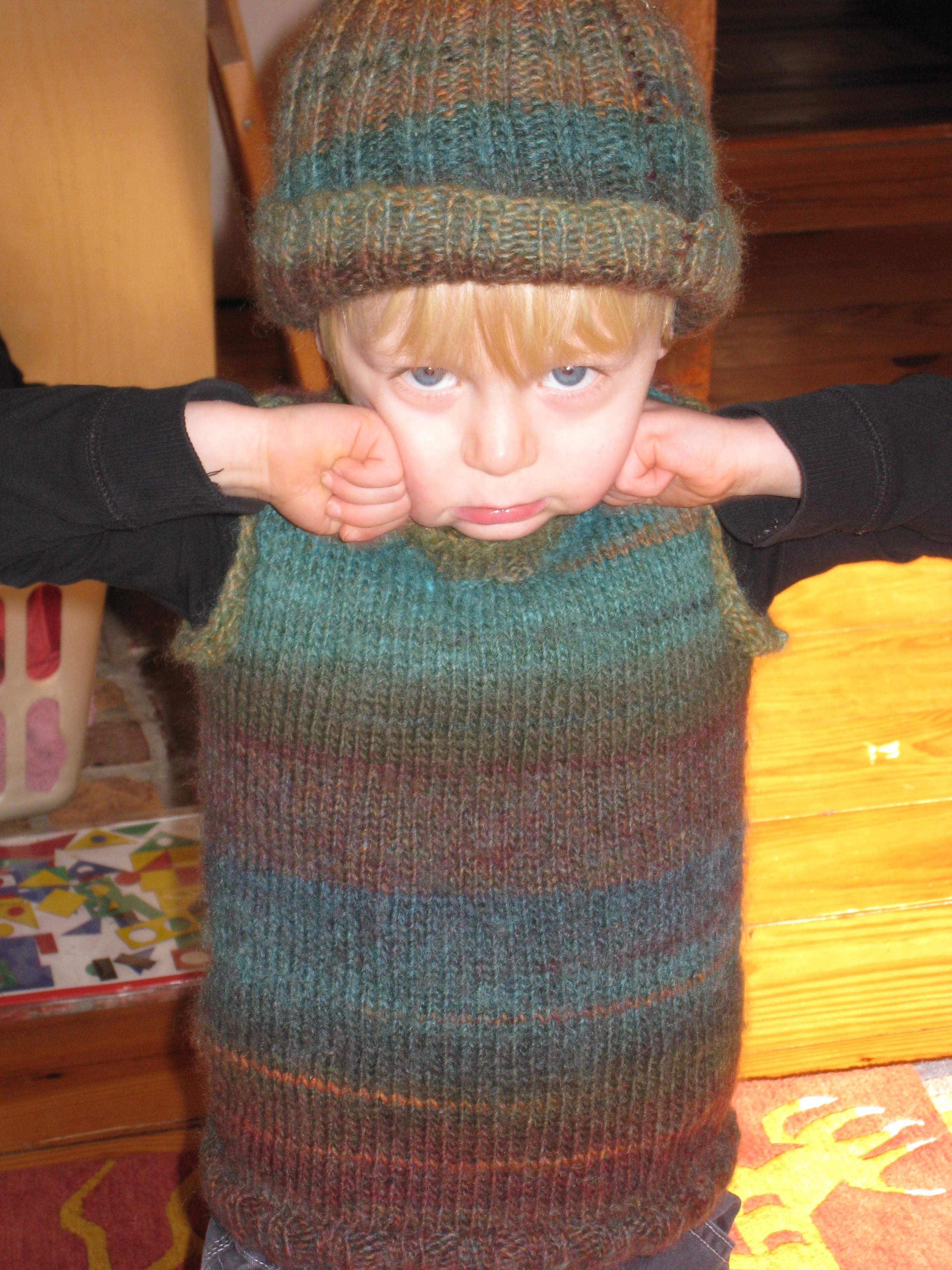
It hit me the other day like a blast from a water cannon that I’d become one of those crazy-aunt knitters. I knit things for people, unasked. I decide what they want—shape, color, pattern—and gift it to them so they feel obliged to wear it occasionally, and are terrified of tossing it in the bag for The Good Will.

“Socks, here ya go!” “Hats, I got that.” “Legwarmers—I thought of you!”

Yes, I know it became very trendy to knit a few years back, but honestly, I wasn’t riding that wave. I’d done it in a halfhearted, multiple unfinished projects at the back of the cupboard, way since I was a kid. I blame television, or rather, bad television. You need a distraction on hand—hence the knitting.

The success of my knitting hinges largely on how good what I’m watching is. I can rate a show, by how many rows I rip out the next day: the better the show, the more mistakes I make.

Mad Men, Game of Thrones, Breaking Bad, all six-month sweater projects, for sure.

What do these programs have in common? Great storytelling, gripping scenes, emotional involvement. They suck you in. And sigh, yes, the writers of these shows are such experts in their craft that before you know it, you’ve knitted three armholes, or two left sides. I can always tell how good a season of Game of Thrones is if I’m still knitting a winter sweater in May.

Instead of torturing nearest and dearest with my knitted offerings, I should be sitting on the couch with a pen and paper, taking copious notes on story arc, character development, tension building. And I swear I will, just as soon as I’ve finished this tea cozy hat.

Balancing Act

At this time of year my garden goes bonkers. It takes on a life of its own.IMG_4935

Just enough warmth and rain has tripped the switch on new growth, and before my eyes the landscape is transformed into an acid-hued world, dripping with fecundity (love that word). When I step out the door on a mild and misty morning it feels as though, overnight, this green beast has slithered closer to the house, threatening to wraps its tentacles around it.

I find myself waging a battle between cultivating nature, and keeping it at bay. If I don’t get out to weed the vegetable patch at least once a week, virulent native weeds soon overrun the seedlings of spring greens.IMG_4910

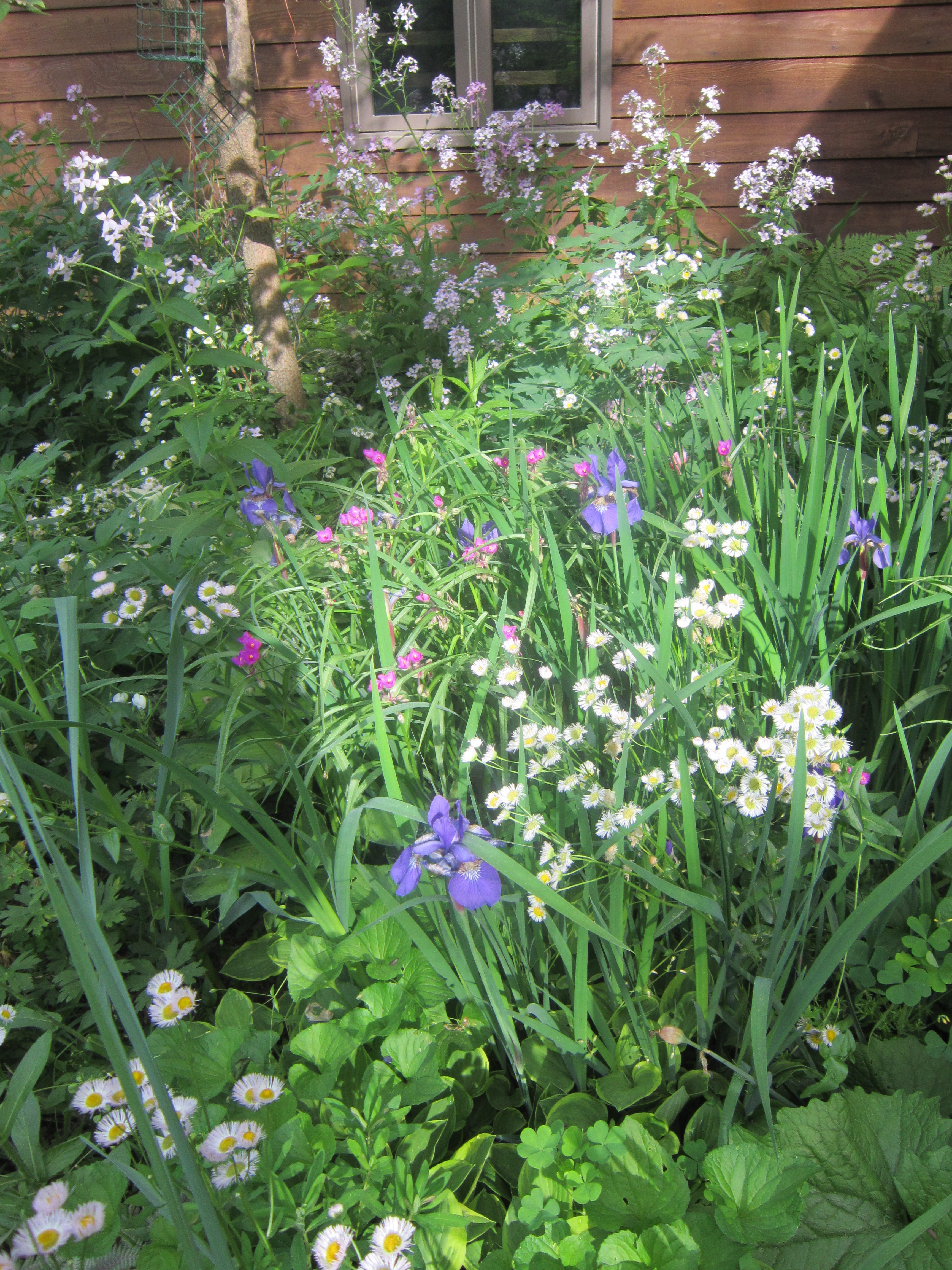
And yet, how many times have I knowingly allowed pop ups from my compost heap—serendipity seedlings, I call them—take root and been thrilled by the bonus mini pumpkins or wild garlic. On my morning walks I even carry a plastic bag and spoon so that I can transplant common native wildflowers into my woodland garden. My perennial beds are full of poppy seedlings and daisies that have found their niche. I tell myself I must be doing something right when they start merrily throwing the next generation around.

IMG_4892 Everywhere I turn the concept of balance screams at me. In kick boxing class the instructor dreams up challenging balance poses to strengthen our core muscles and improve our overall physical wellbeing. The latest dietary studies exhort us to eat a balanced diet. And I swear, I strive to balance the carbs and the chocolate.

Sometimes it’s hard to know the difference between good and evil. I just read Michael Pollan’s fascinating article in the New York Times magazine: Germs, What we can Learn from our Microbiome,  about the community of microbes that colonize our bodies, keeping our bodies functioning optimally. Contrary to what our mother’s said, sometimes it’s beneficial to get down and dirty.IMG_0332

Our lives are one big balancing act: pain versus pleasure, task versus reward, reality versus fantasy. It’s a daily struggle to maintain a middle path, not to become engulfed in one thing over another, to strike the balance.DSC_0347

How true this is in the world of the writer. You have to fall in love with your characters and plot so that you can write from the heart, yet remain detached enough so that you can cut them to ribbons if that’s what it takes. Yes, you need to make time to connect with your reading audience and interact with the writing community. But when chasing the tweet dragon gets in the way of writing, you know things are out of whack. As I tug weeds in the garden, I often think how similar the process is to editing. You want to clear away enough detritus so you can see your story grow and bloom, but you don’t want to remove all those serendipity seedlings.

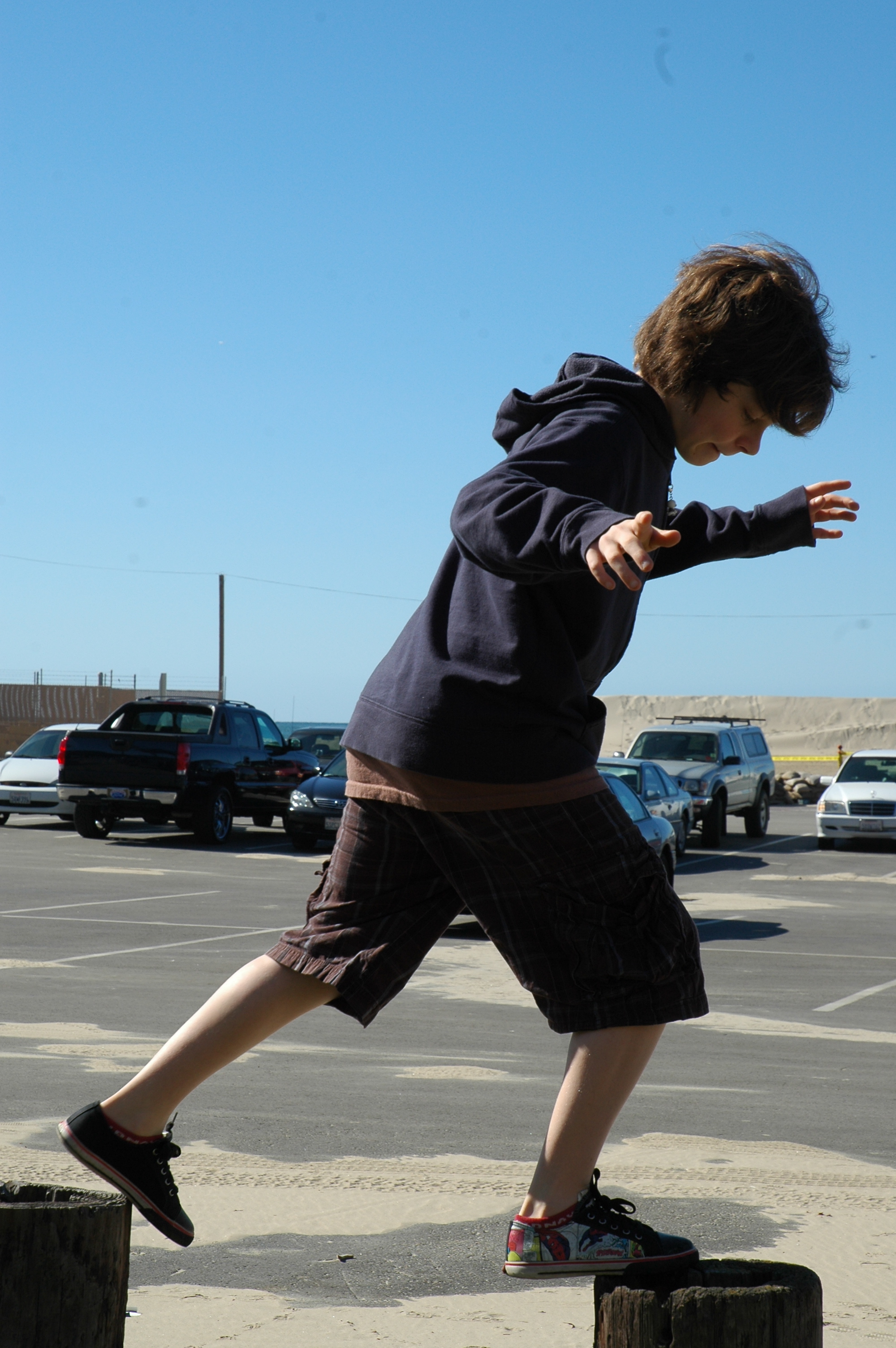
How to strike that balancing? For me, the key to standing on one leg and not collapsing in a sweaty heap of giggles is to be mindful, but not obsessive. I have to focus on gentle breathing (not the shooting pain in my hip), while staying tuned in to the big picture (the pain is worth it if it makes my butt look awesome in my new shorts). Hey, no one said it was easy!

IMG_4927