Category Archives: Write Eejit

SUNDAY OUTING IN THE WEST OF IRELAND

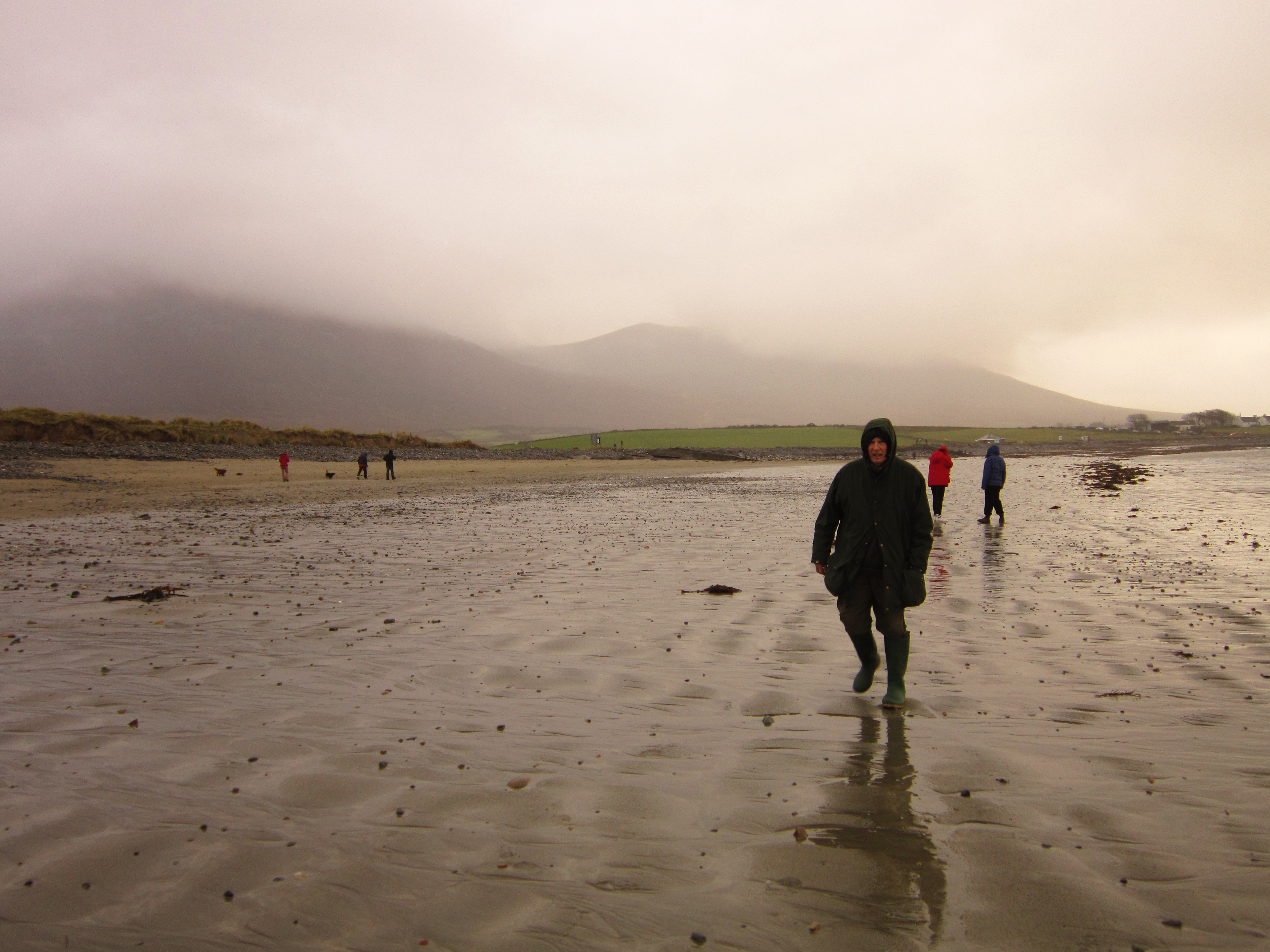
IMG_7581They come, pilgrims of another sort,
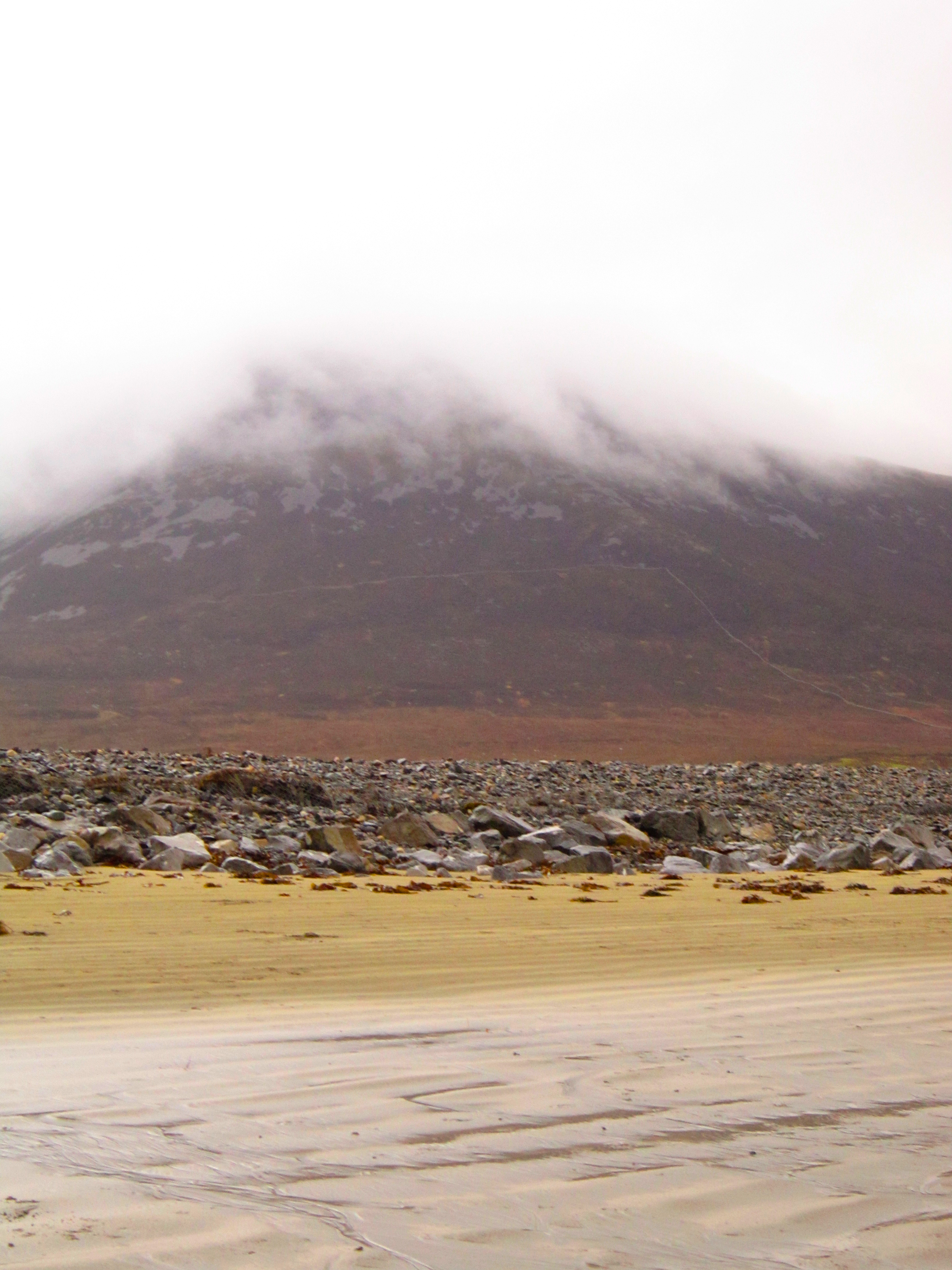
Croagh Patrick, a hulking monolith shrouded in mist at their backs,
Bent into the gusting wind and salty squalls driving in off the Atlantic,
To gawk at the storm ravaged beach.
The car park and road obliterated by huddles of sea-rounded rocks—
Grey, cream, purple—
Tossed merrily over the breakwaters by a tidal surge
The like not seen in a quarter century.
The dunes too, took an awful beating.
Clumps of Marram grass strewn across the beach
Like strange seabird nests woven through with blue and green fishermen’s string.
These Sunday trippers come in droves
Despite the rain and wind and devastation,
Their bellies full of roast and pudding
And maybe a pint or two,
Their dogs and children scampering wet circles into the sand,
Eager for a bit of mid-winter drama.

IMG_7615

IMG_7575Bertra Strand, Co. Mayo, Ireland, January 2014


TOP TEN THINGS I’VE LEARED ABOUT BLOGGING

DSCF0773

Blogging is not for sissies. It takes time, focus, and hard work if you want to put out blogs that won’t make you cringe down the road. But the rewards are big. As the Write Eejit comes to the end of its first year, I thought it a good time to look back at what it’s taught me so far.

  1. Nobody just pops out a post worth its salt. Even the folks that seem to effortlessly come up with witty and informative things to say on a daily basis have more than likely been mulling them over for a while.   WHITE DEER
  2. It’s an excellent way to get a load off my chest. Feeling aggravated or ecstatic about something? Why not post a mini rant. So what if I’ll forever be known as that miserable woman who hates her cat. I HATE MY CAT
  3. Blogging has a way of bringing things into focus. Coming up with topics not only allows me to live in the moment, but also reflect on past events in a new light. GOLDEN MOMENTS
  4. I get to experiment without having to commit to a specific idea or format. PAGAN MOON
  5. I’ve rediscovered things about my past that had dropped off my radar. HIPPIE ADVENTURE
  6. On good days when I post without a hitch, blogging makes me feel like 21st century Warrior Woman. On bad days when I can’t figure out why my password has reset itself, I’m an FTD (frustrated tech dummy). OLD WRITERS NEW MEDIA
  7. Blogging forces me to set goals and shoot for a deadline, and is a constant reminder to adhere to good writing habits—check spelling and punctuation before hitting “Post”. COTTER PIN
  8. Blogging helps me take that breath and reevaluate where I am, both in life, and as a writer. MUD SEASON
  9. There are many talented and inspiring fellow bloggers out there. HIGH JINKS IN THE HAREM
  10. And when those “Likes” and comments pop up, boy is it instant gratification for someone who spends a lot of time tapping away in no-woman’s land. BLIND SQUIRREL PARENTING

Be More Zen

Photo by Wendy Idele, '93

Photo by Wendy Idele, ’93

If there’s a surface in my house
That doesn’t have a heap of things piled on it
I can’t find it.
Most of the time I can turn a blind eye—
90% of the time, I don’t give a crap.
But that other 10% is a doozy.
Suddenly all my lack of caring
Is condensed into one hard hairball of bothering.
I’m so bothered, in fact, by the chaos
That I dig out clippings from the local classifieds
Of people eager to dispatch my mess.
I’m on the verge of picking up the phone
When something stops me.
I read somewhere that creative types
Need chaos to thrive.
Well that’s my excuse.
My other argument goes something like this:
When I let go of my perception of chaos
I’m being very Zen,
And let’s face it, we all need to be more Zen.

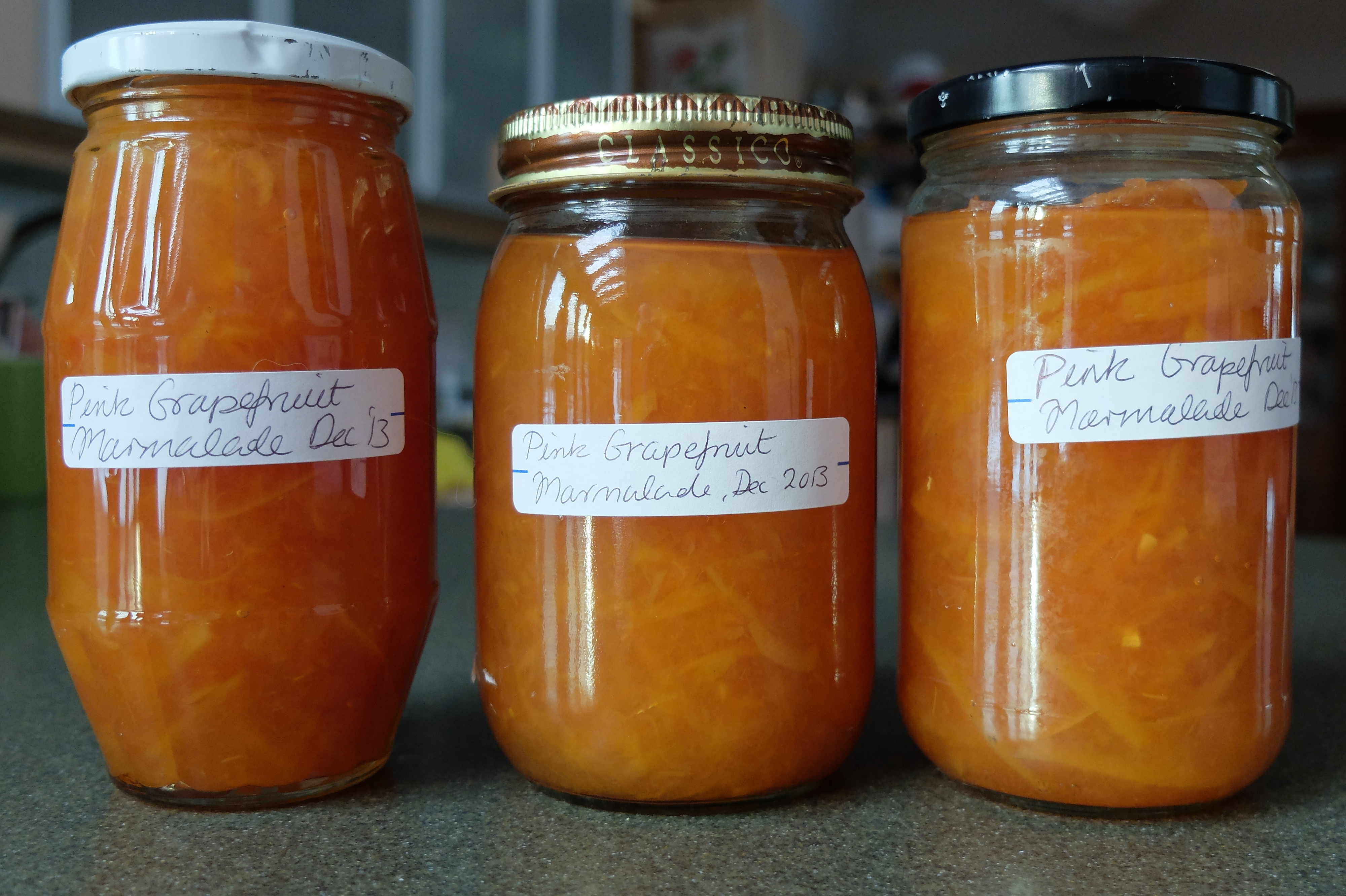
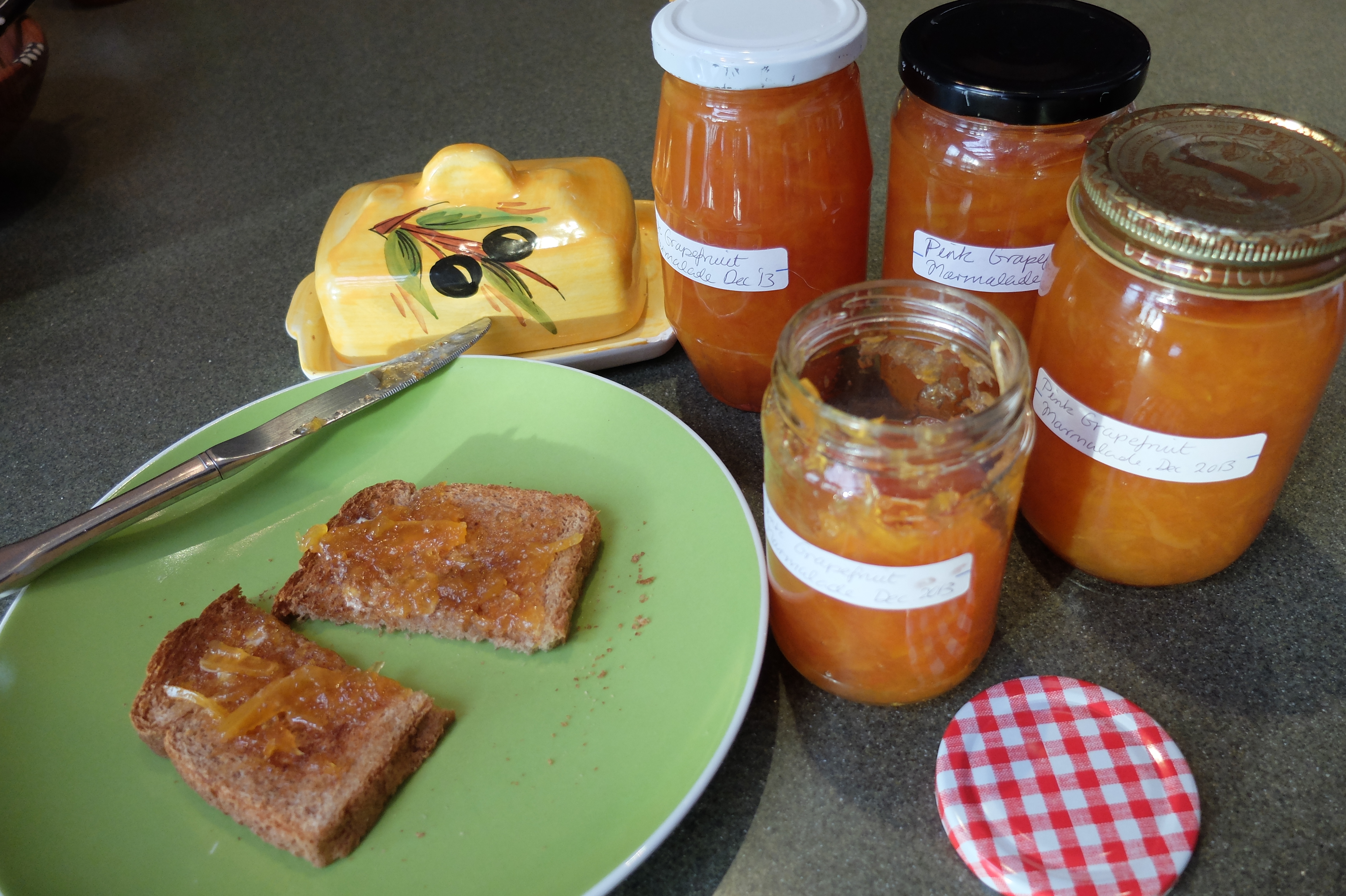
PINK GRAPEFRUIT MARMALADE

PINK GRAPEFRUIT MARMALADE

 DSCF2916

My comfort food is toast, specifically, toast with butter and marmalade. Not just any old butter—rich, creamy, Irish butter, and not just any old marmalade—Seville orange marmalade, preferably homemade.

When I first came to live in America, not surprisingly, I left this comfort food far behind. Your basic loaf of supermarket bread had the consistency of a piece of sponge and was cloyingly sweet. The butter was pale and anemic. And marmalade—what marmalade?

It didn’t take me long to figure out the bread thing. In New York there are any number of great bakeries. Butter, well I could always splurge on those very expensive imports of Kerrygold, and then ration the bejaysus out of it. Or resort to stashing it in my luggage on trips home, hoping airport sniffer dogs didn’t have a taste for butter. But the marmalade proved elusive. Grape jelly was not an option. The only solution was to make my own.

Though a decent marmalade was as rare as hen’s teeth, finding a bitter Seville orange (preInternet-ordering days) in New York was nigh impossible. I was going to have to improvise. Move over Seville oranges. Cue the pink (or red) grapefruit.

All that was many moons ago. Now, each year around December, I keep my eyes open for the fresh crop of Florida grapefruit to hit the stores. Luckily this coincides with the holidays, because I’ve discovered that I’m not the only one who likes pink grapefruit marmalade. I always make two or three batches, knowing I’ll give much away as gifts. The rest sit in my pantry to sustain me year long.

Yes, it’s an afternoon’s work, but shockingly simple to make (oops, let the cat out of the bag on that one). So if you’re in the mood to try something new, here’s my recipe. Warning, it can become addictive.

MELISSA’S PINK GRAPEFRUIT MARMALADE

Pink Grapefruit, preferably organic

Sugar*

¼ cup of water

 *Most jam recipes call for a 1:1 ratio of fruit to sugar.

I use 2:1, but this is a personal taste thing.

Equipment: Sharp knife, it helps if you have a food processor with a grating attachment, but not essential. Scissors. Two large pots. Several glass jars (I use recycled, but you can go buy fancy canning jars if it tickles your fancy). Tongs.

This can get messy, so roll up your sleeves and put on your apron.

  1. Put your jars and lids on to boil in one of the pots.
  2. Scrub the mother out of those grapefruit in warm, soapy water.
  3. Slice them around the middle and pop out any large seeds.
  4. By hand, squeeze some of the juice out of the fruit into cooking pot.
  5. Snip the pith core out of each grapefruit half.
  6. Grate at least half the squeezed halves with the food processor.
  7. Hand cut the other half. Everyone has their own preference for rind thickness.
  8. Plop everything into the cooking pot & add your sugar & water.
  9. Bring to a rolling boil, then let simmer for at least ½ an hour, stirring occasionally. Then it’s up to you. I prefer my marmalade slightly runny and a golden amber color. If you prefer a stickier consistency cook a little longer, but don’t overdue it or you’ll get scorched, grapefruit flavored glue.
  10. While hot, ladle into glass jars & put full jars back into canning pot and bring back up to a boil for about ten minutes. This will seal the lids. Take out and let cool. Often you’ll hear the lids popping as they cool, letting you know the seal is good.

Serve on toast—where else.

Also delicious on crackers with cheese, good for glazing hams, and surprisingly tasty as a chutney-like side with sausages.

DSCF2922

If you try this, I’d love to know how you get on, and I’m happy to answer any questions.

Slainté


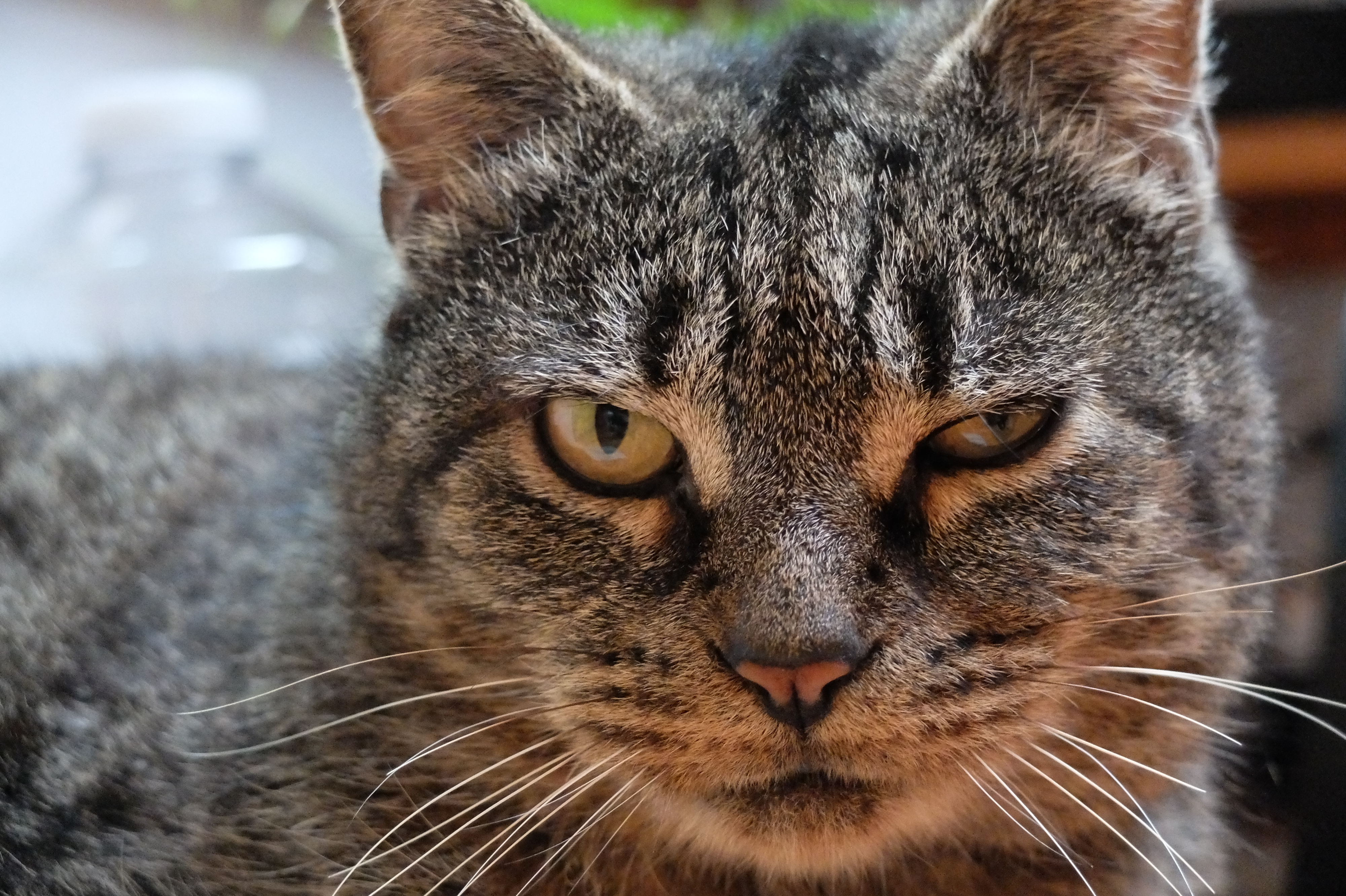
I Hate My Cat

DSCF2120I have a confession:
I hate my cat.
Am I ashamed?
Mildly so
But I make no bones about it
She smells
She’s fat
I have to wipe her ass
I didn’t ask her to stay
She snuck into the basement and gave birth–
How could I say no to five kittens and two eager kid faces?
Didn’t think she’d stick around
After they were weaned.
She did.
I had her spayed.
She got fat,
Didn’t want to live in the basement any more.
Winter was coming,
How could I refuse?
And she’s been lying around ever since.
I could buy myself a fur coat with all the money I’ve spent on vet bills,
And then she has the nerve
To up and leave.
Just when I think she’s dead and gone
And I’m on the brink of tossing the kitty litter for good,
Dredging up a few fond memories to send her on her way,
She shows up again.
My husband says she’s found herself a fancy man
I say, it’s someone with a readier can opener than mine.
And yet, what can I say,
The animal’s tenacious,
A born survivor,
Still alive and kicking at 17
You’ve got to admire that
In a cat.

IMG_4855

November Morning

DSCF1629Quiet world.
Feathers of frost on glass.
The clack of buttons and zippers in the tumble dryer,
Cat snoring stolidly,
Radiators ticking, keeping the cold at bay.
The lone cricket whose slow trill I pinpointed in the spirea
Has gone silent.
And all those boisterous crows and blue jays
Conducting their business in full-throat yesterday,
Have been subdued.
The ‘possums entrails, spilling in pink coils out of its belly onto the road
Have frozen—frozen dinners for turkey vultures.
Low burnt-sienna sunlight through closed lids and closed window
Is still warm enough to bask in.

DSCF1638

The Thrill of Twilight

DSCF0936

Do you remember the childhood thrill of playing outside at nightfall?

I was sitting in the hammock bemoaning the fact that it was only 7pm and the dusk was rapidly turning to darkness. From down the road I heard the excited shrieks and squeals of children playing outside, and the memories flooded back. Often when my parents had friends over for dinner, the grown-ups, distracted by free-flowing wine and conversation, would leave us children to our own devices.

Out into the twilight garden we tumbled, the dewy lawn cold underfoot and the wet grass sticking to our bare feet. A pale rock suddenly took on a ghostly hue. The silhouetted woods sent a delicious shiver of fear down our spines. Surely there was a witch lurking in there, or a wolf? All it took was one sudden creak of a bough, or croak of a crow coming home to roost to set us running, running fill tilt, arms outstretched to ward off shadowy objects. Our exaggerated shrieks of terror filled the air. Each circumnavigation of the garden ratcheted up the excitement until someone stopped to spit out a gnat, or scratch an itch, or wail over a stubbed a toe.

Cheeks flush from the chilly air, we’d sneak inside to run our fingers around the remnants of the grownup’s pudding bowl, sure that our giddiness was due in part to the rum in the chocolate pudding. Whispering and giggling, we’d shove snacks for our midnight feast up our sweaters and head out into the full-blown darkness. Flashlight bounced across the garden ahead of us, adding an eerie shadow-filled glow to our surroundings. We all knew that fairies were lurking in the roots of the hawthorn tree, or under the weeping willow, waiting to spirit us away to their magical world. Clutching each other, we’d creep into the vegetable garden and raid the raspberry patch to complete our feast.

We were never ready for it to be over, but at some point the adults would call us in to bed. No tooth brushing, just under the sheets with muddy soles, sticky fingers, raspberry and chocolate stained cheeks, and magical dreams.

The Stolen Child

WHERE dips the rocky highland
Of Sleuth Wood in the lake,
There lies a leafy island
Where flapping herons wake
The drowsy water rats;
There we’ve hid our faery vats,
Full of berrys
And of reddest stolen cherries.
Come away, O human child!
To the waters and the wild
With a faery, hand in hand,
For the world’s more full of weeping than you can understand.

Where the wave of moonlight glosses
The dim gray sands with light,
Far off by furthest Rosses
We foot it all the night,
Weaving olden dances
Mingling hands and mingling glances
Till the moon has taken flight;
To and fro we leap
And chase the frothy bubbles,
While the world is full of troubles
And anxious in its sleep.
Come away, O human child!
To the waters and the wild
With a faery, hand in hand,
For the world’s more full of weeping than you can understand.

–William Butler Yeats (excerpted)

DSCF0906

SUMMER WRITING FLAB

DSCF0296 DSCF0303

So what’s the problem? It’s a misty, early September morning. A thunderstorm has just rolled through, leaving yellow leaves from the black walnut littering the lawn. The grasshoppers are zithering in the tangle of meadow grasses that I call a garden. My daughter has made it through her first week of college with ease. My sons are enjoying the last few days of freedom before school. My husband is getting a well-earned lie-in for Labor Day. And I’m in a dither. A hand grenade has exploded in my writing life.

Yes, I expected the saggy schedule of summer to play havoc with my writing habits. But what I wasn’t expecting was the complete and utter unhinging of my focus. My butterfly brain dips and swoops from one brightly colored flower to the next, barely alighting for more than a second—certainly not enough to produce any significant work.

And now that the return to normalcy is looming, I’m scared that my writing muscle has gone flabby. I’m bracing for that moment when I sit down in front of my computer and it will feel like a slow, painful jog uphill after months of couch-potatoing, with all the bits of my brain jiggling. I’m afraid that in my absence, my characters will have slipped into bad habits. I’ll look at them and realize that they too are weak and flaccid from lack of exercise.

So what’s to be done? Stop feeling sorry for myself. Strap on the gear and put one foot in front of the other until I’m up to tempo, until the muscles feel taught and responsive, until I can read a paragraph and go, hum, not too shabby.

DSCF0258

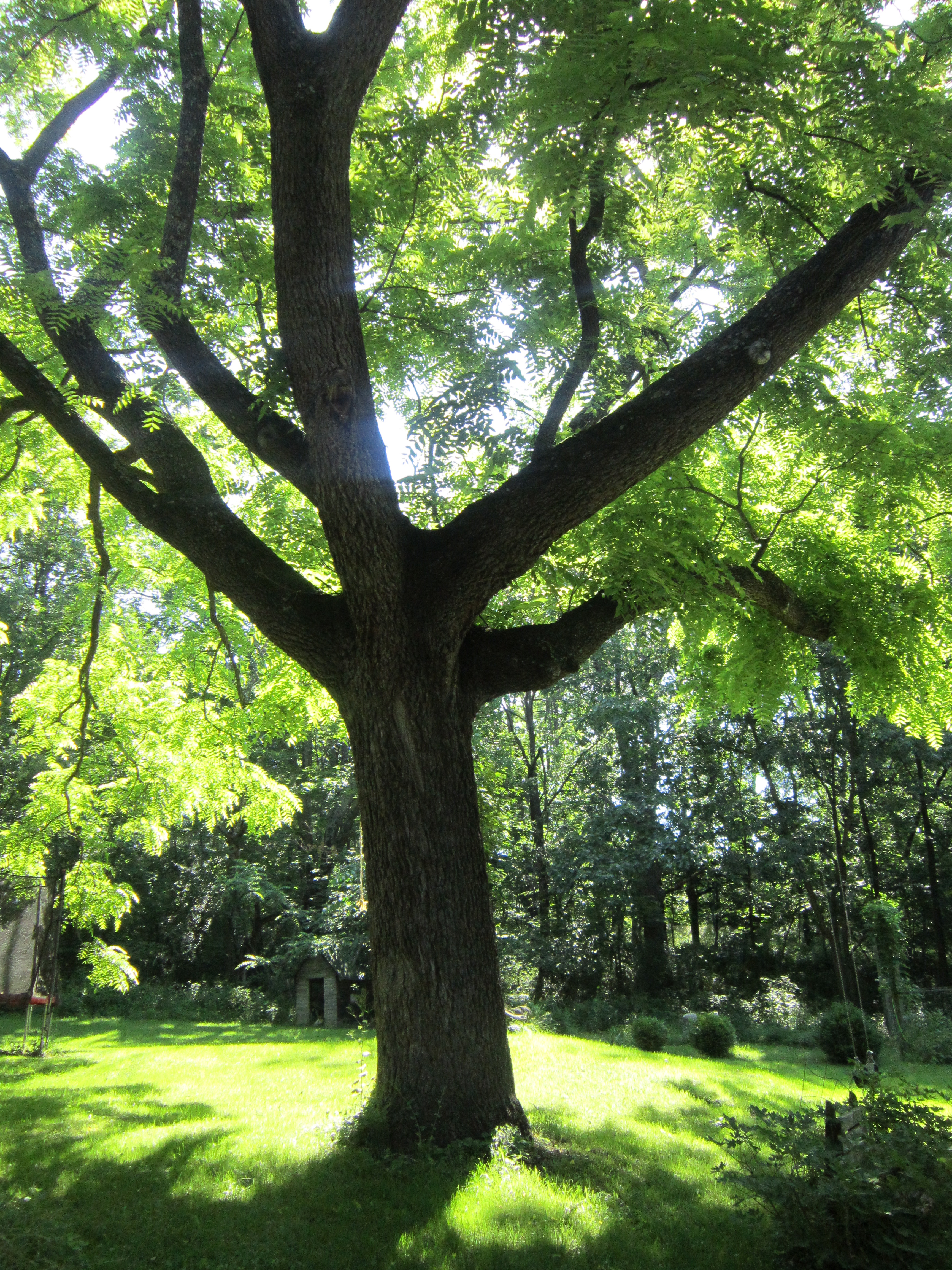
The Black Walnut

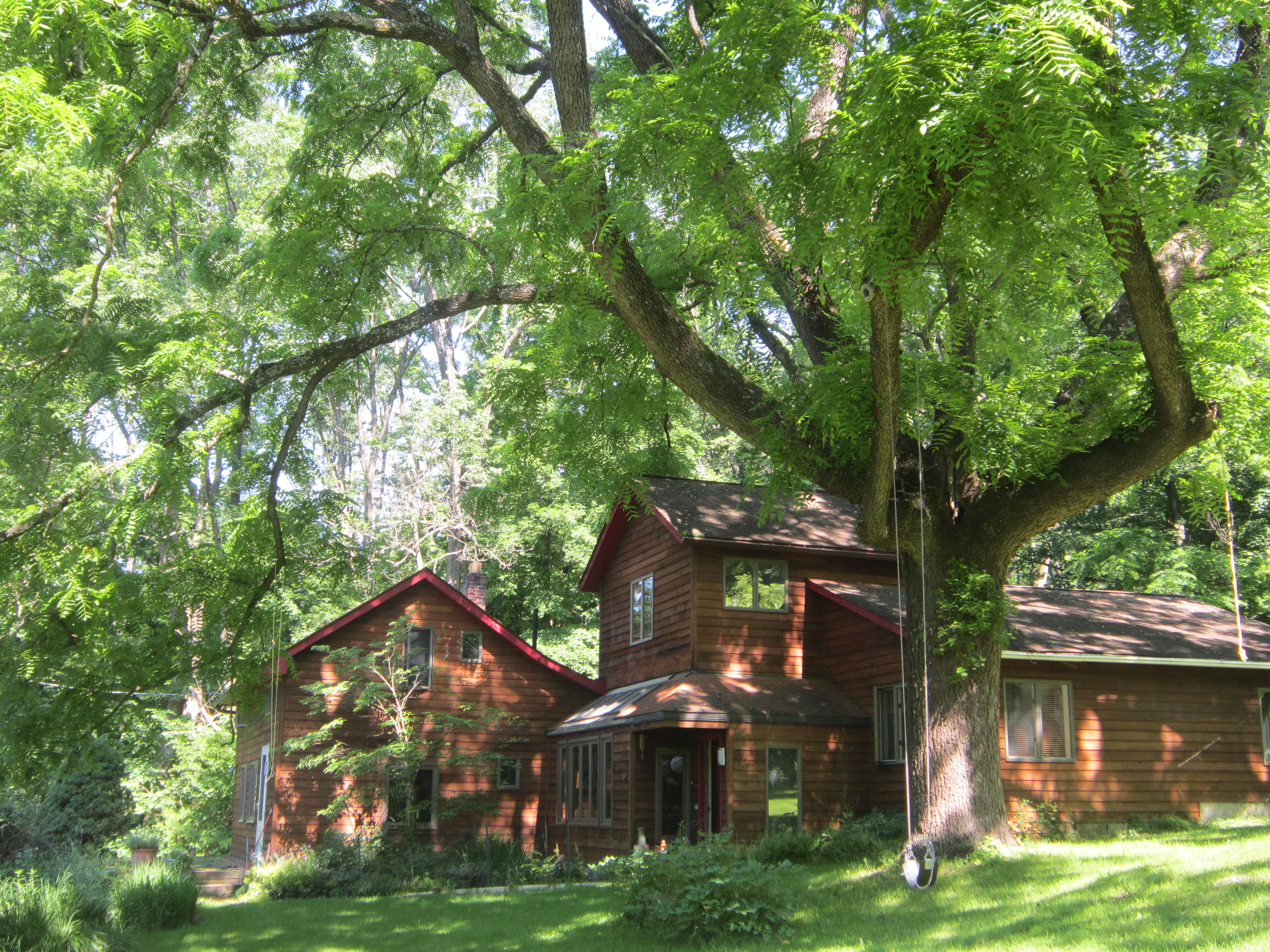
ImageThere is nothing like a tree with its seasonal shifts to work its way into the fabric of your life. The Black Walnut is a truly magnificent specimen, well over a hundred years old. It must have been a sapling, or perhaps just a nut forgotten by a squirrel, when our house was built. On the first warm day of the year, I sit on the wooden bench under its bare branches—it’s one of the last trees to leaf in spring, and one of the earliest to drop in fall—waiting for the children’s school bus to lumber up the road. My daughter jumps down the steps, backpack bumping, yelling ‘spring is here, spring is here,’ and immediately rushes to change into shorts and t-shirt. My son already has his shoes and socks off. We sit in the tree’s embrace enjoying afternoon tea and cookies, a holdover from my Irish childhood. We watch the chickadees clinging to the birdfeeders that hang from boughs in front of the kitchen window. Soon we’ll have to take them down so we don’t find our neighborhood black bear picnicking under them. No sign yet of the wren family that likes to nest in the birdhouse fixed to the deeply fissured bark of the trunk.

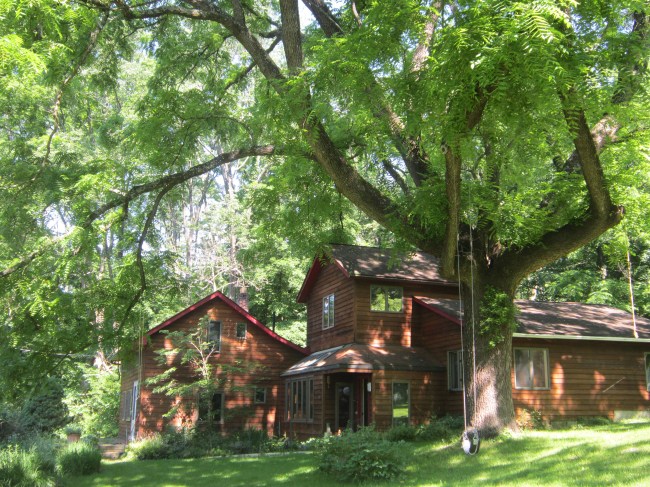
Our house faces south, backed by deciduous woodland where the deer lurk with evil intentions toward my flowerbeds. The entire garden is on a slope leading down from the tree line—not enough to get a good sled run, but enough to work up a sweat with a lawnmower. The Black Walnut sits in the middle of this slope, and is so conspicuous that I use it as a landmark when giving directions. Its spreading branches are an umbrella sheltering the lawn and casting a leafy shade over the kitchen windows in summer, bathing the house in a cool, green light. It’s wonderful on a hot day to lie on my back staring up through the dappled leaf-light at patches of blue sky. In winter the greenish grey limbs etched in white, stand majestically in the landscape.Image

I have an on-going love/hate relationship with the tree. As far as the branches stretch, so do the roots. They produce a toxin that is lethal to tomatoes, apples and others. If its toxin doesn’t kill plants and shrubs, its thirsty roots will. Add to that its shade shedding branches, and it doesn’t leave me much space to garden in.

Who needs a dog when you have a Black Walnut? It’s constantly shedding. Starting in late spring it sprinkles my seedling trays, set out to harden off before transplanting to the garden, with small greenish flowers and wiggly catkins. After summer storms I gather armloads of felled twigs from under its skirts. Throughout the seasons the nuthatches and woodpeckers run up and down the branches tapping away industriously and strewing chunks of moss and lichen and bark over the lawn. Well before the first frost, the leaves carpet the grass in pale yellow mounds. They are followed by wiry, foot-long, leaf stalks that don’t sit well in my compost heap. Then the nuts start falling and the garden becomes a hard-hat zone.

The walnuts form in a thick lime green, aromatic husk. As they lie on the lawn, turning it into a mine field for the unwary, they quickly rot down into a gooey, black slime, which is one of the most effective orange, brown stains I have ever encountered, impossible to wash out of socks, or off hands. I offer the kids cash rewards to pick them up in bucketfuls.

The hard-shelled nuts are supposed to be delicious. Each fall I squeeze a mound of them out of their slimy cases and set them to cure on a sunny wall. When I remember them a week or two later, the squirrels have long since made off with them. By this stage I am so sick of picking up after the tree that I don’t want to see another nut, and so, promising better results next season, I give up.

The tree is slowly dying. When the nor’easters blow I lie in bed wondering if this will be the one. A few years ago we called in arborists for estimates on trimming the branches that lean over the roof. One chap pulled up in his truck and walked around the Black Walnut shaking his head. He said the whole thing had to go. We sent him packing instead.

Eventually, the Biker for Jesus who lives down the road swung up into the branches and neatly pruned the errant limbs. The cut-up logs are waiting for my husband to make the children a wooden swing seat to hang from its sturdy limbs, and a sign for his company, aptly named, “Black Walnut.”

According to the Audubon Societies Field Guide to North American Trees the wood is ‘one of the scarcest and most coveted native hardwoods.’ Jokingly I say that when it does fall on the house we can sell the wood to mend the roof. But for better or worse, this tree is very much a part of the home we have created for ourselves.Image
WHAT KNITTING CAN TEACH YOU ABOUT STORYTELLING

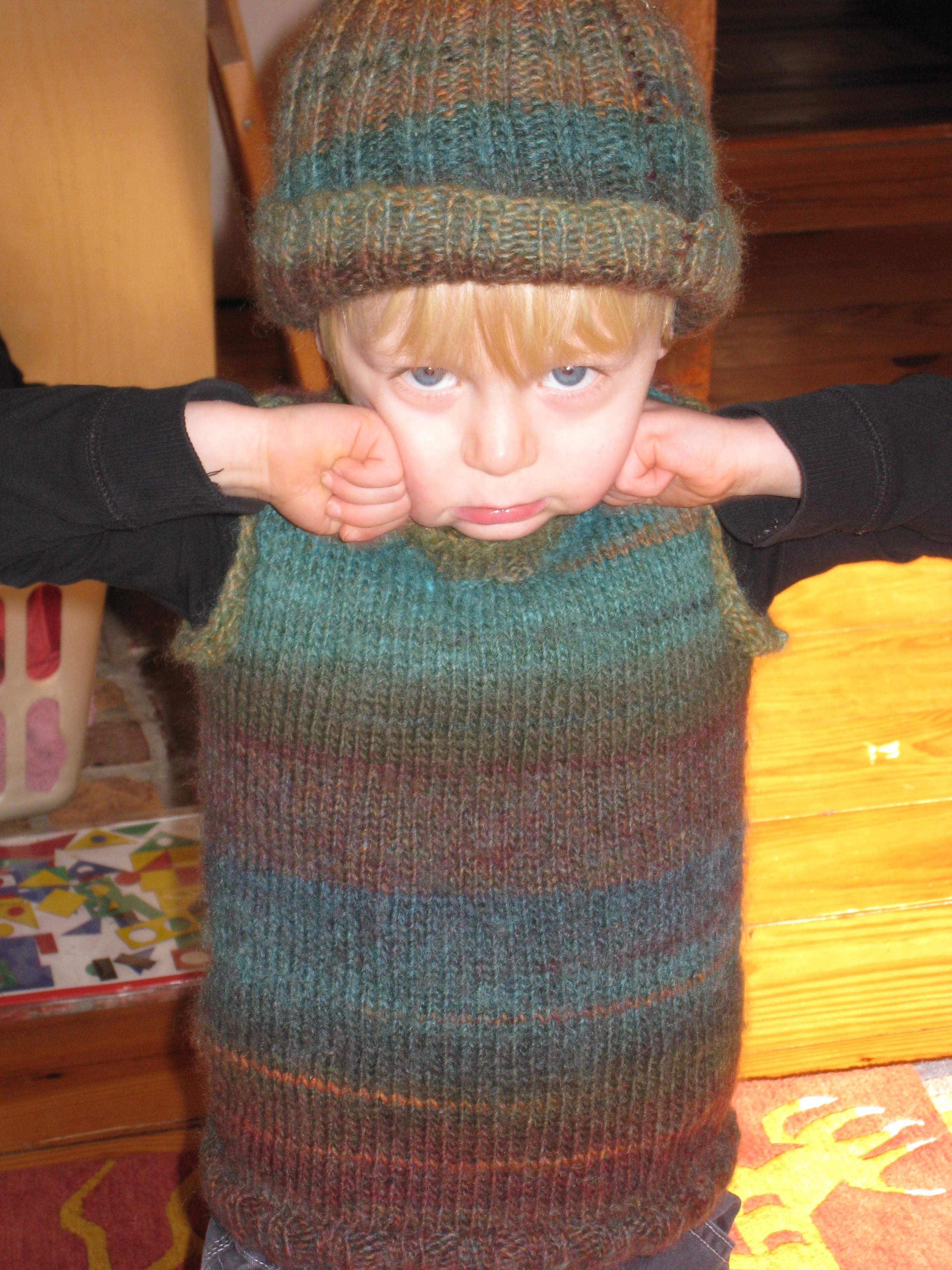
IMG_0323You’re a write eejit when you can’t control your knitting habits.

It hit me the other day like a blast from a water cannon that I’d become one of those crazy-aunt knitters. I knit things for people, unasked. I decide what they want—shape, color, pattern—and gift it to them so they feel obliged to wear it occasionally, and are terrified of tossing it in the bag for The Good Will.

“Socks, here ya go!” “Hats, I got that.” “Legwarmers—I thought of you!”

Yes, I know it became very trendy to knit a few years back, but honestly, I wasn’t riding that wave. I’d done it in a halfhearted, multiple unfinished projects at the back of the cupboard, way since I was a kid. I blame television, or rather, bad television. You need a distraction on hand—hence the knitting.

The success of my knitting hinges largely on how good what I’m watching is. I can rate a show, by how many rows I rip out the next day: the better the show, the more mistakes I make.

Mad Men, Game of Thrones, Breaking Bad, all six-month sweater projects, for sure.

What do these programs have in common? Great storytelling, gripping scenes, emotional involvement. They suck you in. And sigh, yes, the writers of these shows are such experts in their craft that before you know it, you’ve knitted three armholes, or two left sides. I can always tell how good a season of Game of Thrones is if I’m still knitting a winter sweater in May.

Instead of torturing nearest and dearest with my knitted offerings, I should be sitting on the couch with a pen and paper, taking copious notes on story arc, character development, tension building. And I swear I will, just as soon as I’ve finished this tea cozy hat.