Category Archives: Ireland

A GREEN FOOL

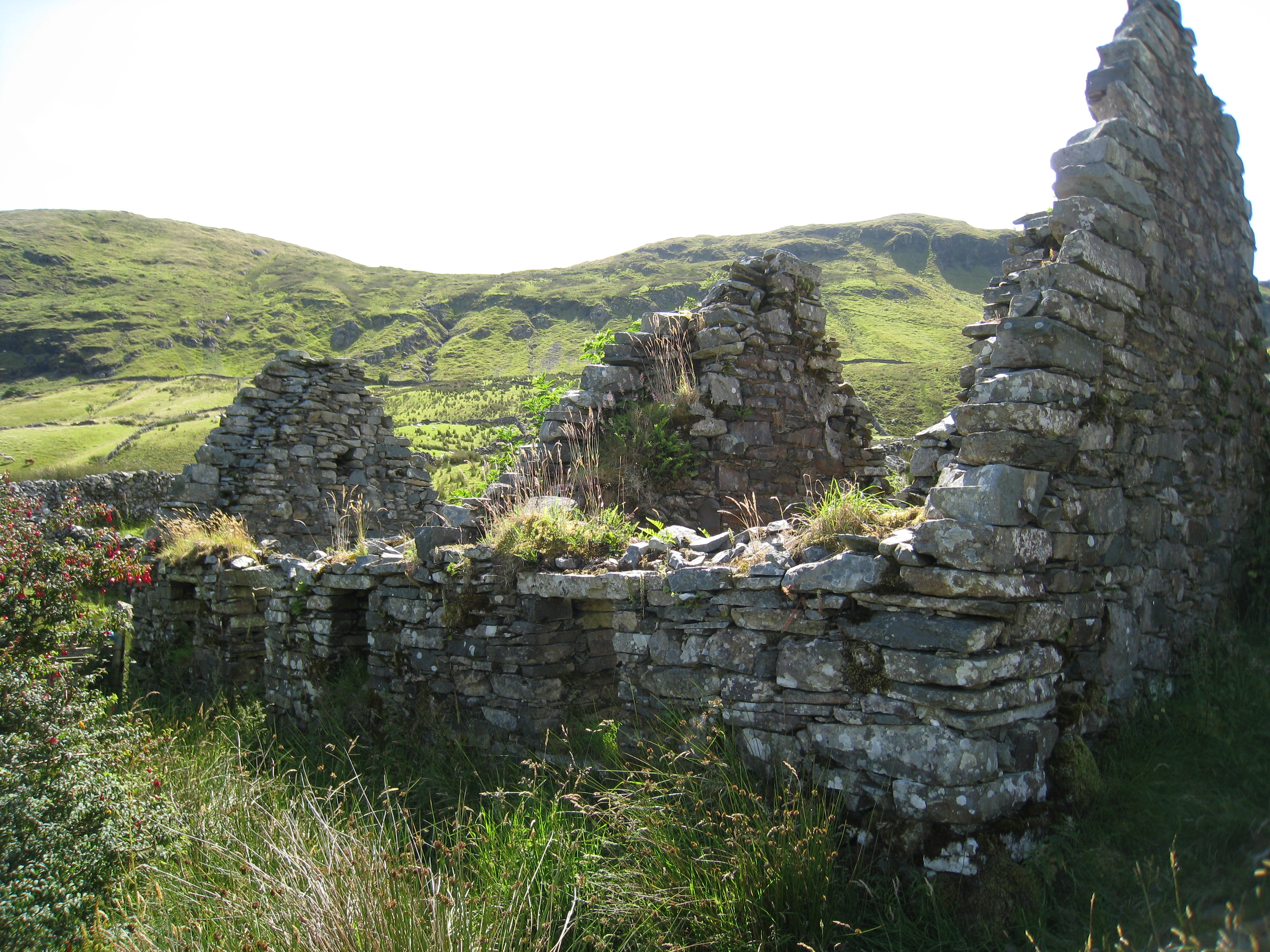
IMG_5137When you think of 20th century Irish poets who embody the notion of rural Ireland, Seamus Heaney is probably the first name that comes to mind. Granted, he was a marvelous poet who deserves his acclaim, yet there are others.

patrick_kavanagh_2Patrick Kavanagh was one such poet. The fourth of ten children, he was raised on a small farm in Co. Monaghan. He left school at 13 to apprentice to his father, a shoemaker, and to work on the farm.

To say he was a conflicted poet is to put it lightly. His poetry was born out of the stony grey soil of Monaghan. He managed to capture the rural life in its bare-bones beauty, while at the same time railing against it. He escaped to Dublin when he was twenty-eight, and for a self-proclaimed peasant, he went a long way to expand his horizons. I suspect he was not always a pleasant fella to be around—hard drinking, belligerent, with a huge chip on his shoulder. But it is the poetry that counts.

At the age of fifty, he had a lung removed to stave off cancer. Convalescing, he would sit on the banks of the Grand Canal that runs through Dublin. And it is here that he seems to have finally come to some kind of peace with the rural landscape that he was so deeply rooted in.

images-2

CANAL BANK WALK

Leafy-with-love banks and the green waters of the canal
Pouring redemption for me, that I do
The will of God, wallow in the habitual, the banal,
Grow with nature again as before I grew.
The bright stick trapped, the breeze adding a third
Party to the couple kissing on an old seat,
And a bird gathering materials for the nest for the Word
Eloquently new and abandoned to its delirious beat.
O unworn world enrapture me, encapture me in a web
Of fabulous grass and eternal voices by a beech,
Feed the gaping need of my senses, give me ad lib
To pray unselfconsciously with overflowing speech
For this soul needs to be honoured with a new dress woven
From green and blue things and arguments that cannot be proven.IMG_6414

COMFORT FOOD: BREAD

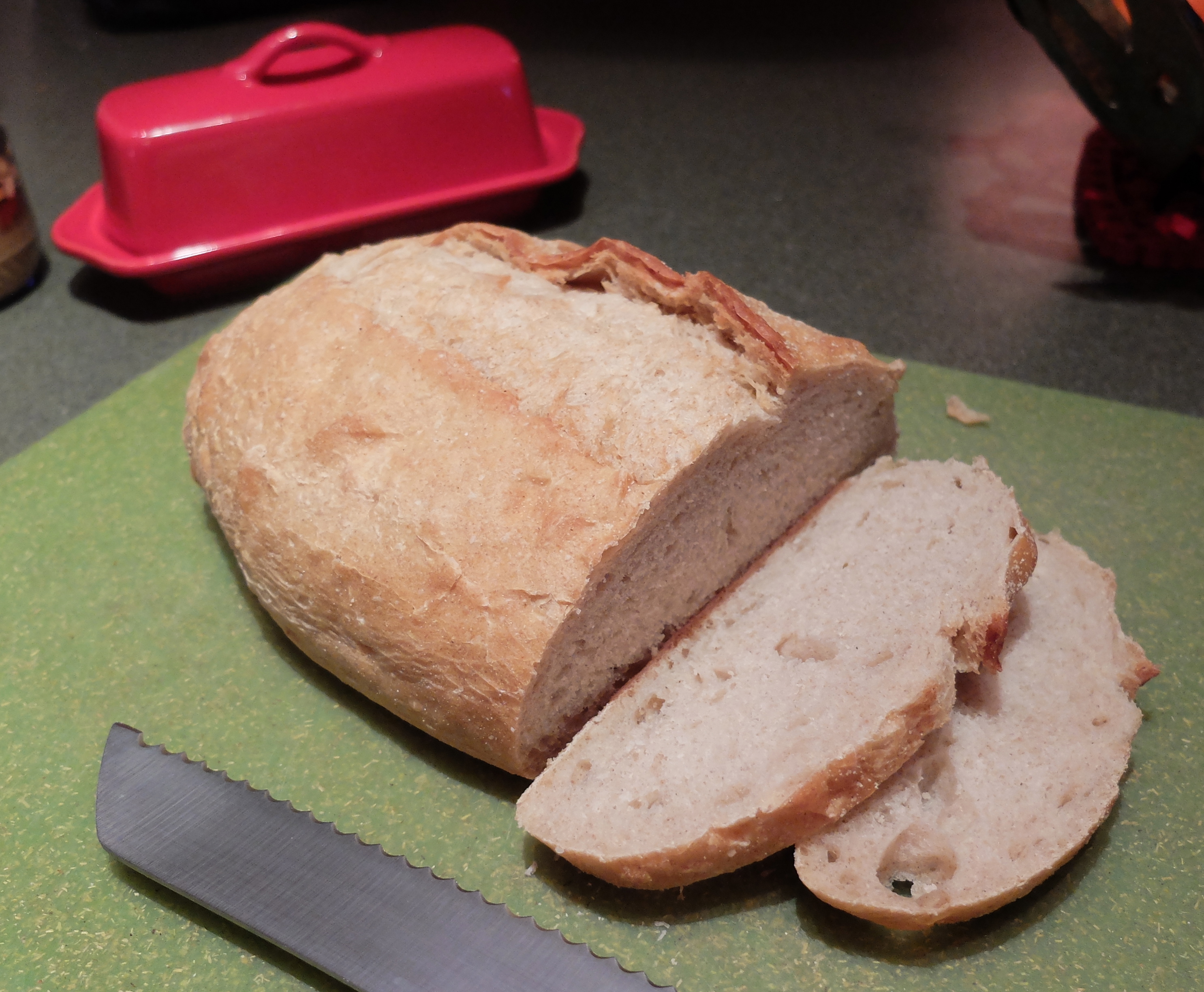
DSCF4060We all have our comfort foods—mine is bread. White bread was a staple of my Irish childhood—the sliced pan, as it was known. It made excellent toast images-1fingers for dipping in soft boiled eggs, or for spreading with honey, or munching with a heap of baked beans.

When I was a little kid my mother and her friends went through a hippie phase—transcendental meditation, yoga, lentils, you know the kind of thing. The upside was delicious homemade yogurt and yeast bread. That distinct sour yeasty smell when you took a big sniff of crusty baguette hot out of the oven still lingers. Later, brown-soda-bread-234x260she made wonderful, dense brown soda bread with a dollop of sticky treacle added for sweetness.

At Granny’s house, the bread came from Eileen’s, the tiny corner shop. You bought an uncut loaf, big as a doorstep, and so fresh it could get up and dance a jig. It was the perfect bed for a slab of bright yellow salty butter from the farm down the road. You had to watch out for the collie dog though, he was a nipper. And of course you had to top it off with Granny’s raspberry or gooseberry jam.

My other grandmother allowed me the treat of butter and peanut butter on my bread. But my abiding memory is of my grandfather’s breakfast ritual. When we came downstairs he was already seated at the table in a low-slung armchair, hair neatly combed, his thin body all jutting angles of knees and elbows. Arranged in front of him were his plate of toast, his gold-colored teapot and mug, and a book perched on a stand he’d made specifically for reading at mealtimes. His chin hovered no more than an inch or two above all this. But the beauty of the arrangement was that it allowed him—ever a fastidious man—to eat and read without taking his eyes off his book, and with no fear of crumbs cascading down his cardigan.

When I was seven we went to live on the Greek island of Corfu. The strange new foods were a shock to my bland Irish palette. Luckily, the coarse bread (an artisanal country loaf in today’s vlcsnap-2013-10-14-22h02m50s148parlance) made by the village baker was delicious. My sisters and I would get up early and gallop through the narrow, whitewashed streets to arrive in time to watch the loaves being pulled from the oven on long wooden paddles. The bread never made it home in one piece. On days when we went filming with my parents for the documentaries they made on the island, we would take along a picnic lunch. In a shady olive grove we’d listen to the cicadas zithering, eating chunks of bread doused in green olive oil and topped with sweet tomato slices and slabs of salty feta.

My first year in college, I’d come home late at night, starving, awash with experiences from my new adult world, yet still craving childhood comforts, and make myself a round of hot-buttered toast and marmalade.

Bread is still one of the great joys of my life. One of my favorite things to do is share a weekend imagesbrunch with my family: a crusty loaf of sourdough from the farmer’s market with a homemade soup to dunk it in, jars of hummus and basil pesto from the garden, slices of pungent local cheese, and plates brimming with cucumber and tomato slices and a handful of briny Kalamata olives. Heaven on a plate!

READY FOR HER CLOSE-UP: THE WRECK OF THE SUNBEAM

IMG_1715

Built to be a working girl,
Stout wooden timbers,
Eighty-four tonnes, seventy-nine feet long,
A coastal schooner
Plying her trade from Slyne Head to Mizen Head,
The English Channel and the Irish Sea.
And yet her name, the Sunbeam,
Forecast a more glamorous life—
A starlet in the making.

Her course was set for good
On a run from Kinvarra to Cork,
Her hold weighed down with flour,
Connemara rocks, perhaps, for ballast.
A winter storm sent her running for shelter,
Driving her ashore on Rossbeigh beach,
That sandy spit reaching across Dingle Bay.
No loss of life.

And so began her second career.
For more than a century
Flocks of beach-walkers and holidaymakers
Came to admire her oval hull
Sinking into the sand,
Gradually reduced to a skeleton,
Plucked clean by waves
And scuttling sea creatures.
With a backdrop of scudding clouds
Or an incoming tide,
She posed for countless photographs,
Like an old-time movie star
Whose great legs and high cheekbones never fail to catch the light, just so.

It was a sedentary life
For one designed to be in constant motion,
Riding high on Atlantic swells.
That is until the violent tidal surge
Of another New Year storm
Lifted her clean out of the sand
And carried her up the beach to rest against the dunes.
The frail, elderly star
Shook the dust off her silk robe,
And revealed what the ravages of time
Could not diminish:
A raw-boned beauty,
Not ashamed of her working-class origins,
Catching the sunlight for her close-up
One last time.

IMG_7234

The Sunbeam, built in 1860 in Exmouth, England, was shipwrecked on January 3rd, 1903. For more than a hundred years, she has been drawing visitors to Rossbeigh beach, just outside the town of Glenbeigh in Co. Kerry. I had photographed her on several occasions while visiting my sister who lives nearby.

This January, when I arrived in Kerry, a violent winter storm had swept the West and Southwest coast of Ireland, just a few days before. Huge boulders were strewn across the road leading down to the beach, and the playground and public bathrooms were awash with purple and grey rocks. When the high tide receded, the locals were amazed to see that the Sunbeam had been lifted clean out of the sand, and moved up the beach about 400 yards.

Such was her reputation, that it didn’t take long before the sightseers and camera crews arrived on the scene to start taking her picture all over again.

IMG_1713

The Sunbeam, August 2013

IMG_7235

The Sunbeam, January 2014

Thanks to Mick O’Rourke for his informative site: http://www.irishshipwrecks.com/

The West of Ireland in Winter

High water, Lough Carra, Co. Mayo

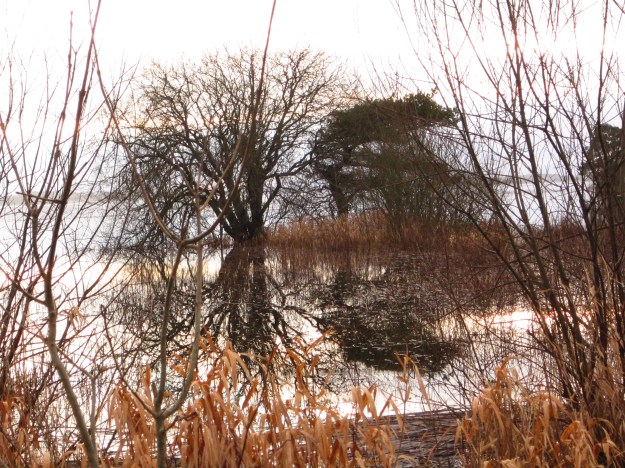
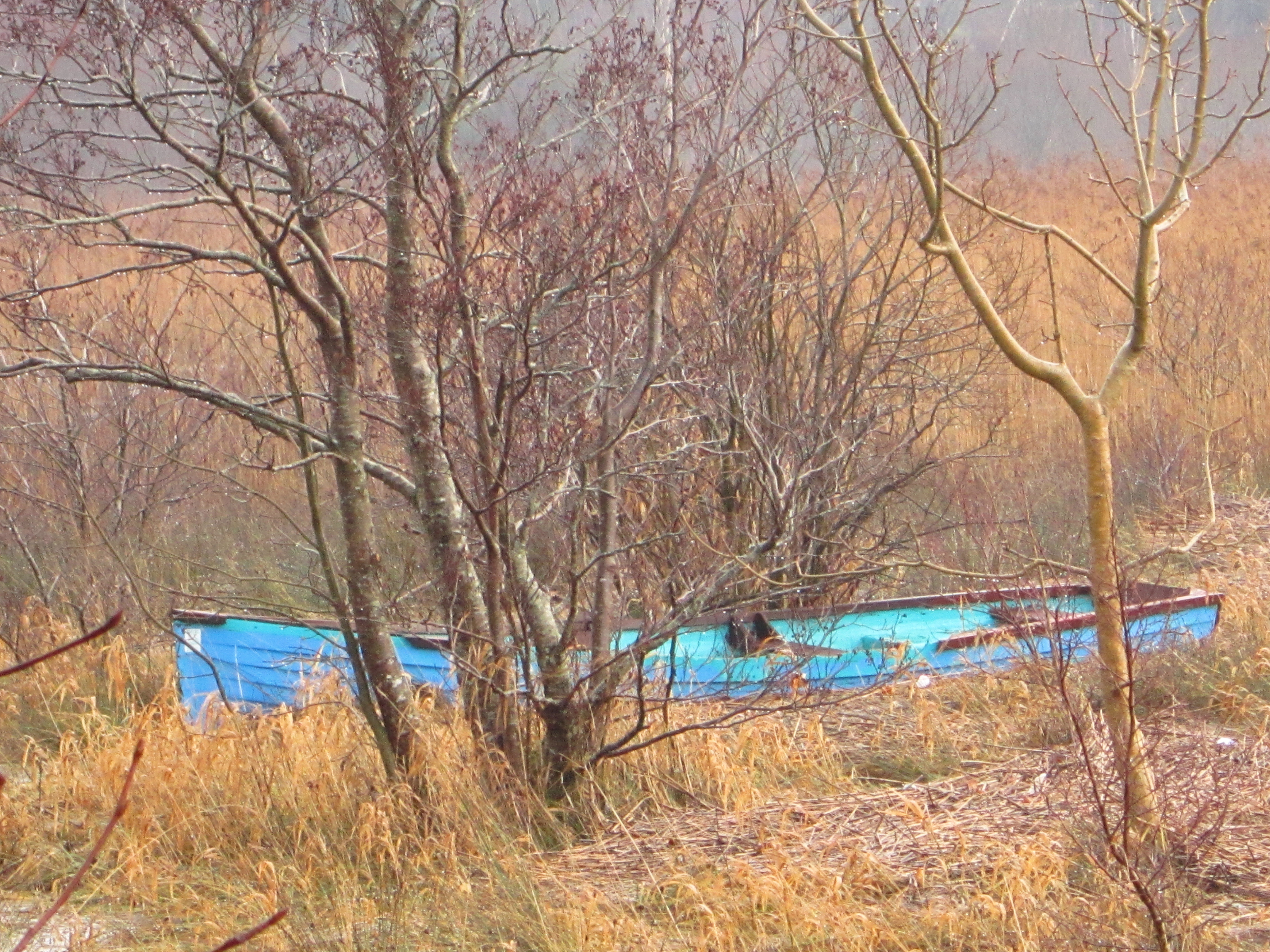
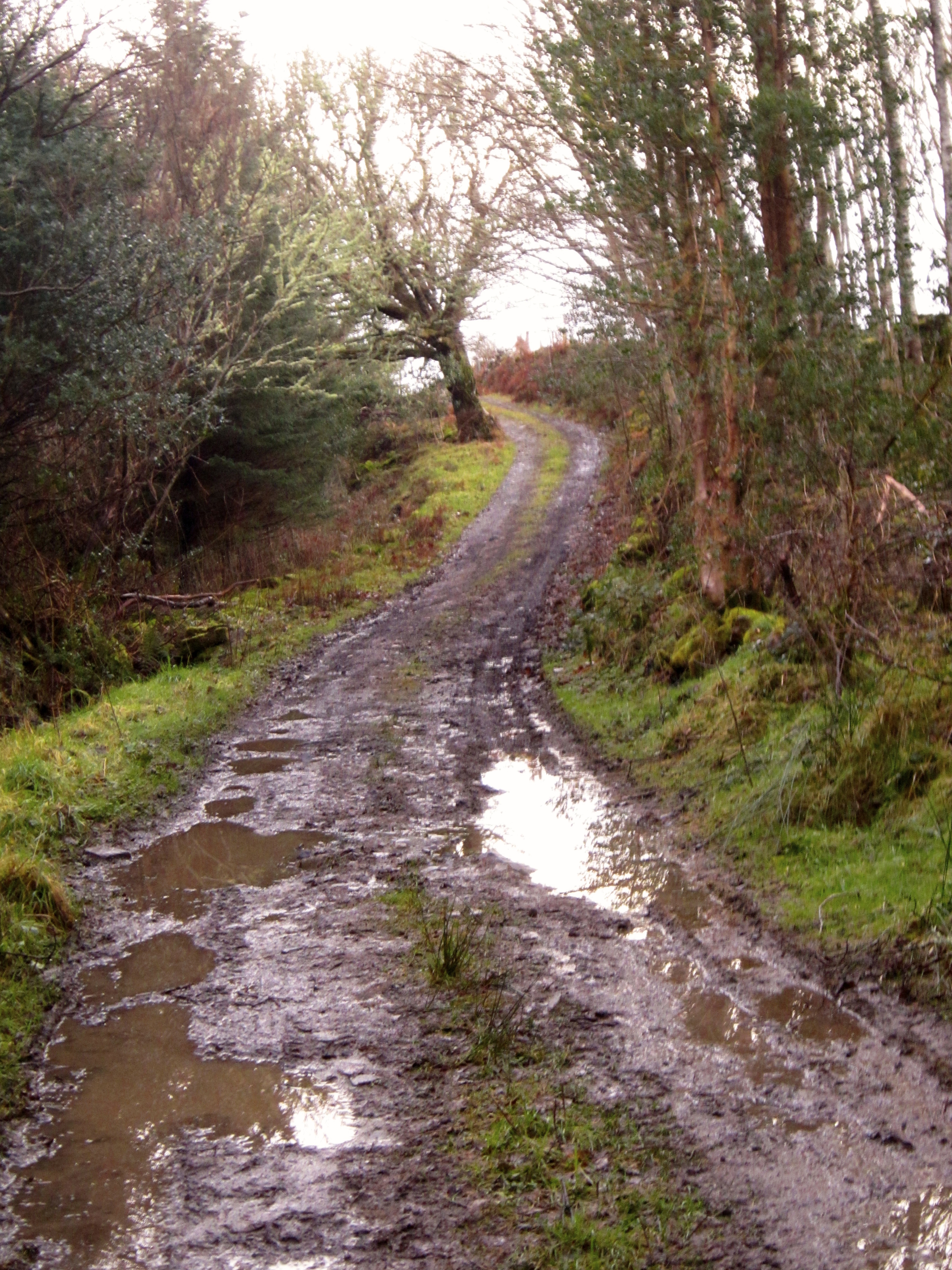
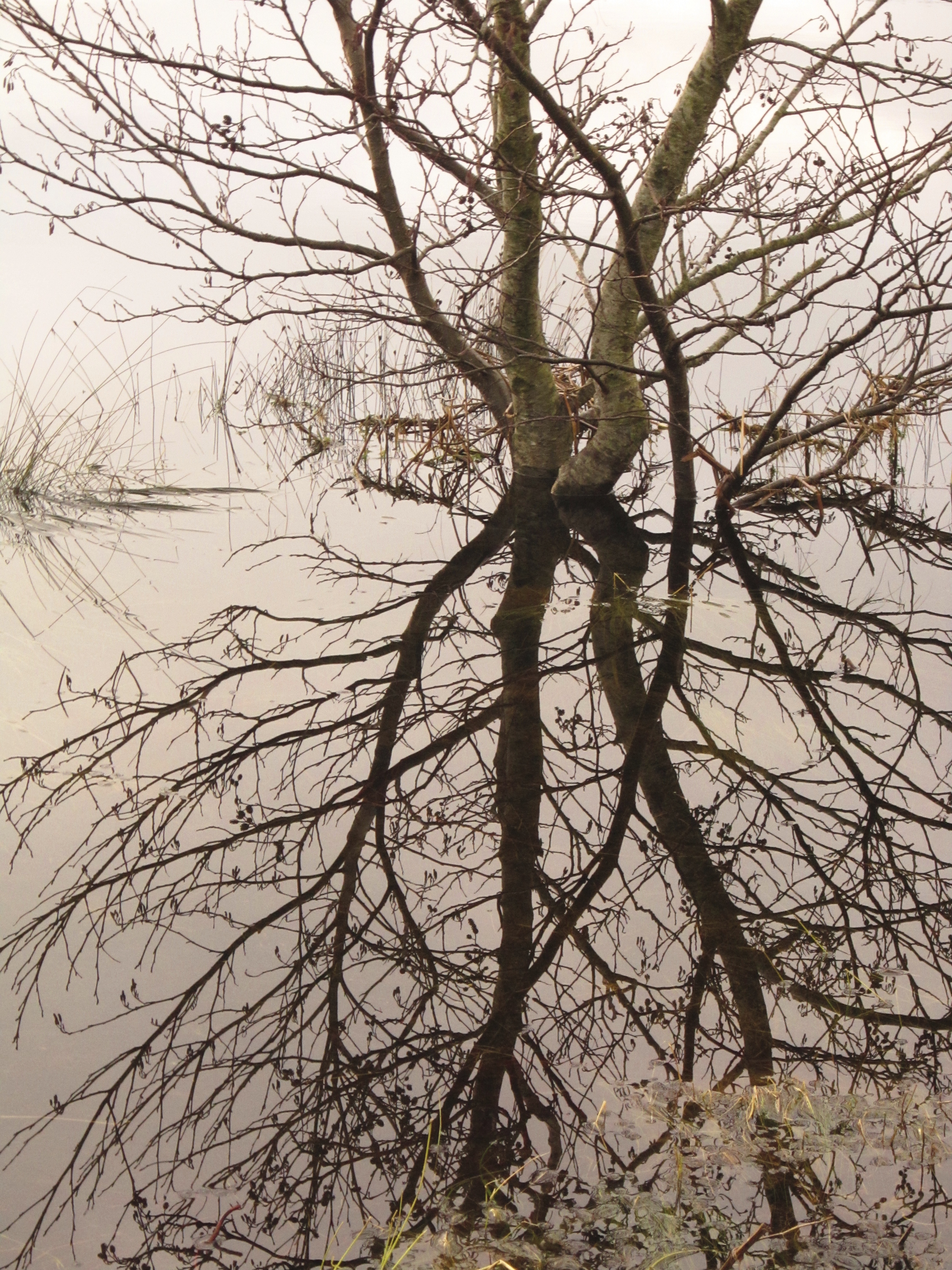
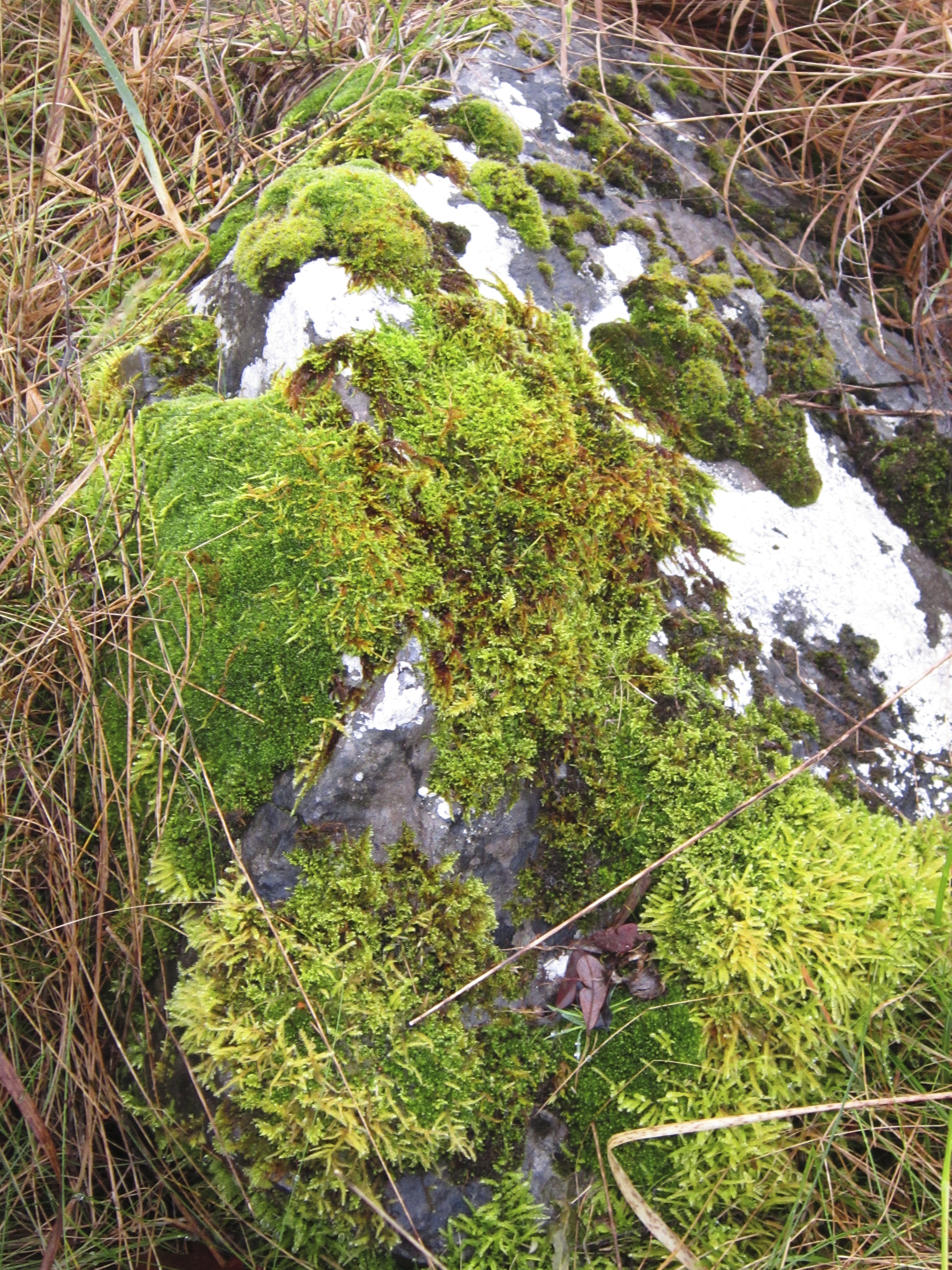
You often see photos of Ireland in all her emerald beauty. But for me, there is nothing more striking than the subtle colors of winter. This series of photos was taken in January  around the lake shore of Lough Carra, Co. Mayo, and along the coastline of counties Mayo and Kerry.

IMG_7545

IMG_7478

IMG_7566IMG_7486


IMG_7631

IMG_7539

IMG_7689

IMG_7496IMG_7487

IMG_7669

IMG_7676

IMG_7661

IMG_7567

IMG_7610

IMG_7609

IMG_7170

IMG_7216

IMG_7190

IMG_7203

IMG_7257

IMG_7156

IMG_7264

IMG_7294

IMG_7381

Early January evening on Lough Carra, Co Mayo

Early January evening on Lough Carra, Co Mayo

Early January evening on Lough Carra, Co Mayo


DREAMING OF LANZAROTE

IMG_7471 IMG_7486 IMG_7483


Six grey ponies tearing at frost-rimed grass on the drive in.
Nephin sporting a capÍn of snow.
Swans, paired, trawling the lake’s inlets.
At the doctor’s office Martina still has her coat and scarf on
Furiously fielding phone calls and mumbled inquiries
From the queue shuffling through the dismal hallway.
In the waiting room two old fellas gab away, biding their time,
In it for the long haul.
And then two more.
Their Mayo dialect—laced with curses—
Rolls around their mouths as if they’re sucking boiled sweets.
It seems, to my untuned ear, to be a diatribe
Of every family in the county,
Or maybe just a friendly reminiscing.
Soon, all the chairs are taken
And still the patients stream in:
Bloodless, Vitamin D starved faces, rattling coughs, mini-germ factories,
Dreaming of Lanzarote.images-6

PAGAN MOON

DSCF1812The moon is a blank-faced clock
Its ripe orb the only thing
That pagan man in pre-historic times
Could hang his hat on.
The deep chill of winter began the slow
Rumble of the seasons
The waxing and waning
Of the moon
Etching itself into the everyday.
The tug that set the hens to laying
And the shrimp to drift in on a high spring tide.
The high, sharp-edged disk
That lit up the eyes of a fox on the prowl,
Pups nipping at her heels, pouncing on frogs.
The May moon, anticipated by farmer and poet alike—
The moon to wipe the slate clean,
To slap the palm, sealing the deal of a new year’s agreement.
The warm, lazy moon that enticed lovers into the woods,
And small children into achingly cold mountain streams to catch minnows.
The harvest moon
Slipping silently up through half-naked tree branches
Sealing the coffers for another year.
This is the moon to be beguiled by sweet music, honey wine, and blood.
The powerful moon that holds the thread of life.
If she is not fawned over and appeased
She will slowly, with one eye on the clouds,
Unravel the thread.

I wrote this thinking of the early inhabitants of the island of Ireland, but the moon has resonance for every culture. I would love to hear about yours.

DSCF1799

VW Bus, Our Hippie Adventure, Part 1

800px-Vw_transporter_t2b_v_sst2_771-2

I know I must be hitting middle age because tsunami’s of nostalgia keep washing over me. The latest was prompted by the news that Brazil, the last remaining country to produce the Volkswagen camper van, also known as the hippie bus, is to end production after 57 years.

My seven-year-old excitement knew no bounds when Dad roared up the avenue in the second-hand, red VW bus. Our family was preparing to leave soggy Ireland to go and live on the Greek island of Corfu for six months. The bus was to be our home during the drive across Europe. Once there, it would become a mobile production unit while Mum and Dad made a series of documentaries on the people, history, and wildlife of the island. This was 1972 and I didn’t even know what a hippie was, but Mum and Dad with their three little girls packed into a VW bus must have fit the mold.

Mum set to work sewing bright orange curtains for the windows. Soon, with the film equipment stashed under the seats, we were off to catch the ferry to England. London in the early 1970’s was a psychedelic experience. I remember sleeping on the floor of a musician friend of my parents. It was all Indian prints and sitars and smelly incense, and it blew my provincial Irish mind. I lay on a makeshift bed on the floor gazing, transfixed at the first lava lamp I’d ever seen. But that was nothing compared to the thrill of driving up the ramp into the hovercraft that would take us across the English Channel from England to France, and feeling the airbags inflate beneath me, before skimming across the sand flats and splashing into the sea.

trip map 1

We were on a very limited budget, so, even though it was March and freezing, all five of us spent our first night in Paris squished into the back of the van. To pee, we had to get out and squat in the gutter, much to the horror of the early dog walkers—their dogs got to poop on the sidewalks! Not surprisingly, after that we graduated to cheap hotels, at least one of which doubled as an up market brothel as my older sister later informed me.

In France my sisters and I discovered bidets, fizzy water, and Nutella. Who knew you could eat bread and chocolate? Surely an invention of the gods. Bolsters, on the other hand, were a form of torture, only good for annihilating your sisters in a pillow fight.

The van chugged valiantly across France and into Switzerland, where the heater conked out. By now it had truly become our mobile playground, filled with books and sketchpads and colored pencils. Entertainment was never hard to find. When my sisters and I got tired of squabbling, we could sit for hours gazing out the window at the passing scenery, marveling as we climbed up into the Alps at the snow-filled valleys. Until then I had never seen more than a dusting of the white stuff. Once we had driven through the Great Saint Bernard Tunnel and crossed into Italy, we begged to stop so we could sink, up to our uxters, in the snowdrifts at the side of the road.

On the outskirts of Turin, the driver’s window of the van got stuck, allowing in icy blasts of air. While it was being repaired, we spent a night at a wonderfully old and creaky hotel, undoubtedly haunted. Much to our delight, several black cats slept in a basket on the wooden counter that served as a front desk.

Riding the vaparetto through the canals of Venice, I felt like I’d stepped into a Richard Scarry book. They had water taxis, water ambulances, water police, and of course, gondolas. In St. Mark’s Square, on a chilly March day, the pigeons were more numerous than the tourists. We giggled as hordes of them descended on our outstretched hands to nibble the corn kernels we offered them. I still have the miniature glass goose I watched the glassmaker swirl out of yellow and black glass.

On the outskirts of Rome, my parents looked up an acquaintance. Unfamiliar with the eating habits of small children, he took us to a fancy Italian restaurant and plied us with Parma ham and slivers of dolphin meat. My devious seven-year-old brain went into action. At one point my mother turned and praised me for trying the unusual food. Little did she know there was a pile of discreetly rolled Parma ham deposited under the chair of the corpulent Italian gentleman at the next table.

My sisters and I fell in love with the Botticelli’s in the Uffizi Gallery in Florence. From the windows of the museum we looked out over the Arno River and the Ponte Vecchio and marveled at the golden carp swimming below us. Whenever I see a Botticelli, I think of those golden fish.

Arriving in Rome late at night, we huddled in the backseat while Mum and Dad fought bitterly over the frustrating one-way system. When we finally found a hotel room, it was well past midnight and all the restaurants were closed. The owner, a cranky old English fart, said, ‘I hope your children don’t wet the beds,’ much to our indignation. We sat in bed eating handfuls of raisins and sipping watered-down whiskey. (I suspect that my parents merely wanted a bit of peace and quiet, but it’s possible that that is where I first acquired a taste for the smoky, burnt caramel flavor.) The next morning we began our Roman adventure with breakfast on the roof terrace of the hotel, overlooking Roman ruins, filled with cats dining on spaghetti provided by little old ladies.

The van roared past Naples and Mount Vesuvius in a hell-for-leather attempt to catch the ferry at Brindisi for the island of Corfu—our new home for the next six months.

It’s funny how of all the amazing ruins and sights we must have seen, these are the ones that stick in the crevices.                           Untitled1                     To be continued.

Old Writers, New Media

IMG_4587So, there I am, a write eejit, feeling overwhelmed by the level of New Media I haven’t mastered, when a thought occurs to me: How would writers in the past have handled today’s plethora of media technology. Would they have passed the proverbial buck and remained scratching away with their goose quills, or clacking away at their typewriters? Or would they have embraced it wholeheartedly? Given that many of the most enduring writers were ahead of their time, it stands to reason that they would have been hanging ten on the New Media wave. I posed the question to my wonderful, tech savvy, and well-read teen, and we riffed mightily. Here are the conclusions we came to.

Samuel Beckett, who rose to the challenge of reducing his later work to its most simple form, would be Lord of the Tweet: All of old. Nothing else ever. Ever tried. Ever failed. No matter. Try again. Fail again. Fail better. (Worstword Ho, 1983) His retweet stats would be legendary. http://www.youtube.com/watch?v=O8mBogVritg

Oscar Wilde, master of the sassy one-liner,  would have millions of followers on Twitter, and probably go mano-a-mano with Beckett in a twitter war: minimalism versus flamboyant provocatism: There is only one thing in life worse than being talked about, and that is not being talked about.

Who can deny Shakespeare the title of King of the Sound Bite: Some are born great, some achieve greatness, and some have greatness thrust upon ’em. (Twelfth Night)

Charles Dickens, a whizz-kid when it came to growing his audience, cornered the market on the serialized format, starting with The Pickwick Papers in 1836. “It’s always best on these occasions to do what the mob do.” “But suppose there are two mobs?” suggested Mr. Snodgrass. “Shout with the largest,” replied Mr. Pickwick. He’d write epic, multi-chapter fan fiction. And Thomas Hardy would write epic Charles Dickens fan fiction.

Wordsworth would go apeshit over Instagram.

I wandered lonely as a cloud
IMG_4577 That floats on high o’er vales and hills,
When all at once I saw a crowd,
A host, of golden daffodils…
(“The Daffodils”, 1807)

Jane Austen, Fairy Godmother of the RomCom, would give Julian Fellowes a run for his money, optioning the movie rights to all her bestsellers. I could not sit seriously down to write a serious romance under any other motive than to save my life; and if it were indispensable for me to keep it up and never relax into laughing at myself or other people, I am sure I should be hung before I had finished the first chapter. No, I must keep to my own style and go on in my own way; and though I may never succeed again in that, I am convinced that I should totally fail in any other. (Letter to Mr. Clarke, librarian to the Prince Regent, 1815)

Mark Twain would have several Kickstarter projects running at once.

Mary Shelley would be tickled pink by the possibilities of CGI when bringing her ‘Modern Prometheus’ to life for the big screen, and insist on 3D. She and Ridley Scott would have long conversations about prosthetics. Accursed creator! Why did you form a monster so hideous that even you turned from me in disgust? God, in pity, made man beautiful and alluring, after his own image; but my form is a filthy type of yours, more horrid even from the very resemblance. Satan had his companions, fellow devils, to admire and encourage him, but I am solitary and abhorred. (Frankenstein, 1818)

Louisa May Alcott would be very active on Pinterest.

The Bronte sisters, well-known cat lovers, would, no doubt, find it impossible not to post cute kitty videos on YouTube.

Virginia Woolfe would make cryptic and overly personal Facebook updates. We have been to Rodmell, and as usual I come home depressed – for no reason. Merely moods. Have other people as many as I have? That I shall never now. And sometimes I suppose that even if I came to the end of my incessant search into what people are and feel I should know nothing still. (Diary entry, 1925)

Edgar Alan Poe, the big Emo, would post morose poetry, and black-and-white giffs of Bergman movies to his Tumblr account.                                                                                                                    But see, amid the mimic route                                                                                                                        A crawling shape intrude!                                                                                                                                A blood-red thing that writhes from out                                                                                                    The scenic solitude!                                                                                                                                          It writhes!—it writhes!—with mortal pangs                                                                                               The mimes become its food,                                                                                                                       And seraphs sob at vermin fangs                                                                                                                   In human gore imbued. (“The Conqueror Worm,” 1843)

James Joyce would embrace the challenge of writing a novel on his cell phone, and cause a minor scandal when his sexting with Nora accidentally goes public.

No doubt, these old dogs could teach us some new tricks.

IMG_4583