Category Archives: Woman With Landscape

Time Worn

IMG_3752

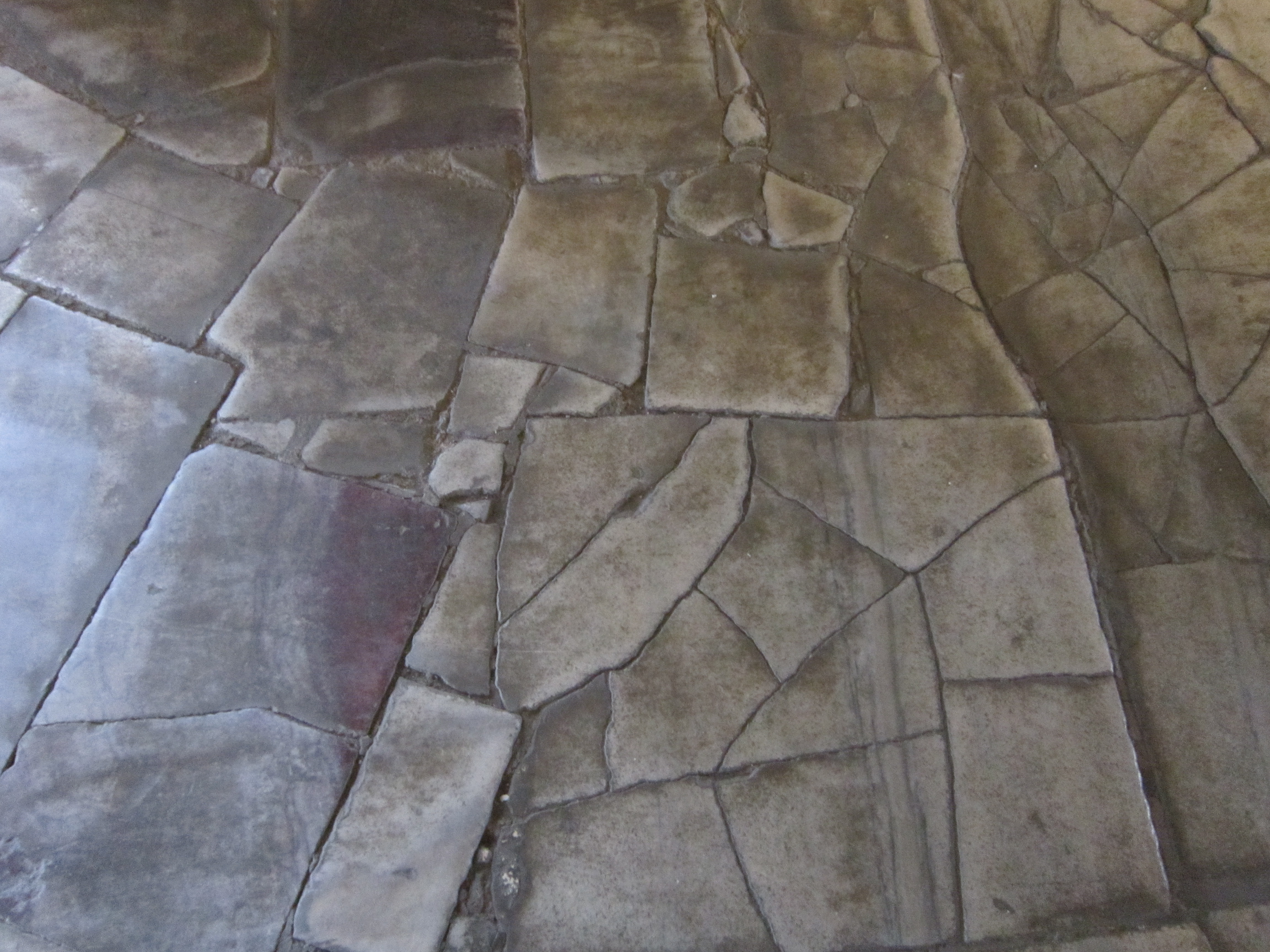
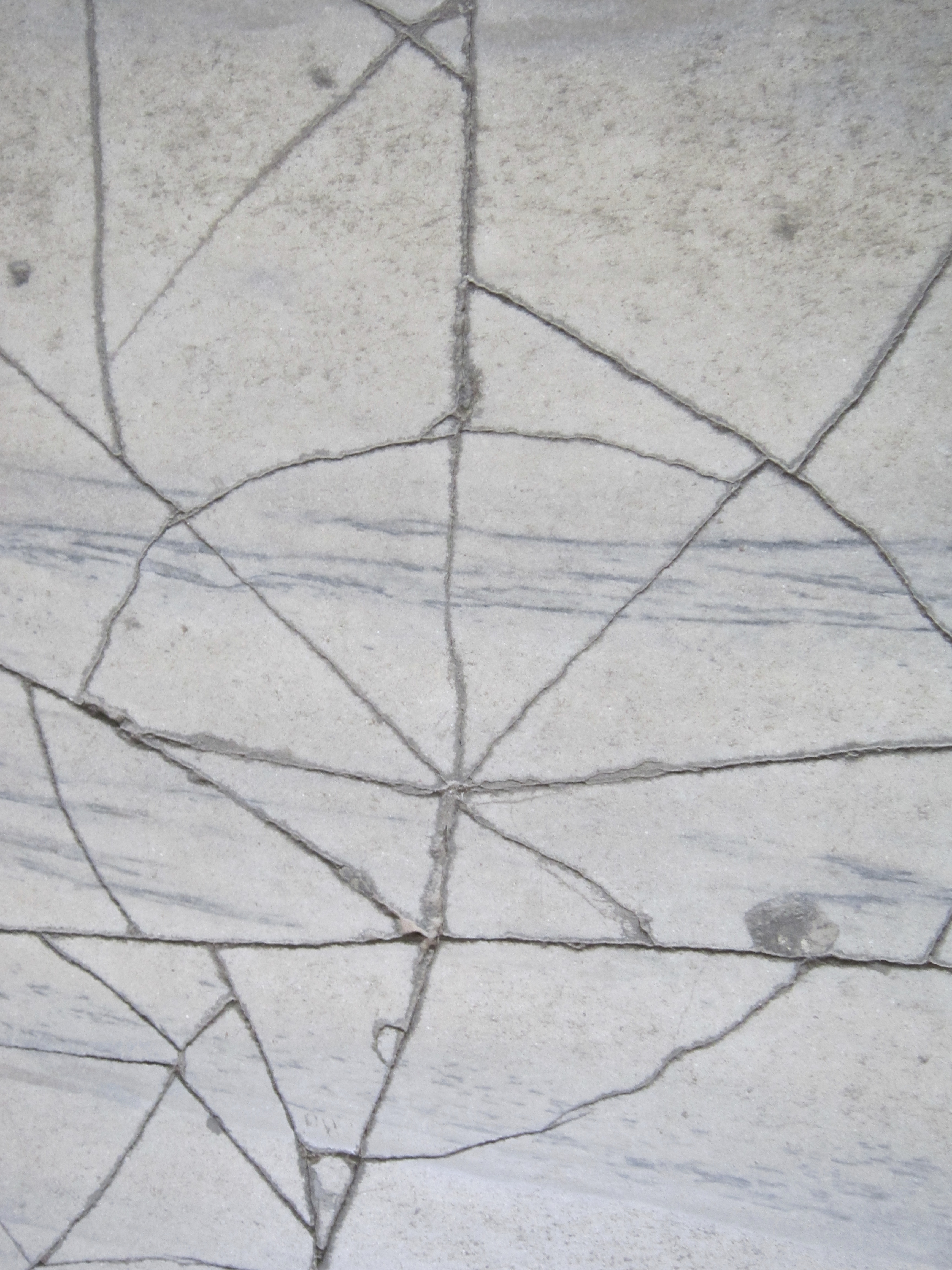
Last March my family and I spent an amazing ten days in Istanbul. Of course I took way too many photographs. Everywhere you turn, the city is a repository of history.  Looking back on them, a particular series of shots stood out. One of the most famous sights is Hagia Sophia (Aya Sofya), built as a Christian basilica in 537 AD, later an imperial mosque, and now a museum. Of course it’s difficult to drag your eyes away from the soaring architecture and magnificent domes and mosaics all around you. But what really caught my attention were the floors. How many millions of people have come from all over the world to worship and marvel at this stunning building? The grooves and cracks worn into the marble tiles and cobblestones by their feet tell it all.

IMG_3698IMG_3546IMG_3537IMG_3700IMG_3701IMG_3688IMG_3615IMG_3827

If you have any similar photos of the passage of time, I would love to see them. Please feel free to share by putting in a link in the comments section.

SIGNS OF SPRING

IMG_8134A sure sign of spring—the kids are going crazy. Notes home from the teacher about rambunctious behavior. And no wonder, they haven’t had an outdoor recess in months!

To combat the stir crazies, I took my little fella out to tramp through the woods over the snowpack, joining the dots of deer and fox tracks. He scrambled over, and jumped off downed tree-trunks to his little heart’s content. I noticed the ever-increasing rings of melted snow at the base of trees. Squirrels chased each other round and round the trunk of the giant black walnut. A flash of ginger fur at the corner of my eye was a chipmunk scampering down the old stone wall. The red cardinal perched amongst the brown, yet swelling buds of the forsythia bush, laying claim to his territory. His no less stylish, yet more subdued partner was close by. The Carolina wren scolded from the dogwood. And the darling nuthatches, cheeped softly to each other as they, scampered, headfirst down the trunk.

The other evening as I stood on the lawn watching a silvery sunset, a pair of Canada geese honked from the pond. Not two feet from me a half-awake possum snuffled here and there amongst dried grasses poking out of the snow. He reminded me of a drunk old fella on his way home from the pub.

When I got up this morning the air was ripe with skunk love. An ardent suitor had left his calling card in the night. Perhaps it was the same stylish black and white mop top I’d had to brake for coming home the other night. He was oblivious to my presence, so hot was he on the scent of his ladylove.

Other dozy animals have not been so lucky. The turkey vultures circle over sad heaps of roadkill. So far I’ve counted raccoon, rabbit, groundhog, and squirrel. Time to look up some spring woodland recipes!

The tips of the young willow trees have turned amazing mustard yellow. The silver pussy willows are swelling out of their hard casings. At the edge of the village the sap buckets are hung on the maple trees.

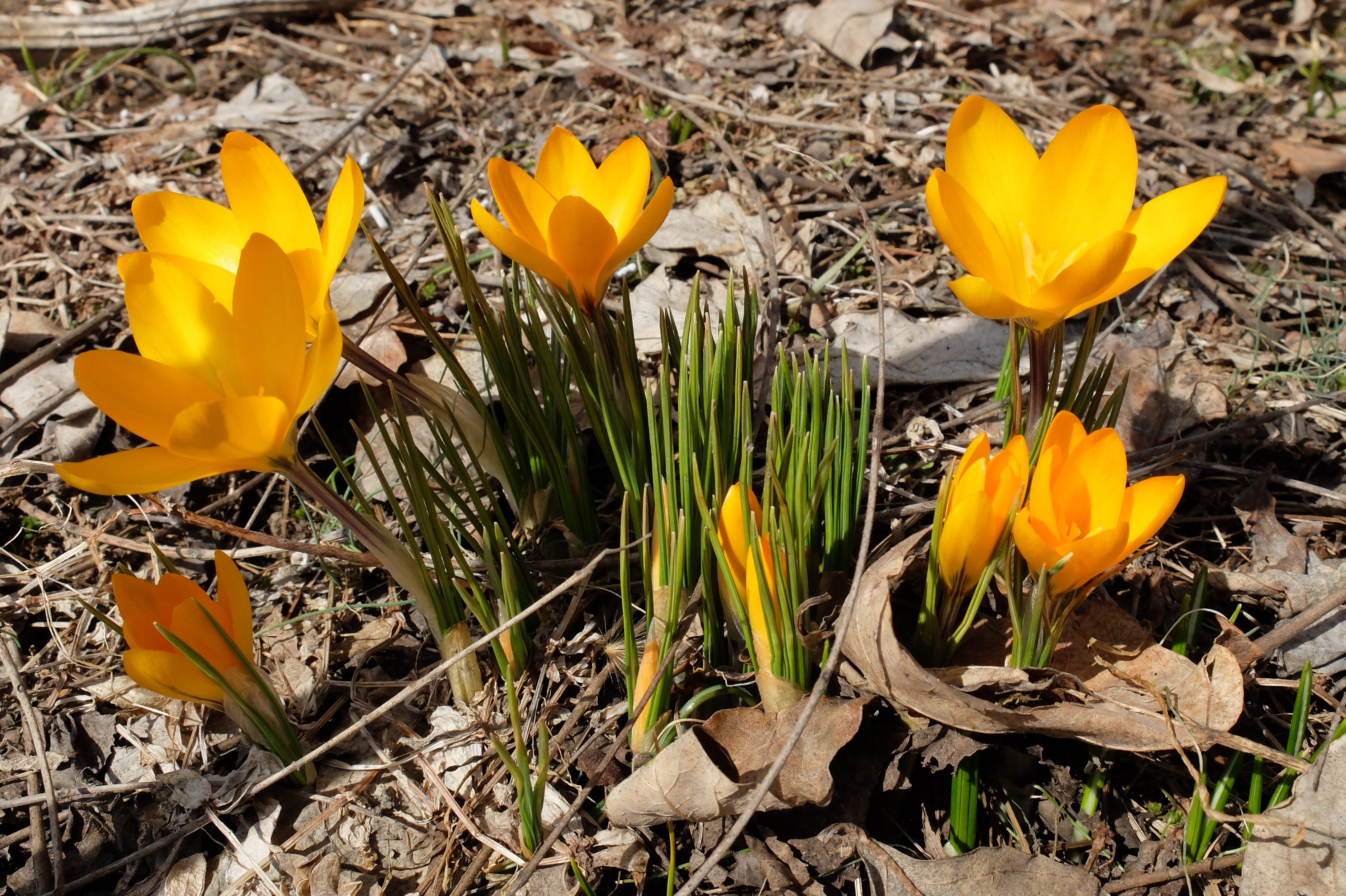
Yes, everything’s still blanketed with snow, but yesterday the first crocuses opened their faces to the sun. The bees can’t be far behind.

Bee! I’m expecting you!
By Emily Dickinson

Bee! I’m expecting you!
Was saying Yesterday
To Somebody you know
That you were due—

The Frogs got Home last Week—
Are settled, and at work—
Birds, mostly back—
The Clover warm and thick—

You’ll get my Letter by
The seventeenth; Reply
Or better, be with me—
Yours, Fly.

DSCF3797

Just a Hint of Spring

Hysterical chickens squawk from the neighbors yard.
They couldn’t be more chuffed
At having laid the first eggs of the year.
A rivulet of ice-melt
Gushes from the broken gutter—
Add that to the list of post winter chores:
Cut back the dried grasses,
Rake out the flowerbeds,
Push frost-heaved garlic back into the cold earth,
Pull handfuls of chickweed from around the crocuses,
Sit in a patch of early sunlight with just a hint of warmth.

DSCF3793

READY FOR HER CLOSE-UP: THE WRECK OF THE SUNBEAM

IMG_1715

Built to be a working girl,
Stout wooden timbers,
Eighty-four tonnes, seventy-nine feet long,
A coastal schooner
Plying her trade from Slyne Head to Mizen Head,
The English Channel and the Irish Sea.
And yet her name, the Sunbeam,
Forecast a more glamorous life—
A starlet in the making.

Her course was set for good
On a run from Kinvarra to Cork,
Her hold weighed down with flour,
Connemara rocks, perhaps, for ballast.
A winter storm sent her running for shelter,
Driving her ashore on Rossbeigh beach,
That sandy spit reaching across Dingle Bay.
No loss of life.

And so began her second career.
For more than a century
Flocks of beach-walkers and holidaymakers
Came to admire her oval hull
Sinking into the sand,
Gradually reduced to a skeleton,
Plucked clean by waves
And scuttling sea creatures.
With a backdrop of scudding clouds
Or an incoming tide,
She posed for countless photographs,
Like an old-time movie star
Whose great legs and high cheekbones never fail to catch the light, just so.

It was a sedentary life
For one designed to be in constant motion,
Riding high on Atlantic swells.
That is until the violent tidal surge
Of another New Year storm
Lifted her clean out of the sand
And carried her up the beach to rest against the dunes.
The frail, elderly star
Shook the dust off her silk robe,
And revealed what the ravages of time
Could not diminish:
A raw-boned beauty,
Not ashamed of her working-class origins,
Catching the sunlight for her close-up
One last time.

IMG_7234

The Sunbeam, built in 1860 in Exmouth, England, was shipwrecked on January 3rd, 1903. For more than a hundred years, she has been drawing visitors to Rossbeigh beach, just outside the town of Glenbeigh in Co. Kerry. I had photographed her on several occasions while visiting my sister who lives nearby.

This January, when I arrived in Kerry, a violent winter storm had swept the West and Southwest coast of Ireland, just a few days before. Huge boulders were strewn across the road leading down to the beach, and the playground and public bathrooms were awash with purple and grey rocks. When the high tide receded, the locals were amazed to see that the Sunbeam had been lifted clean out of the sand, and moved up the beach about 400 yards.

Such was her reputation, that it didn’t take long before the sightseers and camera crews arrived on the scene to start taking her picture all over again.

IMG_1713

The Sunbeam, August 2013

IMG_7235

The Sunbeam, January 2014

Thanks to Mick O’Rourke for his informative site: http://www.irishshipwrecks.com/

The West of Ireland in Winter

High water, Lough Carra, Co. Mayo

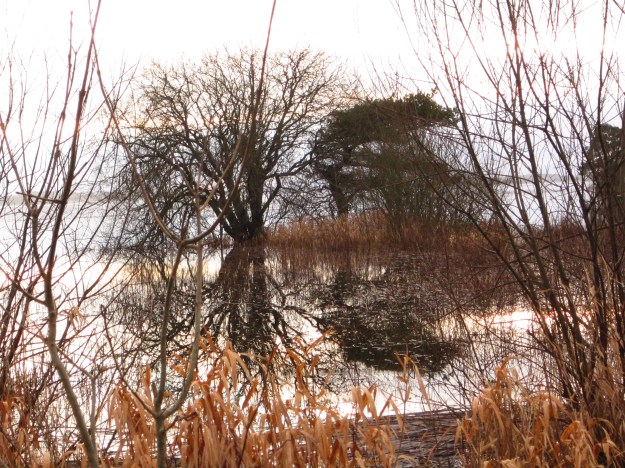
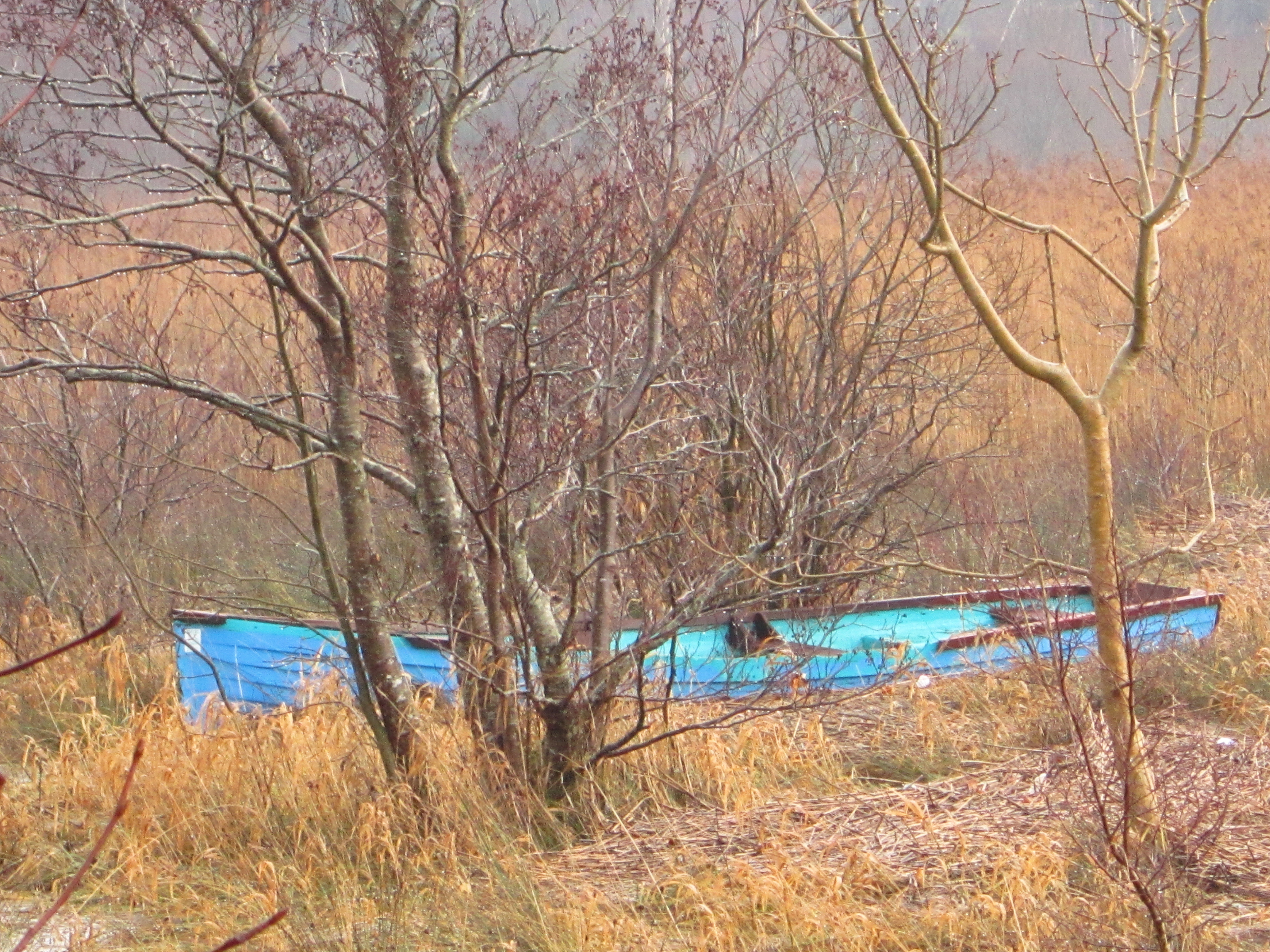
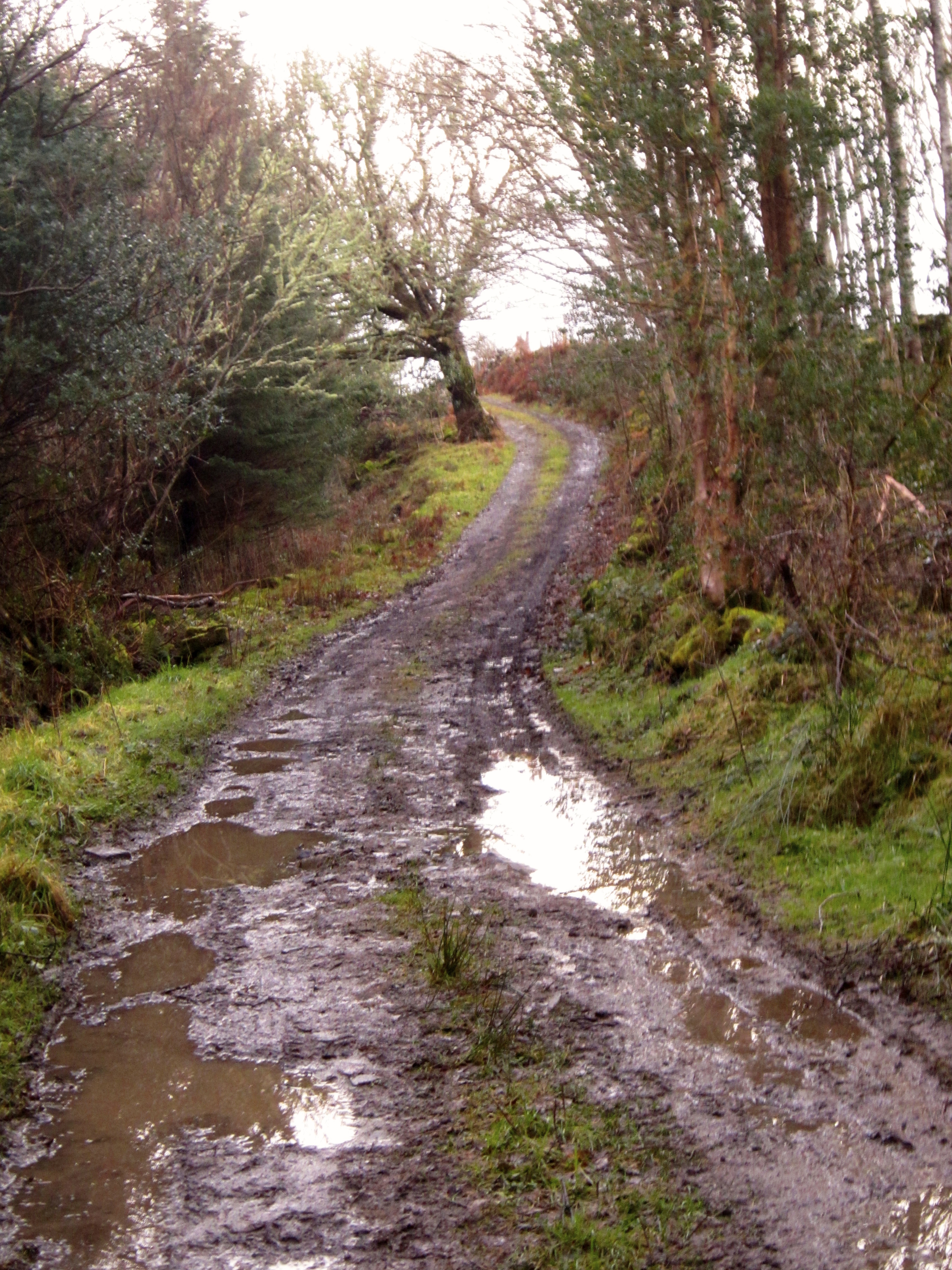
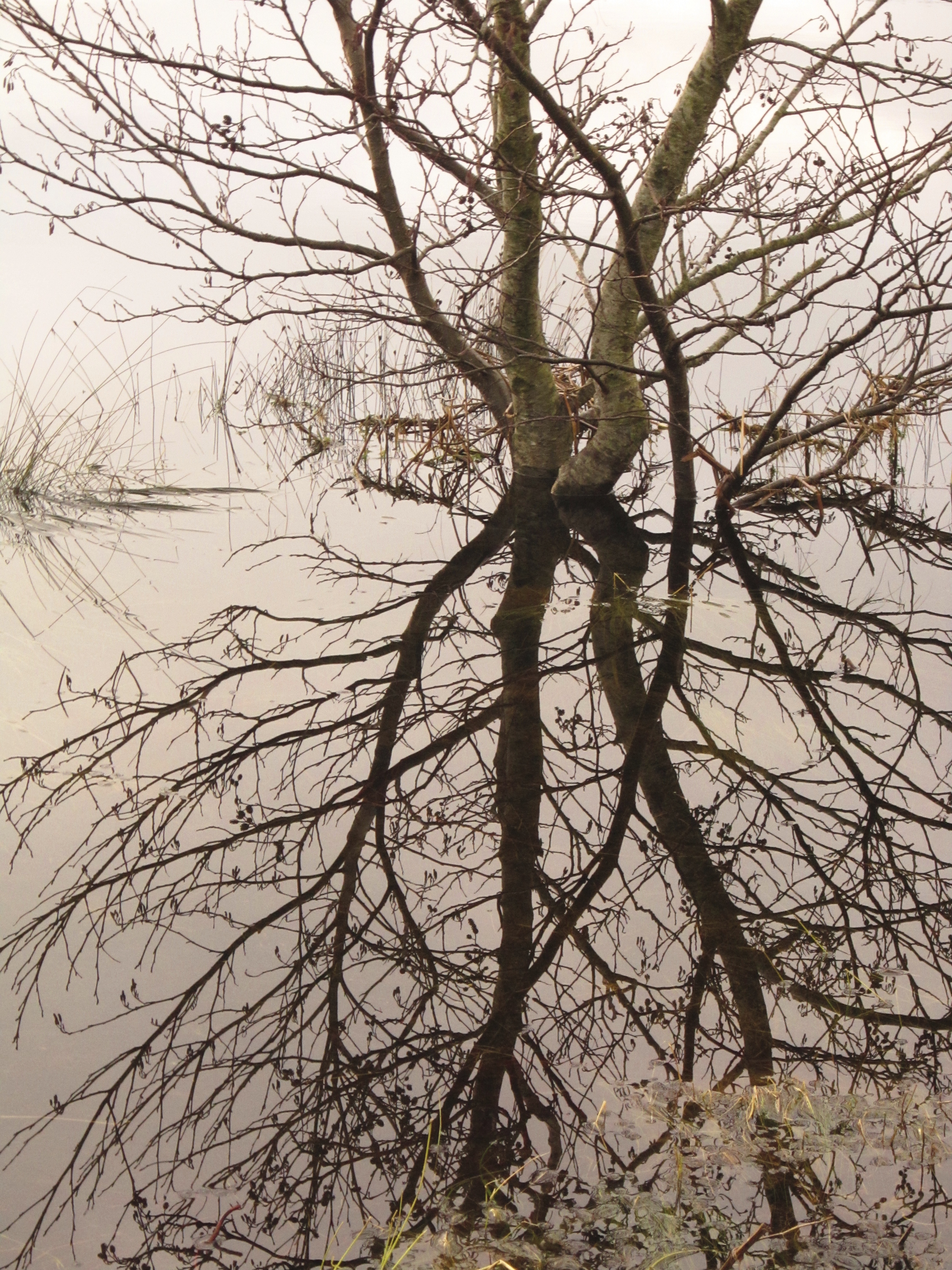
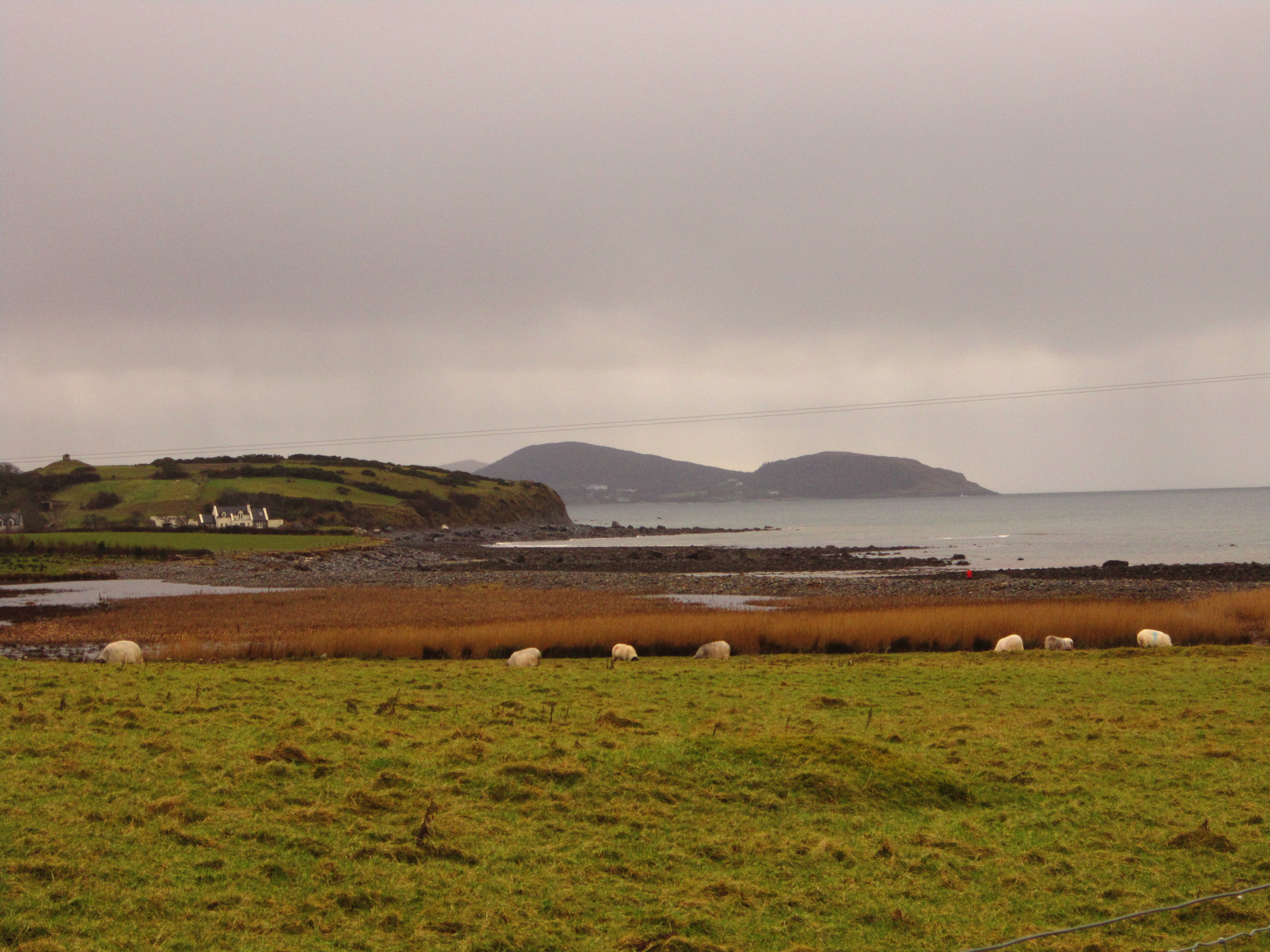
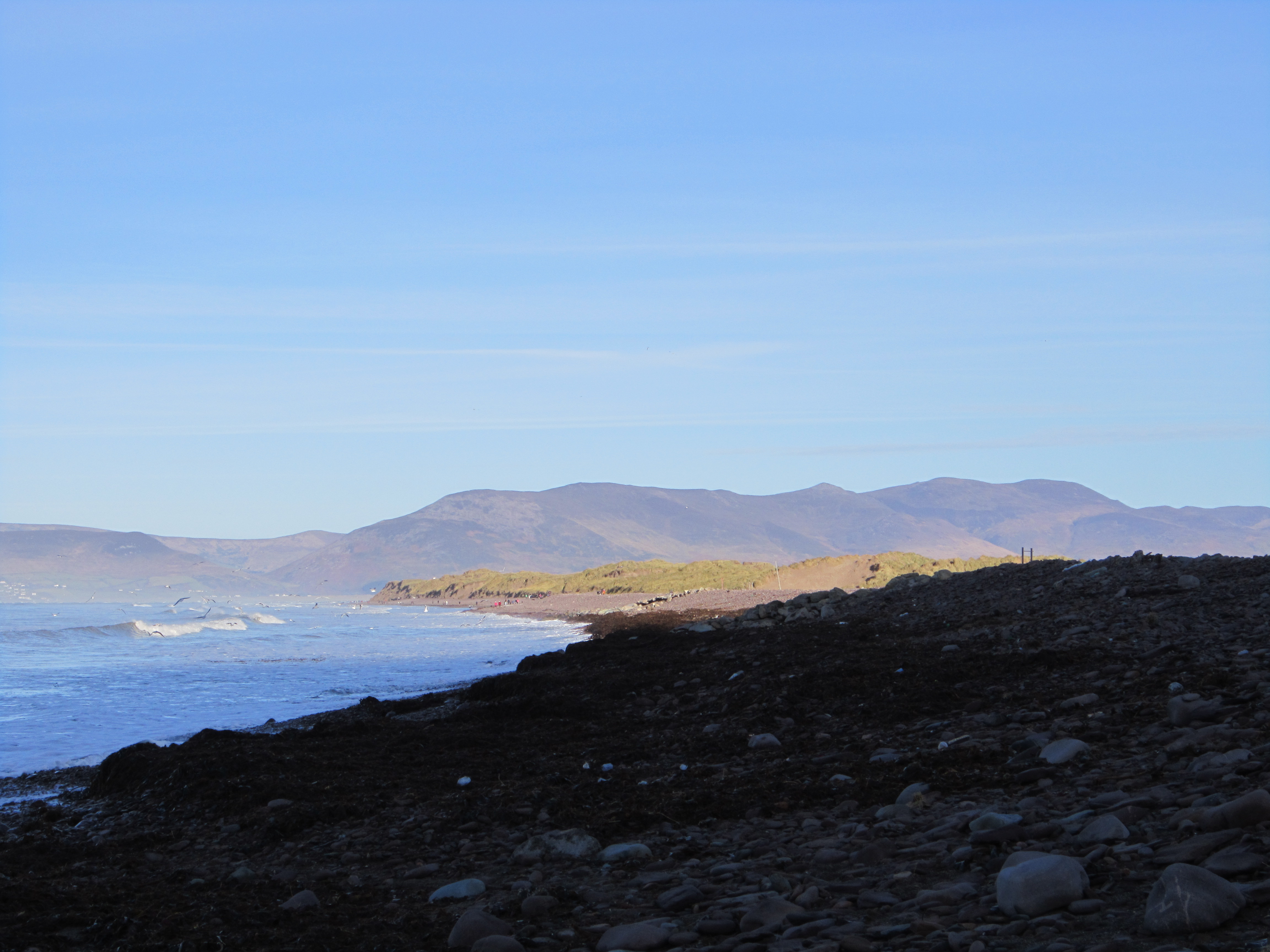
You often see photos of Ireland in all her emerald beauty. But for me, there is nothing more striking than the subtle colors of winter. This series of photos was taken in January  around the lake shore of Lough Carra, Co. Mayo, and along the coastline of counties Mayo and Kerry.

IMG_7545

IMG_7478

IMG_7566IMG_7486


IMG_7631

IMG_7539

IMG_7689

IMG_7496IMG_7487

IMG_7669

IMG_7676

IMG_7661

IMG_7567

IMG_7610

IMG_7609

IMG_7170

IMG_7216

IMG_7190

IMG_7203

IMG_7257

IMG_7156

IMG_7264

IMG_7294

IMG_7381

Early January evening on Lough Carra, Co Mayo

Early January evening on Lough Carra, Co Mayo

Early January evening on Lough Carra, Co Mayo


BARRED OWLS: FLYING LESSONS

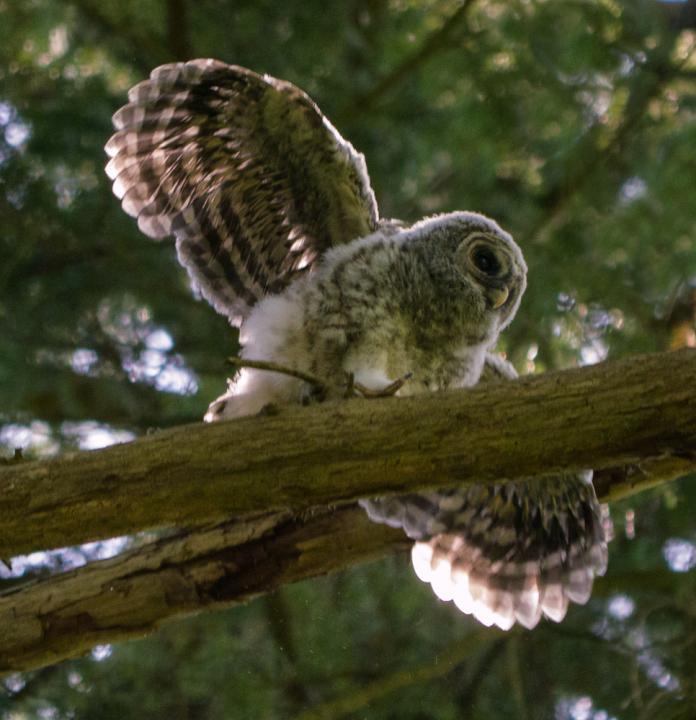
Barred Owl in Basking Ridge, NJ. Photo courtesy of Matt Zeitler, orangebirding.com

Barred Owl in Basking Ridge, NJ. Photo courtesy of Matt Zeitler, orangebirding.com

One early summer afternoon, I stepped out onto the deck to bring in a load of laundry. A movement in the dappled shade of the trees, not twenty feet away, caught my eye. I recognized the dark eyes and striped brown and beige plumage of a barred owl. I stood transfixed, hardly daring to breathe.

The owl called softly and, from a nearby branch, a smaller owl took off. The young owl made a short, swooping flight and landed somewhat clumsily by the adult. The birds seemed aware of my presence, but undeterred by it. For fifteen minutes, I stood and watched the owl parent teach its four owlets to fly, afraid of missing a moment by running inside for my camera.

I had often been woken in the night by the owls calling to each other in the woodland surrounding our house—the distinctive, throaty Who-cooks-for-you, who cooks for you-all? But this was the first time I’d seen one. The barred owl, sometimes called a hoot owl, striped, or wood owl, is primarily crepuscular—active at twilight. However, as I later read, daytime activity is not unusual when they’re raising chicks. Owls nest in tree cavities. The female lays between two and four eggs in April, and then sits for four weeks waiting for them to hatch. Once hatched, it takes another four or five weeks before they young are fledged. I could see that this owl had a lot of time and energy invested in her brood.

I’ve long had a fascination with owls. As a child, camping near the ancient ruins of a haunted Irish abbey, the protracted screech of a barn owl left me frozen with fear in my sleeping bag. Surely the sound was the ghost cry of the monks being murdered by the invading Vikings.

In the imagination, owls are mysterious creatures of darkness. If you’ve ever seen those pale wings swoop in front of your car headlights late at night, and those marble-round eyes staring at you, you know what I mean.

Maybe because of their nocturnal habits and all-knowing faces, tales of owls are deeply rooted in folklore and mythology. To this day, all over the world, they play a dual and often contradictory role—the harbingers of death and misfortune, but also the sign of wisdom and good luck. In Greek mythology, Athene, the Goddess of Wisdom, took the Little Owl as her symbol. In Aesop’s fables, the owl is a shrewd operator with the power to foretell the future. Owls appeared on early Greek coins and were seen as good omens, especially during times of war, and thus were protected.

When I was seven I lived on the Greek island of Corfu with my family. My sisters and I had a small scops owl as a bedroom companion. My father, a documentary filmmaker, who had hand-reared many sick and injured creatures, was recording its habits. Sadly, one day we returned to find its charred body lying in the back alley. It had fallen victim to superstitions that had superseded its protected status.

In Roman times, the owl represented the dark underworld. Witches could turn themselves into owls and suck the blood of infants. The hoot of an owl meant impending death. These beliefs spread with the Romans. In English folklore, a dead owl nailed to a barn door could ward off evil. And folk remedies made from burnt owl and owl eggs could cure everything from alcoholism to Whopping cough.

In Native American traditions, owls are also honored and reviled. To the Pawnee, the owl is the Chief of the Night, and as such, a protector. The Cherokee respect and covet its ability to see at night, but fear its call as an omen of death. Some tribes believe that owl feathers ward off evil and bring healing. Oglala Sioux warriors wear owl feathers to enhance bravery and vision. Yakama tribes of Washington State see the owl as a powerful totem to be consulted on how natural resources and forests should be used.

As I discovered, barred owls have adapted to life in proximity to humans. They don’t seem to mind suburban areas, and even thrive on the abundance of rodents to prey on. I thought my front row seat for the owl flying lessons was a unique show. Little did I know that I’d get a matinee performance the next afternoon, and the next, until those owlets were fully fledged.

AMC_120511_GH90588-new_face

DREAMING OF LANZAROTE

IMG_7471 IMG_7486 IMG_7483


Six grey ponies tearing at frost-rimed grass on the drive in.
Nephin sporting a capÍn of snow.
Swans, paired, trawling the lake’s inlets.
At the doctor’s office Martina still has her coat and scarf on
Furiously fielding phone calls and mumbled inquiries
From the queue shuffling through the dismal hallway.
In the waiting room two old fellas gab away, biding their time,
In it for the long haul.
And then two more.
Their Mayo dialect—laced with curses—
Rolls around their mouths as if they’re sucking boiled sweets.
It seems, to my untuned ear, to be a diatribe
Of every family in the county,
Or maybe just a friendly reminiscing.
Soon, all the chairs are taken
And still the patients stream in:
Bloodless, Vitamin D starved faces, rattling coughs, mini-germ factories,
Dreaming of Lanzarote.images-6

SUNDAY OUTING IN THE WEST OF IRELAND

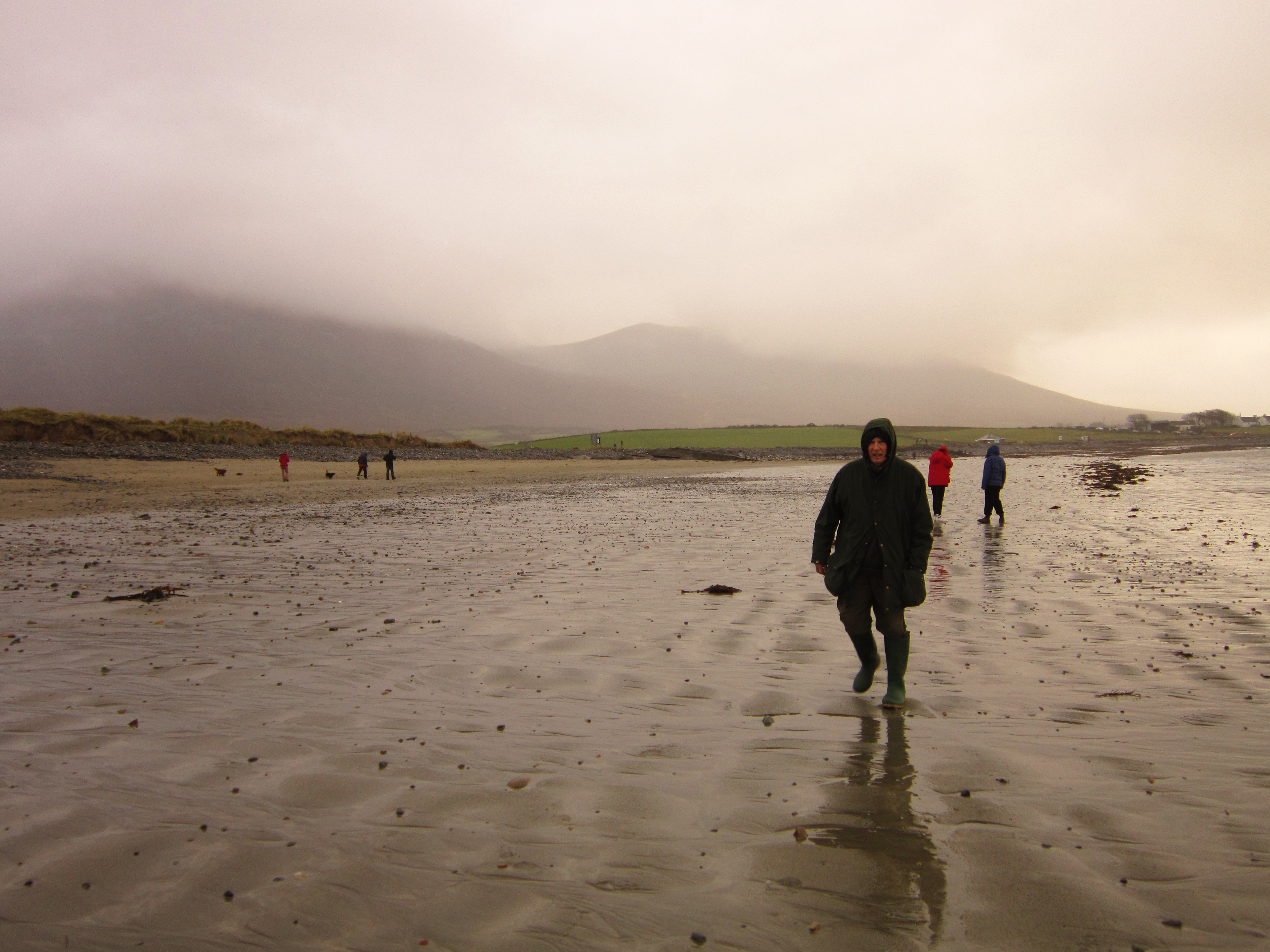
IMG_7581They come, pilgrims of another sort,
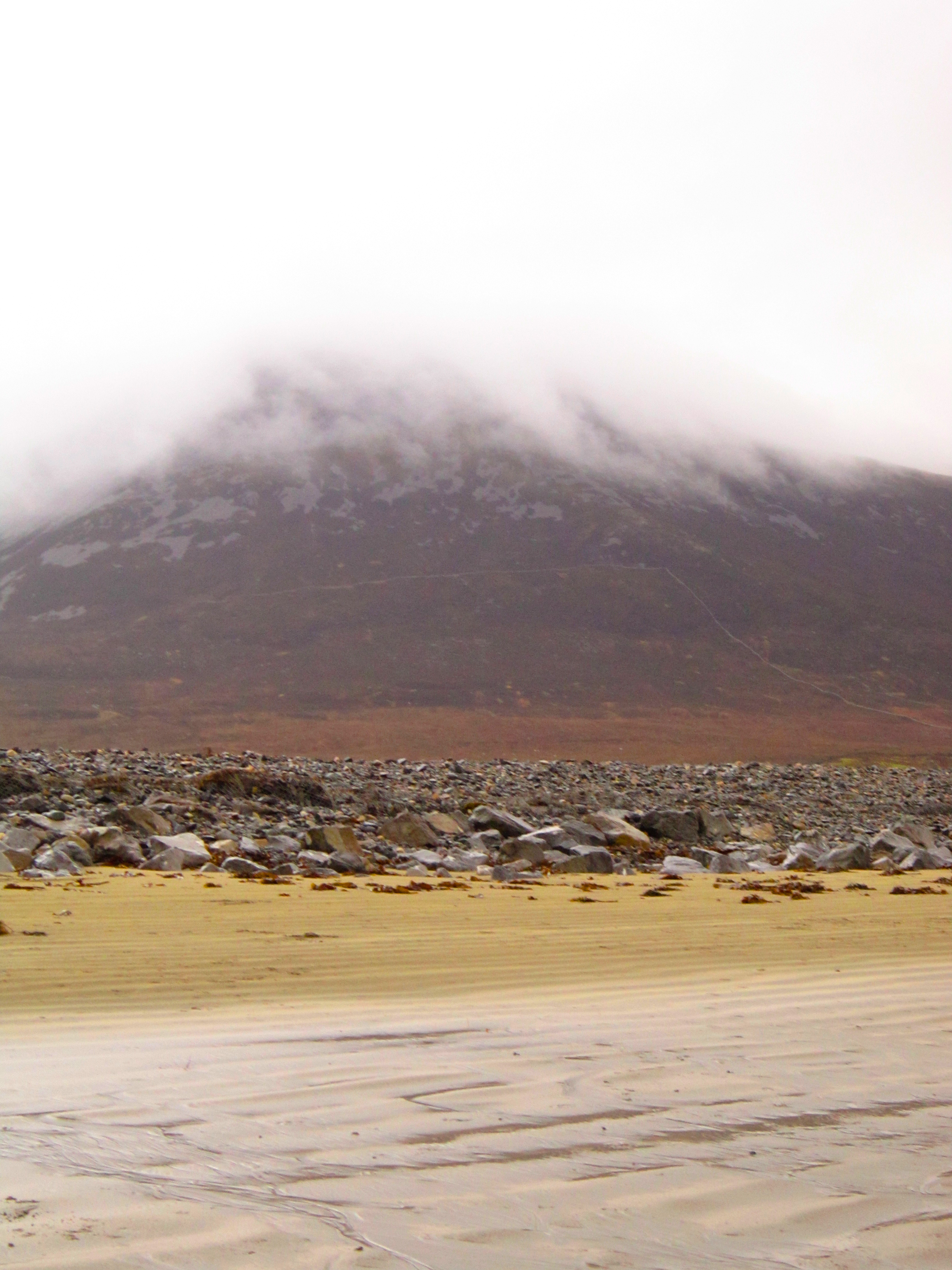
Croagh Patrick, a hulking monolith shrouded in mist at their backs,
Bent into the gusting wind and salty squalls driving in off the Atlantic,
To gawk at the storm ravaged beach.
The car park and road obliterated by huddles of sea-rounded rocks—
Grey, cream, purple—
Tossed merrily over the breakwaters by a tidal surge
The like not seen in a quarter century.
The dunes too, took an awful beating.
Clumps of Marram grass strewn across the beach
Like strange seabird nests woven through with blue and green fishermen’s string.
These Sunday trippers come in droves
Despite the rain and wind and devastation,
Their bellies full of roast and pudding
And maybe a pint or two,
Their dogs and children scampering wet circles into the sand,
Eager for a bit of mid-winter drama.

IMG_7615

IMG_7575Bertra Strand, Co. Mayo, Ireland, January 2014


TOP TEN THINGS I’VE LEARED ABOUT BLOGGING

DSCF0773

Blogging is not for sissies. It takes time, focus, and hard work if you want to put out blogs that won’t make you cringe down the road. But the rewards are big. As the Write Eejit comes to the end of its first year, I thought it a good time to look back at what it’s taught me so far.
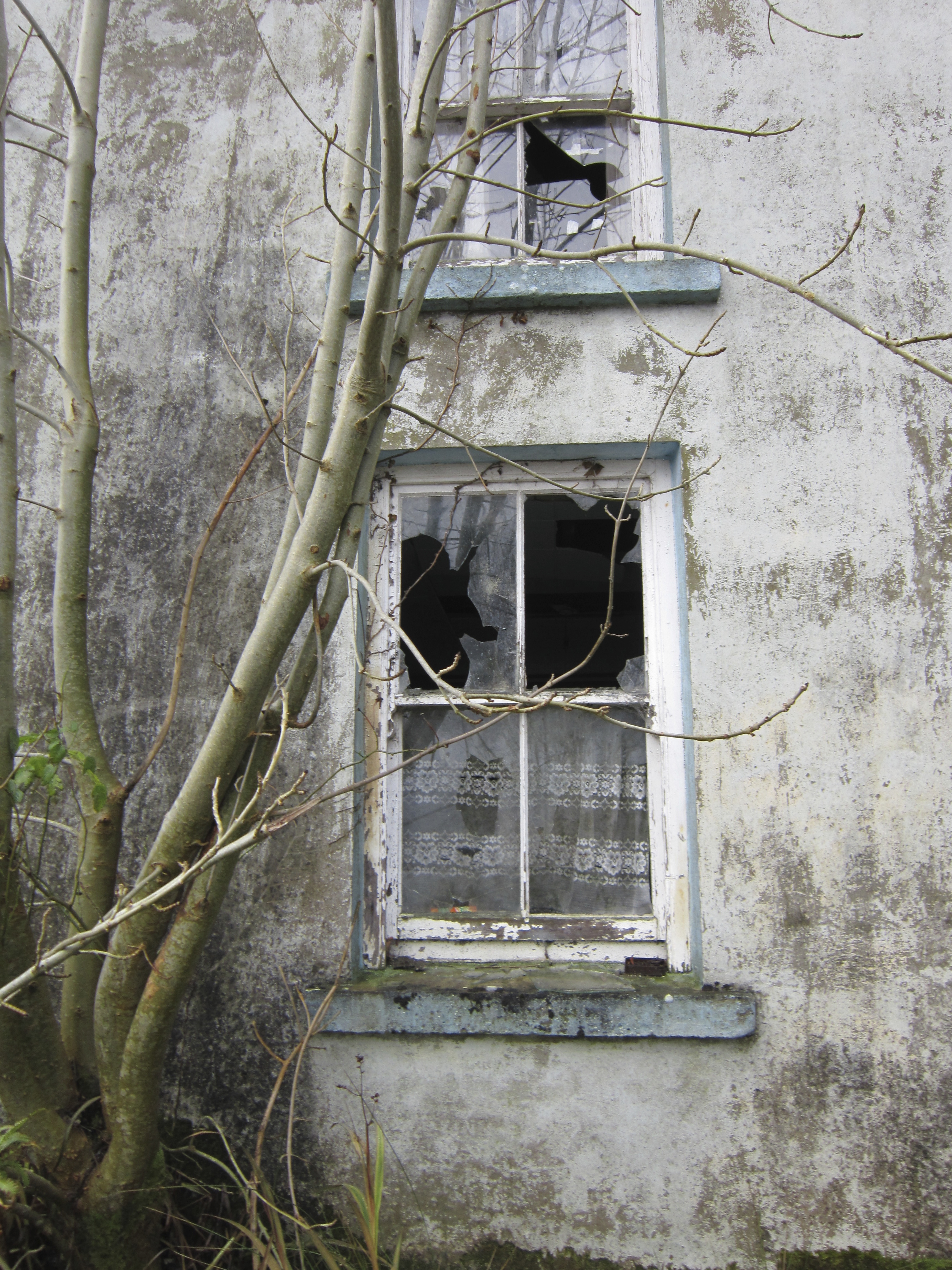
  1. Nobody just pops out a post worth its salt. Even the folks that seem to effortlessly come up with witty and informative things to say on a daily basis have more than likely been mulling them over for a while.   WHITE DEER
  2. It’s an excellent way to get a load off my chest. Feeling aggravated or ecstatic about something? Why not post a mini rant. So what if I’ll forever be known as that miserable woman who hates her cat. I HATE MY CAT
  3. Blogging has a way of bringing things into focus. Coming up with topics not only allows me to live in the moment, but also reflect on past events in a new light. GOLDEN MOMENTS
  4. I get to experiment without having to commit to a specific idea or format. PAGAN MOON
  5. I’ve rediscovered things about my past that had dropped off my radar. HIPPIE ADVENTURE
  6. On good days when I post without a hitch, blogging makes me feel like 21st century Warrior Woman. On bad days when I can’t figure out why my password has reset itself, I’m an FTD (frustrated tech dummy). OLD WRITERS NEW MEDIA
  7. Blogging forces me to set goals and shoot for a deadline, and is a constant reminder to adhere to good writing habits—check spelling and punctuation before hitting “Post”. COTTER PIN
  8. Blogging helps me take that breath and reevaluate where I am, both in life, and as a writer. MUD SEASON
  9. There are many talented and inspiring fellow bloggers out there. HIGH JINKS IN THE HAREM
  10. And when those “Likes” and comments pop up, boy is it instant gratification for someone who spends a lot of time tapping away in no-woman’s land. BLIND SQUIRREL PARENTING

Be More Zen

Photo by Wendy Idele, '93

Photo by Wendy Idele, ’93

If there’s a surface in my house
That doesn’t have a heap of things piled on it
I can’t find it.
Most of the time I can turn a blind eye—
90% of the time, I don’t give a crap.
But that other 10% is a doozy.
Suddenly all my lack of caring
Is condensed into one hard hairball of bothering.
I’m so bothered, in fact, by the chaos
That I dig out clippings from the local classifieds
Of people eager to dispatch my mess.
I’m on the verge of picking up the phone
When something stops me.
I read somewhere that creative types
Need chaos to thrive.
Well that’s my excuse.
My other argument goes something like this:
When I let go of my perception of chaos
I’m being very Zen,
And let’s face it, we all need to be more Zen.