IRELAND AT THE OPENING AND CLOSING OF DAY

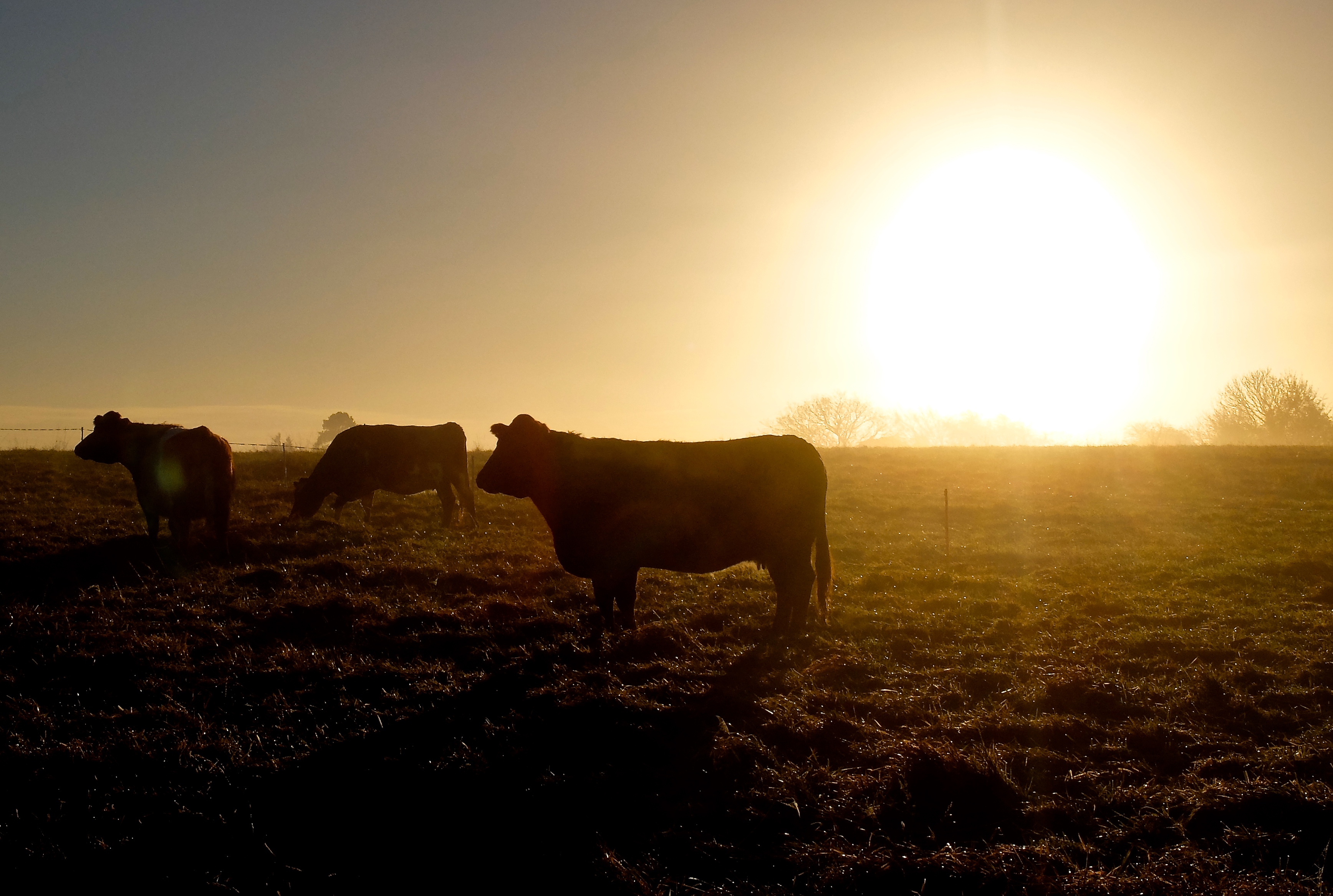
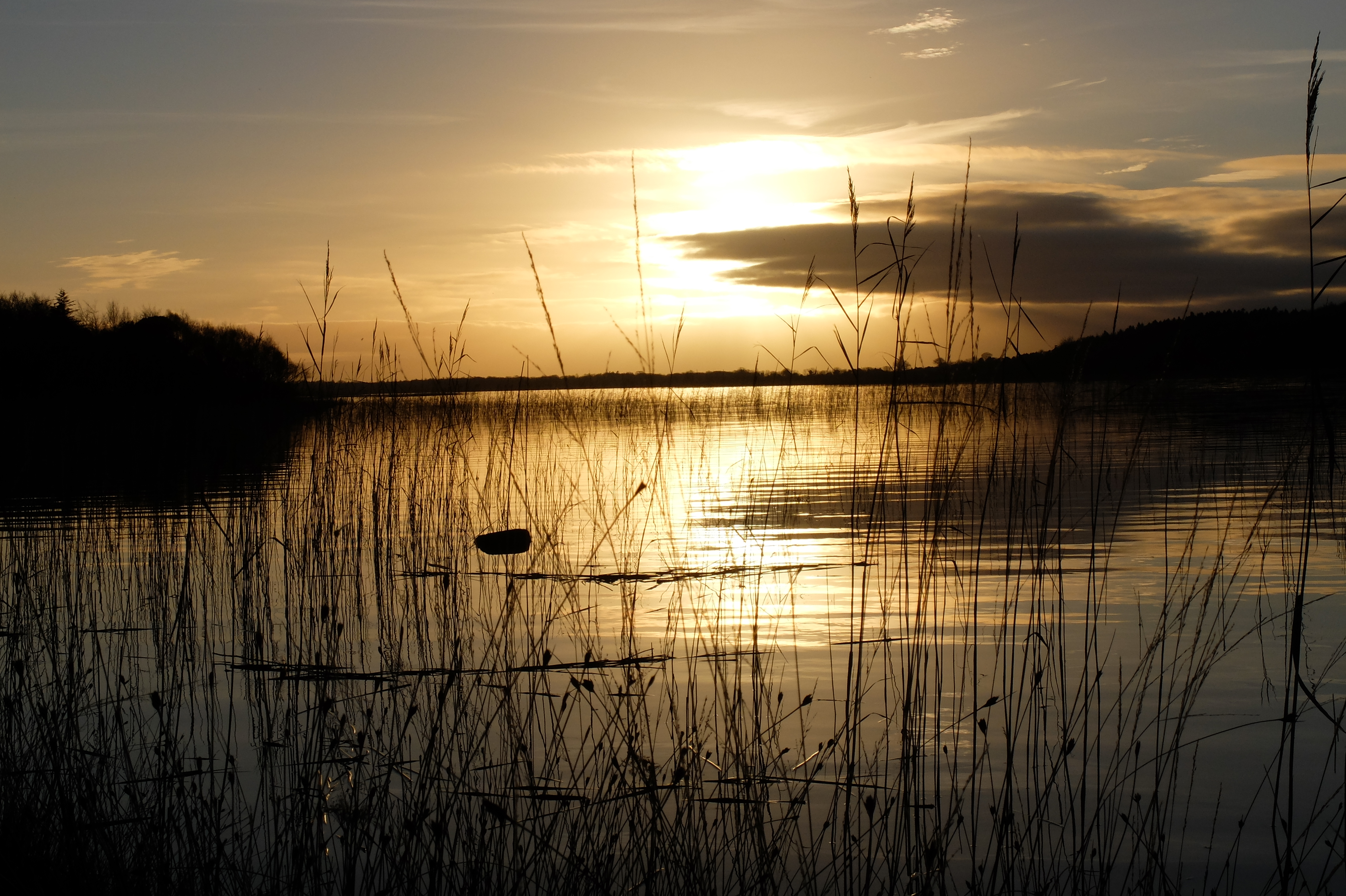
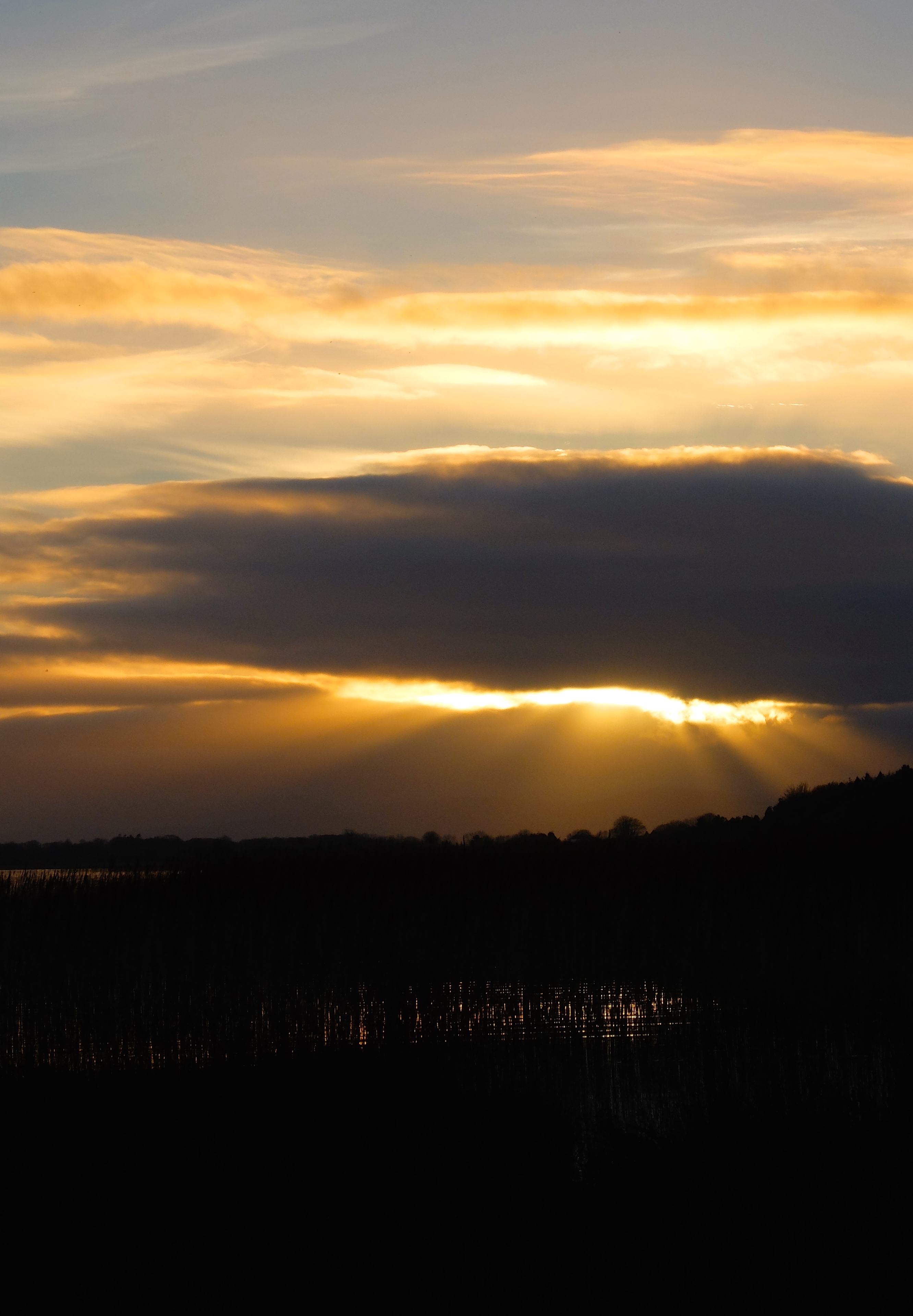
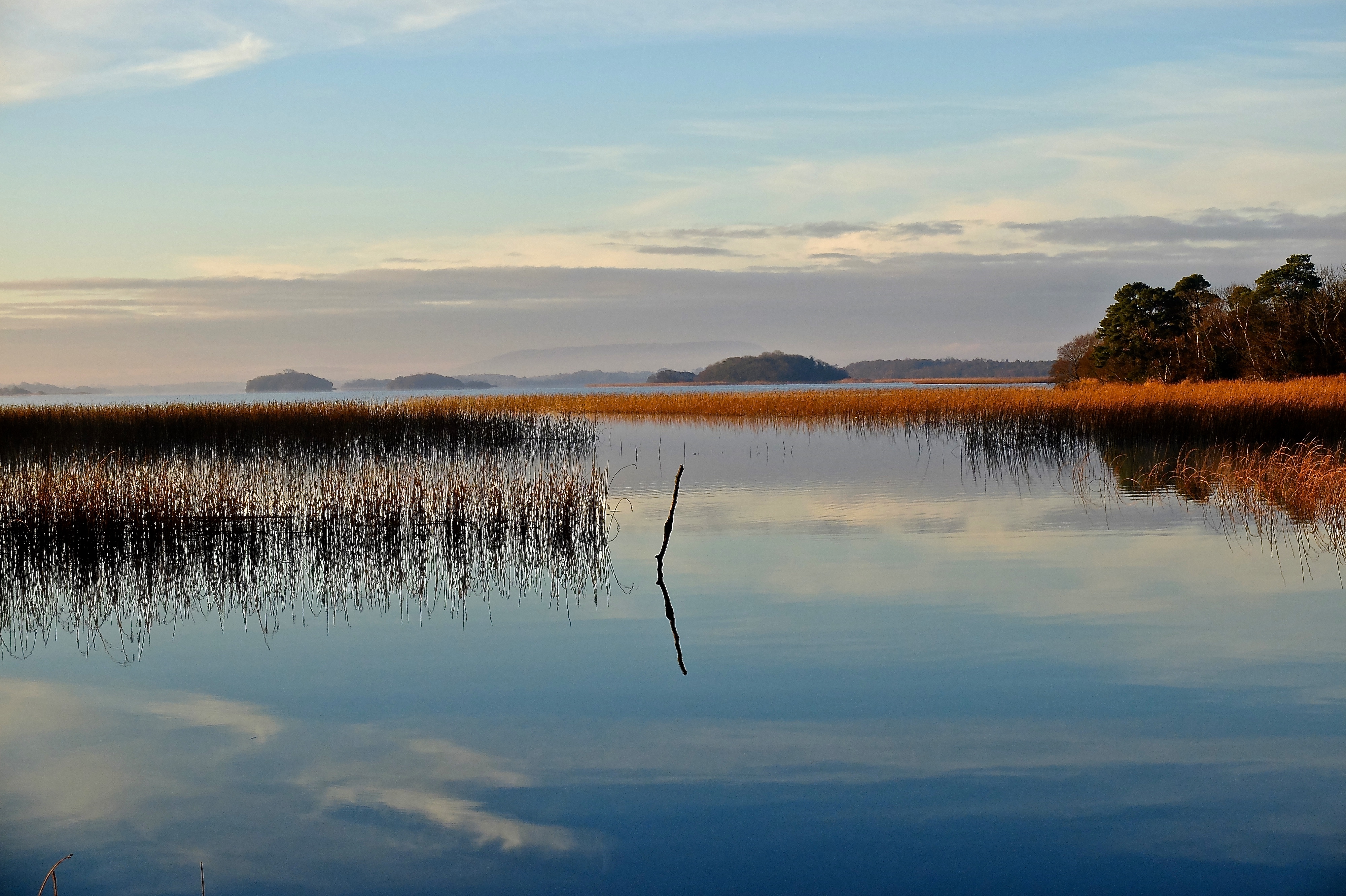
DSCF9888At this time of year in Ireland there’s a scant eight hours of daylight. The sun rolls lazily over the horizon at 8.30 am, and is already slipping away by 4.30 pm, leaving sixteen hours of darkness.

DSCF9917Of course the reverse is true in the summer with close to seventeen hours of daylight. On Midsummer’s night on June 21st, you can still be leaping the St. John’s Day bonfire in twilight at 11pm. But you’ll need to be up by 4am to milk the cows at dawn.

DSCF9900This is not surprising, given it’s latitude, (roughly 53˚North) which it shares with southern Alaska, Canada’s Hudson bay, and Russia’s Kamchatka Peninsula. The Gulf Stream’s North Atlantic Drift, however, sweeps warm water up from the Gulf of Mexico, giving Ireland a much more temperate climate, thankfully.DSCF9881

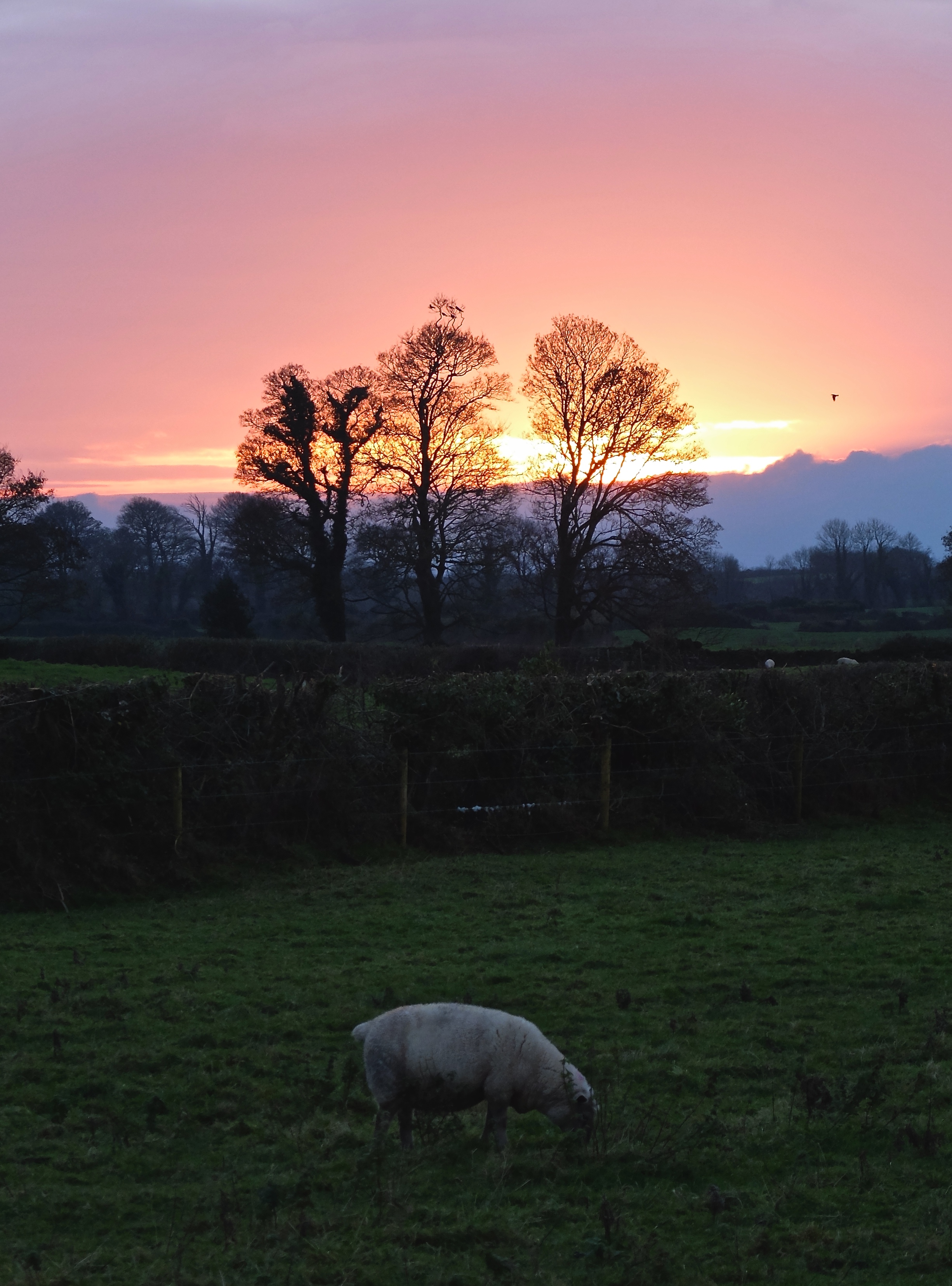
No matter how grey and wet the day, at dusk, a little magic happens.DSCF9688

DSCF0085 DSCF0107

IRISH THANKSGIVING

DSCF9559I step from one world into another
Like a bather setting my toe in the icy Atlantic on a June day.
It is a painful transition
And yet once the gut is sucked in with a sharp inhale of breath
My horizon shifts and it is palatable.

I step into the damp air of an Irish morning,
Tang of salt and mud off the Shannon estuary,
Strong whiff of cow manure. I know I’m home.

The navy suit and general greyness of the men at the passport desks is expected.
One takes my passport and in a soft Galway accent—
you would be forgiven for thinking the fella had a marble rolling around in his mouth
says to me, Ah you must be David and Sally’s daughter. Tell your parents I was asking for them.

I am at once comfortable with the scale of things:
Four steps to the luggage belt, a few more and you’re out the door
into the waving arms and hurrying faces and cries of delight.

I drive the Shannon to Galway road
Sun at my right elbow shuddering into existence over the horizon to the east.
I think of Dublin 200 kilometers away, my birthplace and rooting of my soul.
Haven’t been there in years,
And like the thought of meeting a childhood friend
it fills me with pangs of horror and awe—
how could you change so much, and not at all?

But back to the driving. In the stone-walled fields along the road
Sheep and cattle, already on the move,
search for the first dollop of creamy winter sunlight to caress them,
stroke the night’s chill out of their bones, and who can blame them.
The long November grass is bowed down with a rime of hoar frost.

Heading north, smoke rises from the odd chimney,
a few cars on the road this Sunday, off to early mass,
but mostly I’m on my own.
Sleeping towns left to the rooks and grey crows, scavenging on the verge.
A pair of swans fit for a ballet, necks kissing reflections on the surface of a lake.
Sheep, and more sheep,
And piebald, shaggy-hoofed horses in rough fields, more marsh than grass.
I have the radio tuned to the local requests show,
still playing the horrendous hits from my 80’s teenage years.
I am a traveler through a strange land of rebuilt memories.
Before my eyes the landscape, the smells, the sounds – that jackdaw-
Are a time lapse photograph.

A scene plays out—corner of my eye—a nativity:
under a bare beech tree the cow stands with her calf and attendants,
burnished like some godlike being, fit to be kneeled in front of.
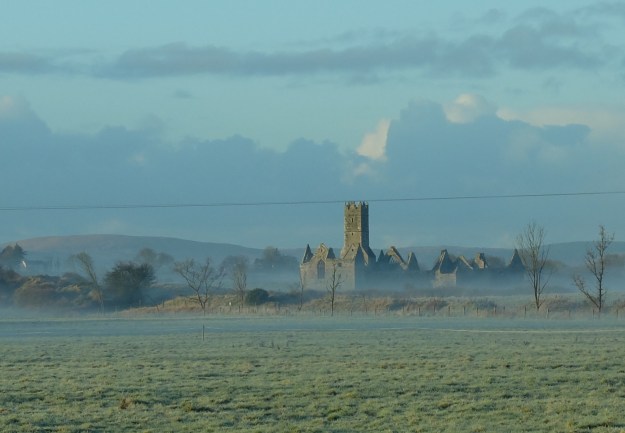
The old abbey is draped in pearly morning fog,
awash with a light that would do Monet proud.
I remember why this is a fairytale land.

My parents are out on the gravel to greet me before I’ve gathered up my wits,
dogs barking like the half-witted maniacs they are.
We gush through the front door all bags and whisking tails and exclamations.
I step into the bright kitchen, moments of calm reign sipping tea
—ah the taste of a great lump of yellow butter sliding across a piece of toast—
and talking of the journey and the weather and the latest gossip.
My eyes follow the birds fluttering around the feeders,
At once alien and yet ordinary
The greenfinch, blue tit, bullfinch; still remember the names.
My father has the usual complaint,
Bloody magpies, always bullying the others.

My feet crunch the brittle grass and leave dark footprints
On the path to the lake.
I brush past brambles burred with frost,
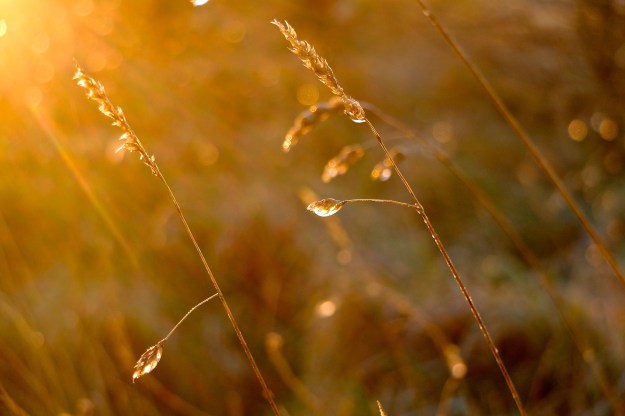
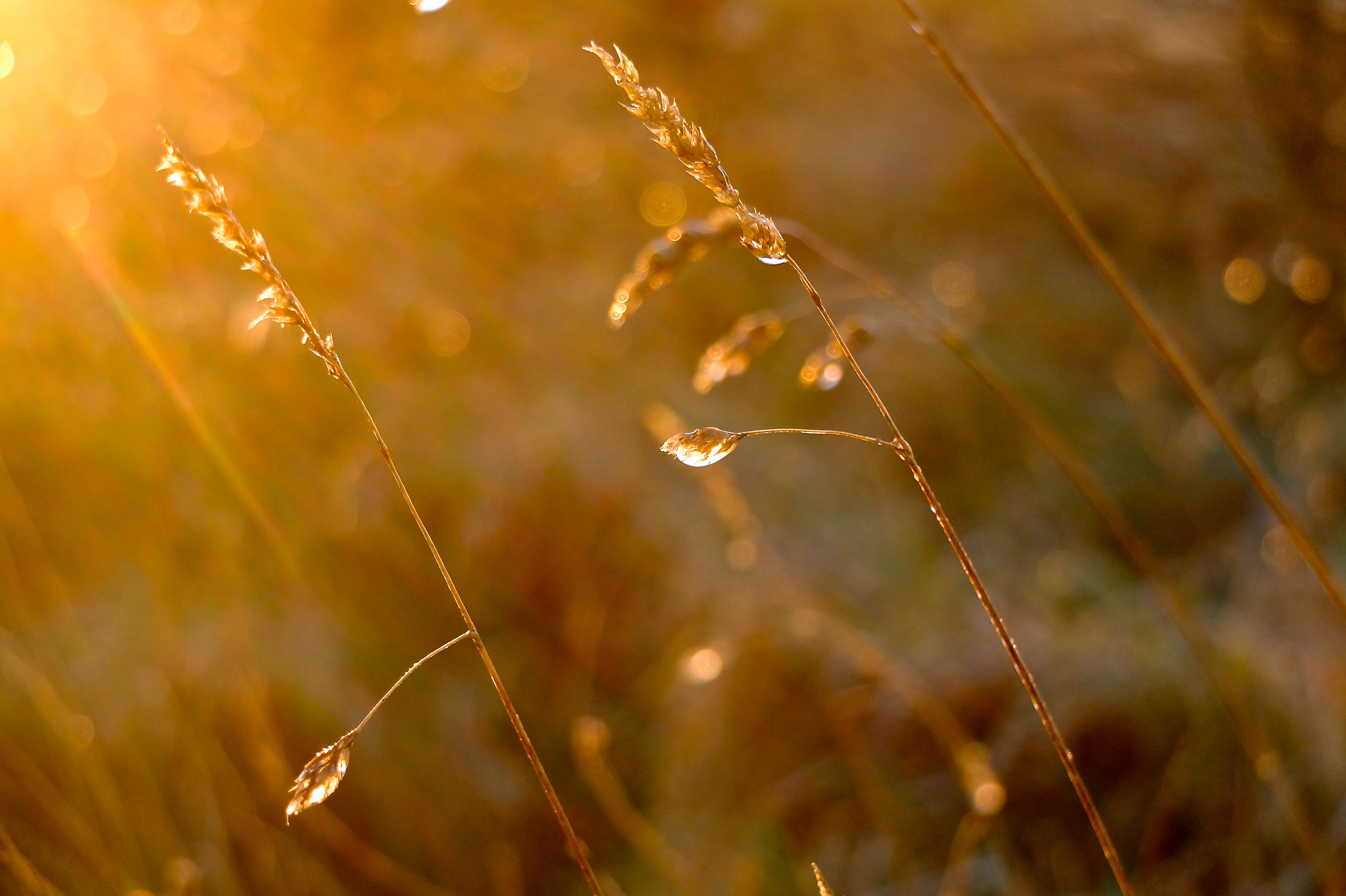
dried seed heads, orbs of frozen dew, lit up like Christmas baubles by Herself.
Ducks explode out of the reeds with raucous quacking,
beating at the water in panic.
A flash of iridescent blue is the kingfisher
perched in the alder at the end of the pier for a second
before torpedoing on up the bay.

I draw in cold, moss scented air. Re-acquainting myself.

Tomorrow I’ll start the work of clearing out the attic—
blowing dust and dead flies off forty years of family stuff.
But until then, I’ll revel in the familiar, and give thanks.
DSCF9372 DSCF9548 DSCF9537

THESE HANDS

DSCF9362These hands–
they hold
and push
and pull
and eat
and give
and slap
and dig
and stir
and knit
and write
and carry
and punch
and caress
and grasp
and pluck
and stroke
and grip
and make love
and cling
and release
and wave
and cradle
and wash
and feed
and clap
and hug
and soothe
and let go.

TAMING A ROBIN

European_Robin_Singing-1Ten, and half in love
With a boy in a book.
He had the gift
The gentle way to tame
A bird or timid creature.
Like him, I fancied I could
Win the confidence of a bird.

Common or garden,
The robin did me no favors
His curiosity, age-old
Had him poking his beak
In gardeners’ business
Long before my time.
Still, I flattered myself
He liked the lilt in my voice
And the soft whistle through half grown teeth.

With the patience of a heron
I stood unmoving
In blackberry scented air,
Hand outstretched with
Crumbs for a peace offering.

Cocking his head on one side

He hopped

            And hopped

                        Tossed aside a fallen leaf

            Pretending business

One beady black eye on me
All the while.
He came so close
I could see
The fluttering of his red breast—
And no closer.

He sought me out
The next day and the next.
Down at the beech tree
We grew quite chatty
The pair of us . . . never understanding a word the other said.
I wonder if he boasted
In the hedgerow
Of the strange human child
He’d managed to beguile
With his soft chirps and bright eyes.

SUNDAY MORNING, WASHINGTON SQUARE PARK

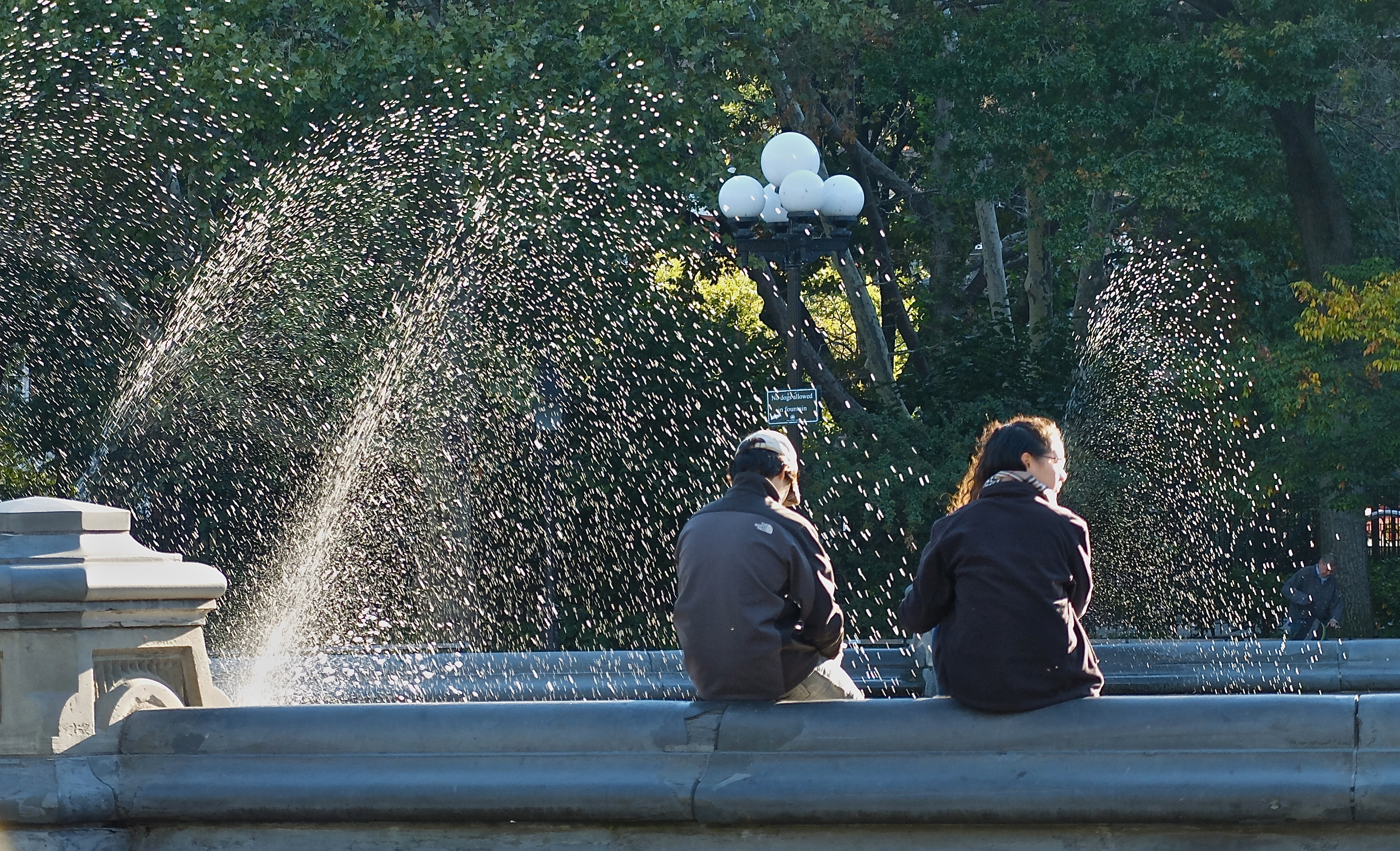
DSCF8564Two rings sit
On warm black granite
Bathed in Sunday morning sunlight.
What drama played out
Under cover of darkness—
A broken heart,
A broken dream?
And why not toss those rings
Into the fountain
To symbolize
The end,
A new beginning?

Such curiosity
Would not be
Provoked
By a pair of sneakers,
Or a scarf,
There would be
No need
To recreate the story.
But the ghost
Of Saturday night
Lingers in the air
Like perfume.DSCF8573

HALLOWE’EN

DSCF1527Hallowe’en is the holiday that most reminds me of my Irish upbringing. I well remember trailing costumes, cobbled together from grown-up cast offs, down muddy country lanes, only seeing the puddles through the cardboard slits of our homemade masks when it was too late. And for all our effort we might get a handful of nuts, some windfall apples, or an orange. Mrs. Topping was the last stop, and if we were lucky she might have a few pennies or a chocolate bar for us to savor on the way home. Flickering light from bonfires and the smell of woodsmoke, intensified by the sharp frosty air, added to the mystery of the night. There was a always the possibility that something unearthly might grab you from behind before you made it home.DSCF8638

I’ve spent many an evening trick-or-treating with my kids in our hometown in New York’s Hudson valley—my daughter even has a Hallowe’en birthday. But none come close to capturing the spooky feelings of my childhood. The reason, I think, is simple. The tradition of Oiche Shamhna, or ‘the vigil of Saman,’ the Lord of Death, is so deep-rooted in Ireland that you can sense it palpably.

Throughout Ireland . . . lesser feast days pale in comparison with the culminating festival which marks the end of the dying year on All-Hallows Eve. An astonishing amount of lore still clings to Hallowe’en . . . The crops should now be all gathered in and no fruit should be picked after this date, for the púca, a supernatural being, is busy befouling unpicked fruit . . . we notice superstition acting as a stimulus towards the completion of routine tasks. The return of the livestock from their summer grazings, once accompanied by their herders, made the occasion one of family reunion, and this is a strong element in the present festival. But it was also a reunion with the ancestral spirits of the family: for Hallowe’en was preeminently a commemoration of the dead, a time when ghosts and fairies were unusually active, the whole of the world of the supernatural astir and the dead returned to their earthly homes. On that night the grass-grown homesteads—the fairy raths—were wide open and the fairies were on the move to winter quarters, surely a folk memory of a former transhumance. It used to be thought unlucky not to make preparations for the return of the dead by leaving the door of the house open, putting out tobacco and traditional dishes such as sowans—a kind of porridge—and setting seats around the fire. The games and amusements which alone survive have commonly degenerated into pranks and horseplay, but one can detect in them echoes of magical observances. The many divination customs may well have begun as rites to avert evil or to secure the benefits which they now pretend to forecast. Among the things involved in these games and divination customs are apples nuts, oatcakes, cabbages, a ball of yarn, articles made of straw and rushes, and herbs such as yarrow . . . The breaking of pots is one of the elements in Hallowe’en pranks—one might almost say rites—and again we notice the association with the dead, for All-Hallows is the time when the dead are believed to return to their homes.
                                                   Evans, E. Estyn, Irish Folk Ways, Routledge & Kegan Paul Ltd. © 1957DSCF8684Colcannon is one of the foods traditionally eaten at Hallowe’en. Often a dish of this would be left out for visitors from the other world. This recipe comes from Theodora FitzGibbon’s A Taste of Ireland.DSCF8717

1lb each of kale or cabbage, and potatoes, cooked separately
2 small leeks or green onion tops
1 cup of milk or cream
4 oz. (½ cup) butter
salt, pepper, and a pinch of mace

Have the kale or cabbage cooked, warm and well chopped up while the potatoes are cooking. Chop up the leeks or onion tops, green as well as white, and simmer them in milk or cream to just cover, until they are soft. Drain the potatoes, season and beat them well: then add the cooked leeks and milk.
Finally blend in the kale, beating until it is a pale green fluff. Do this over a low flame and pile it into a deep warmed dish. Make a well in the centre and pour in enough melted butter to fill up the cavity. The vegetables can be served with the melted butter. Any leftovers can be friend in hot bacon fat until crisp and brown on both sides.

If all that butter and cream weren’t fun enough—
A plain gold ring, a sixpence, a thimble, or a button are often put into the mixture. The ring means you will be married within a year; the sixpence denotes wealth, the thimble a spinster and the button a bachelor, to whoever gets them. DSCF1610

THIS IS WHAT THE CRICKET TELLS ME

DSCF8549Low slow trill
Fainter by the day

This is what the cricket tells me . . .
Earth is tilting away from the sun,
The cold breeze raising goosebumps
Whispers, winter.
Leaves are moldering on the lawn,
The goldfinch has shed his sunflower vest
And donned a coat of mourning.
Oak is the last man standing,
Thatched in stiff brown.

This is what the cricket tells me . . .
The cornfields are stubble-ribbed,
Fine stopovers for flocks of geese
That drift down in squawking hordes
To feast on farmers’ leftovers.
Stalks have withered in pumpkin fields
Leaving squat orange Jack-o-lanterns
Ripe for carving.

This is what cricket tells me . . .
Frost is on the way.
That row of late-sown lettuce—
Waste of time—
Pick the Swiss chard now
Before it freezes.
Pull the rattling bean husks off the vine;
Next year’s seeds are dry.

This is what cricket tells me . . .
The Red-Tailed Hawk
Has caught a mouse,
One of this summer’s brood,
And devoured it in one gulp.
She knows, too
The season is gathering up her skirts
To take one last curtsey.

This is what the cricket tells me.

DSCF8522

DSCF8557

SILVER BIRCH

DSCF7363
Silver birch
No more,
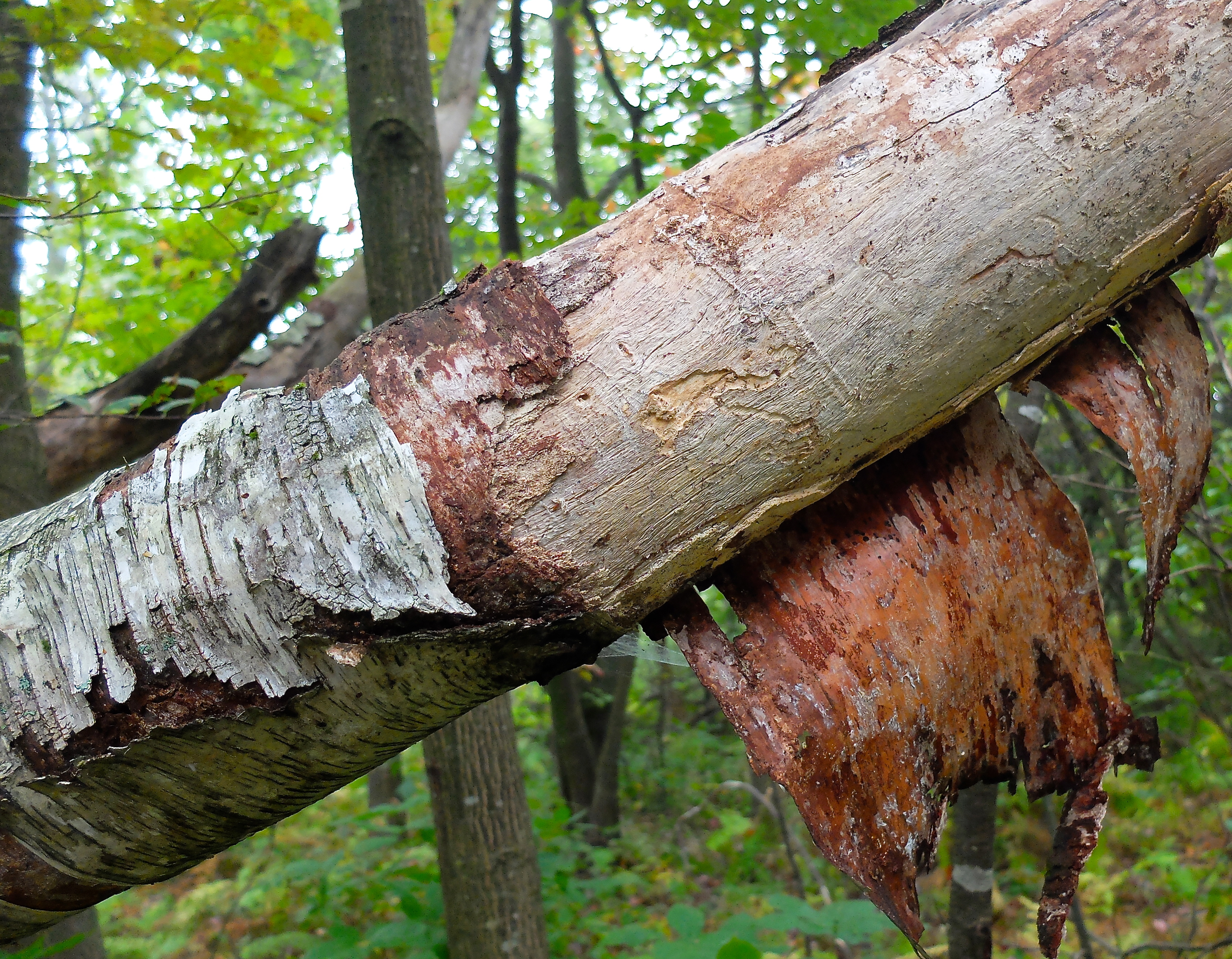
Scrolls of papery bark
Sloughed off like dead skin.DSCF7374Roots so deep
They cradle half the hilltop
Can’t hold you there forever.

DSCF7357
Already you are worm meat,
A buffet for woodborers and fungi
A footstool for moss and lichen.
Yet you will linger
In my memories.
Roll 51 - 4
Two decades of family photos
Have graced your low-slung bough—
Seasons changing,
Inexorable growth and decline.
Like a beloved grandparent
You share with us
The passage of time.
IMG_1167

AUTUMN GRAVEYARD

DSCF7966Autumn graveyard
Creeping brambles
Tawny grasses
Half obscuring
Weathered tombstones
Scudding cumulus
Burst of sunshine
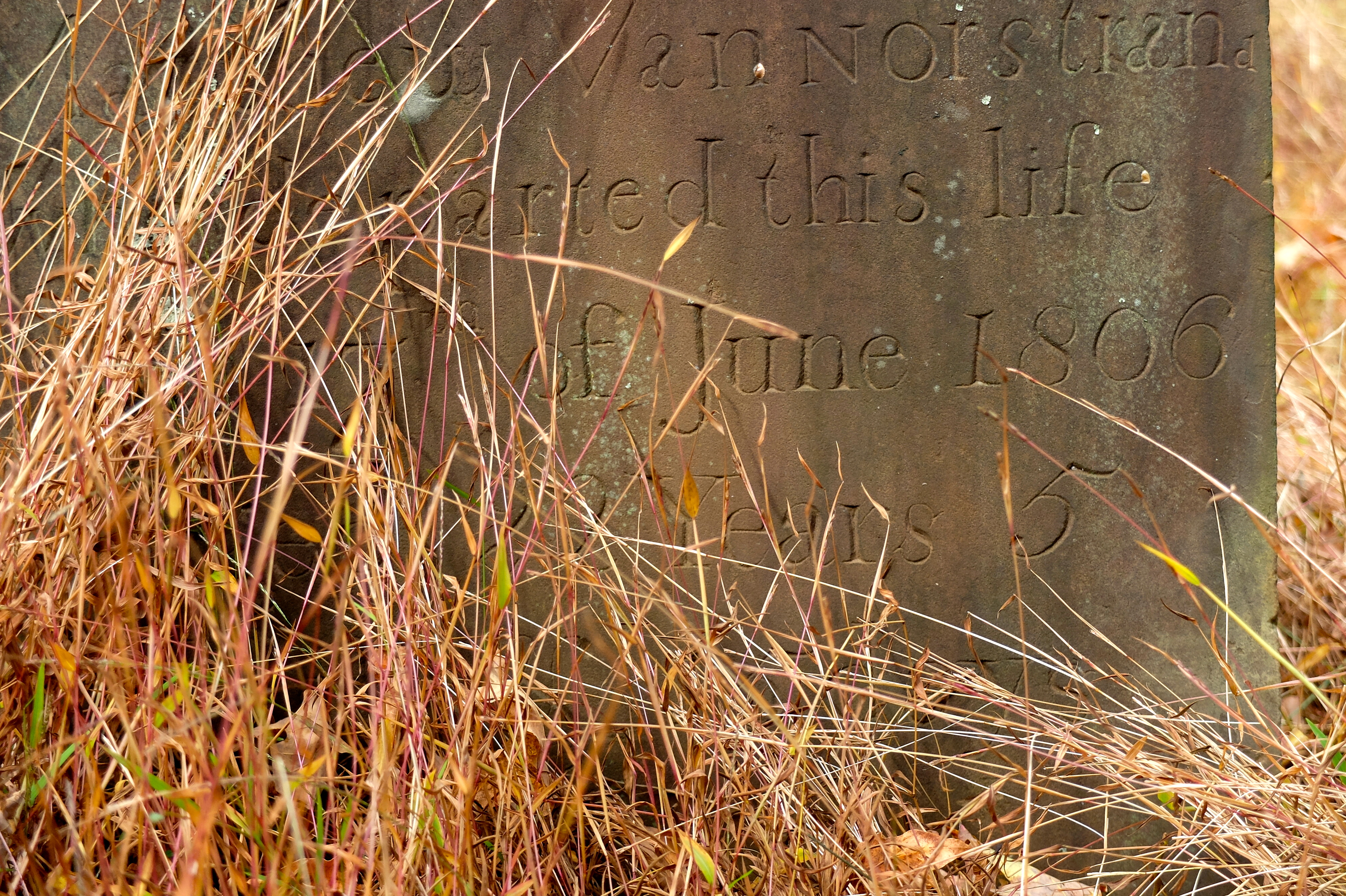
Lighting death dates
Year, month, and dayDSCF7980Hilltop graveyard
One room schoolhouse
Inn and churchyard
Hamlet spread out
Down below
Settlers’ green bones
Slowly seeping
Through the soil
They called their ownDSCF8091Old-world graveyard
Back to nature
All must follow
Feeding roots of
Oak and maple
Sinking softly
Joined in union
Spirits rising
Salt of the earthDSCF8046

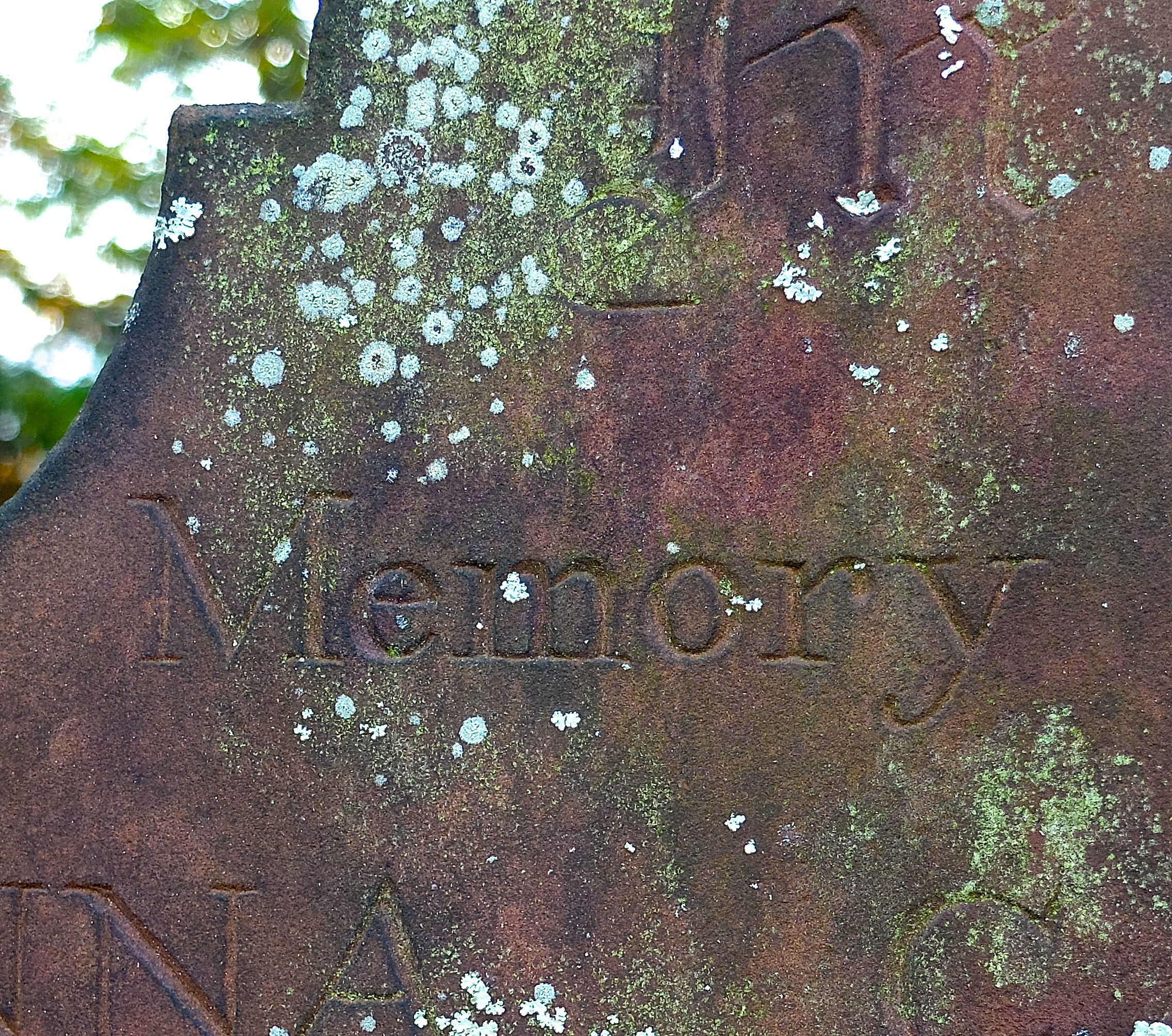
There is an old graveyard near my home. It sits atop a hill surrounded by a hamlet dating back to the 18th century. The one room schoolhouse and church are a stone’s throw away. The parsonage, inn, and farmhouses are spread out at the foot of the hill. A dull school child could watch the gravedigger at work across the road. The journey from farmhouse, to church, to graveyard—a small triangle.

Many of the tombstones have been wiped clean by wind and rain. Those that are legible show a curiosity: Death dates meticulously recorded to the month and day, but no birth dates. The school mistress would only have to lead her pupils in a straggly line across the road and up the hill to impart a math lesson: If Mr. Walling died on March 30th, 1860, aged seventy-five years, eight months and fifteen days, on what day was he born?DSCF7992