
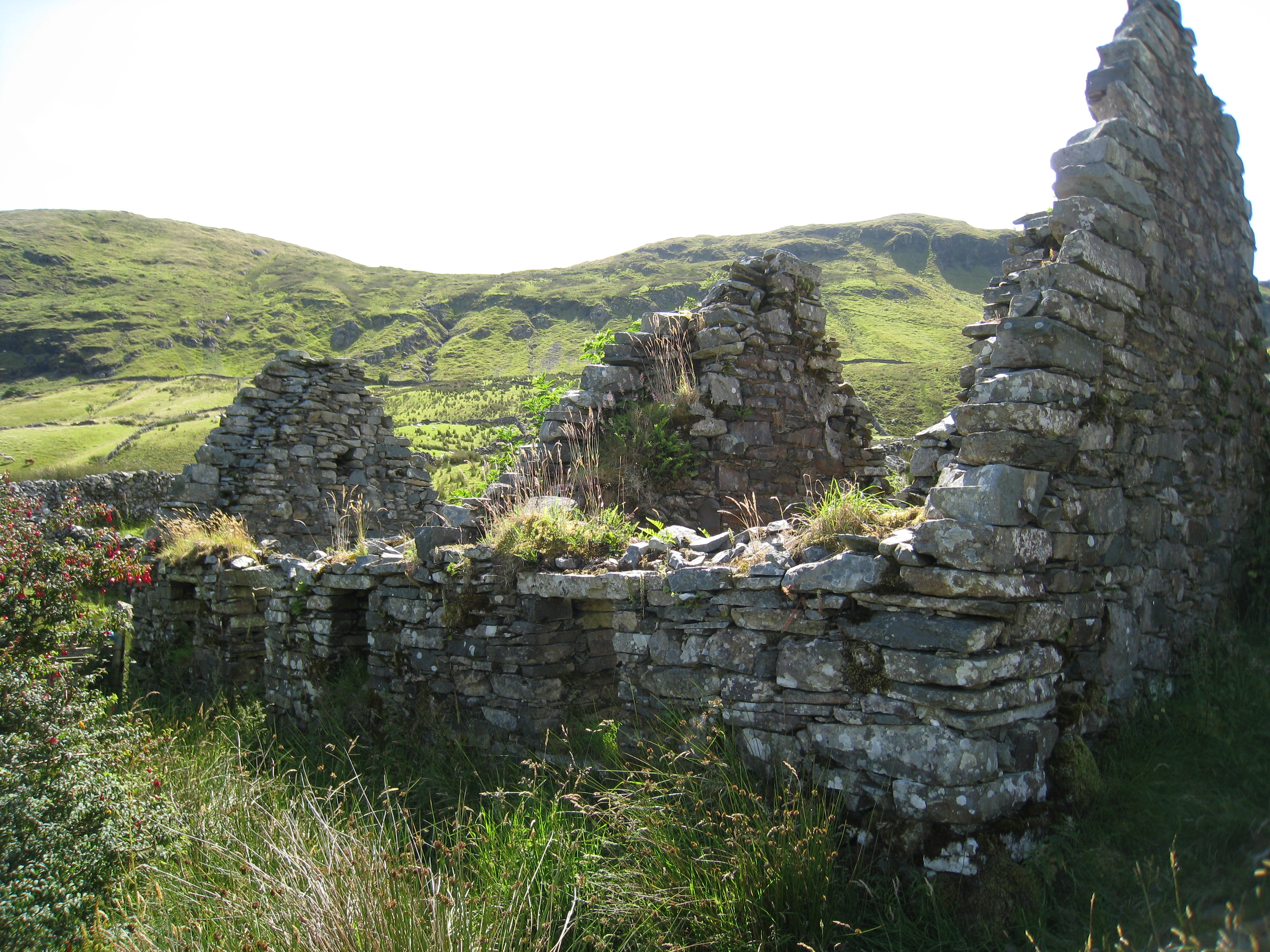
 When you think of 20th century Irish poets who embody the notion of rural Ireland, Seamus Heaney is probably the first name that comes to mind. Granted, he was a marvelous poet who deserves his acclaim, yet there are others.
 Patrick Kavanagh was one such poet. The fourth of ten children, he was raised on a small farm in Co. Monaghan. He left school at 13 to apprentice to his father, a shoemaker, and to work on the farm.
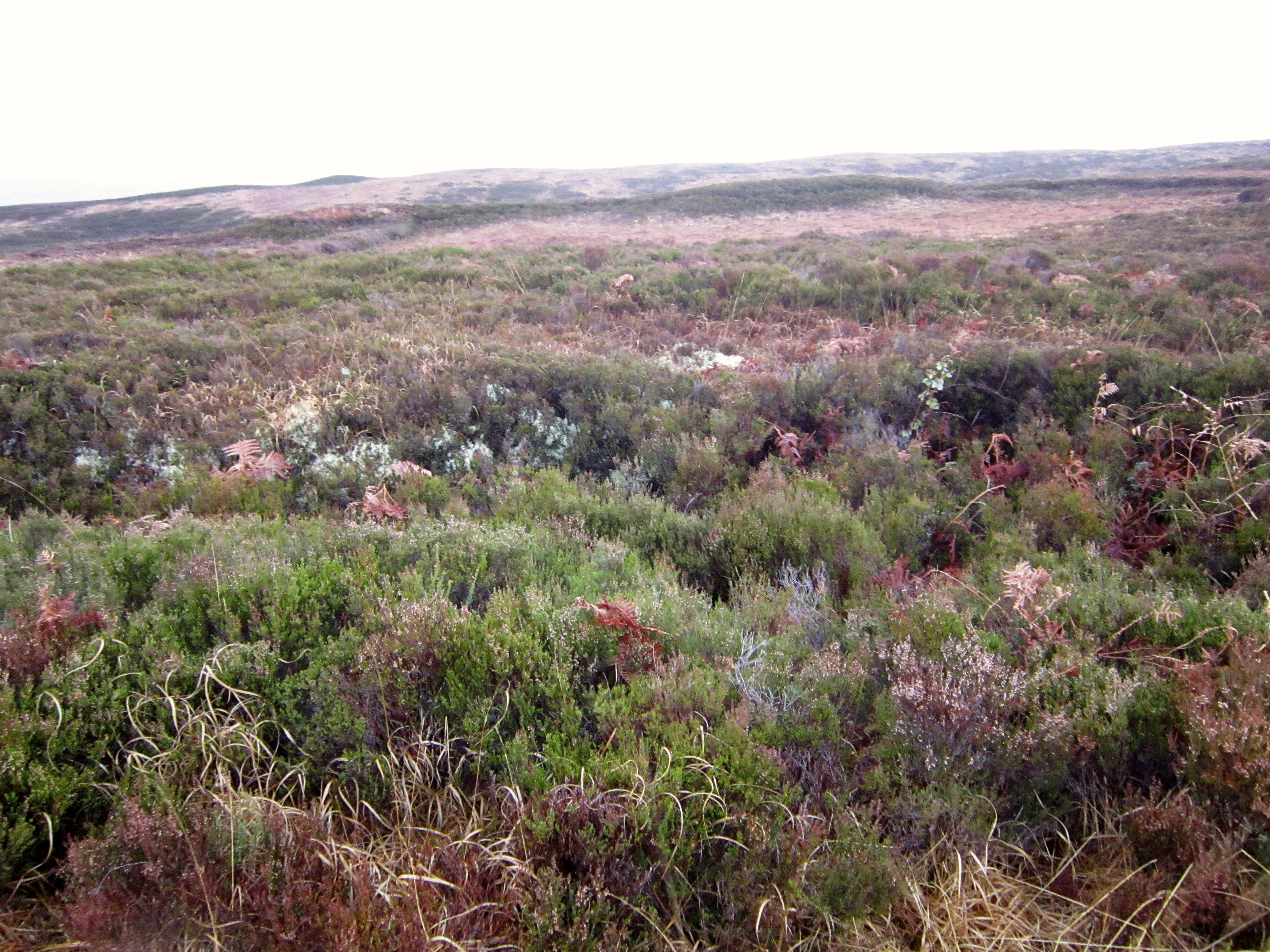
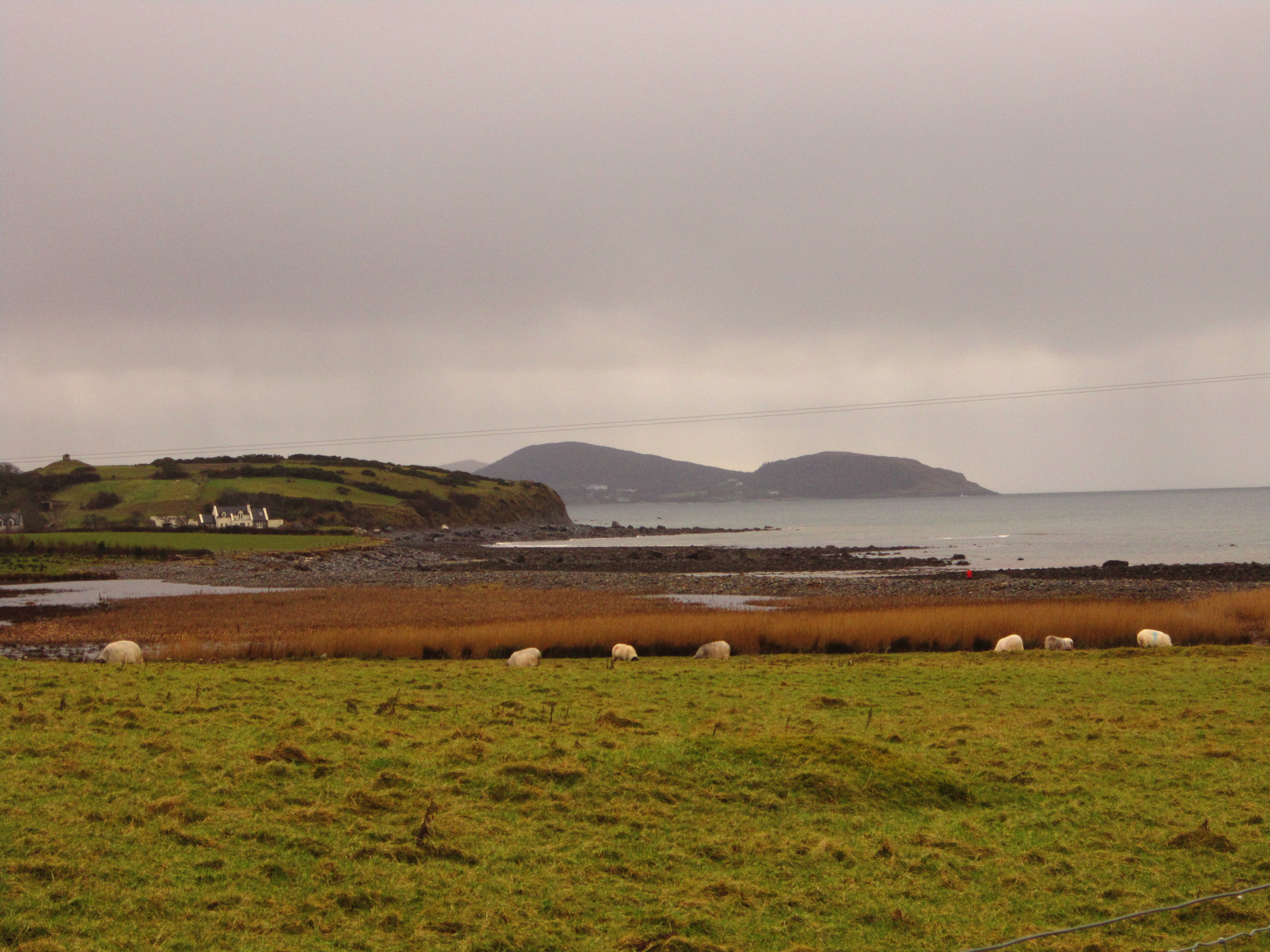
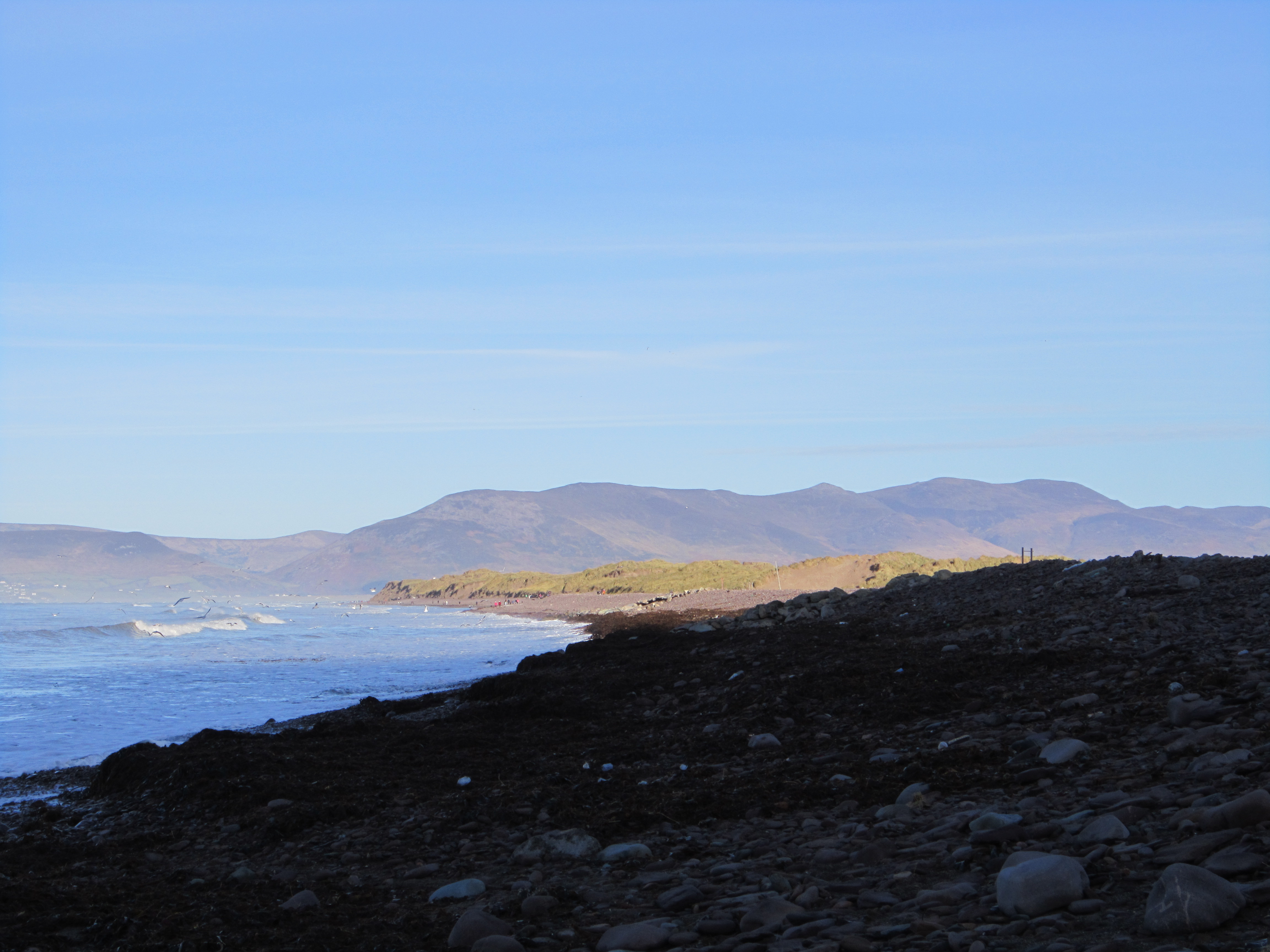
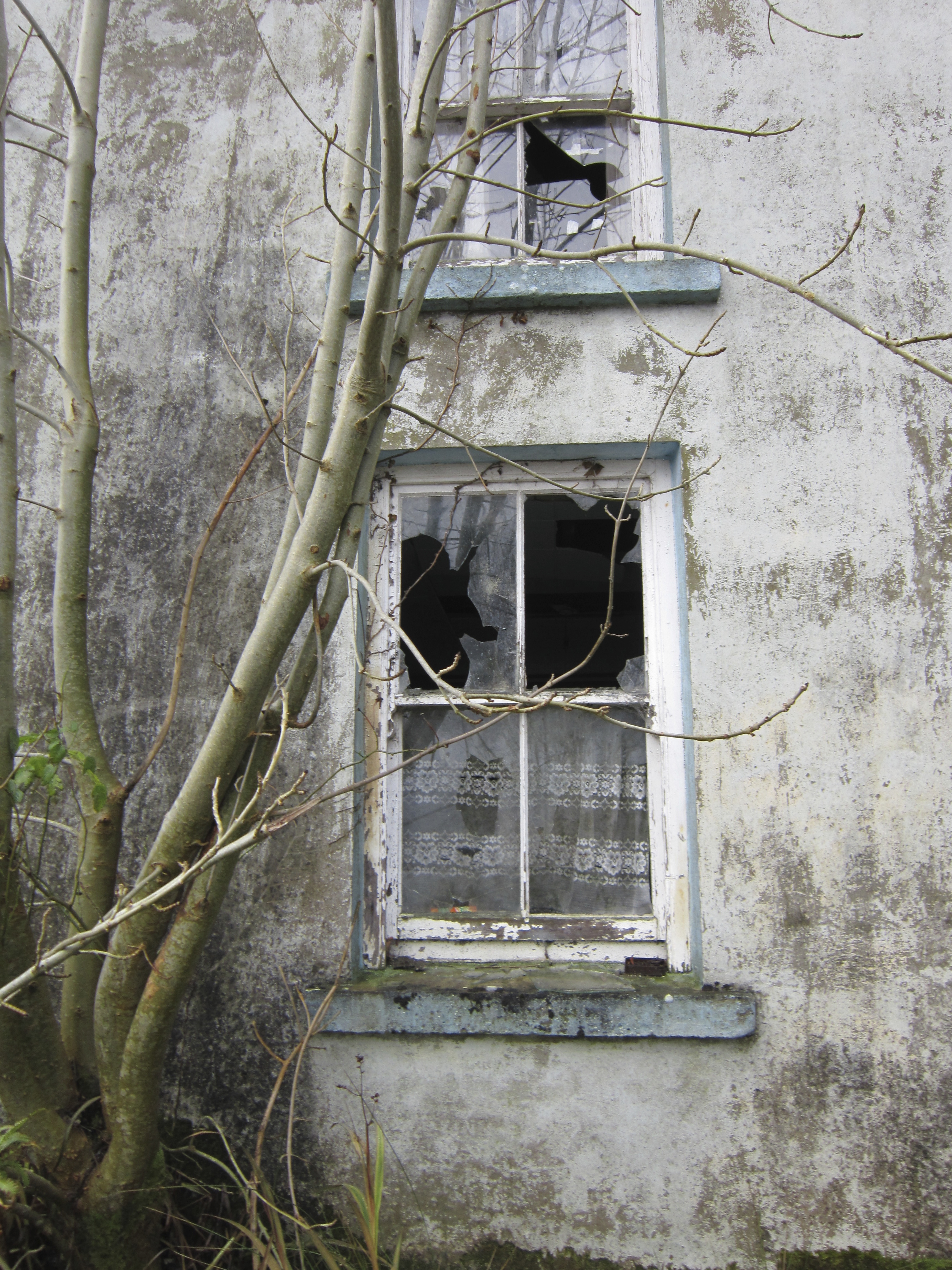
To say he was a conflicted poet is to put it lightly. His poetry was born out of the stony grey soil of Monaghan. He managed to capture the rural life in its bare-bones beauty, while at the same time railing against it. He escaped to Dublin when he was twenty-eight, and for a self-proclaimed peasant, he went a long way to expand his horizons. I suspect he was not always a pleasant fella to be around—hard drinking, belligerent, with a huge chip on his shoulder. But it is the poetry that counts.
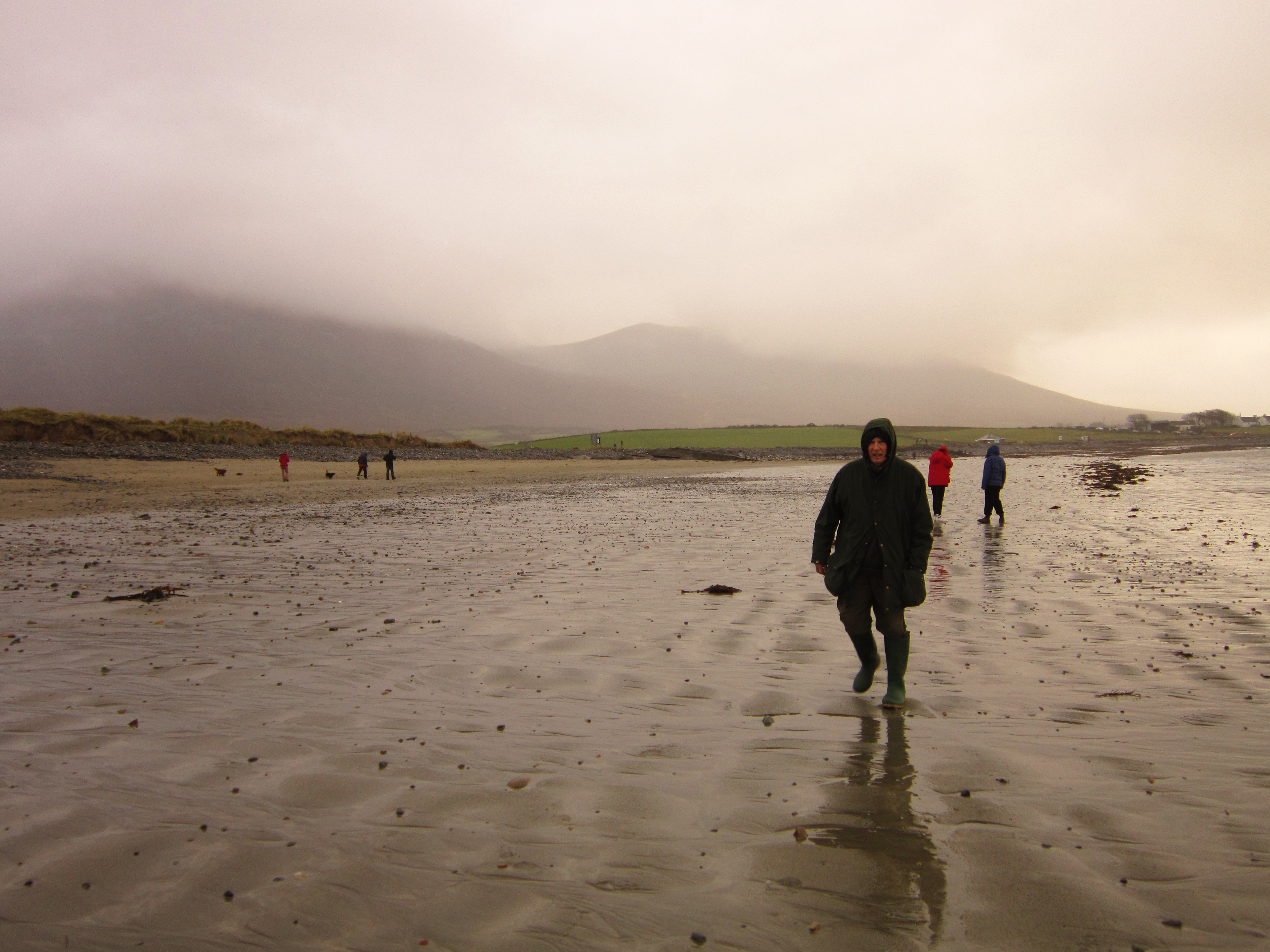
At the age of fifty, he had a lung removed to stave off cancer. Convalescing, he would sit on the banks of the Grand Canal that runs through Dublin. And it is here that he seems to have finally come to some kind of peace with the rural landscape that he was so deeply rooted in.

CANAL BANK WALK
Leafy-with-love banks and the green waters of the canal
Pouring redemption for me, that I do
The will of God, wallow in the habitual, the banal,
Grow with nature again as before I grew.
The bright stick trapped, the breeze adding a third
Party to the couple kissing on an old seat,
And a bird gathering materials for the nest for the Word
Eloquently new and abandoned to its delirious beat.
O unworn world enrapture me, encapture me in a web
Of fabulous grass and eternal voices by a beech,
Feed the gaping need of my senses, give me ad lib
To pray unselfconsciously with overflowing speech
For this soul needs to be honoured with a new dress woven
From green and blue things and arguments that cannot be proven.
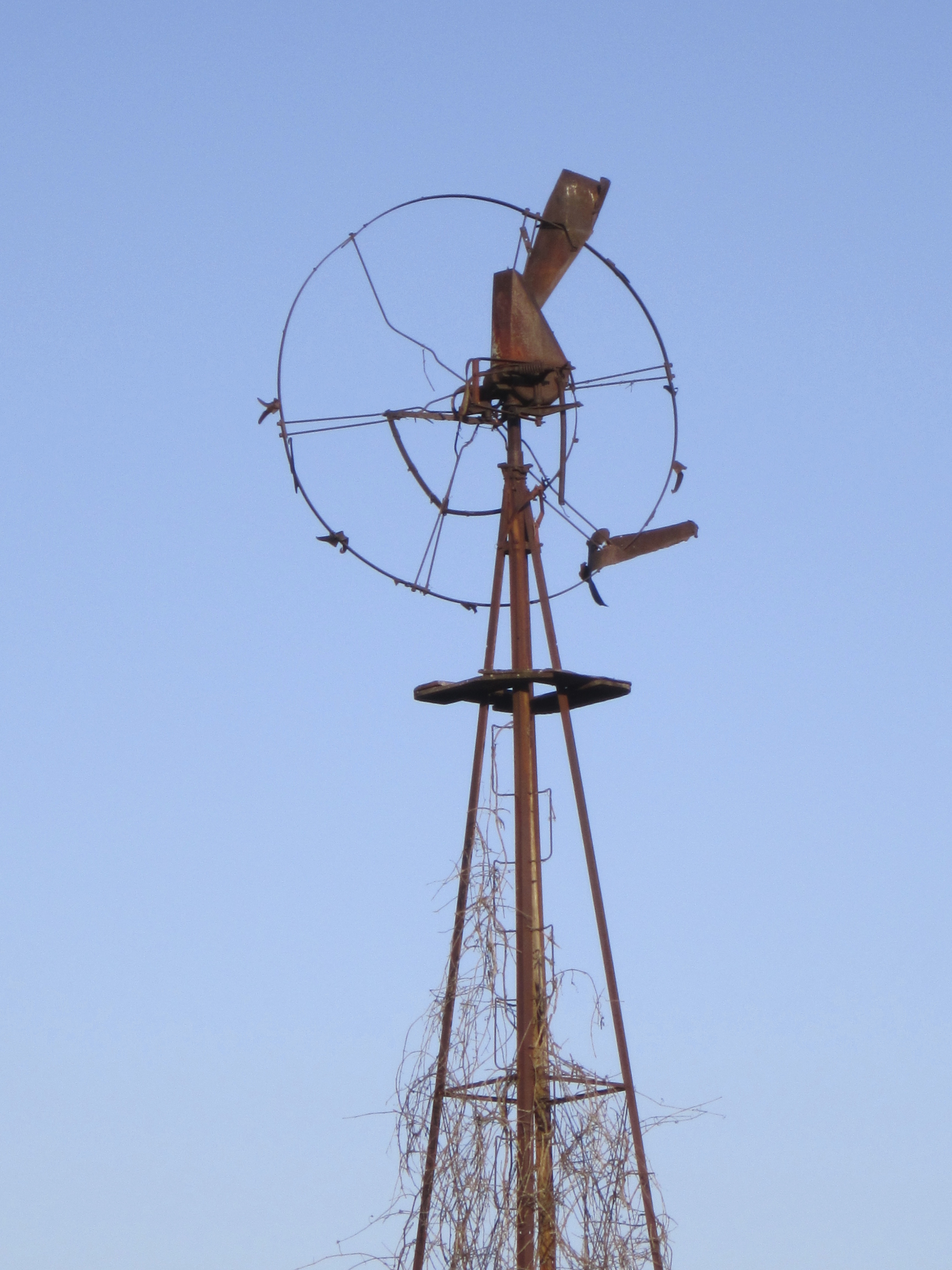

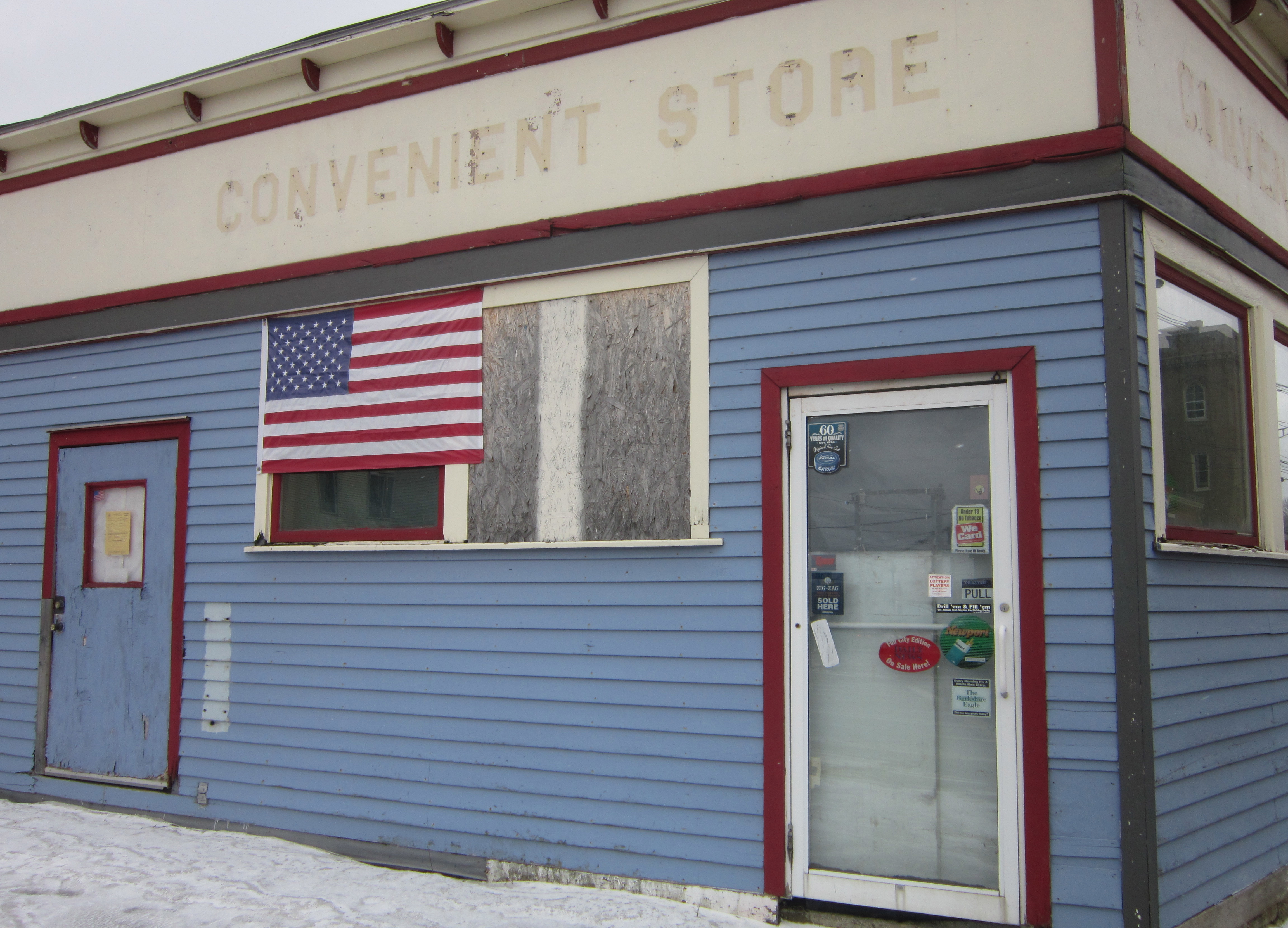


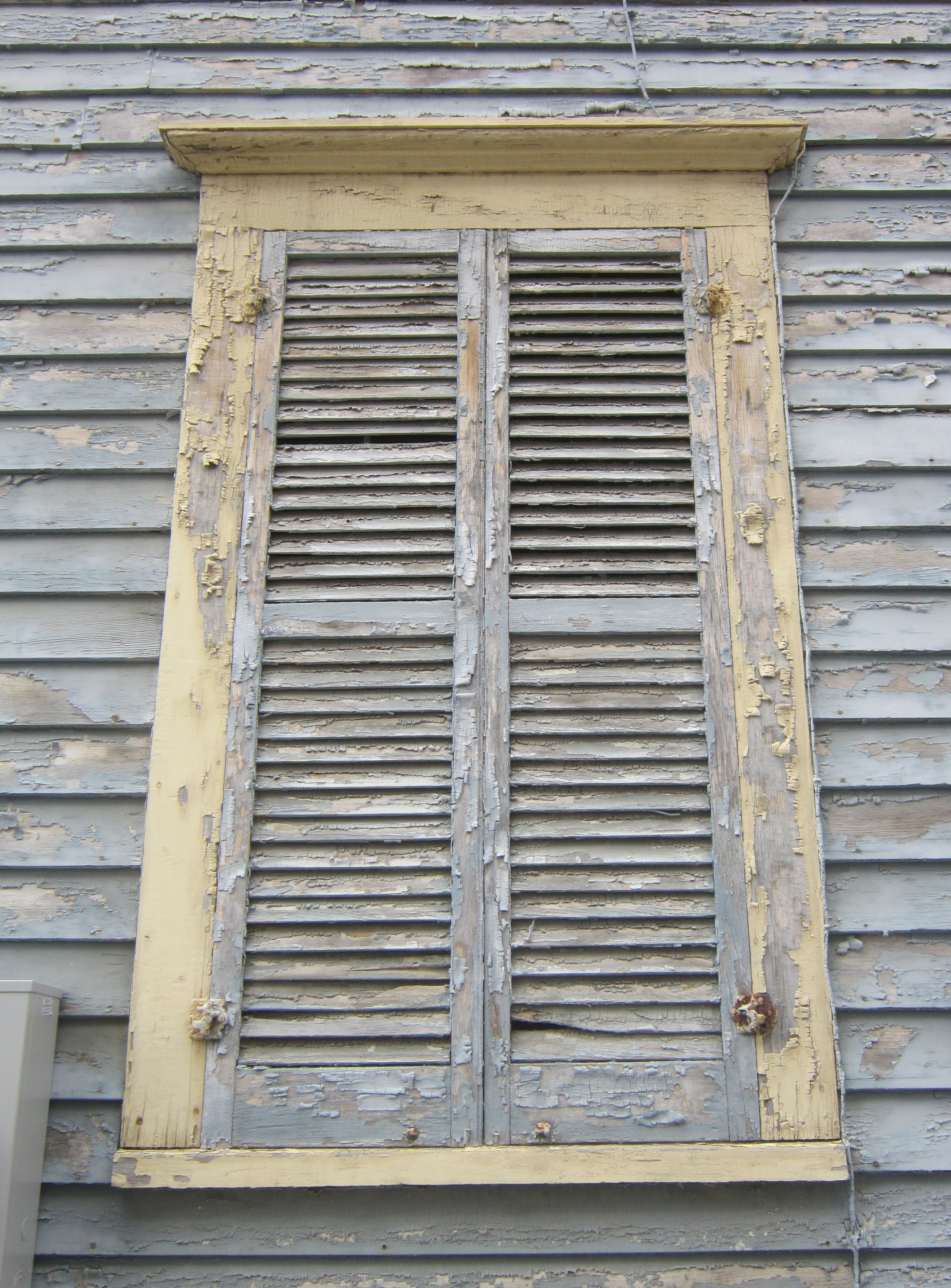
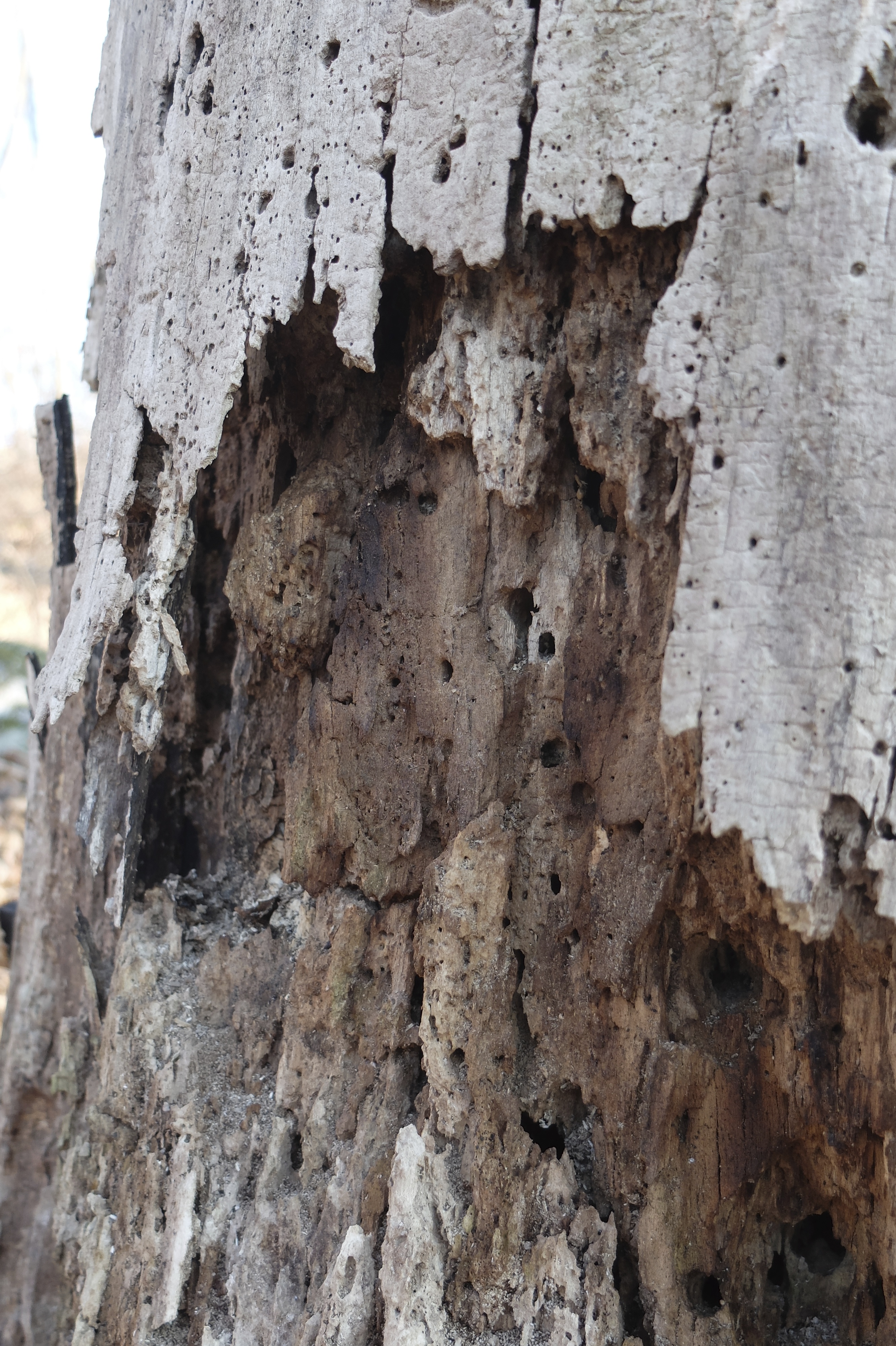


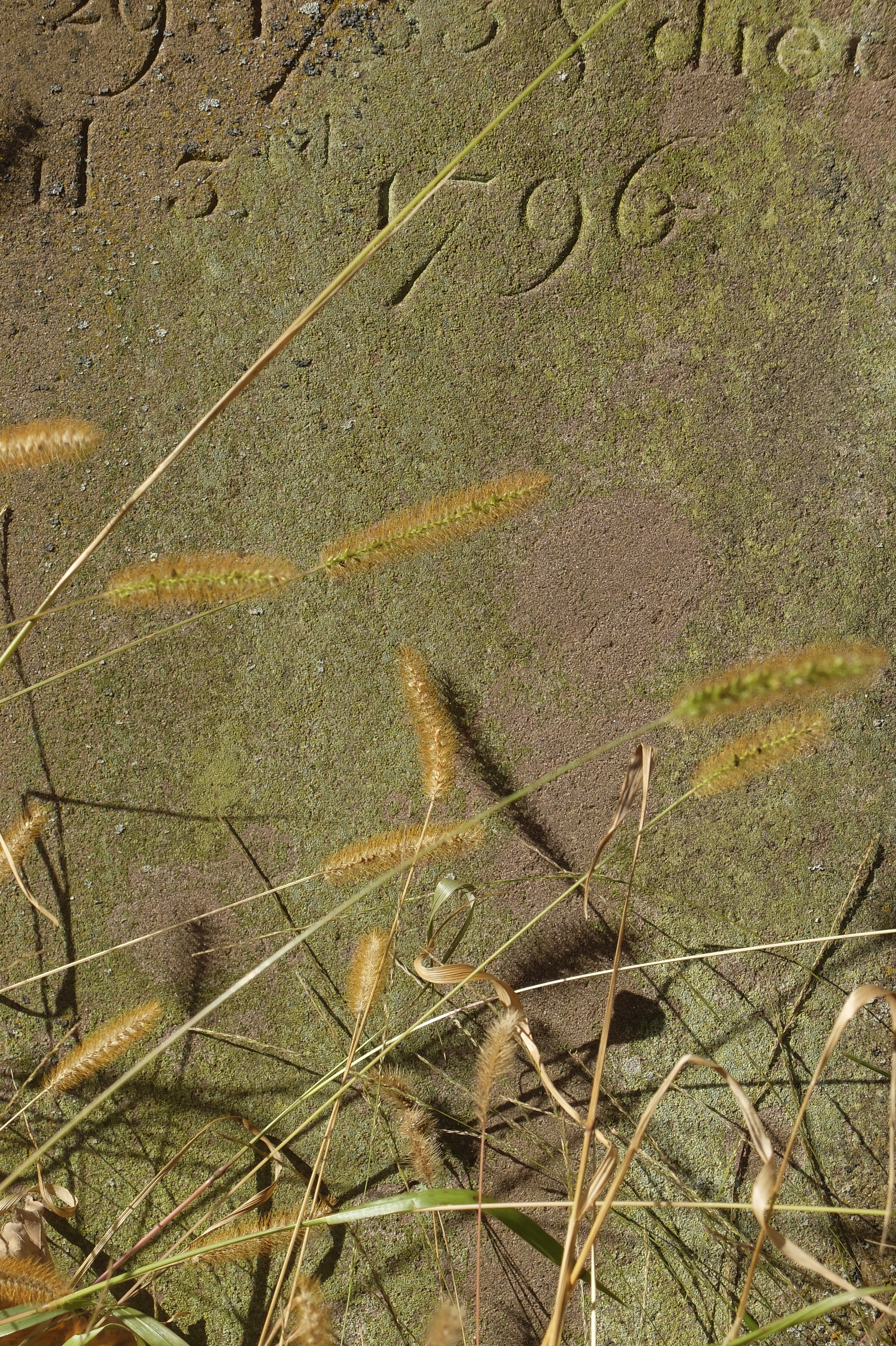
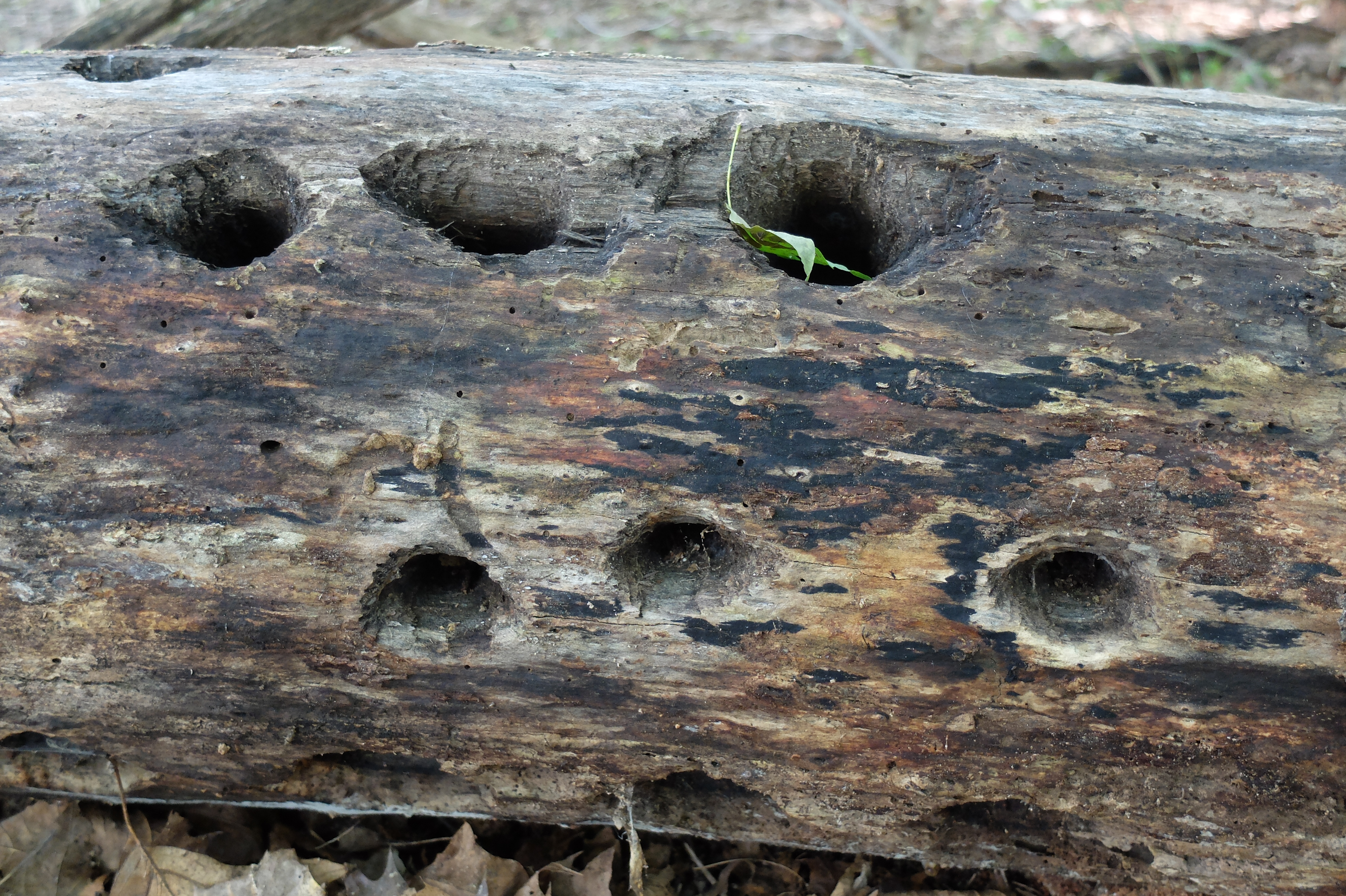


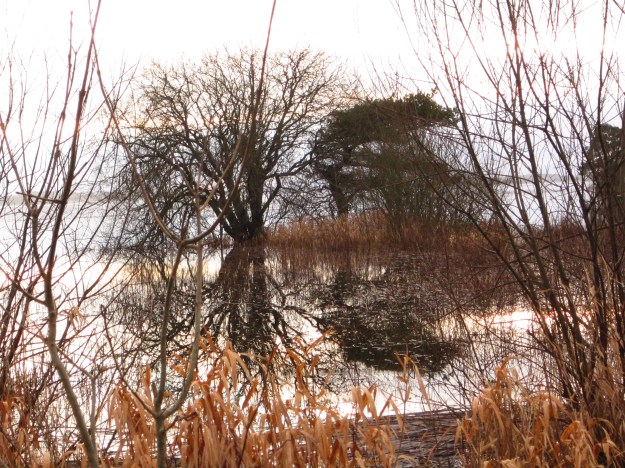
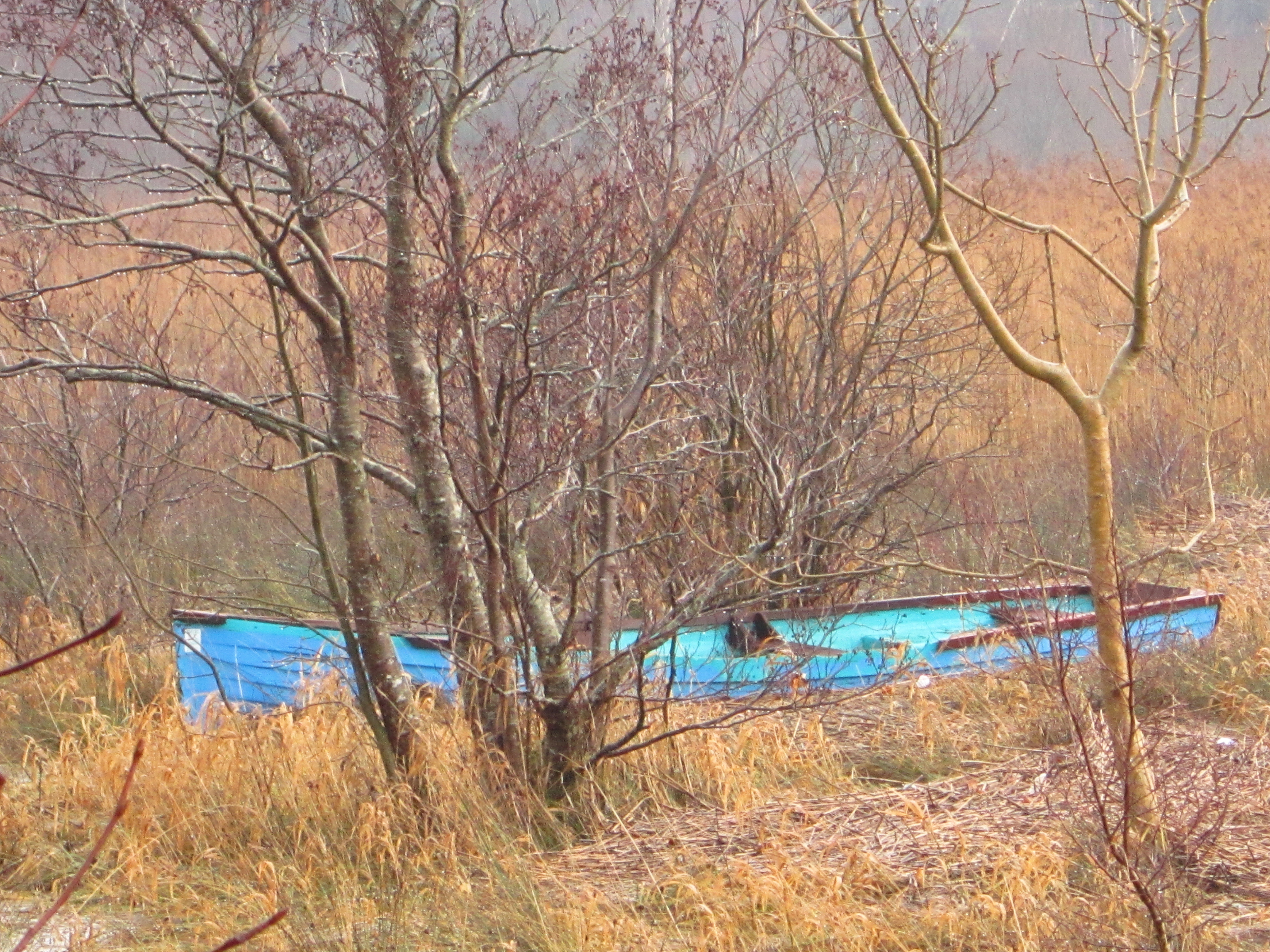
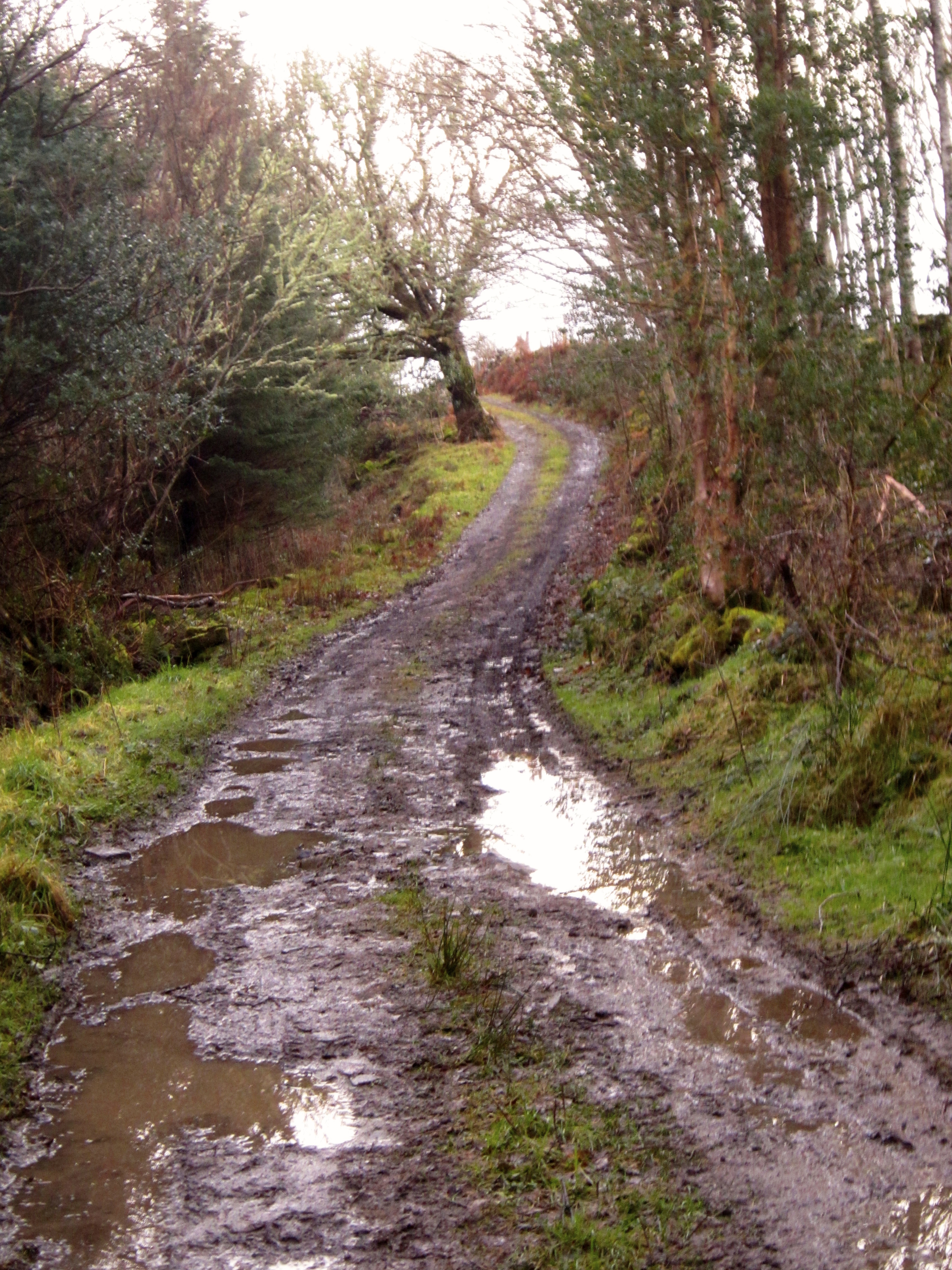
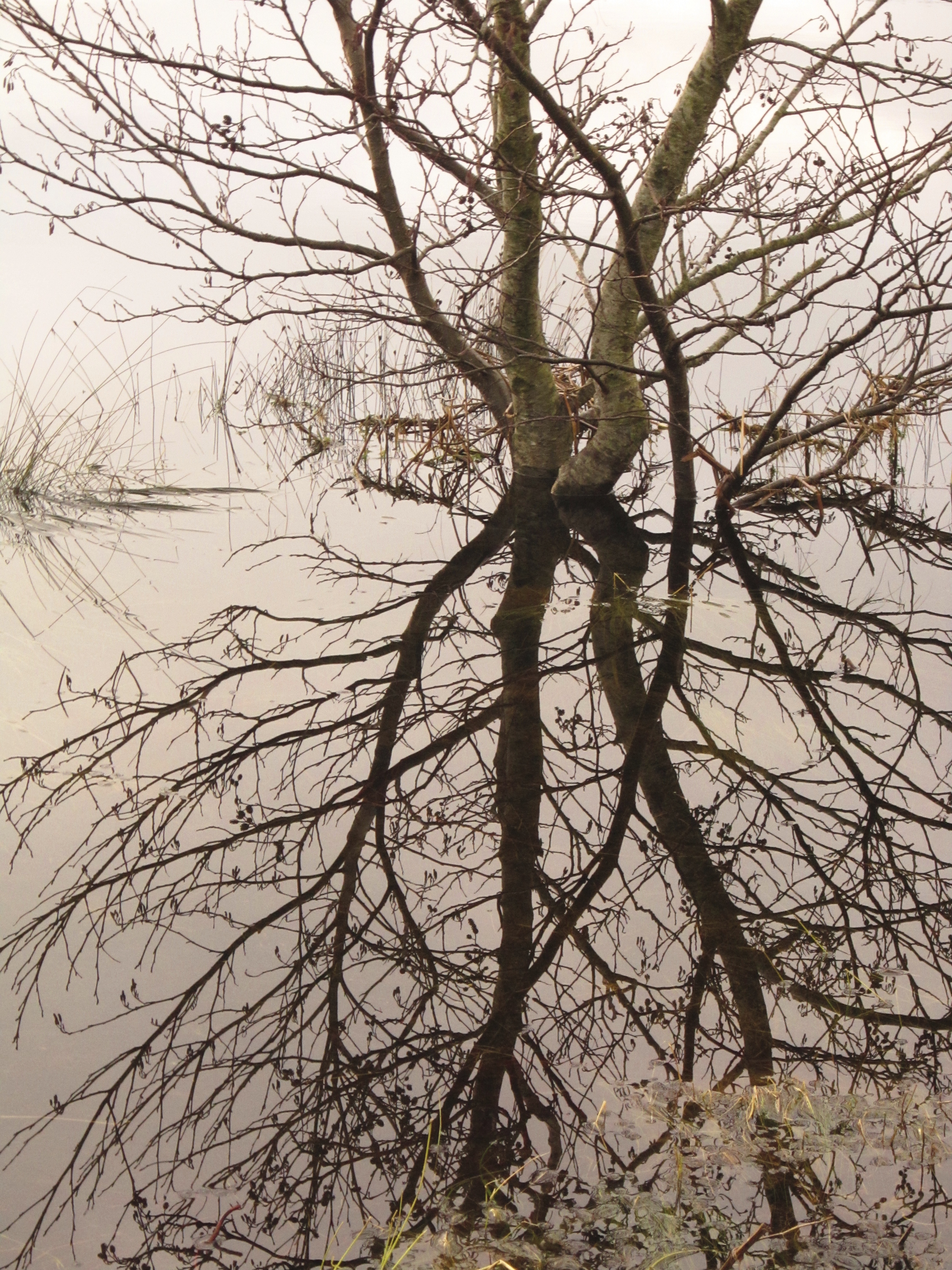
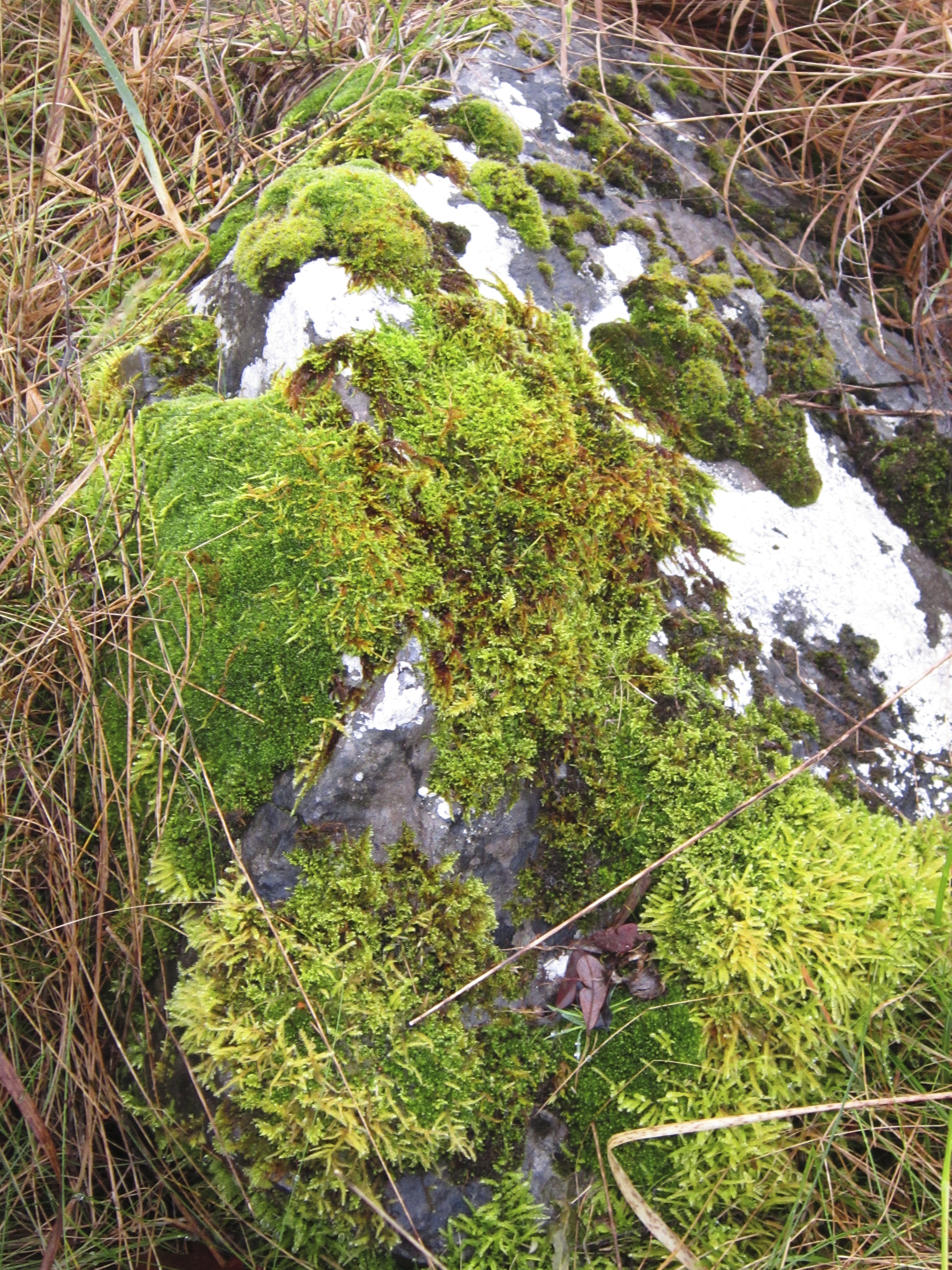
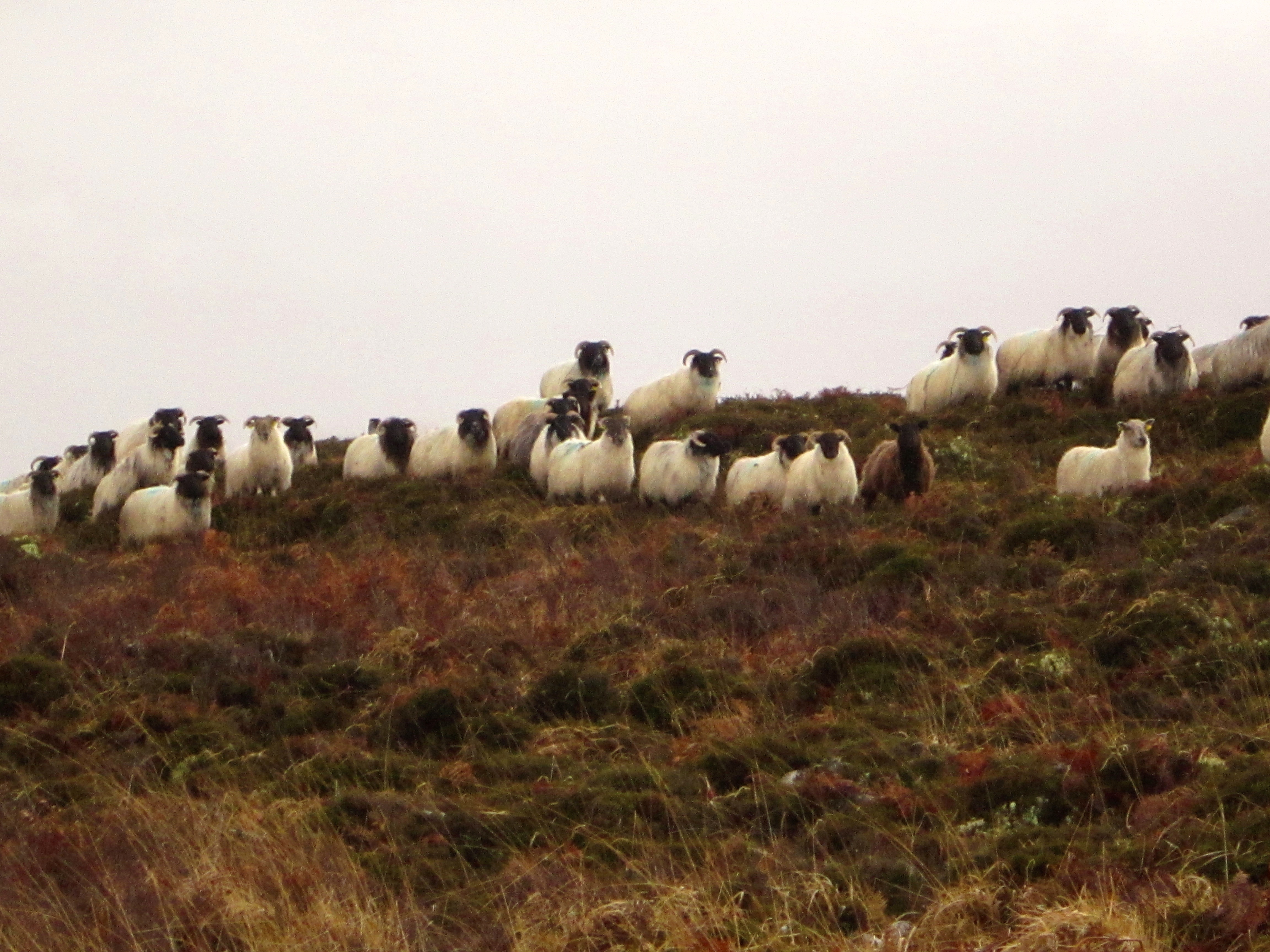
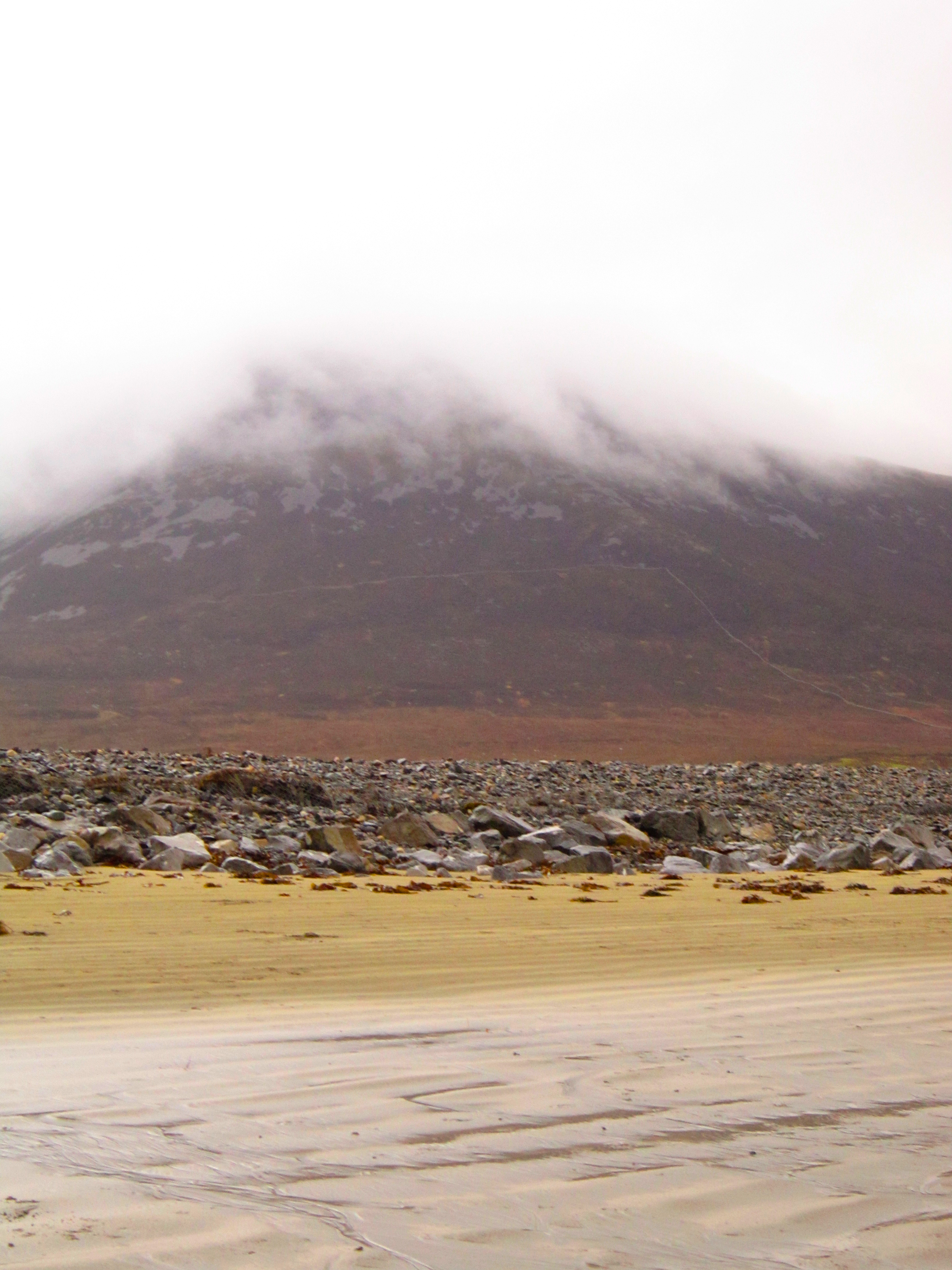
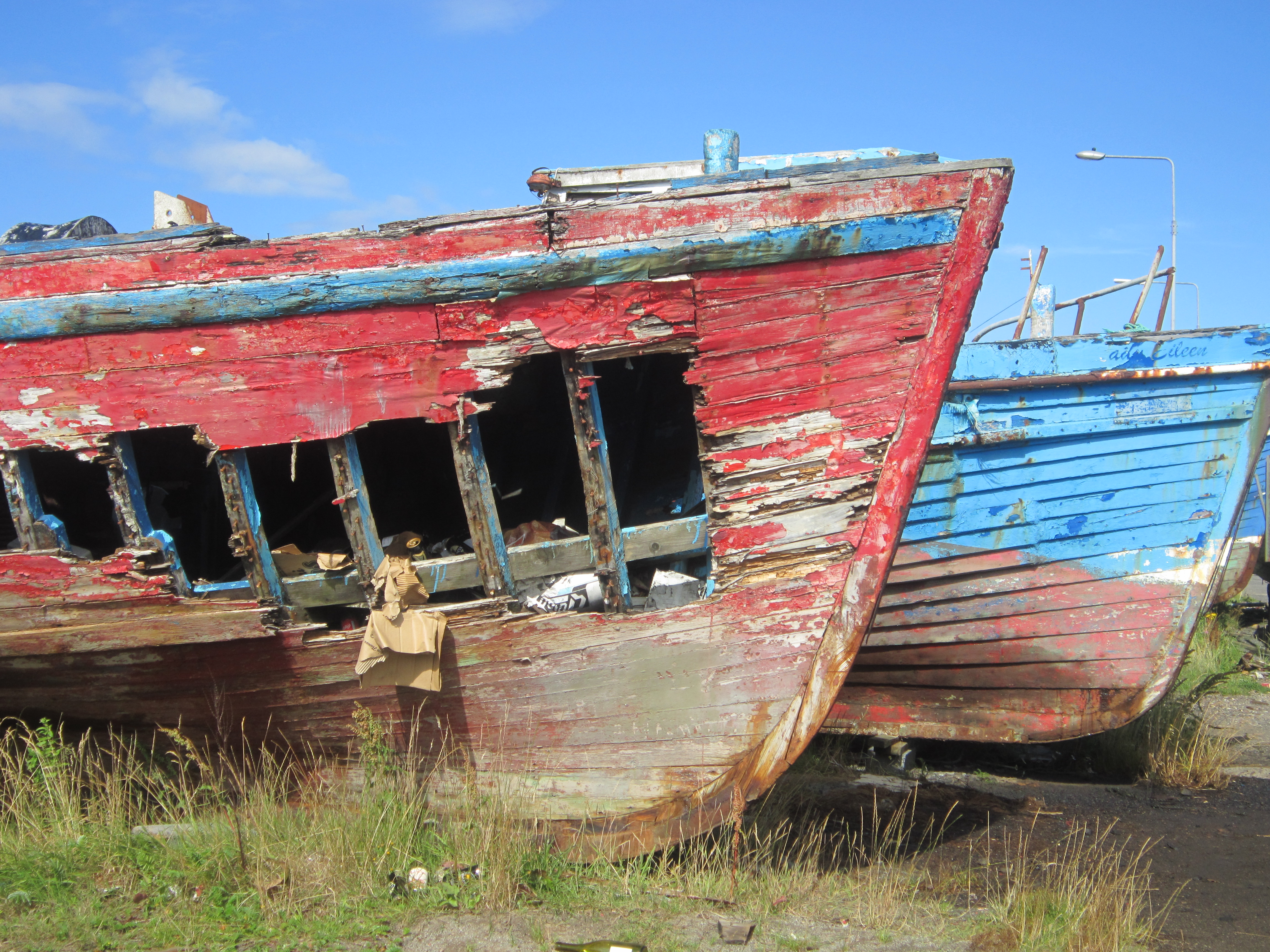 Please feel free to share a link in the comments section to your own similar photos.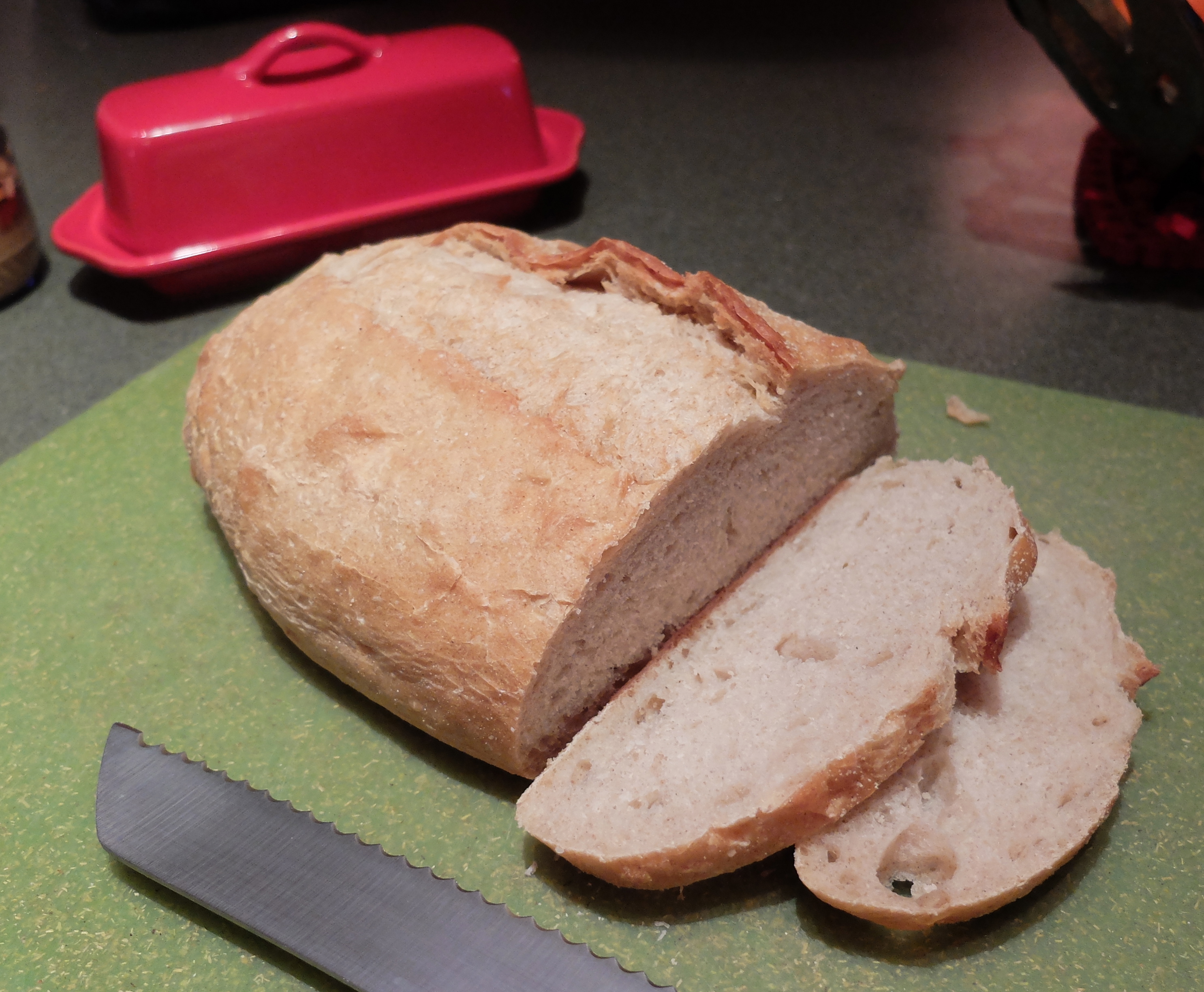
 fingers for dipping in soft boiled eggs, or for spreading with honey, or munching with a heap of baked beans.
 parlance) made by the village baker was delicious. My sisters and I would get up early and gallop through the narrow, whitewashed streets to arrive in time to watch the loaves being pulled from the oven on long wooden paddles. The bread never made it home in one piece. On days when we went filming with my parents for the documentaries they made on the island, we would take along a picnic lunch. In a shady olive grove we’d listen to the cicadas zithering, eating chunks of bread doused in green olive oil and topped with sweet tomato slices and slabs of salty feta.
 brunch with my family: a crusty loaf of sourdough from the farmer’s market with a homemade soup to dunk it in, jars of hummus and basil pesto from the garden, slices of pungent local cheese, and plates brimming with cucumber and tomato slices and a handful of briny Kalamata olives. Heaven on a plate!













 Melissa Shaw-Smith
