 The grey stone gable
Is the last vestige
Of the cottage on the headland.
Nettles grow thick
At its lichen-covered feet.
It faces west
Toward the sunset,
Toward America.


The grey stone gable
Is the last vestige
Of the cottage on the headland.
Nettles grow thick
At its lichen-covered feet.
It faces west
Toward the sunset,
Toward America.
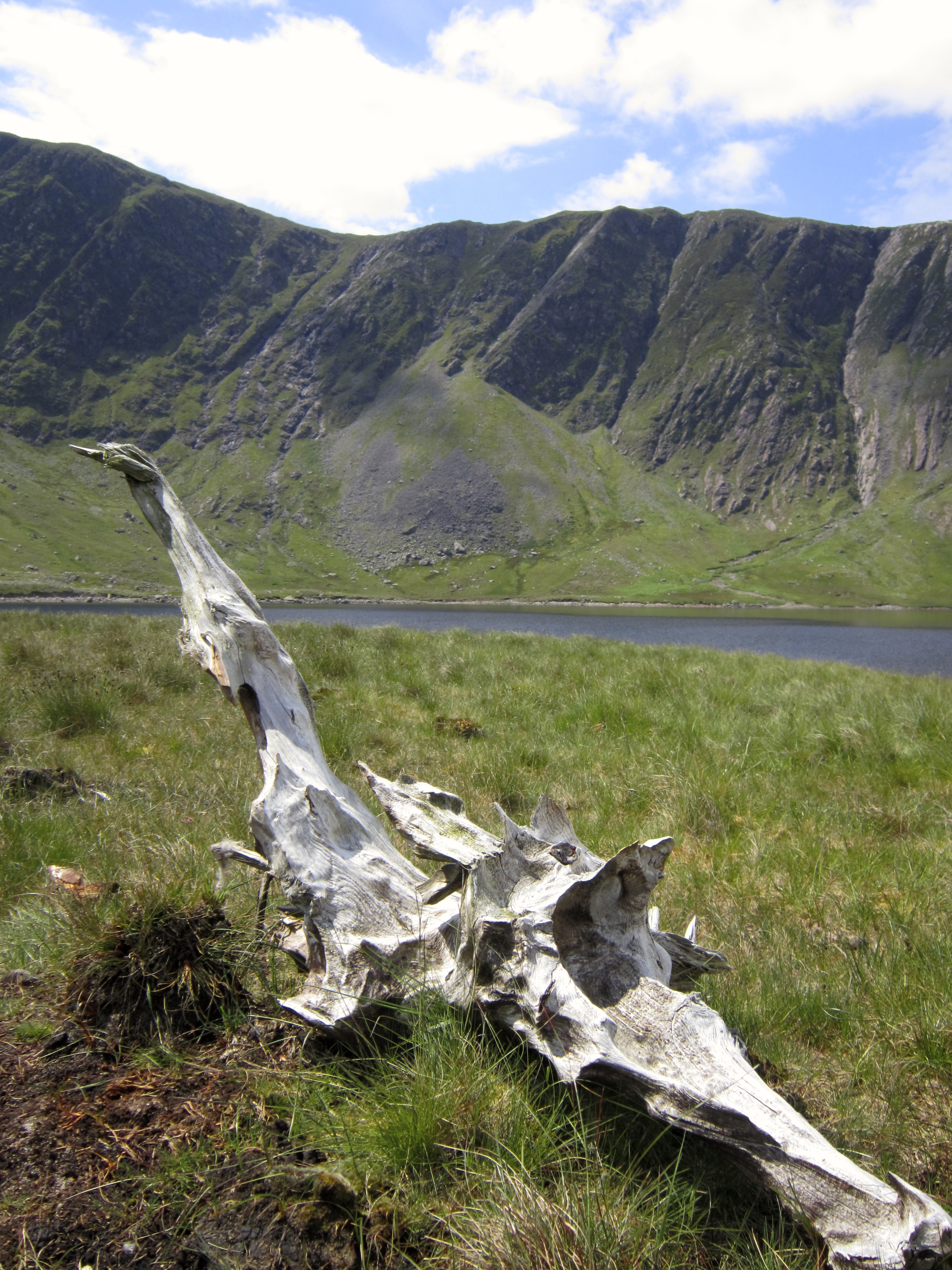
The oak root
Stopped me in my tracks,
Rearing out of the bog,
A creature of fantasy.
Sentry from a long gone forest
Mowed down by ice-age
And time,
Buried under eons of sphagnum moss
Rush and sedge,
Silt from mountain streams—
sandstone, granite, the odd fleck of gold.
All these and more swaddled its limbs,
Blocking out oxygen
Bathing it in tannic acid,
Preserving it:
Six-limbed,
One-eyed,
Bog monster.

Maumtrasna Mountains, Co. Mayo. Ireland
 My foot rock, rock, rocking
Mimics the lift and drop of waves.
Breeze in the walnut leaves
Sounds like the hiss of surf,
And a car passing on the road—
Wind in the rigging.
Where is the keening of gulls
Tumbling through the salt air?
Replaced by a cricket in the stone wall
And a bullfrog over the road in the pond.
Sudden screech of blue jays
Sounds a false note,
Arresting my downward spiral.
A drama fit for a king plays out.
Ten seconds and the act is done.
Attack, plunder, infanticide,
Feathers.
Distraught phoebe’s screech
At the sight of their nest
Dislodged from the eaves.
My head sinks back down,
Eyelids grow heavy again.
Dip, dip, dip.
Consciousness hovers like the yellow
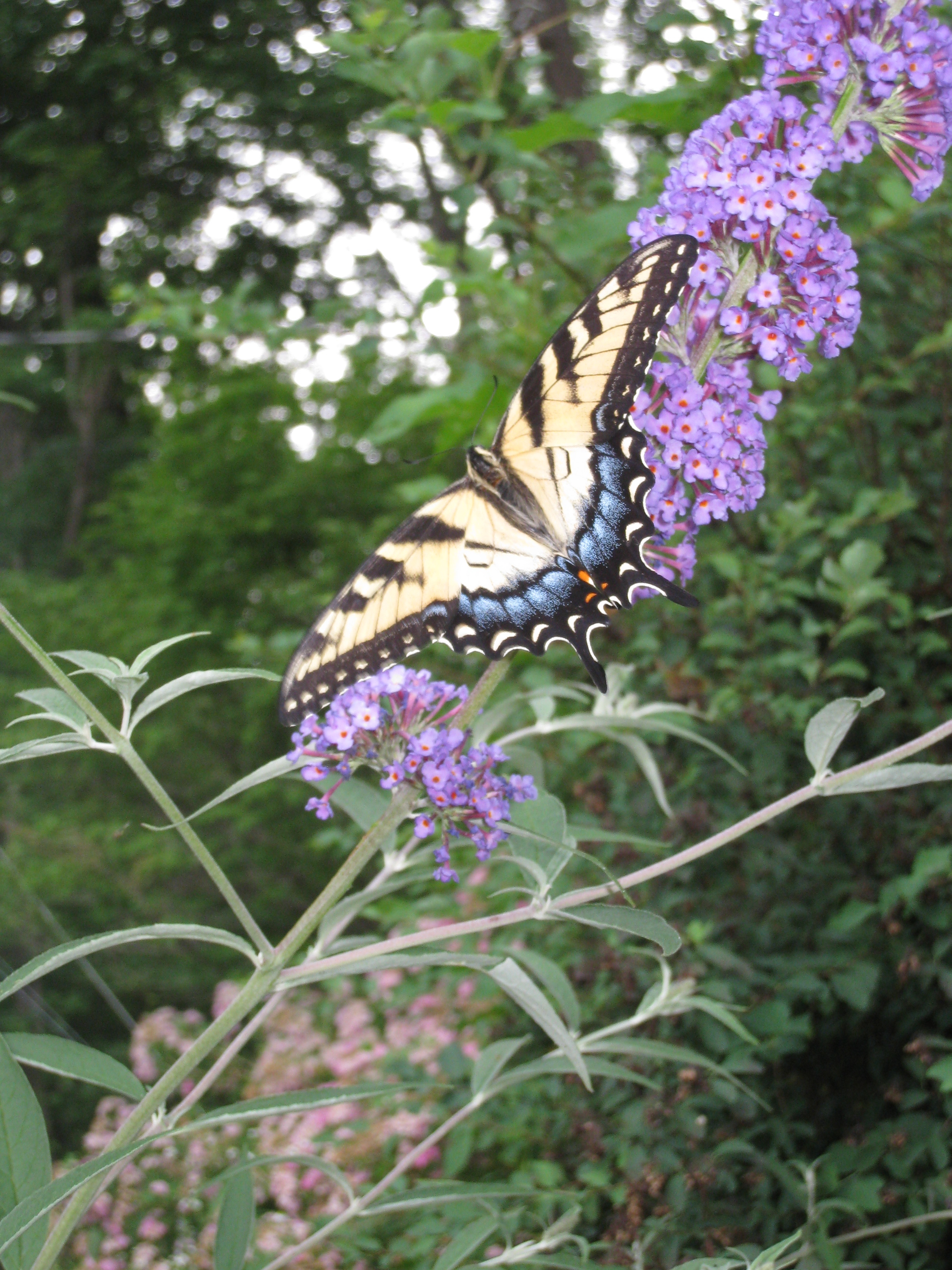
Swallowtail over the dame’s rocket.
Swing gently into sleep.

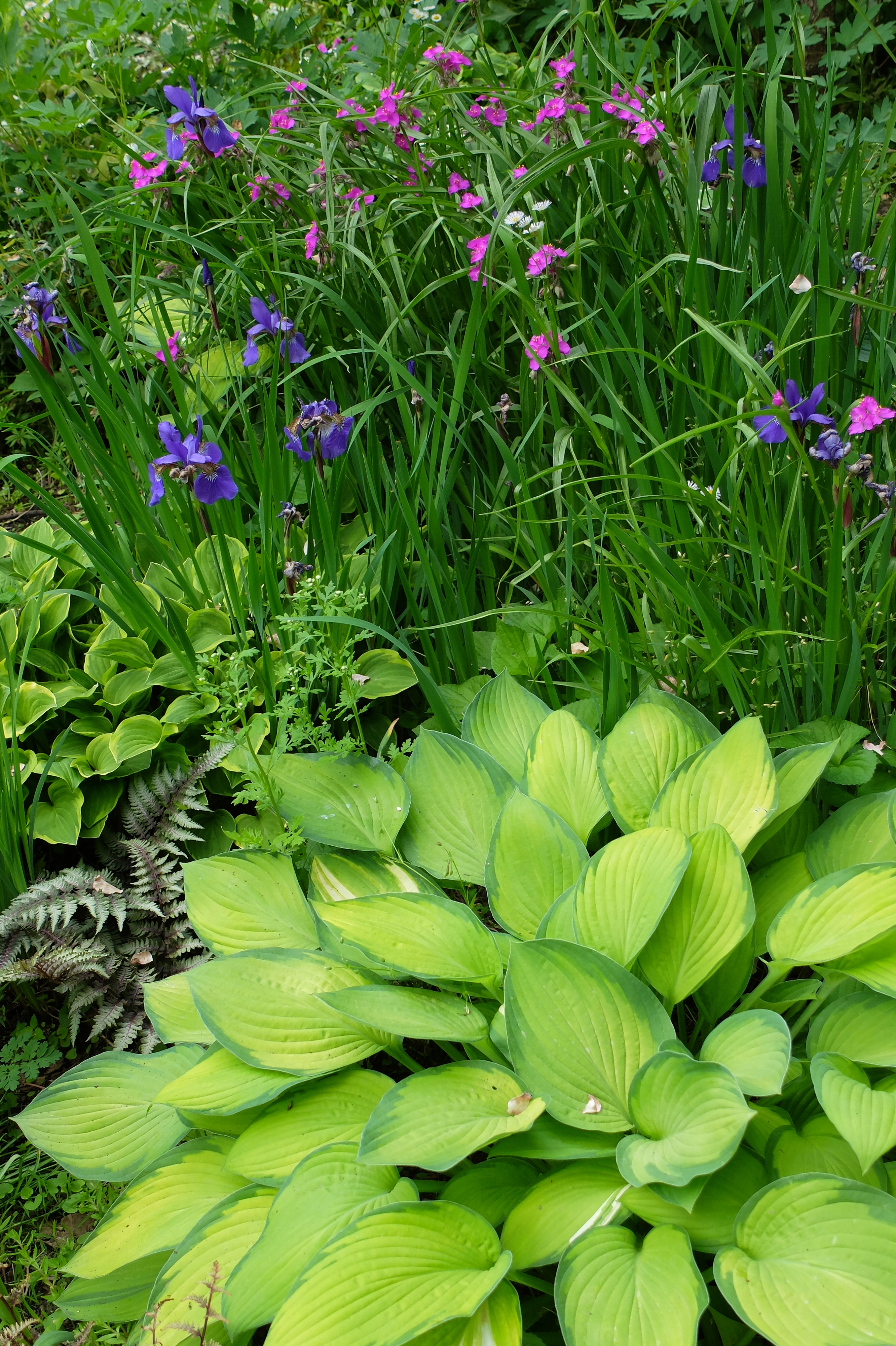 It’s a tough time of year for me as a writer. Yes, I have spring writer’s fever and I’m itching to explore new projects, and eager to finish revisions. But I have one big problem. My brain needs sugar! Like the hummingbird who flits from flower to flower to satiate his unending need for nectar–they consume half their body weight in sugar each day– I too need to feed the receptor in my brain that’s drawn to nature. Here are a few of the things that keep me from putting my butt in my seat on an hourly basis.

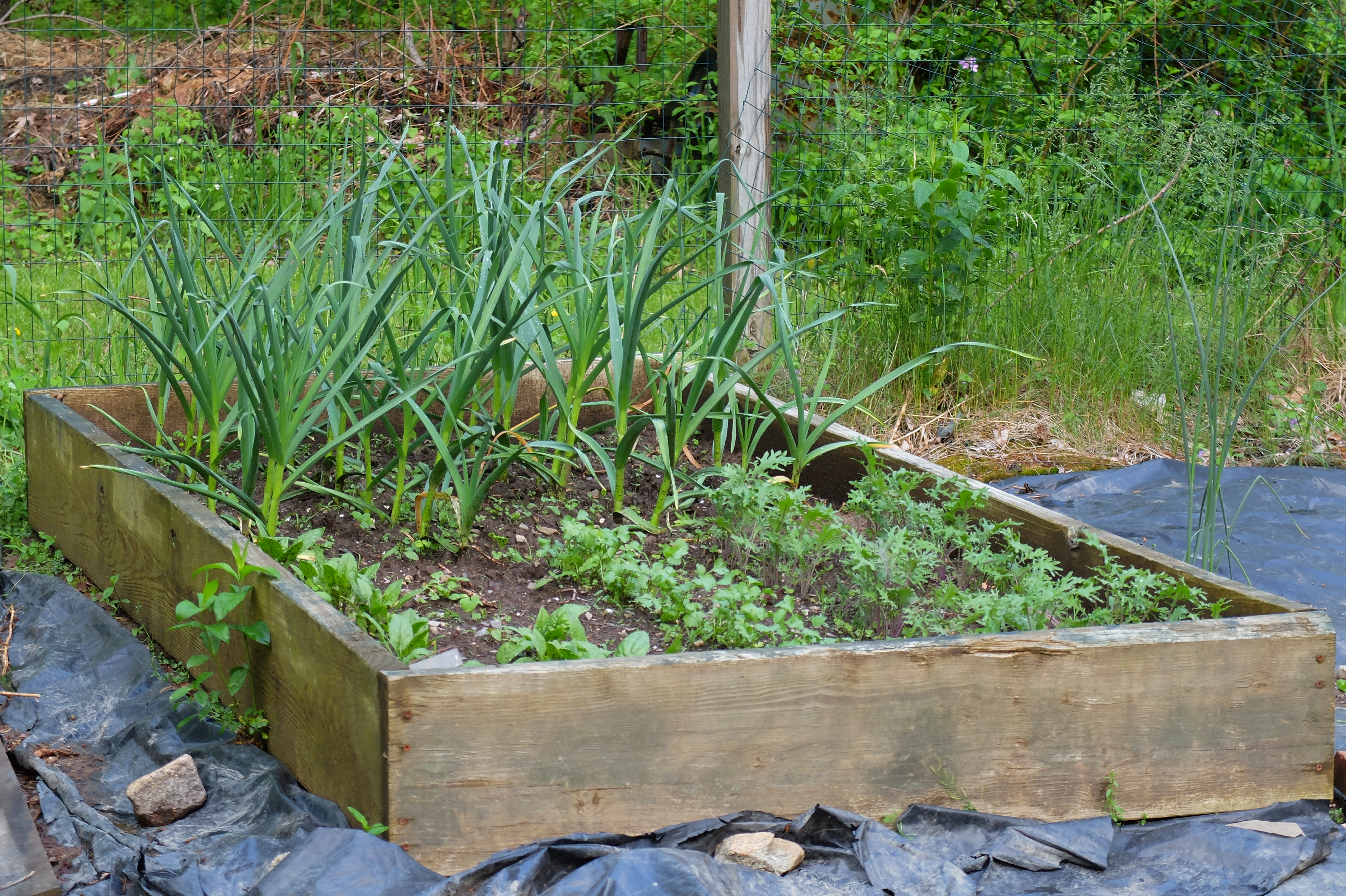

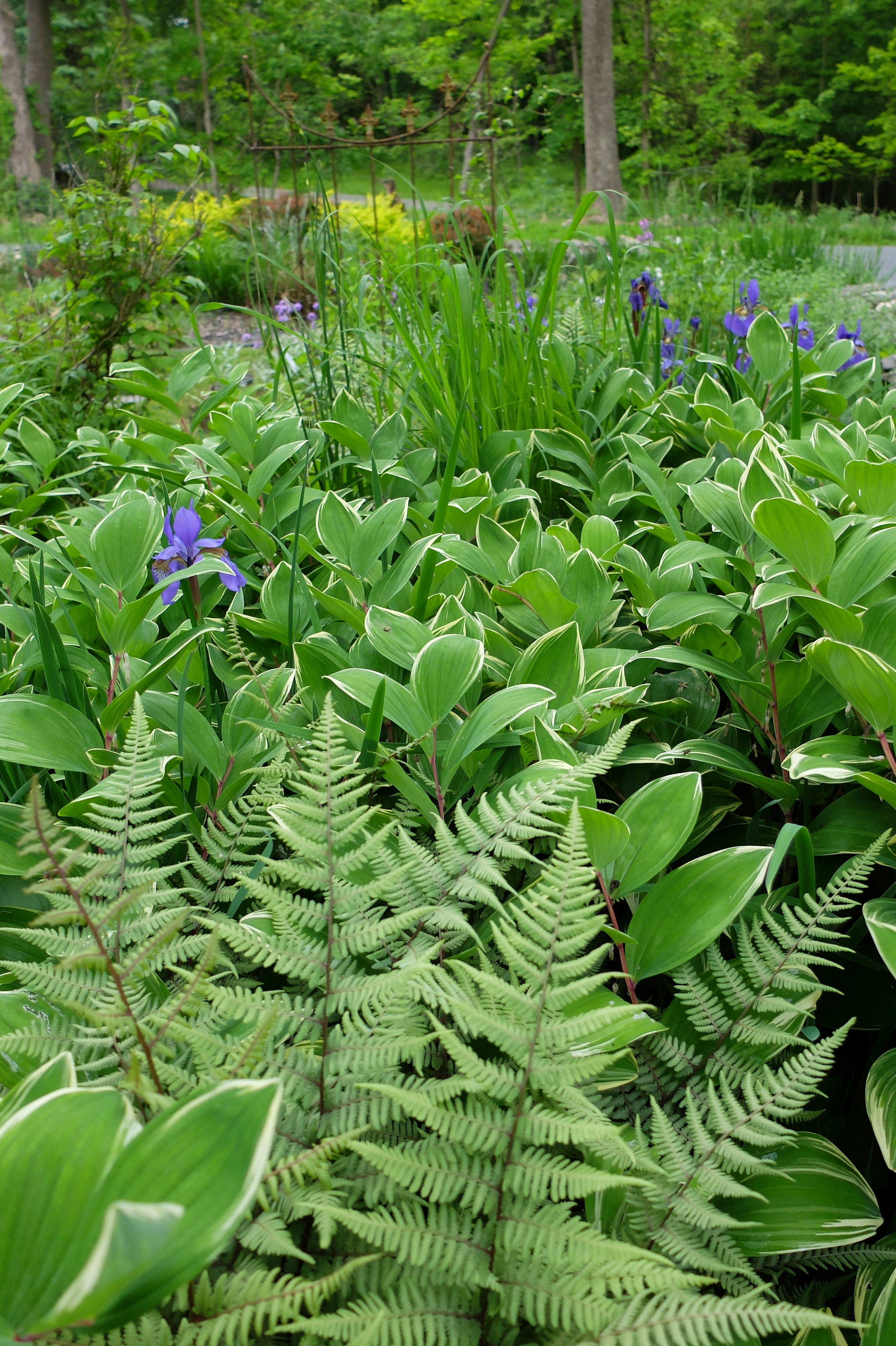
My garden is constantly beckoning through the window.

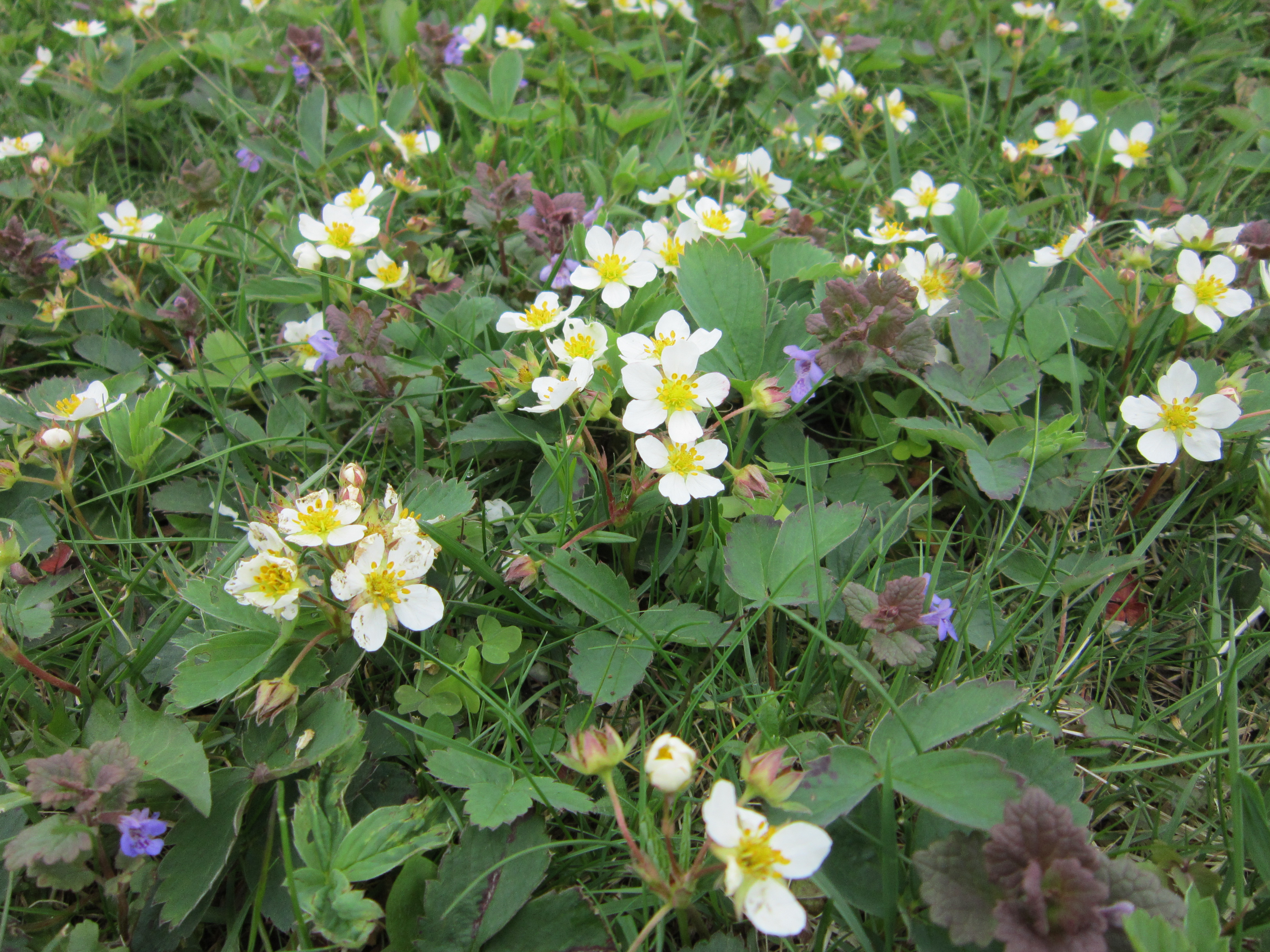
And then there’s the woodland and the hedgerows . . .



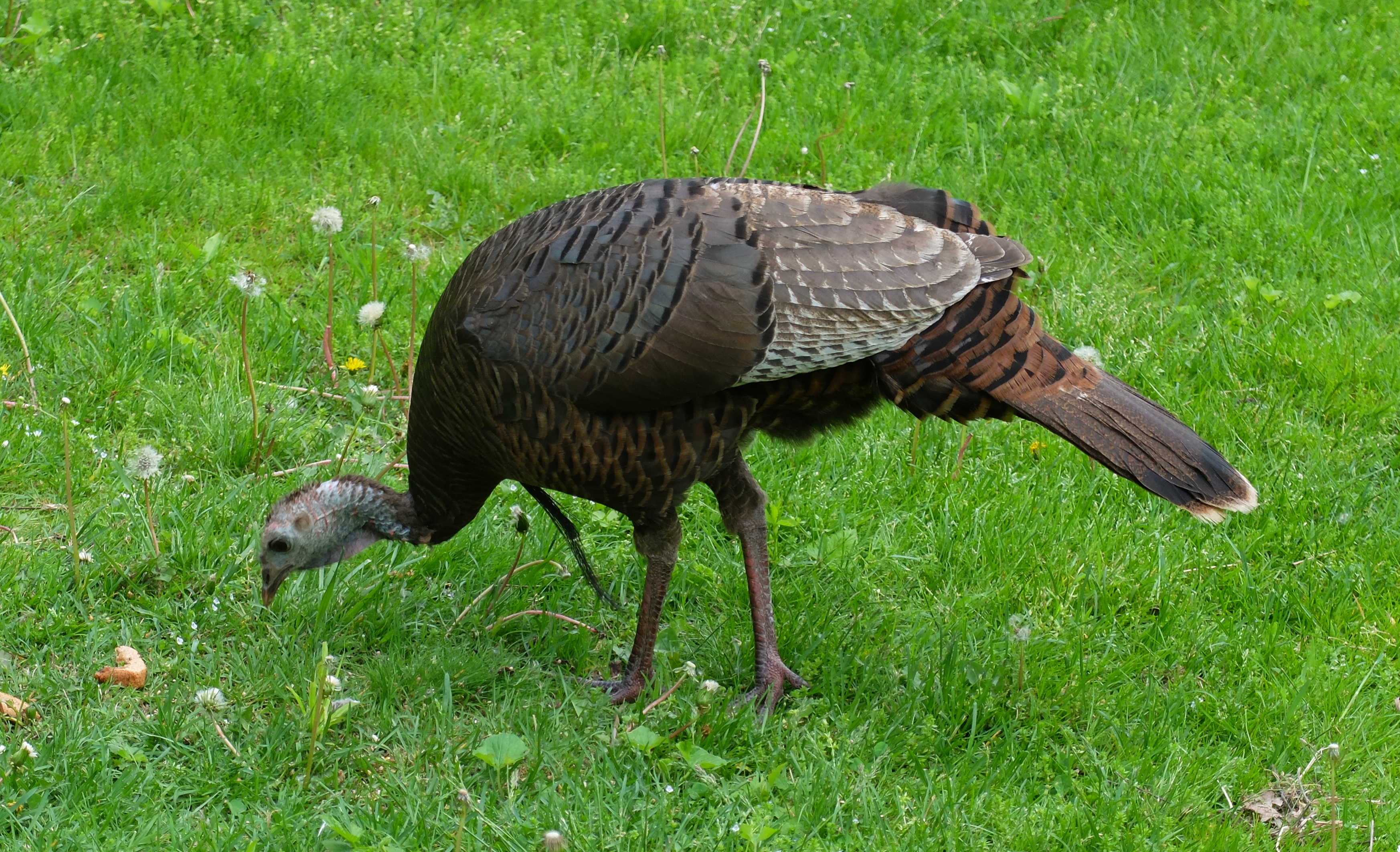
And the wildlife . . .


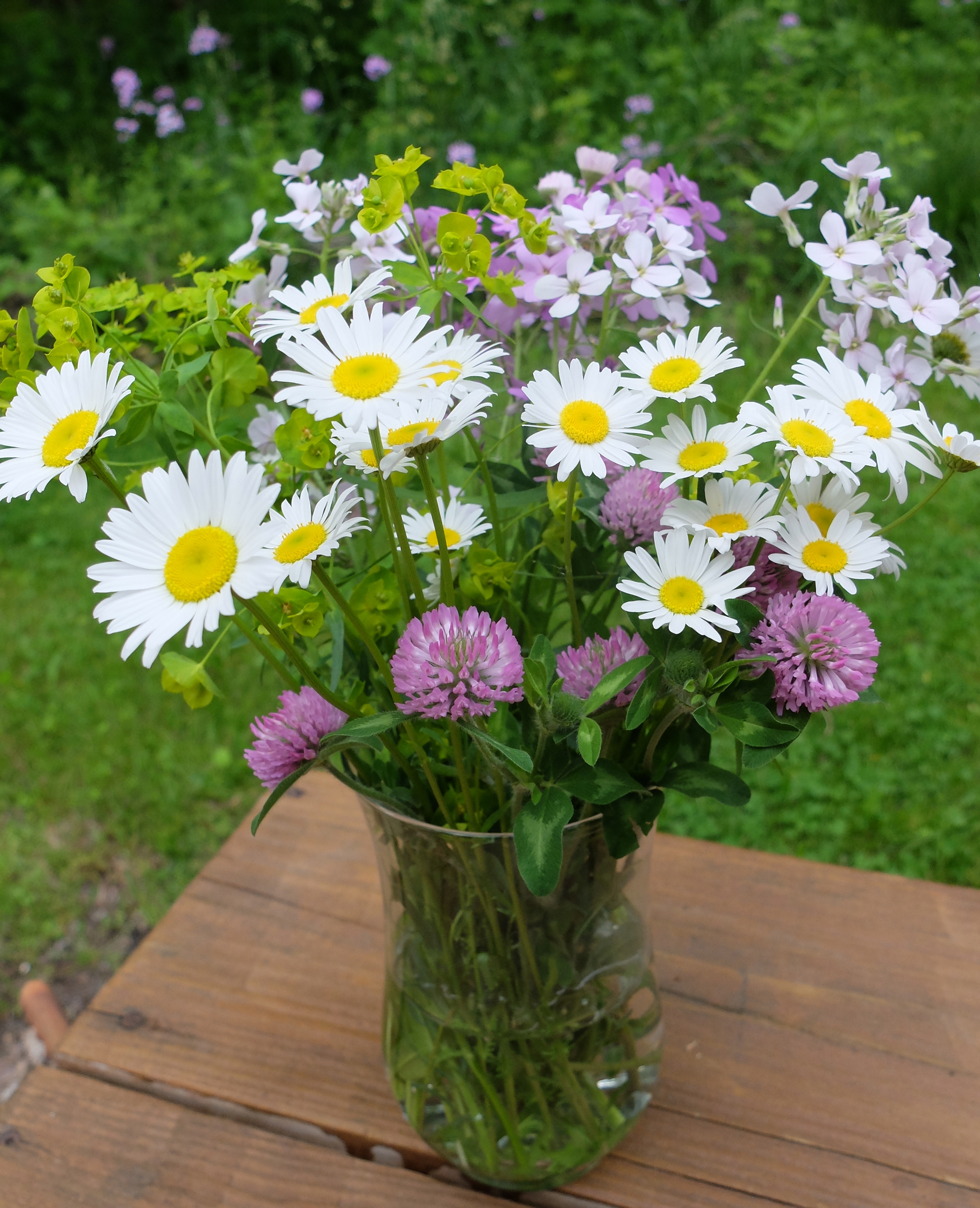
What’s a writer to do, except–
 Put me by
Moving water
When I’m old.
A lake, a sea, a stream—
any wet thing.
So long as I can watch
Light-play on the surface,
The membrane dappled by wind,
Hear the glug and gurgle of water pockets
slapping the hulls of moored boats,
And smell the tang of moisture in the air,
I will be happy.
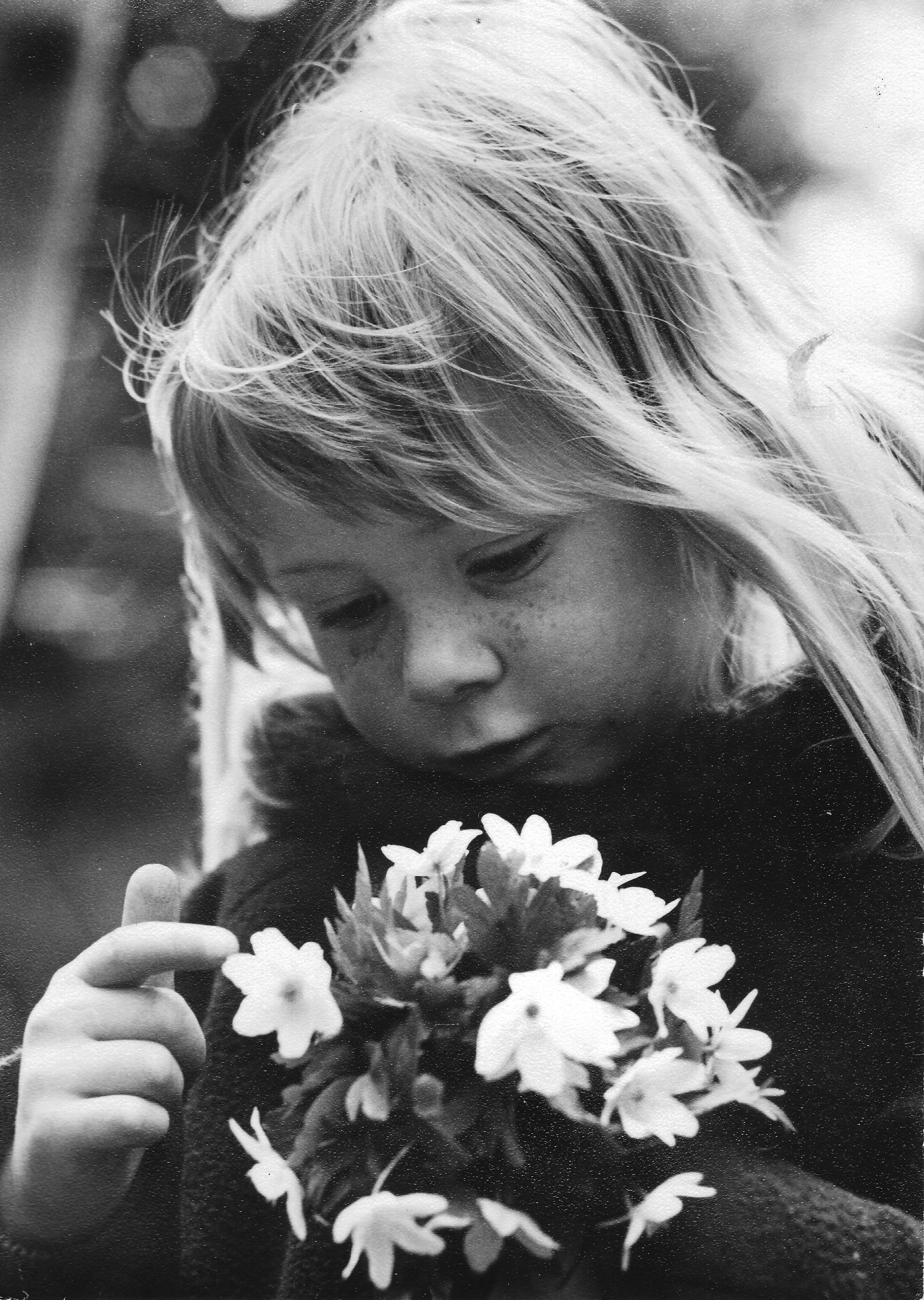 Early sunlight seeping around the curtains.
Blackbird singing. Day beckoning.
Slip out of sleeping house.
Shimmering jewels of dew on the grass.
Wet ankles.
Air fragrant with spring.
Pass the Hawthorn tree dropping damp blossoms on the lawn.
Discover pale yellow primroses on the bank by the river.
Inhale sweet, honey scent.
Inspect the hollow in the willow—cushions of moss for fairies to dance on.
Watch small brown trout in the shallows.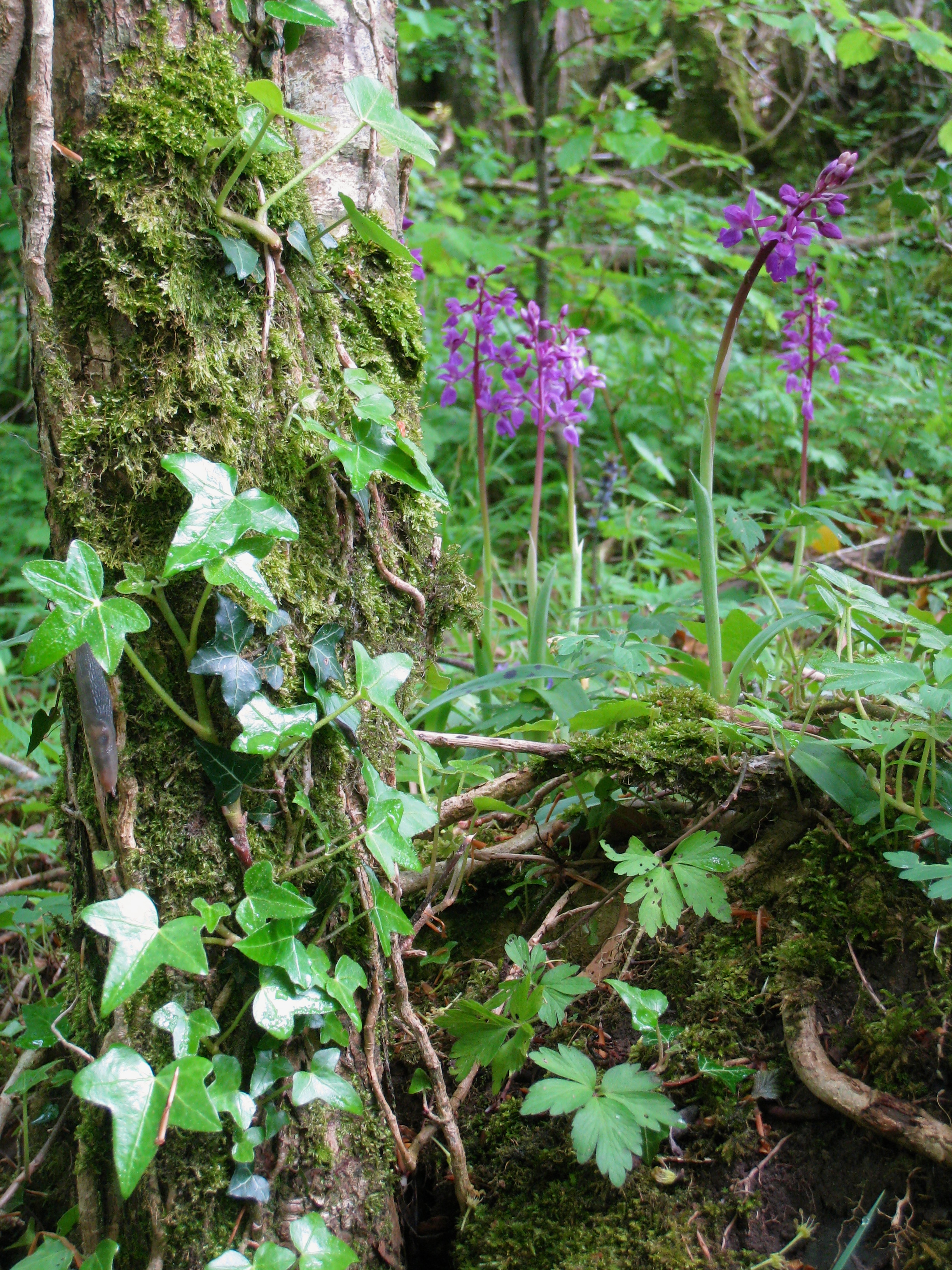
Climb up through the woods.
Soft pine needles underfoot.
Breeze sowing in the tops of the trees.
Tip-toe into the wild garden.
Peonies buried in a tangle of long grass.
Irises blooming through clumps of stinging nettles.
Startle a heron at the overgrown pond.
Poke amongst the duckweed for fat, black tadpoles.
Jump and jump to snatch a branch off the cherry tree,
Laden with heavy pink flowers.
Add it to the posy of violets and primroses.
Home in time for breakfast.
 A little girl handed me a limp, browning dandelion the other day. “You need to put it in water,” she said, smiling hopefully. I knew the sentiment all too well. How often had I fallen victim to the lure of a lawn strewn with fuzzy golden flowers and picked handfuls to stuff in jam-jars, only to discover how short-lived their splendor was once picked.
For the past week, on sunny days, I’ve taken a bowl out to the garden and plucked the heads off the freshly opened dandelions. No, it’s not some manic, pesticide free attempt to remove them from my lawn. I’m storing them in bags in my freezer until I’ve accumulated enough to give to a friend to make dandelion wine. I can’t wait to taste the results.
The name, from the French dent-de-leon, or lion’s tooth, refers to the jagged shape of the dandelion leaves. When I was a kid, I spent hours picking these greens to feed my pet rabbit and tortoise. I learned early on that the white sap that oozes out of the stem is not only sticky, but permanently stains clothing brown! But I still can’t pass a lush bunch without having the urge to pick them. Packed with vitamins and minerals, these leaves make a delicious dish. I first tasted horta—spring dandelion leaves cooked with tons of garlic and lemon juice and olive oil—when living in Greece as a child.
The dandelion has been used medicinally for centuries, and all parts of it are edible. One of its many names is pee-the-bed, for the diuretic effects of ingesting the dried root. It’s far from being merely a humble weed, and yet, this is the plant that herbicide makers love to target in their advertising. Of the numerous names for the dandelion, found in most languages, my favorite is from the Persian, qasedak, meaning small postman because it brings good news.
The First Dandelion.
Simple and fresh and fair from winter’s close
emerging,
As if no artifice of fashion, business, politics,
had ever been,
Forth from its sunny nook of shelter’d grass—
innocent, golden, calm as the dawn,
The spring’s first dandelion shows its trustful
face.
–WALT WHITMAN.

 My youngest son just turned seven. Watching him play with his birthday Lego, it dawned on me that he has reached my memory lifetime, that is, the age from which I have distinct memories. It was also the age I vividly remember writing my first story.
It was about a little girl who wished for a pair of red shoes. She pestered her mother until her wish came true. Against all her mother’s warnings, she wore the red shoes to go exploring. One shoe got stuck in a muddy puddle and was lost. Slowly, the shoe disintegrated, becoming part of the soil, where it nurtured a lush patch of grass . Along came a cow that ate the grass, and was subsequently killed and her hide turned into a pair of red leather shoes. Strange story for a seven-year-old, but with a satisfyingly circular pattern, and, most importantly, based in fact. Yes, I was the naughty child who’d lost her red shoe.
A baby learns that if you smile at your parent just so, you elicit an instant response, or if you pull the cat’s whiskers, chance are you’ll get scratched. From birth, we build a narrative to make sense of the world around us, based on our interpretation of previous experience.
For a writer, consciously tapping into this memory bank is essential. Storytelling, at its heart, is a thing of memory. When I create a story, I delve into a scrap bag and pull out fragments of places I’ve been, weather I’ve experienced, and characters I’ve met. I stitch together a plot and blend it with sense memories to make it come alive—perhaps the salt and dead fish-laced air of a harbor, the heat shimmering off a city sidewalk, ripe with the scents of hotdogs and car fumes and drains, or the solo chorus of a lark rising high above a peat bog.
When my first grade son writes a story his default mode is a graphic novel: elaborately drawn settings and multiple characters with cryptic little speech bubbles. When prodded he will tell me the complicated and action packed plot. These stories are nothing like the ones I wrote at his age, mostly involving princesses and furry animals, but firmly based in recalled events.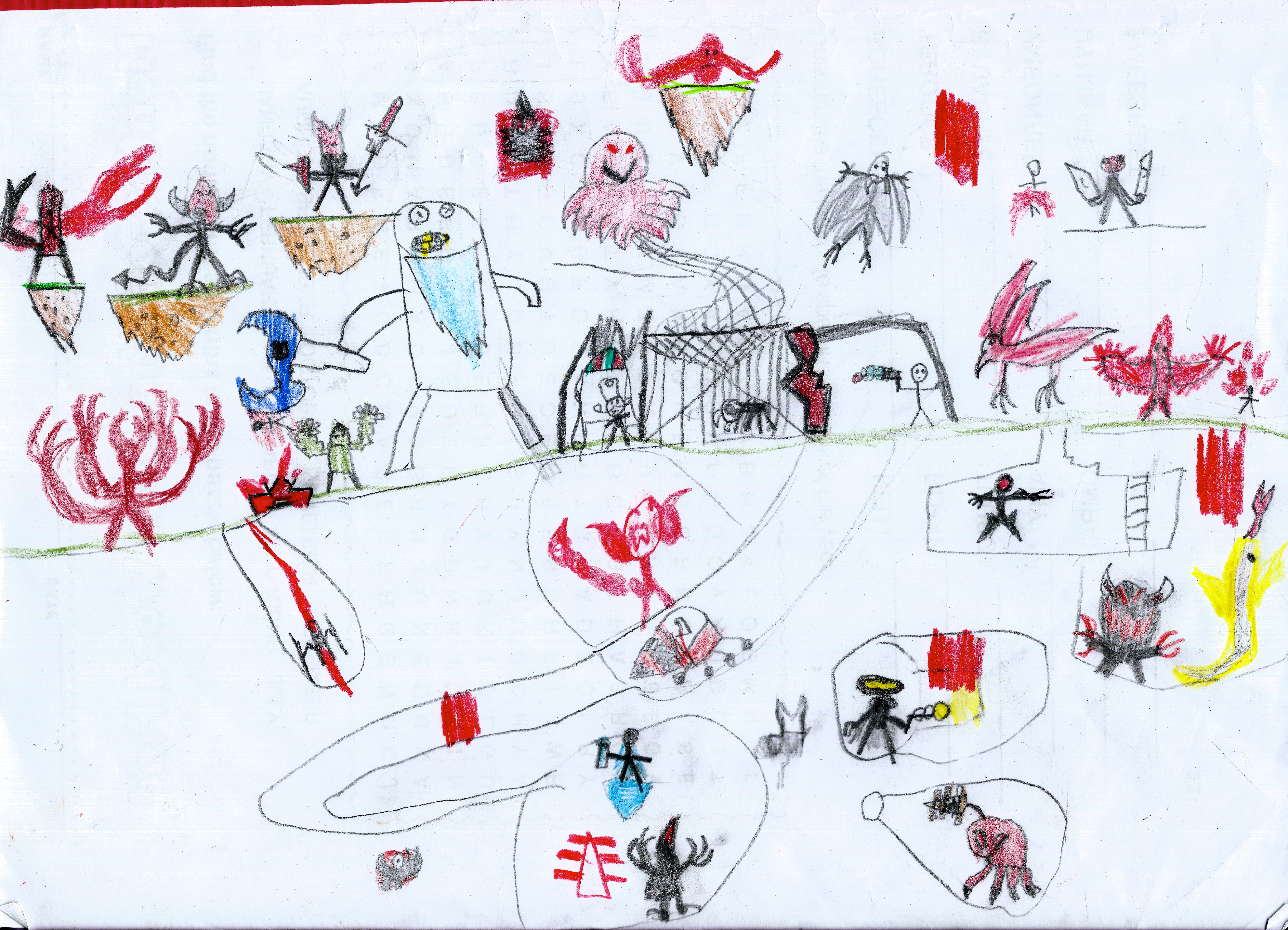
I know that all children, given the right encouragement, will express themselves through art. As soon as my older children could hold a crayon, they spent many hours drawing—dragons, knights, princesses, superheroes. As a toddler, my seven-year-old who is more than a decade younger than his brother and sister, seemed reluctant to pick up art supplies. I didn’t push him. Then, at the age of four, the drawings started to trickle in from preschool—small, lavishly detailed scenes that required much explanation from him before I could grasp what they were about.
Observing him draw at home, I noticed an interesting thing. His drawings were “live action.” He was animating his fantasy world on the page. No wonder it had taken him a while to conceptualize how to do this. He is a 21st century storyteller.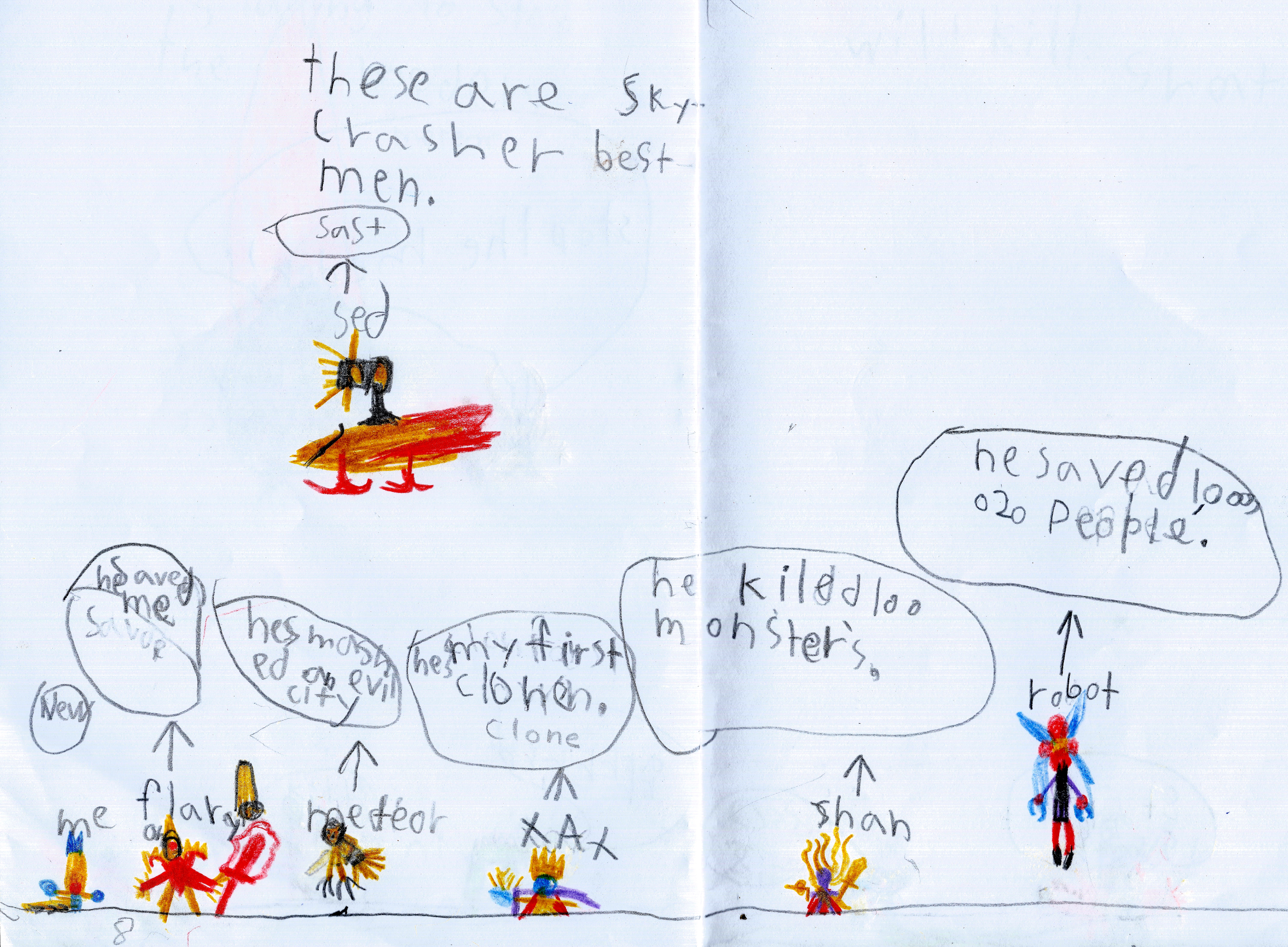
Today, in our screen-centric era, kids move easily between the real world and game worlds, often, at least partially of their own making. These worlds can be so enticing that kids (and adults) feel as though you are present in that fantasy world.
I can’t help wondering what kind of storytellers this makes them? Many of their “memories” are constructed from these fantasy experiences, blended with reality. No doubt the next generation will write extraordinary works of fiction. They will create worlds that we would be hard pushed to conceive of. Storytellers of the mid 21st century will break old molds.
And yet, I believe that nothing can replace the scent of wood smoke on the air that instantly transports me to the moment of arrival at my grandmother’s house. Or the feel of slick pebbles underfoot and ice-cold water stinging my knees as I wade into a lake. Or the shame of facing my mother wearing one red shoe, and one muddy sock.
 I dreamed so vividly I felt it in every fiber of my body when I awoke.
To say that dream haunts me Would be an overstatement.
But it lives in a safe, quiet spot in my mind— A dream of drowning.
The preambles have receded with time, But the moment of letting go, Of relinquishing my hold, of opening my fists And allowing seawater To flow through my fingers, Of sinking softly Was sweet.
The ultimate letting go.
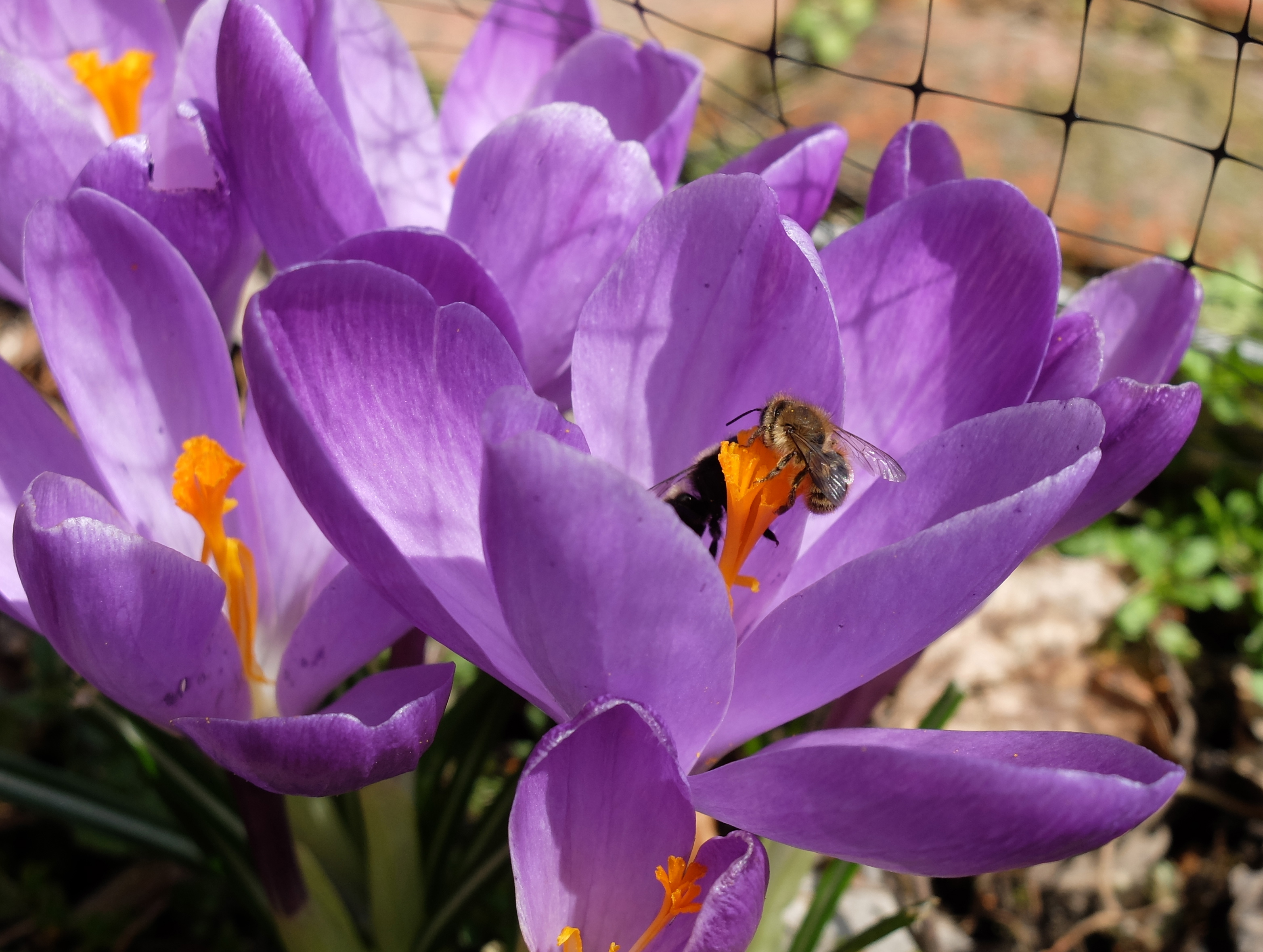 For the first time this year I dragged out the old blanket and spread it on the grass. Dozed with my head on my arm, the sun warm enough to make me shed a layer. Oh boy my soul needed that sweet touch. And I dozed to the buzzing of bees in the gold and purple crocuses.
At dusk I stood on the lawn and felt air move against my skin. Not the numbing cold that freezes tears in your eyes. But an air scented with earth.
My son pointed out the sliver of waxing moon hanging between silhouetted tree branches, delicate as lace mantillas.
The moon siren, and the faint pulse coursing through the soil seduced the tree frogs out of hiding to call in lusty peeps from the unfrozen pond.
And now, against the darkness of a spring night A moth drives it’s wings against my window Oh so eager to step inside and make mad passionate love to my lamp.
 Melissa Shaw-Smith