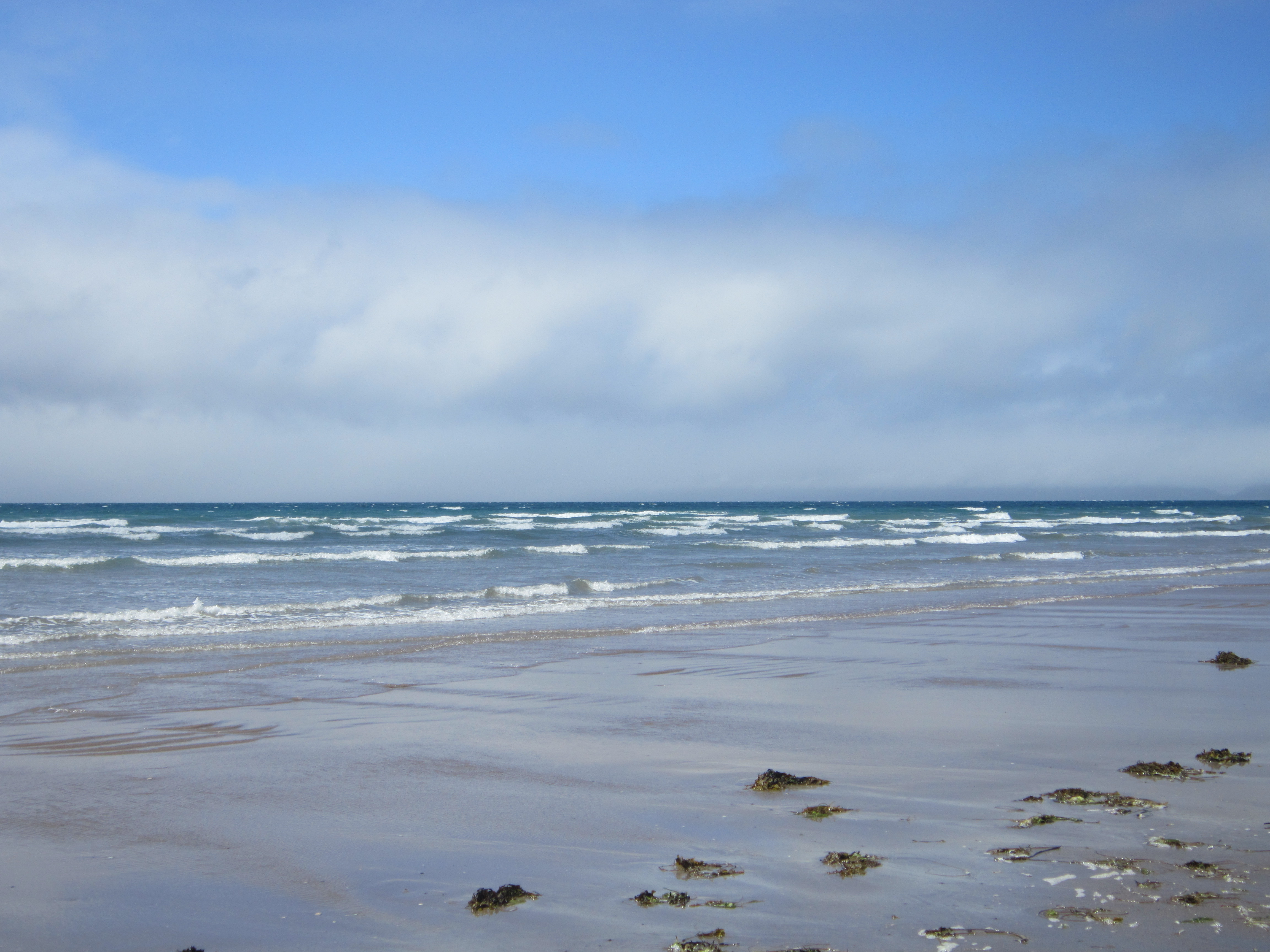


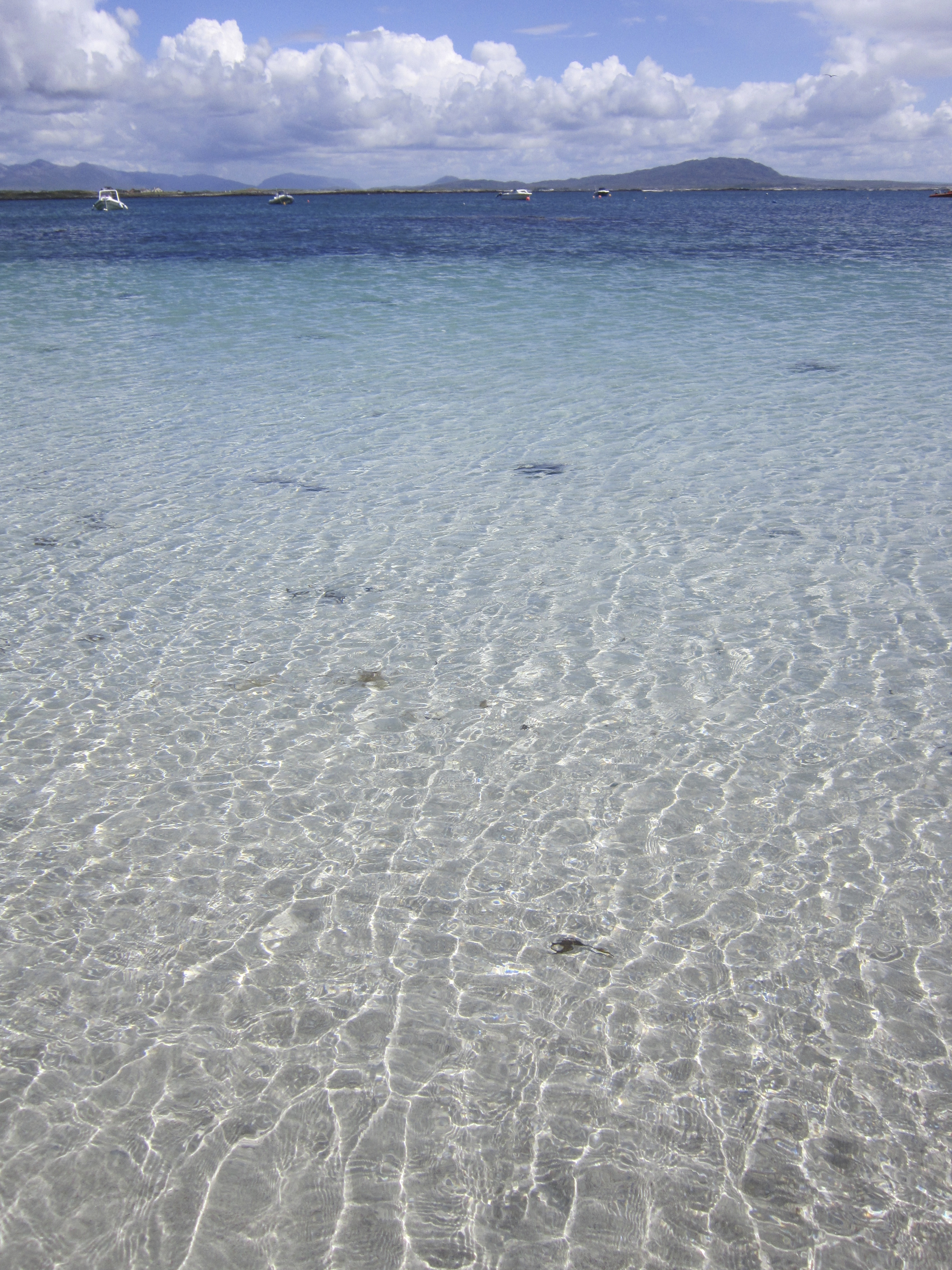
These images of the effect of waves were shot in Co. Mayo and Co. Galway on the West coast of Ireland.

These images of the effect of waves were shot in Co. Mayo and Co. Galway on the West coast of Ireland.
 The grey stone gable
Is the last vestige
Of the cottage on the headland.
Nettles grow thick
At its lichen-covered feet.
It faces west
Toward the sunset,
Toward America.

 Who knew you could fall in love
All over again?
I’d gone my separate way
Without too many backward glances,
Just the odd intense
Pang in the gut
At the scent of seaweed on salt air,
Or the whiff of ladies bedstraw
Crushed underfoot.
And yet the sight of a stone wall curving over a hillock
Could trick the eye momentarily,
Sending memories coursing through the blood.
Who would have believed
A week in the coast guard station
Above Bun Owen pier
Would set the heart reeling with delight
At the soft haze of the Twelve Bens and Maumtrasna
Ringing the bay?
The wooing was gentle
As the rain.
Small things sent to delight me—
Posies of wild flowers,
The keening cry of oyster catchers
skimming the waves,
A pocketful of shells,
The sun setting in stunning bursts of light
Worthy of a baroque cathedral
Over Slyne head.
But there it was, rekindled again,
A love to end all seasons.

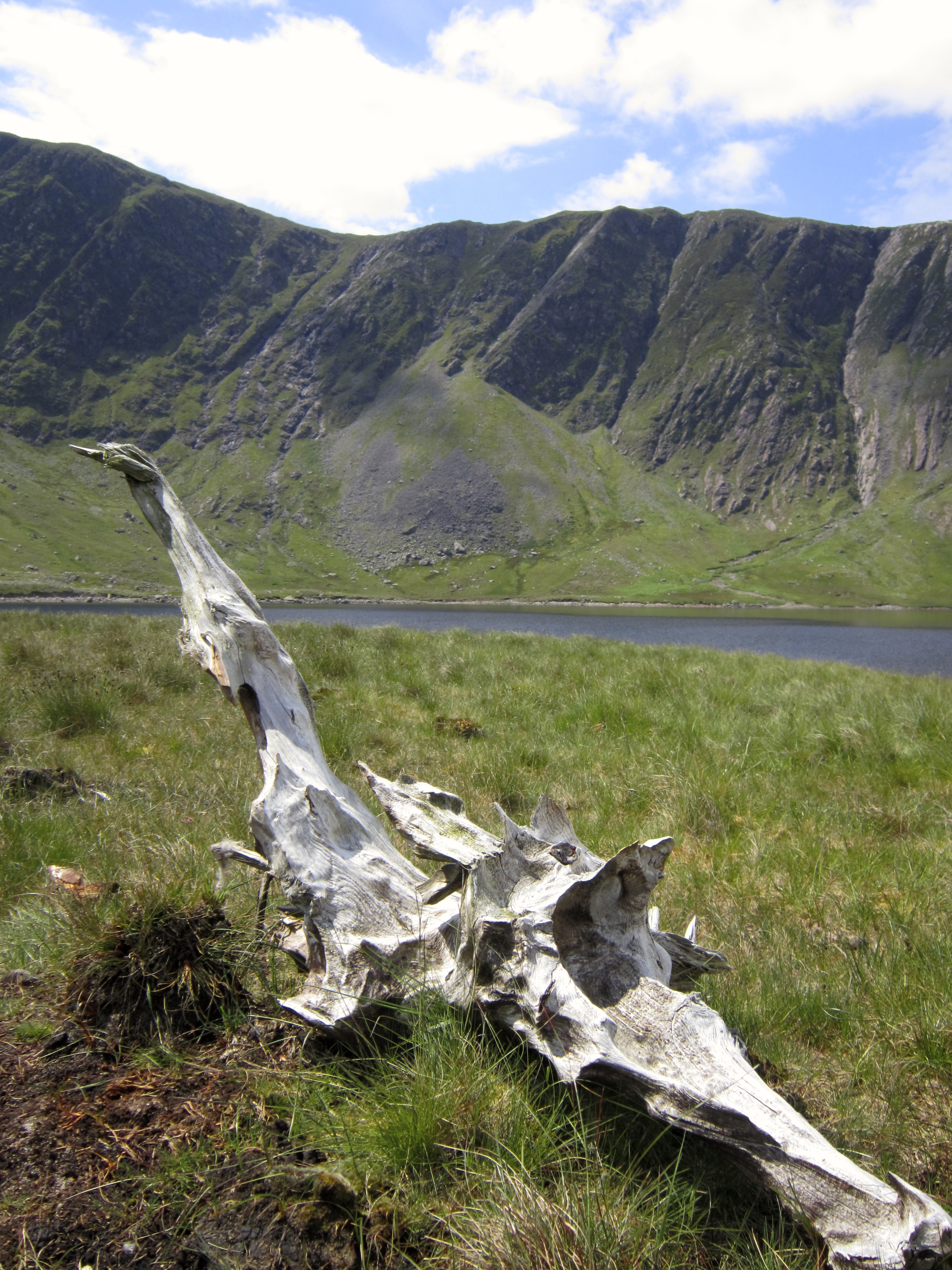
The oak root
Stopped me in my tracks,
Rearing out of the bog,
A creature of fantasy.
Sentry from a long gone forest
Mowed down by ice-age
And time,
Buried under eons of sphagnum moss
Rush and sedge,
Silt from mountain streams—
sandstone, granite, the odd fleck of gold.
All these and more swaddled its limbs,
Blocking out oxygen
Bathing it in tannic acid,
Preserving it:
Six-limbed,
One-eyed,
Bog monster.

Maumtrasna Mountains, Co. Mayo. Ireland
 Glistening body
Leaping through rainbows
Squeals of laughter
Pure joy
 I want to carefully carry with me—
This basket
Of precious eggs.
Every one has its own space
In my heart.
But sometimes
I worry
That my attention
Will slip,
I won’t give each
The time it deserves
To turn and caress
And be mindful of,
That I will jostle the basket
And let one slip.
I want to swaddle them
With soft grass and feathers,
Turn them in the direction of the sun,
Breathe love and understanding
Into their souls.
Hover over them,
Keep them safe.
But like the hen
Who leaves the nest
To stretch her legs
And scratch for worms,
Knowing there is always
The possibility of the sneaking weasel,
I too must learn to let go.
 My foot rock, rock, rocking
Mimics the lift and drop of waves.
Breeze in the walnut leaves
Sounds like the hiss of surf,
And a car passing on the road—
Wind in the rigging.
Where is the keening of gulls
Tumbling through the salt air?
Replaced by a cricket in the stone wall
And a bullfrog over the road in the pond.
Sudden screech of blue jays
Sounds a false note,
Arresting my downward spiral.
A drama fit for a king plays out.
Ten seconds and the act is done.
Attack, plunder, infanticide,
Feathers.
Distraught phoebe’s screech
At the sight of their nest
Dislodged from the eaves.
My head sinks back down,
Eyelids grow heavy again.
Dip, dip, dip.
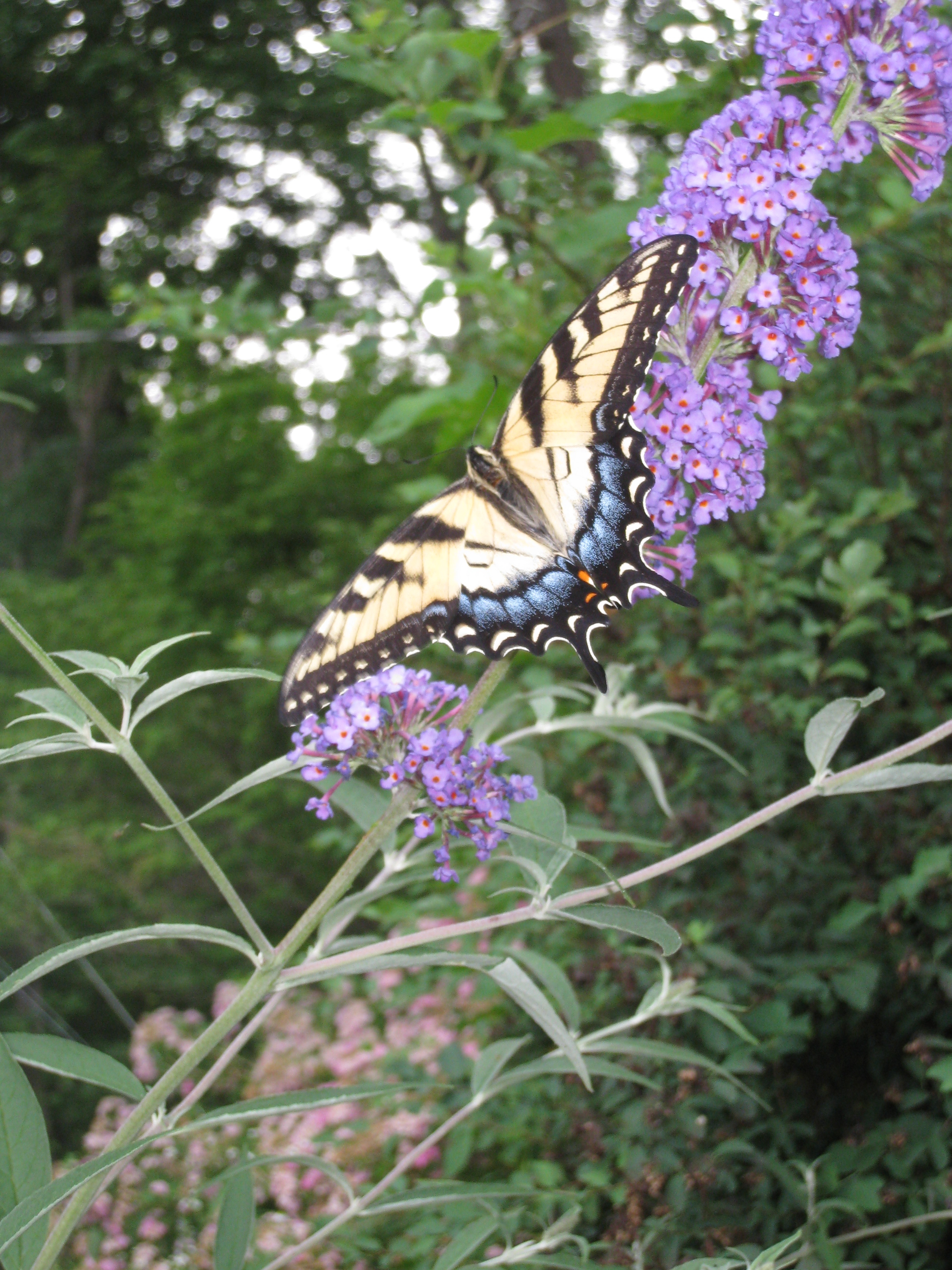
Consciousness hovers like the yellow
Swallowtail over the dame’s rocket.
Swing gently into sleep.

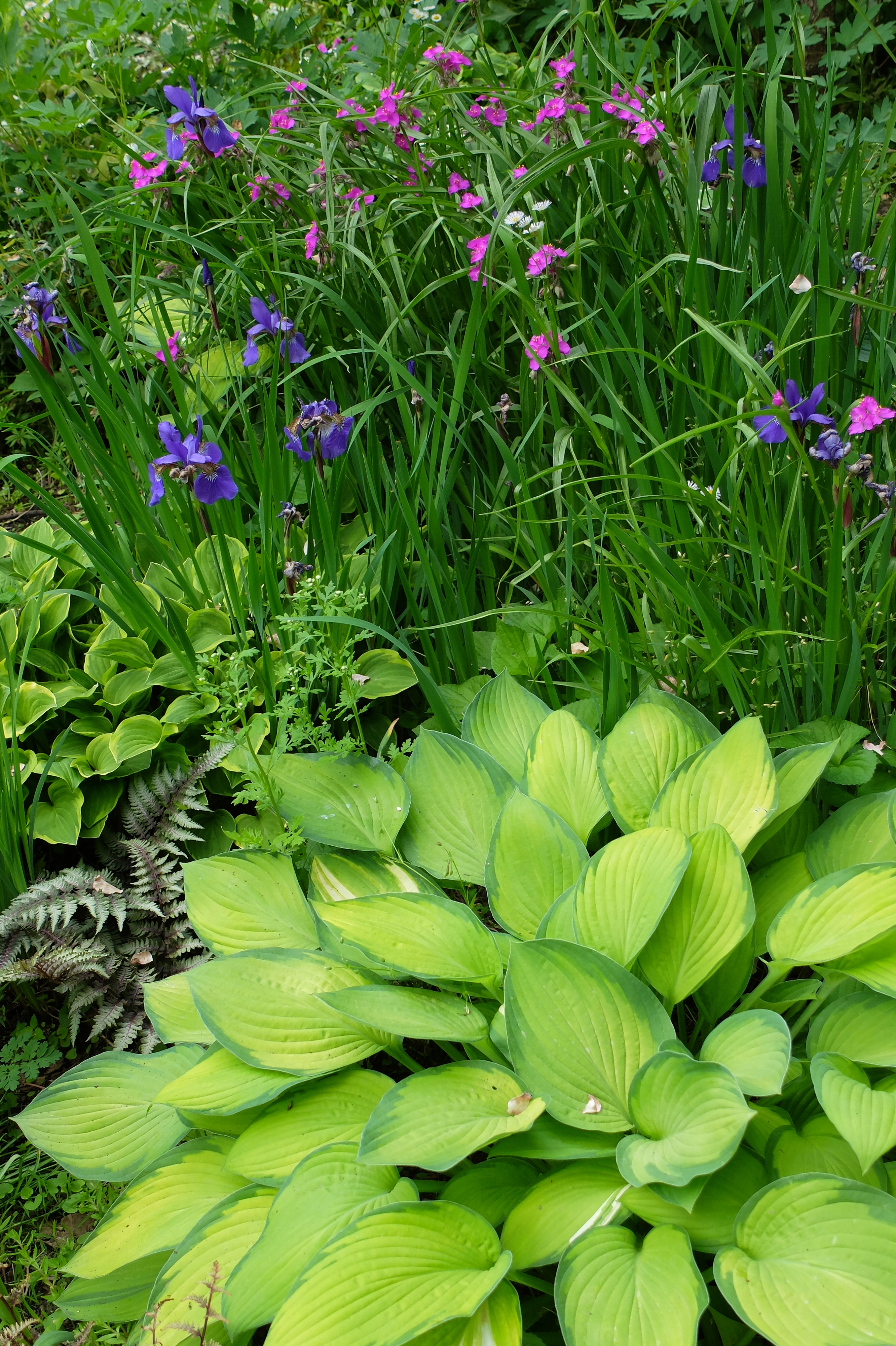 It’s a tough time of year for me as a writer. Yes, I have spring writer’s fever and I’m itching to explore new projects, and eager to finish revisions. But I have one big problem. My brain needs sugar! Like the hummingbird who flits from flower to flower to satiate his unending need for nectar–they consume half their body weight in sugar each day– I too need to feed the receptor in my brain that’s drawn to nature. Here are a few of the things that keep me from putting my butt in my seat on an hourly basis.

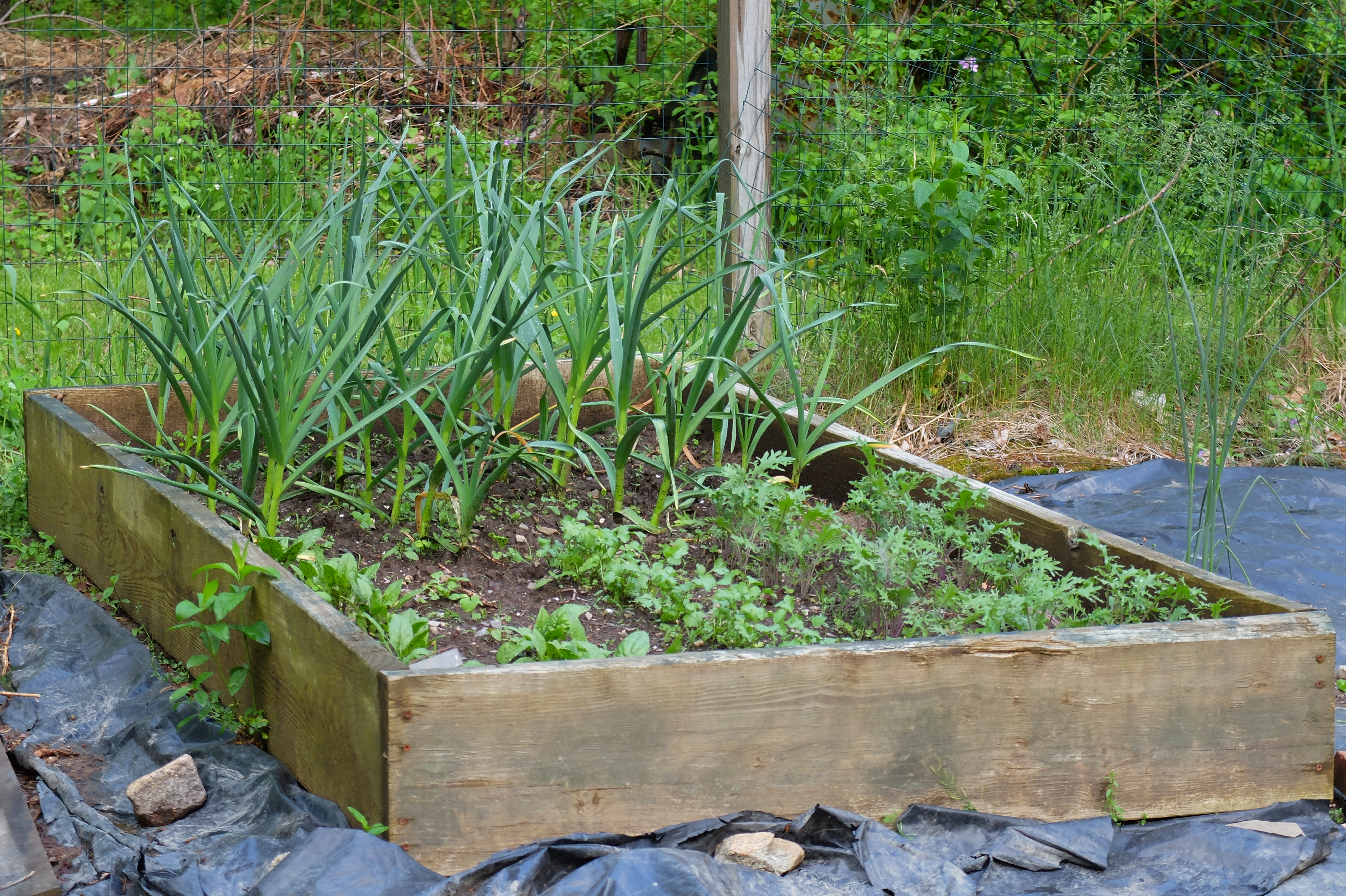

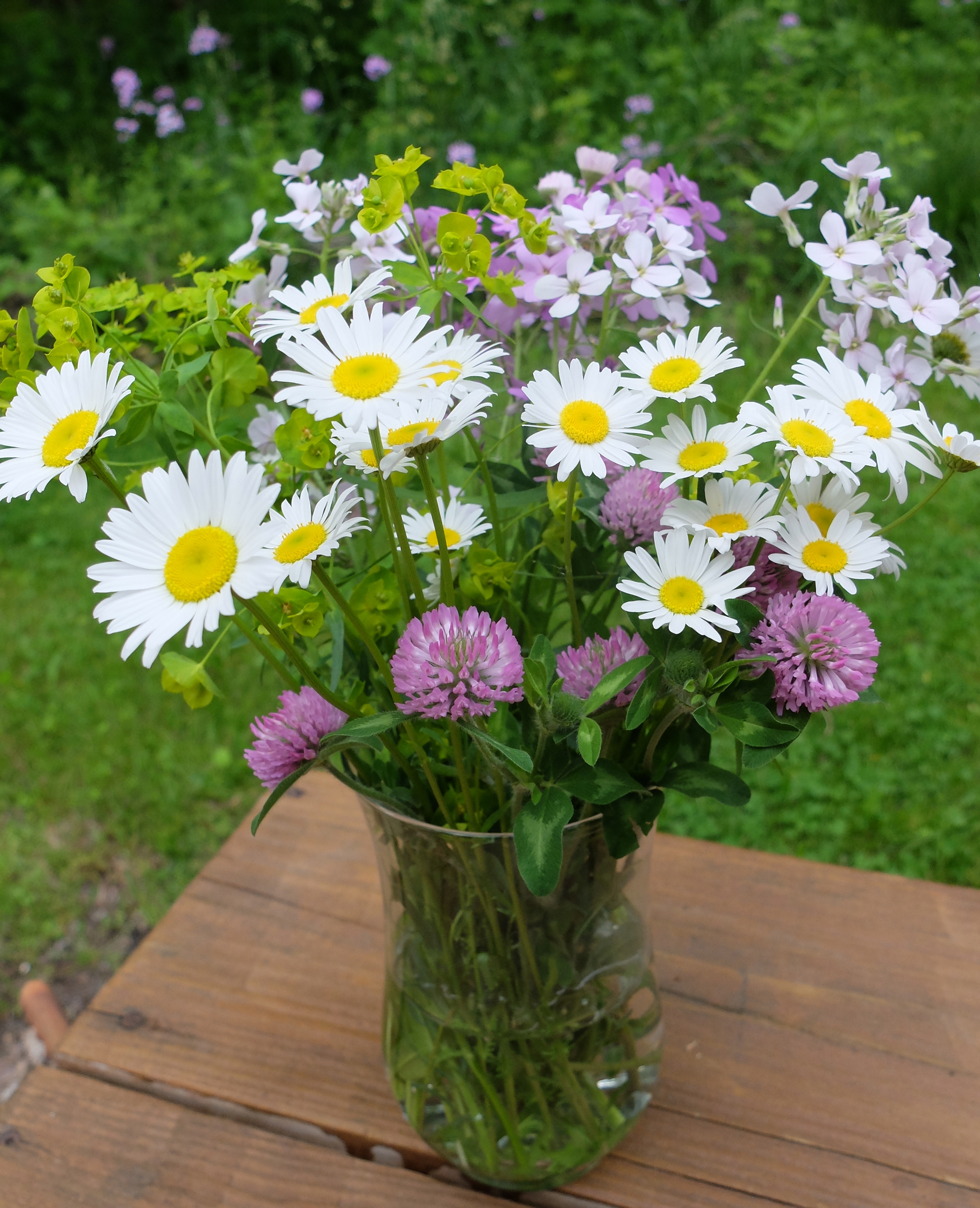
My garden is constantly beckoning through the window.
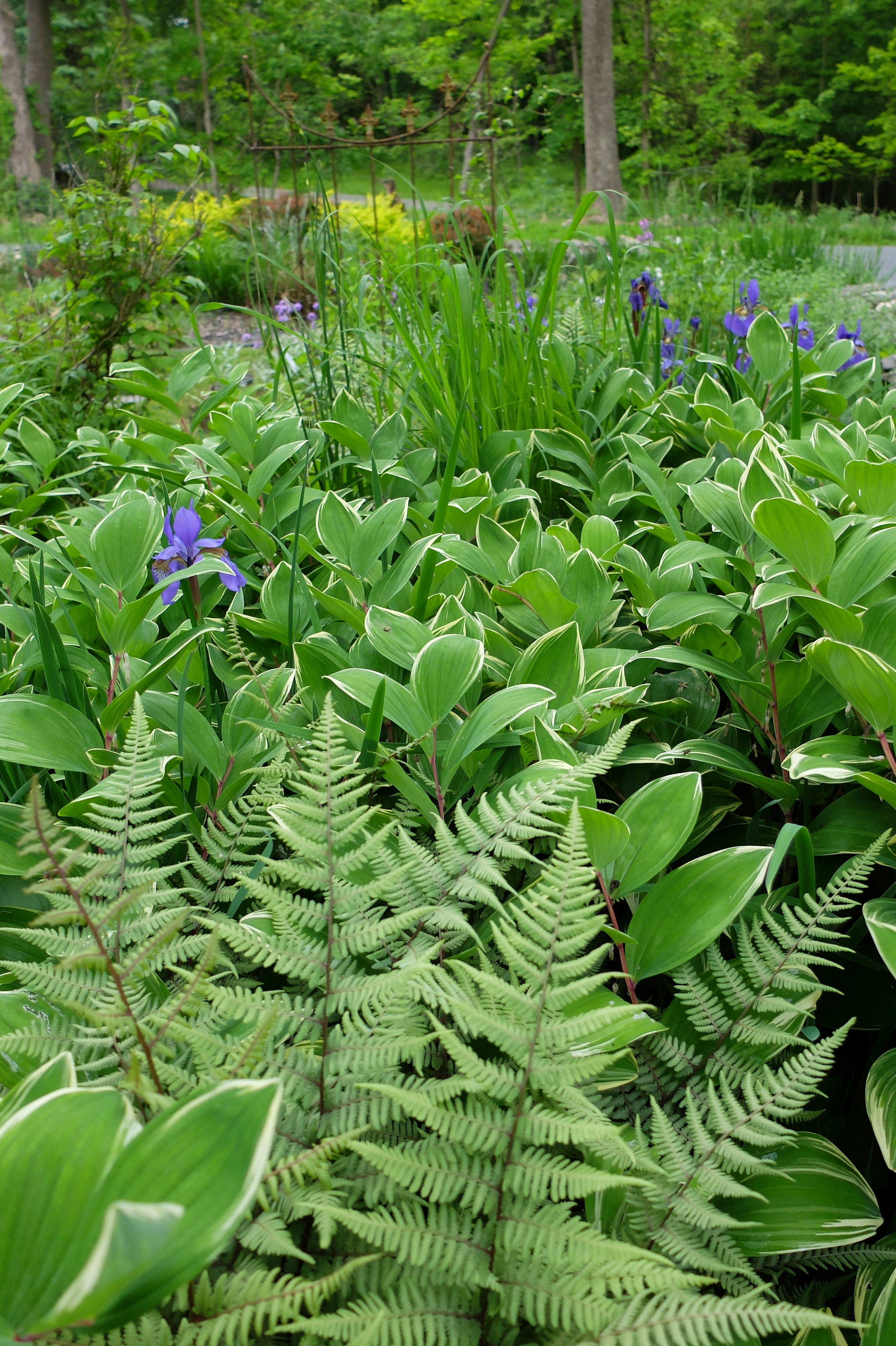

And then there’s the woodland and the hedgerows . . .


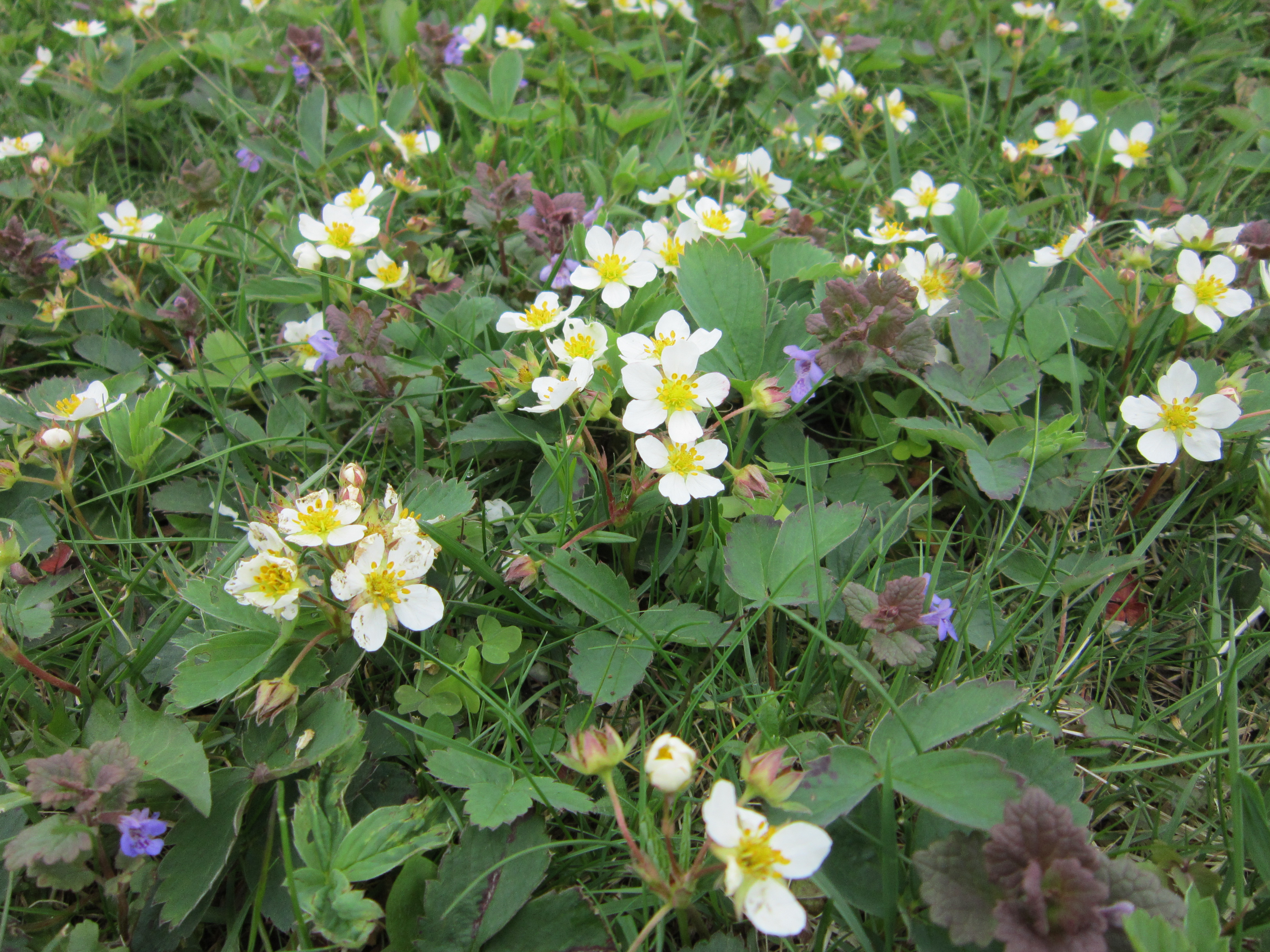

And the wildlife . . .


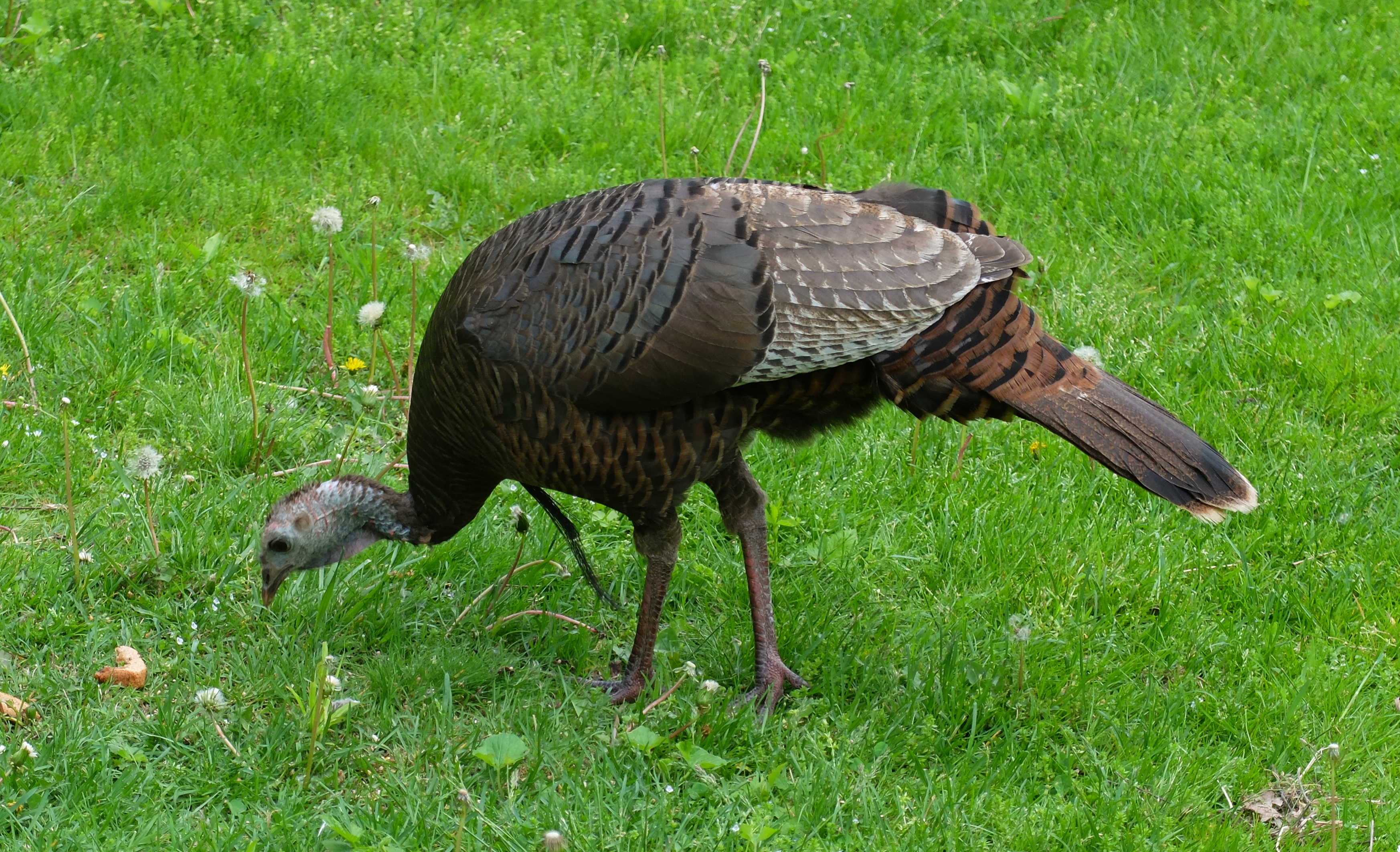
What’s a writer to do, except–
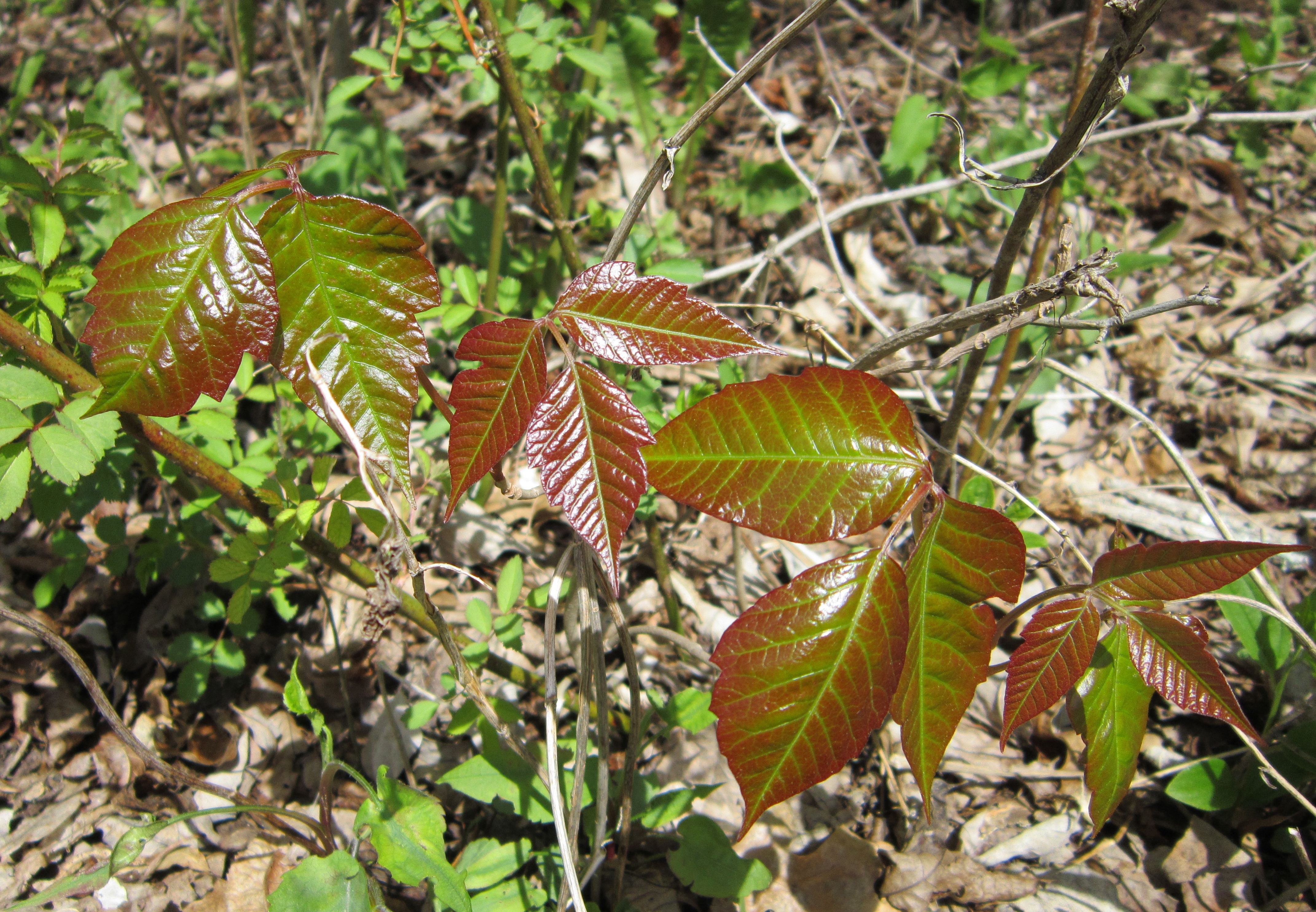 Not many things give me nightmares, but poison ivy—Toxicodendron radicans—is one of them.
I didn’t even know what the blighter looked like when I started gardening in New York’s Hudson Valley. Vague ideas of Christmas card’s wreathed in leafy loveliness came to mind, and I imagined some minor skin irritation akin to the hives from a stinging nettle. Boy was I in for a shock.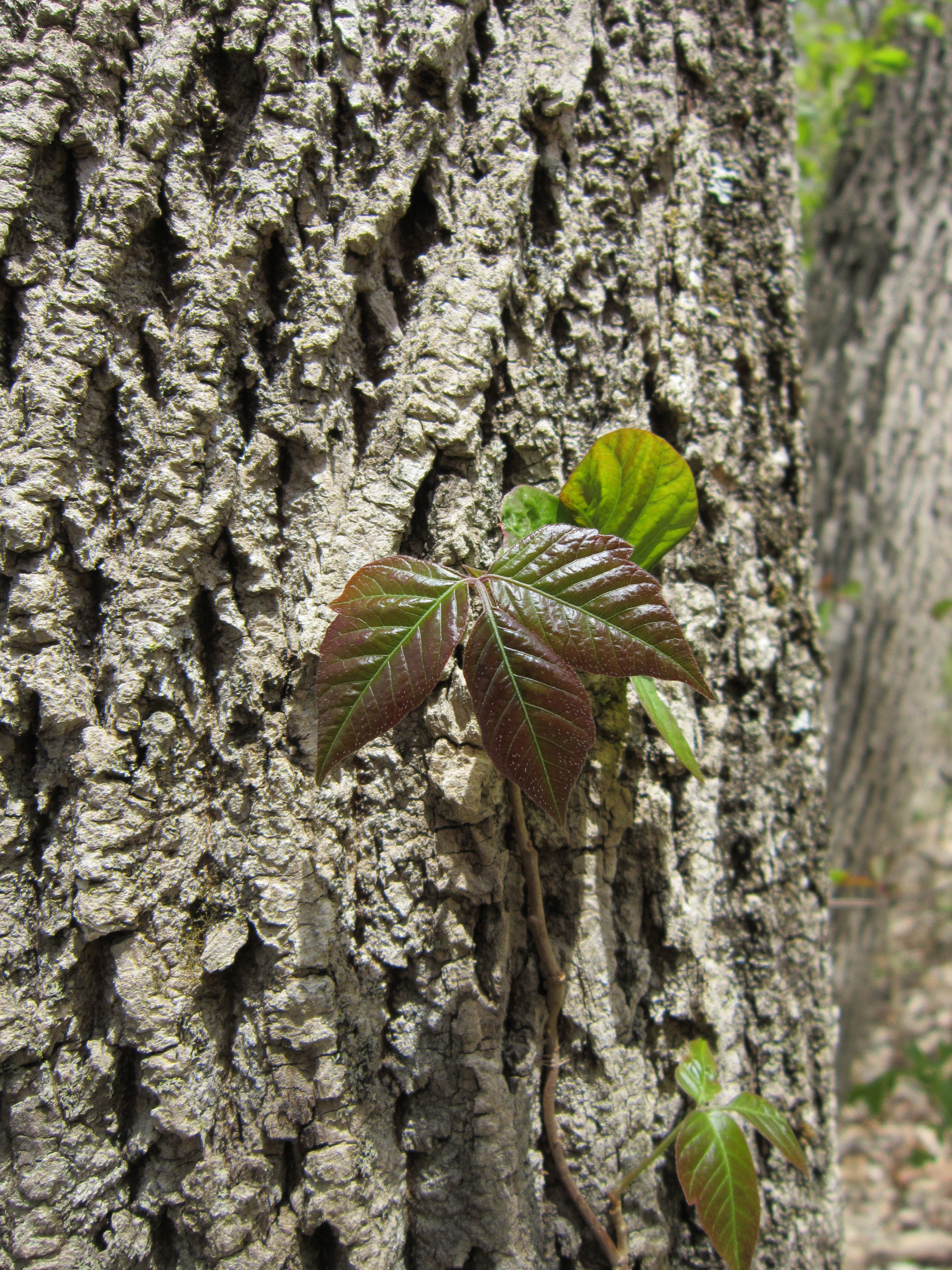
One night I was awoken by an intense itching on the insides of my arms: I’d met my nemesis. But this noxious weed wasn’t going to get the better of me! I put on my armor—heavy-duty gardening gloves, long-sleeved sweatshirt, jeans, and boots—and waded into battle. I even went so far as to ditch my old clothes once I’d beaten my enemy into submission.
It didn’t help. The urushiol—the toxic sap of the plant—worked its way under my defenses. I looked like a burn victim, with oozing bandages swaddling my arms and shins. And don’t talk to me about the excruciating itch that made me tear at my skin like a mad woman.
 I tried every remedy in the almanac—oatmeal baths, jewel weed, calamine lotion, cortisone, baking soda, bleach. Yes, you heard that last one right—neat bleach! They all worked to a degree. But the bottom line is that once the angry rash and blisters appear, you have to resign yourself to three weeks of hell.
So it’s no wonder that walking past a lush patch of poison ivy on the roadside is enough to give me sleepless nights. And when a seedling dares to rear its not-so ugly head in my garden, it makes me break out in a cold sweat and reach for the Round-up.
Recently I learned an even more disheartening fact: A study by researchers at the University of Georgia found that poison ivy is particularly sensitive to CO2 levels, greatly benefiting from higher CO2 in the atmosphere. Poison ivy’s growth and potency has already doubled since the 1960s, and it could double again once CO2 levels reach 560 ppm David Templeton (July 22, 2013). “Climate change is making poison ivy grow bigger and badder”. Pittsburgh Post-Gazette.
So, unless you fancy a post-apocalyptic world over-run with vast jungles of poison ivy, curb your CO2 emissions! 
 Early sunlight seeping around the curtains.
Blackbird singing. Day beckoning.
Slip out of sleeping house.
Shimmering jewels of dew on the grass.
Wet ankles.
Air fragrant with spring.
Pass the Hawthorn tree dropping damp blossoms on the lawn.
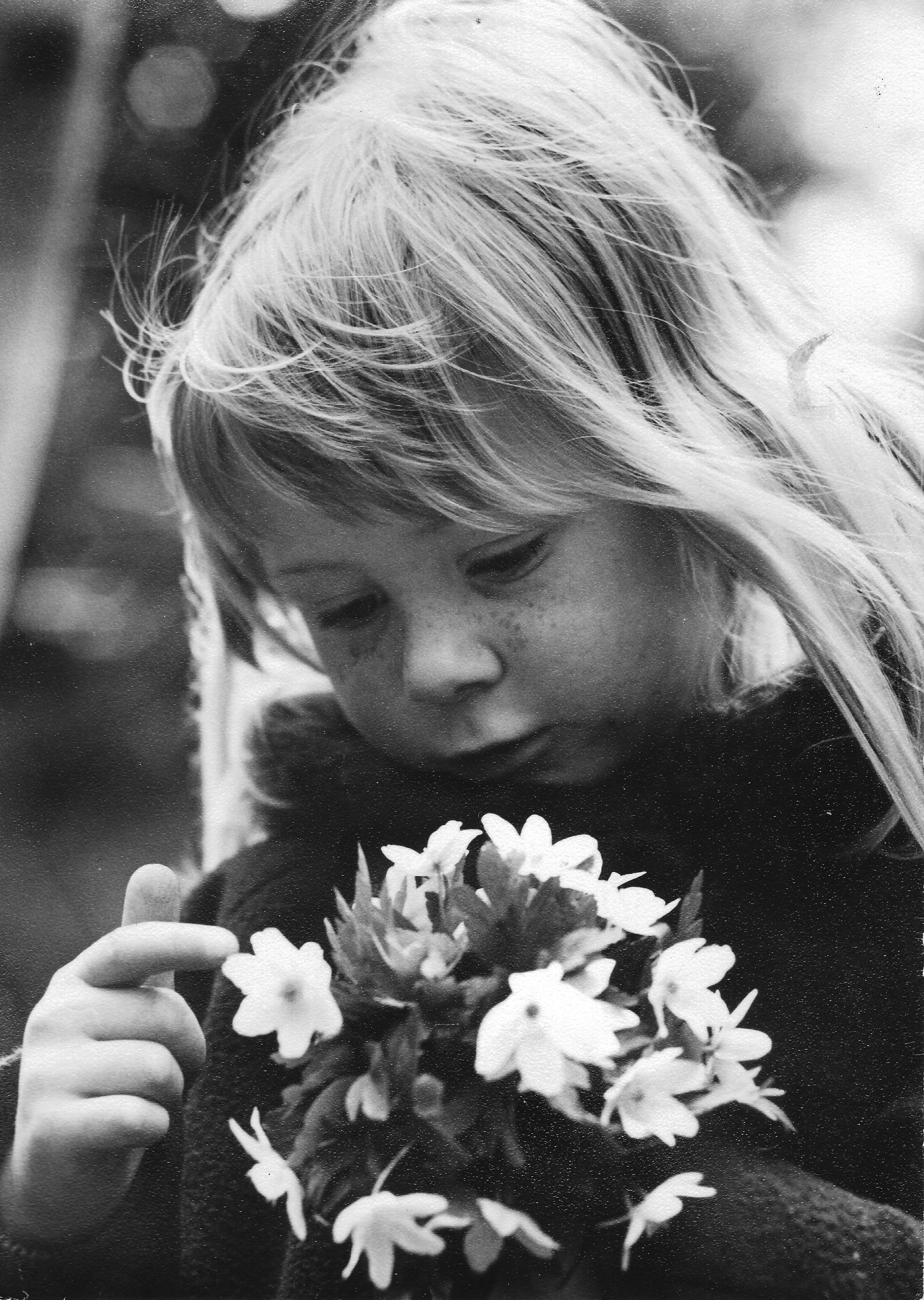
Discover pale yellow primroses on the bank by the river.
Inhale sweet, honey scent.
Inspect the hollow in the willow—cushions of moss for fairies to dance on.
Watch small brown trout in the shallows.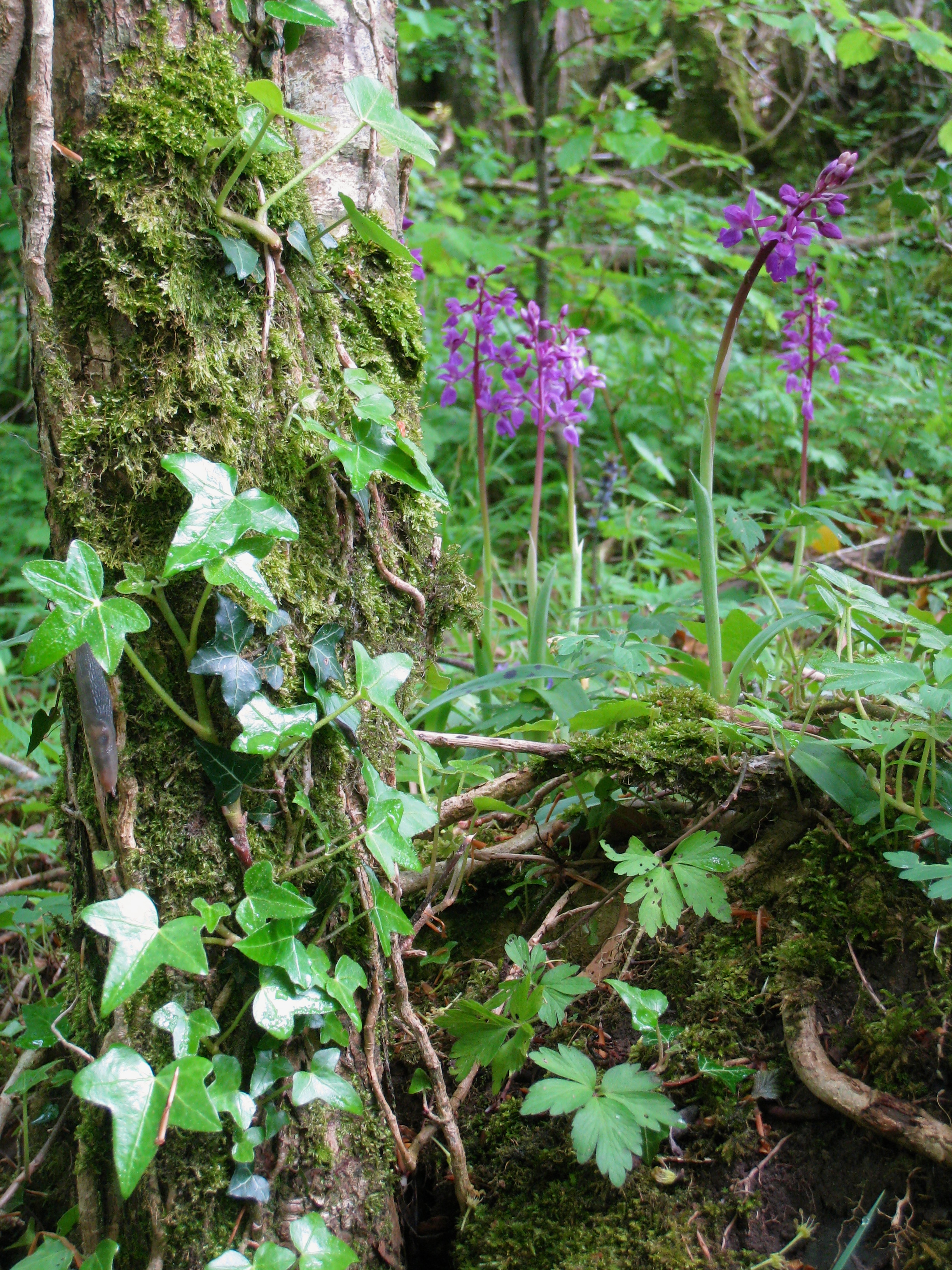
Climb up through the woods.
Soft pine needles underfoot.
Breeze sowing in the tops of the trees.
Tip-toe into the wild garden.
Peonies buried in a tangle of long grass.
Irises blooming through clumps of stinging nettles.
Startle a heron at the overgrown pond.
Poke amongst the duckweed for fat, black tadpoles.
Jump and jump to snatch a branch off the cherry tree,
Laden with heavy pink flowers.
Add it to the posy of violets and primroses.
Home in time for breakfast.
 Melissa Shaw-Smith